Loading...
Style guides, outfit breakdowns, and deals — curated weekly for the modern Pakistani man.
12,000+ subscribers · No spam · Unsubscribe anytime
Learn how to dress well as a man with a simple roadmap for fit, colour, wardrobe essentials, shoes, grooming, and confidence.
Affiliate disclosure: this article may mention useful basics such as shirts, trousers, shoes, grooming products, and wardrobe checklists. If affiliate links are added, keep them practical and relevant.
To dress well as a man, start with fit, stop buying random clothes, build simple outfit formulas, upgrade your shoes, groom consistently, and dress for your real life. You do not need to become a fashion person. You need a repeatable system that makes you look clean, capable, and appropriate.
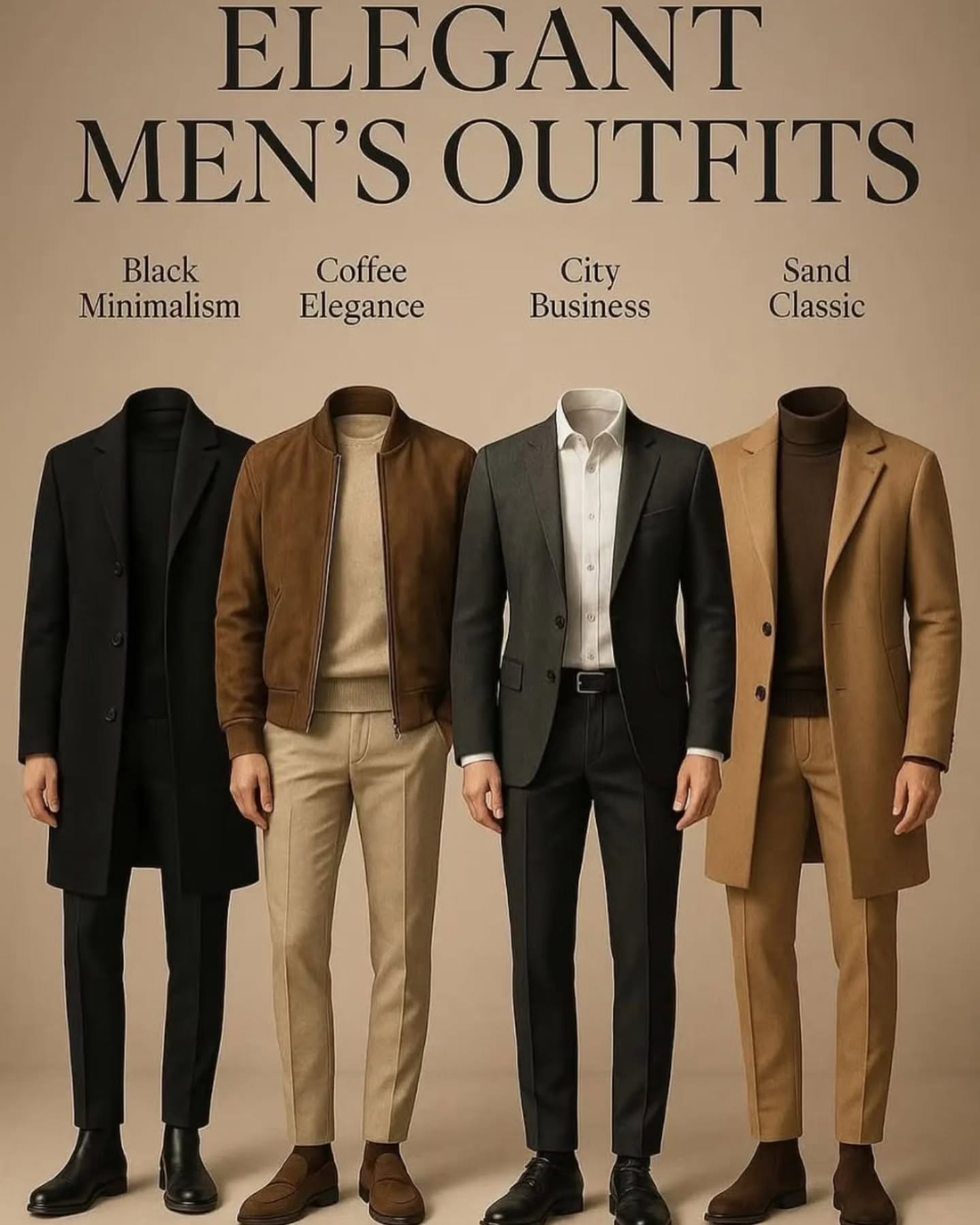
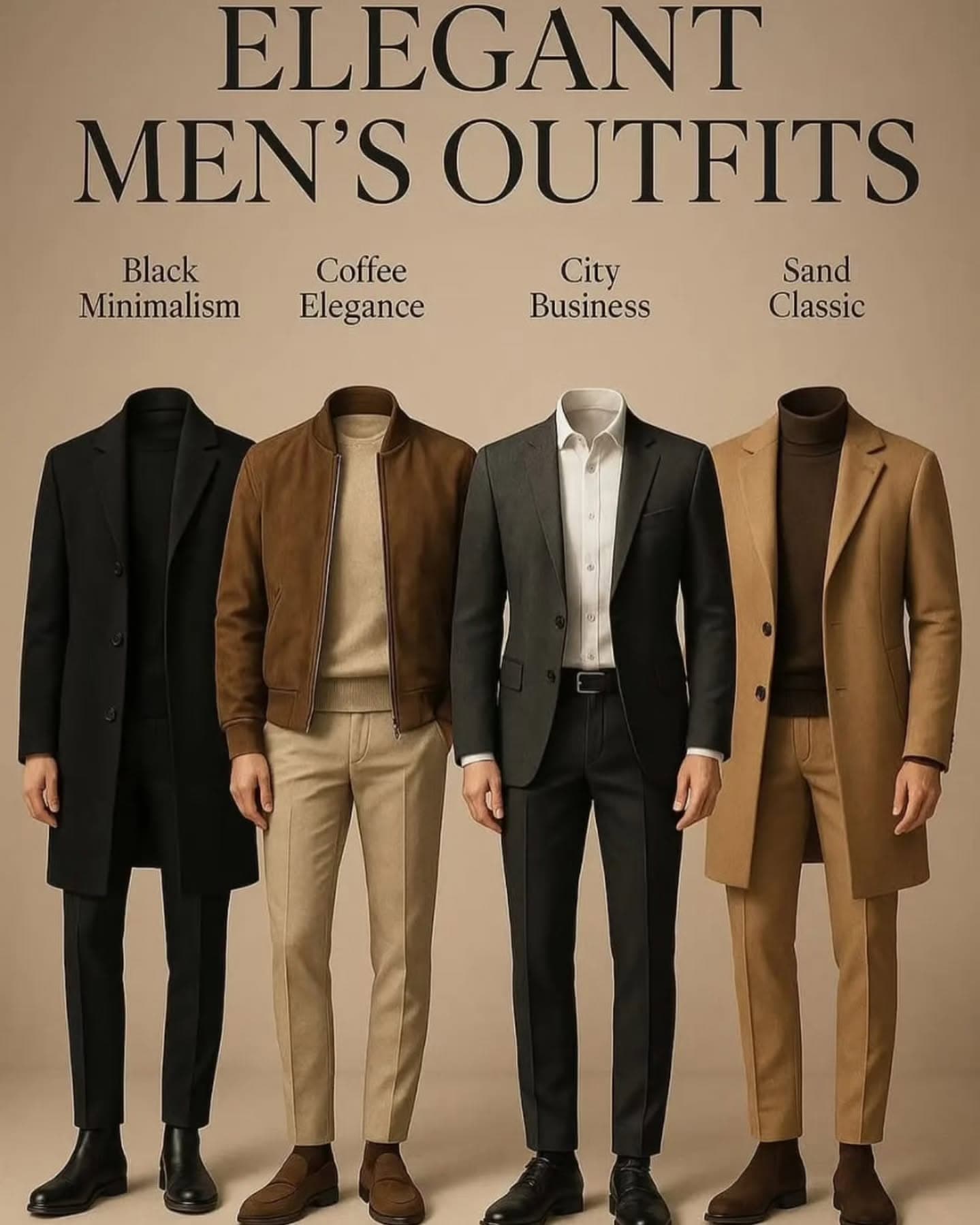
Men Fashion Sense image reference: Topic-matched visual for How to Dress Well as a Man: A Practical Beginner Roadmap.
Most men are not lazy. They were never taught. Nobody explained how a shirt should fit, why shoes change an outfit, or what smart casual means. So they guess.
Guessing creates frustration. You buy more clothes, but outfits still feel wrong. You dress up and feel stiff. You dress casually and feel underdressed. You see other men looking put together and assume they have better bodies, more money, or natural taste.
Usually, they just have better rules.
This roadmap gives you those rules in order. Follow the steps and your style will improve without panic buying.
Before you buy anything else, pause. A better wardrobe starts with better decisions, not more purchases.
Open your closet and ask:
Make three piles: keep, tailor, replace. This alone can make your wardrobe easier.
When shopping, use the three-outfit rule. If a piece cannot work with at least three things you own, it is not a priority.
Fit is the fastest way to look better. You can wear simple clothes and still look sharp if they fit.
Start with your most visible fit issues. For many men, that means shirts that are too big, jeans that stack heavily at the ankle, trousers that sag, or jackets with bad shoulders.
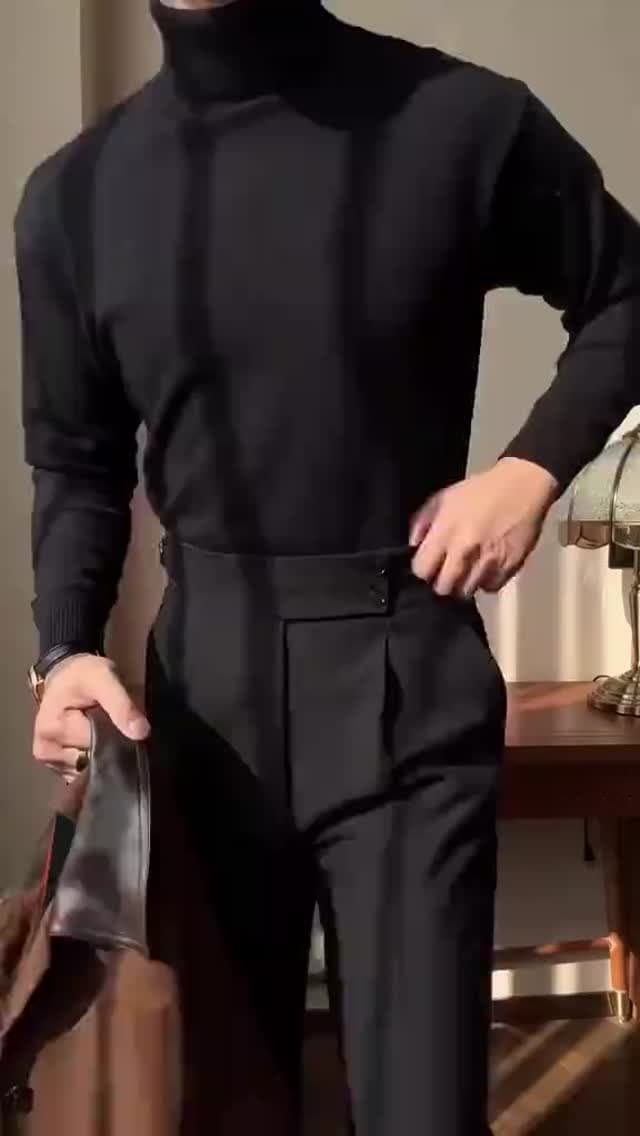
A shirt should fit at the shoulders and chest. Trousers should sit properly at the waist. Jeans should have room in the seat and thigh without looking sloppy. Sleeves should not swallow your hands. Shoes should not look destroyed.
Do not confuse comfortable with oversized. Clothes can be comfortable and controlled.
If colour confuses you, simplify. Wear mostly neutrals: navy, white, grey, black, denim, olive, khaki, camel, and brown.
Use one of these combinations:
Keep bright colours as accents until your basics are strong. This makes you look more mature immediately.
A formula is a repeatable outfit structure. It saves time and reduces mistakes.
White or navy T-shirt, dark jeans, clean sneakers, casual jacket. This works for errands, casual meetups, and relaxed weekends.
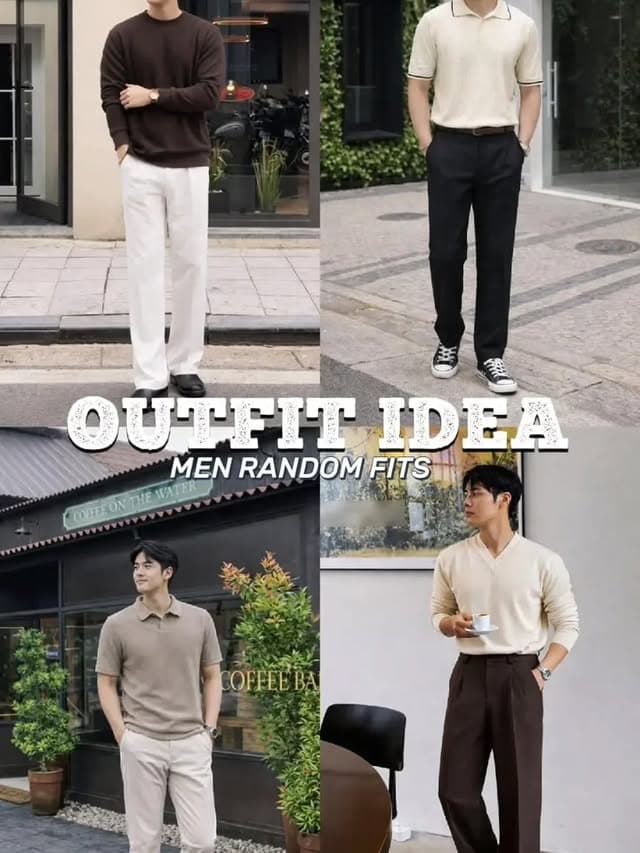
Oxford shirt, chinos, loafers or Chelsea boots, optional blazer. This works for dates, dinners, and social events.
Light blue shirt, grey chinos, brown shoes, knit or blazer. This works in offices that do not require suits.
Fine knit sweater, dark denim or wool trousers, Chelsea boots, overcoat. This gives maturity without being stiff.
Take photos of your best formulas. When you are tired, copy them.
Shoes are often the difference between “almost good” and “put together.”
Start with clean white leather sneakers, brown Chelsea boots, and loafers or Derbies. These three cover most casual, smart casual, and business casual situations.
Keep shoes clean. Use a brush or wipes. Replace worn laces. Do not wear gym shoes with every outfit unless you are actually training.
If your outfit feels too casual, change the shoes before changing everything else.
Grooming is not vanity. It is maintenance.
Get haircuts on a schedule. Control facial hair. Wash your face. Moisturize. Use sunscreen. Trim nails. Use deodorant. Apply fragrance lightly. Keep clothes clean and pressed.
A man in a simple outfit with good grooming looks more polished than a man in expensive clothes who looks neglected.
Do not build a fantasy wardrobe. Build for where you actually go.
If you work from home, you still need clean casual outfits, a few smart casual options, and maybe one dressier outfit. If you work in an office, prioritize shirts, trousers, shoes, and layers. If you go on dates often, build two reliable date outfits. If weddings are coming, solve that early.
Your wardrobe should serve your calendar.
Confidence is easier when you are prepared. Try outfits before important events. Check them in good lighting. Sit down in them. Walk in the shoes. Make sure the shirt does not pull and the trousers do not slide.
A man who prepares looks calm. A man who guesses at the last minute looks uncomfortable.
Remove obvious weak pieces. Identify what needs tailoring and what needs replacing.
Book a haircut if needed. clean facial hair. Set up a basic skincare routine. Clean shoes.
Create one casual outfit, one smart casual outfit, and one dressier outfit. Photograph each.
Hem trousers, adjust sleeves, replace worn basics, and buy only what completes an outfit.
Wear your improved outfits in real life. Notice what feels comfortable, what gets compliments, and what still needs work.
Casual style is where many men lose standards. They hear casual and think old gym shoes, stretched T-shirt, and whatever jeans are nearby. Casual should still look clean.
Start with better basics. A plain T-shirt that fits, dark jeans with a clean hem, and fresh sneakers already beat most casual outfits. Add an overshirt, chore jacket, bomber, denim jacket, or lightweight knit to create shape.
Avoid relying on graphics and logos for personality. Use texture, colour, and fit instead. A cream T-shirt, olive overshirt, dark denim, and white sneakers is simple but strong.
A date outfit should show effort without looking like a costume. Think smart casual: Oxford shirt, knit polo, chinos, dark jeans, loafers, Chelsea boots, or a casual blazer.
Grooming matters more on dates because the person is close to you. Hair should be controlled, nails clean, fragrance light, and shoes clean. Do not wear a new outfit for the first time if you are unsure how it feels. Confidence comes from comfort.
For a casual coffee date, dark jeans, clean sneakers, and a sharp overshirt can work. For dinner, upgrade to chinos or trousers and leather shoes.
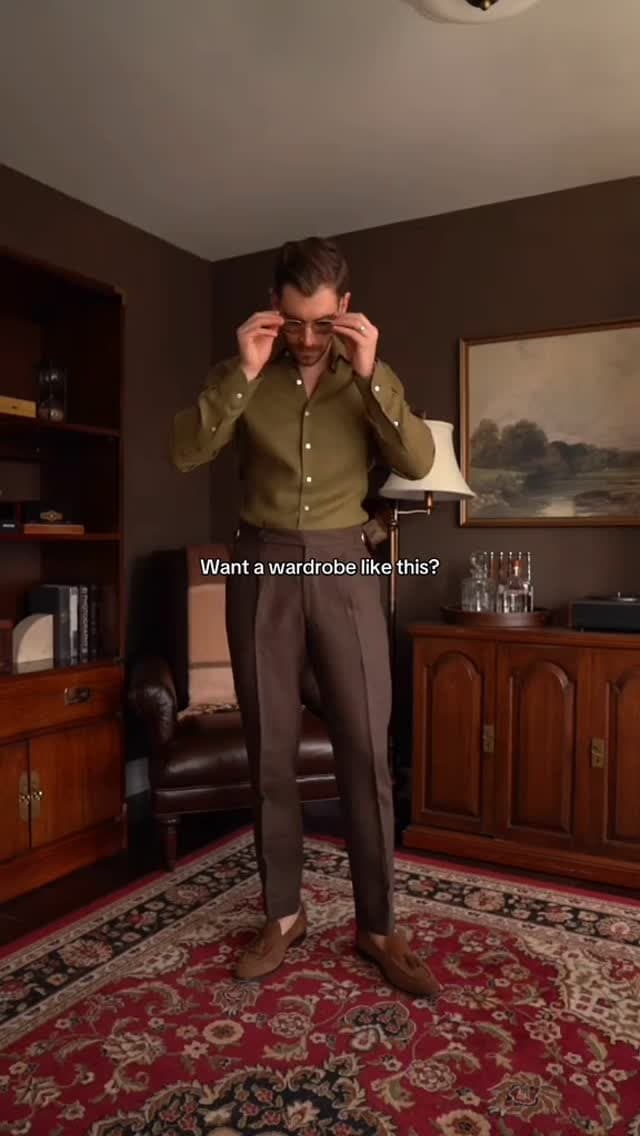
Work style depends on the office, but the principle is the same: look reliable. Avoid extremes unless your industry welcomes them. A collared shirt, chinos or dress trousers, leather shoes, and a structured layer will work in many settings.
If your office allows jeans, choose dark, clean denim with no heavy distressing. Pair it with an Oxford shirt and boots or loafers. If your office is more formal, use dress trousers, Derbies, and a blazer.
Work outfits should not distract from your competence. They should support it.
Taste improves through attention. Notice what outfits make you stand taller. Notice which colours get worn most. Notice what pieces sit unused. Notice men whose style matches your life, not just celebrities in staged photos.
Create a small folder of outfits you like. Then identify the pattern. Is it navy and white? Boots and denim? Relaxed tailoring? Minimal sneakers? Warm neutrals? Once you see the pattern, shopping becomes easier.
Do not change your whole identity every month. Build slowly. Strong personal style is repeated good decisions.
A good outfit is weakened by poor presence. Slouching, checking your phone constantly, interrupting, arriving late, or treating people badly makes the clothes matter less.
Stand with calm posture. Walk like you know where you are going. Greet people properly. Listen. Be respectful to staff. Keep your voice controlled in public spaces. Style and etiquette belong together.
The goal is not to look rich or superior. The goal is to look like a man who takes care of himself and respects the room.
Do not wait until the day of the event. Try the outfit at least two days before. Check the shirt, trousers, shoes, belt, jacket, and grooming. Sit down. Walk around. Make sure nothing pulls, slips, or feels awkward.
Steam or iron what needs it. Clean the shoes. Trim nails. Decide fragrance before leaving, not in a panic. If the event has a dress code, read it carefully and search examples if needed.
Preparation makes you look relaxed. Last-minute dressing usually looks last-minute.
After 30 days, review what changed. Which outfits worked? Which pieces did you wear most? Which compliments were specific? Which items still feel wrong?
Then choose one focus for the next month: better trousers, better shoes, smarter casual outfits, grooming, or dress codes. Do not try to fix everything at once. Style gets easier when each month has a theme.
Keep photos of your best outfits. They become your personal style manual.
You do not need to look perfect. You need to look like you care. That means clothes that fit, shoes that are clean, grooming that is handled, and outfits that make sense for the place you are going.
When you hold that standard consistently, people read you differently. More importantly, you read yourself differently. You stop feeling unprepared every time you leave the house.
If you want a quick win today, choose one outfit and fix only the weakest part. Clean the sneakers. Steam the shirt. Change the belt. Trim the neckline. Hem the trousers. Small upgrades create momentum.
Do that repeatedly and dressing well stops feeling like a mystery.
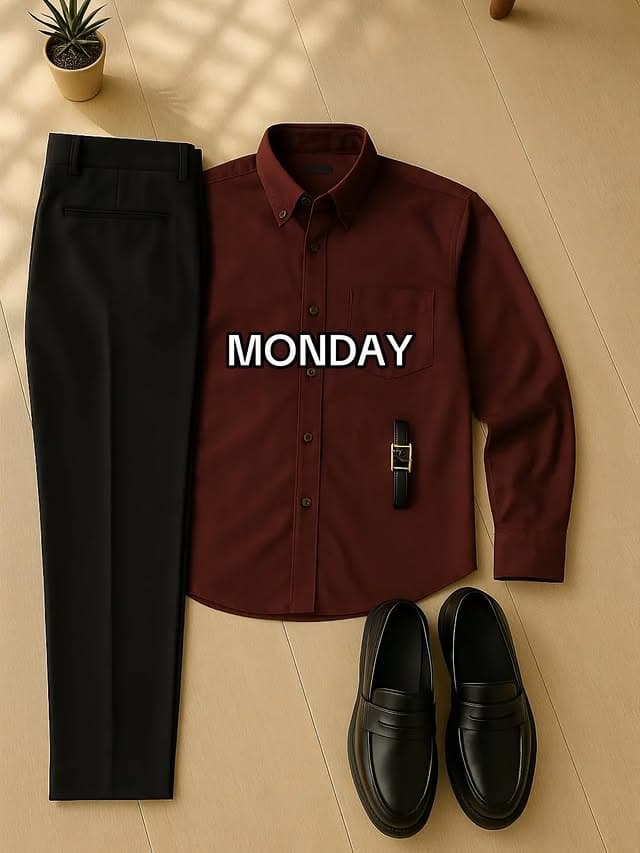
Use images as teaching tools, not decoration. Show fit differences, wardrobe flat-lays, outfit formulas, shoe comparisons, and before-and-after examples. The reader should understand the lesson faster because the image exists.
Once a week, give your wardrobe ten minutes of attention. Put shoes back in place. Remove shirts that need washing or ironing. Check collars, stains, loose buttons, stretched T-shirts, and trousers that need hemming. This sounds basic, but it prevents the morning panic that makes men grab the same weak outfit again.
Choose two reliable outfits for the week before you need them. One casual outfit and one sharper outfit is enough. For example: dark jeans, white T-shirt, overshirt, clean sneakers; then chinos, Oxford shirt, Chelsea boots, and a jacket. When a date, meeting, dinner, or family event appears, you are not starting from zero.
Dressing well becomes easier when preparation becomes normal. You do not need obsession. You need a small system you actually repeat.
Build repeatable outfit formulas, keep clothes clean, wear neutral colours, choose better shoes, and groom consistently. Daily style should be simple enough to repeat.
Fix fit first. Then shoes and grooming. These changes are more visible than buying trendy clothes.
Yes. Buy fewer pieces, choose versatile colours, use tailoring when worth it, and avoid impulse purchases. Bad buying wastes more money than affordable basics.
Wear cleaner fits, better shoes, fewer logos, controlled colours, and simple layers. Avoid both childish graphics and stiff outfits that do not match your life.
Dark jeans, a white or navy T-shirt, clean white sneakers, and a casual jacket. Make sure everything fits and the shoes are clean.
Dressing well is a skill. Start with fit, build simple formulas, upgrade shoes, groom consistently, and dress for the life you actually live.
CTA: Join From Zero to Well-Dressed and follow the 30-day style reset step by step.
Good fit is not tight fit. Good fit means the garment follows your body without fighting it. You should be able to stand, sit, walk, reach, and breathe without the fabric pulling hard across your chest, stomach, seat, or thighs. When a man says clothes never look right on him, the first problem is usually not his body. It is the size, cut, or length of the clothes.
Use this quick check before you buy anything:
If a piece passes these tests, it already looks more expensive than a badly fitted designer piece. That is why fit comes first in every Men Fashion Sense system.