Loading...
Style guides, outfit breakdowns, and deals — curated weekly for the modern Pakistani man.
12,000+ subscribers · No spam · Unsubscribe anytime
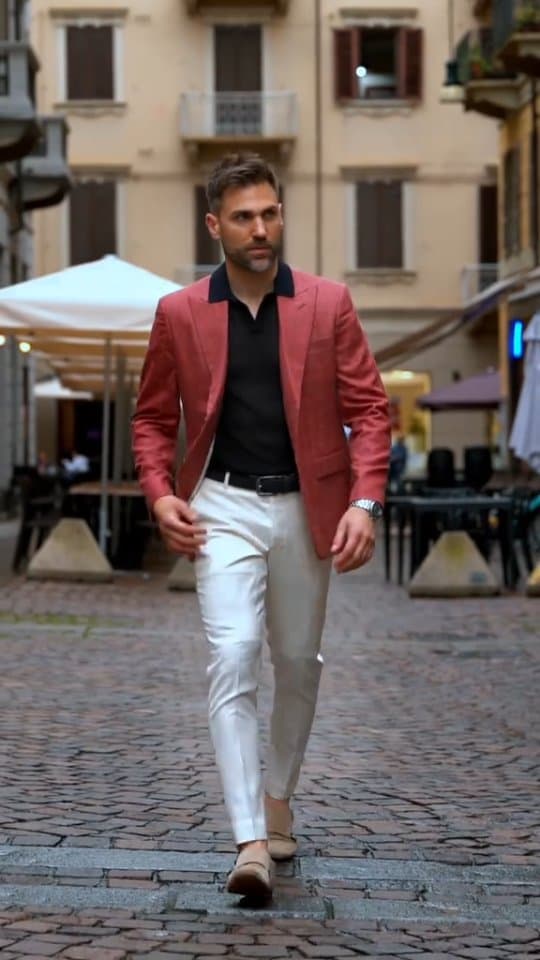
A practical Men Fashion Sense guide: Use one expressive blazer with two quiet anchors: black shirt and light trousers.
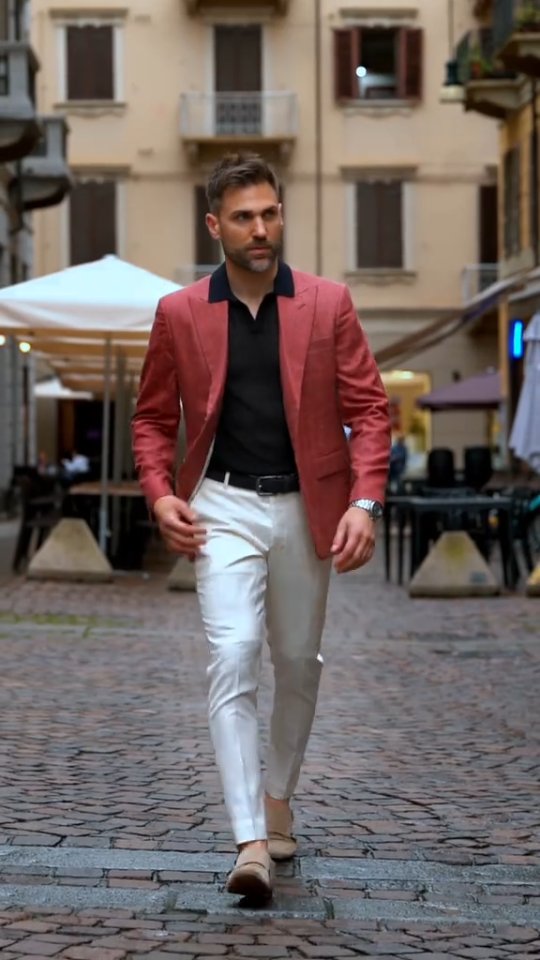
Most men do not need a bigger wardrobe first. They need clearer decisions. This outfit example gives one useful visual idea: use one expressive blazer with two quiet anchors: black shirt and light trousers. The blog version turns that single image into a repeatable rule you can use today.
The visible outfit or grooming cue is simple enough to copy, but strong enough to teach a bigger lesson. That is the point of Men Fashion Sense: use real visual examples to build better taste, not to chase random trends.
The outfit shows this: A burgundy/red blazer worn over a black open-collar shirt with white or very light trousers. The trousers are cropped or no-break and the blazer is structured but not stiff. The colour story is also clear: Burgundy, black and white create strong contrast: warm jacket, dark center line, light lower half.
That combination works because it gives the eye a simple job. One part of the look creates interest. The rest supports it. When men get style wrong, they usually make every item compete at the same time: loud top, loud shoes, loud watch, busy belt, and no clear plan. This image goes the other way. It keeps the idea focused.
The main rule is: choose one lead detail, then make every other detail quieter. The lead detail might be a blazer colour, a hairstyle, a tie, a lapel detail, a clean polo colour, or a contrast between top and trousers. But it should not be everything at once.
This guide is for the man who wants to look more intentional without dressing like he is trying too hard. Maybe your clothes are not bad, but the final outfit still feels unfinished. Maybe you own decent pieces, but you do not know how to combine them. Maybe you save outfit posts but cannot translate them into your own wardrobe.
Use this guide as a practical reference if you want a cleaner smart casual look, a better grooming standard, or a sharper colour formula. You do not need designer brands. You need fit, contrast, neat grooming, and restraint.
If you are building from zero, start with the basics in our men’s style basics and men’s wardrobe essentials. Then use this article as an example of how one visual formula becomes a real outfit system.
The core principle is controlled contrast. Contrast means difference: light against dark, structured against relaxed, warm against cool, simple clothing against a polished grooming detail. Controlled contrast means the difference is strong enough to be noticed, but not so chaotic that the outfit looks random.
In this image, the practical teaching point is: Use one expressive blazer with two quiet anchors: black shirt and light trousers. That is a rule you can repeat. When you get dressed, ask yourself:
This is how ordinary men build taste. You stop asking, “Is this fashionable?” and start asking, “Is this clear?”
Do not copy blindly. Copy the structure. The structure is what makes the look useful.
Step 1: Keep the base clean. Choose one clean shirt, polo, knit, or dress shirt. It should fit without pulling across the chest or hanging like a curtain. If it is tucked, the waistband should look tidy. If it is untucked, the hem should not swallow your legs.
Step 2: Use one strong visual choice. That might be a burgundy blazer, a tan suit, a mint polo, a groomed hairstyle, or a grey blazer with a small lapel detail. One is enough. If your top is already strong, keep the trousers quiet. If the suit colour is warm, keep shirt and tie controlled. If your hair is the upgrade, let your outfit stay simple.
Step 3: Match the formality level. Smart casual fails when the top and bottom belong to different worlds. A dressy blazer with sloppy jeans looks confused. A polished hairstyle with a stained tee still looks unfinished. A formal tie with casual shoes can work only when the whole outfit is intentionally relaxed.
Step 4: Finish with restraint. A watch, a belt, clean shoes, neat hair, and no loud logos will do more for most men than adding extra accessories.
Colour is where many men overthink. Use the 70/20/10 method. About 70 percent of the outfit should be the base colour, 20 percent should be the support colour, and 10 percent can be the accent.
For this outfit, the colour lesson is: Burgundy, black and white create strong contrast: warm jacket, dark center line, light lower half. If your colours are similar in strength, the outfit can look flat. If everything is high contrast, it can look harsh. The answer is balance.
Proportion matters too. Slim and controlled. The jacket follows the body, the shirt is tucked, and the trousers are narrow with a clean hem. The outfit image suggests that cleaner proportions make even simple clothing look considered. A tucked shirt can lengthen the leg line. Cropped or no-break trousers can make shoes feel intentional. A structured jacket can sharpen a relaxed shirt. A clean hairstyle can frame the face so the outfit feels finished.
Do not force proportions that fight your body. If you are shorter, avoid trousers that pool heavily. If you are bigger, avoid jackets that pull at the button. If you are slim, avoid clothes so oversized that your frame disappears. The goal is not to hide your body. The goal is to make the outfit sit with purpose.
For more colour help, use our men’s colour matching guide.
The image evidence for shoes is: Dark loafers or dress-casual shoes appear visible, worn with a sockless/no-show-sock look. When shoes are not fully visible, choose based on the outfit level:
Accessories should support the look. No obvious loud accessories. The strength is the colour blocking, not jewelry or logos. If you add a watch, keep it clean. If you add sunglasses, make sure they match the mood. If you add a pocket square, tie, lapel pin, or jewelry, make one of them the detail. Do not turn every accessory into a statement.
The visible grooming note is: Hair and beard appear neat; the walking pose gives confident city presence. This is why grooming belongs in style education. A clean outfit with messy hair, dry skin, poor posture, or an overloaded fragrance still feels unfinished.
Before leaving the house, check five things: hair shape, facial hair edges, collar position, visible lint, and shoe cleanliness. These take less than two minutes. They change how the whole outfit reads.
Presence also matters. Stand straight. Let the clothes sit. Do not keep adjusting everything in public. A well-dressed man does not need to perform. He needs standards.
This look fits: Smart casual dinner, city date, resort evening, creative office event; not conservative formal business. Use the room as your filter. A good outfit in the wrong room still looks wrong.
If the event is business formal, reduce relaxed details. If the event is a date, keep the outfit clean but comfortable. If the event is a daytime wedding or summer gathering, lighter colours and polished shoes can work well. If the event is a casual weekend, keep one polished detail so the outfit does not become lazy.
For a broader breakdown, read smart casual for men and men’s dress codes explained.
Mistake 1: Copying the colour but ignoring the fit. A mint polo, tan suit or grey blazer will not save an outfit if the shoulders, waist or trouser length are wrong.
Mistake 2: Adding too many “style” details. If you already have a strong colour, avoid loud shoes and loud accessories at the same time.
Mistake 3: Forgetting grooming. Especially for simple outfits, hair and skin become more noticeable.
Mistake 4: Wearing the outfit to the wrong place. Smart casual is flexible, but it is not a replacement for strict formalwear.
Mistake 5: Inventing confidence through brands. Logos do not fix poor decisions. Clean fit, colour control and neat presentation do.
If you want to build this kind of look, shop by role, not by impulse. Look for one clean top, one tailored trouser, one reliable shoe, and one finishing accessory.
Affiliate disclosure: if this article later includes product links, Men Fashion Sense may earn a commission at no extra cost to you. The recommendation should still solve the style problem first.
A practical starter list:
Yes, if it fits your lifestyle and body. But copy the formula first: one lead detail, clean base, quiet accessories, and the right formality level.
Do not guess. Choose shoes based on the setting. Loafers and clean sneakers work for smart casual. Oxfords or derbies work for formal settings. Boots work when the outfit has enough weight.
No. Expensive clothes can still look bad when the fit and colour are wrong. Spend first on fit, tailoring, shoe care and grooming.
Pick tomorrow’s outfit and remove one unnecessary detail. Then fix the hair, clean the shoes and check the trouser length. That is usually enough to look more intentional.
Before you leave, look in the mirror and ask whether the outfit can be explained in one sentence. If it cannot, simplify it. Check that the collar sits flat, the waistband is clean, the trouser hem is intentional, and the shoes match the level of the outfit. If grooming is the weak point, fix that before adding another clothing item. Style is not one dramatic purchase. It is a chain of small decisions that agree with each other.
The outfit works because it teaches a simple idea: use one expressive blazer with two quiet anchors: black shirt and light trousers. Use that rule before you shop, before you copy another outfit, and before you add more pieces to your wardrobe.
Save this as a style check: one lead detail, two quiet anchors, clean grooming, correct occasion. That is how you look put together without trying too hard.