Loading...
Style guides, outfit breakdowns, and deals — curated weekly for the modern Pakistani man.
12,000+ subscribers · No spam · Unsubscribe anytime
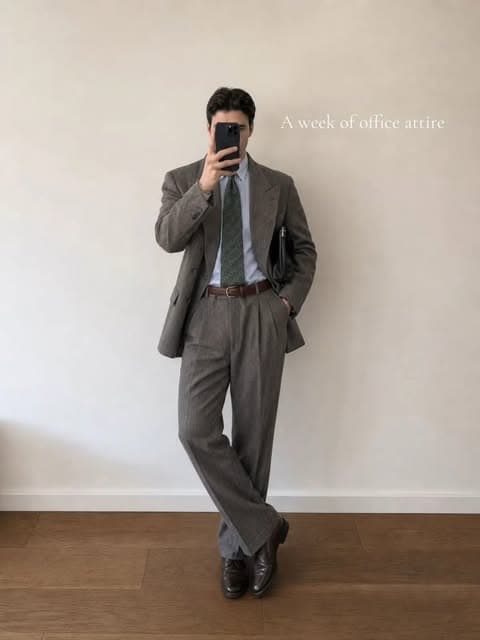
Office outfits men can rely on are simple: dress one level more intentional than the most casual person in the room, keep the fit clean, choose quiet colours, and match your shoes to the office dress code. You do not need a different look every day. You need a few repeatable formulas that make you look competent, respe
Office outfits men can rely on are simple: dress one level more intentional than the most casual person in the room, keep the fit clean, choose quiet colours, and match your shoes to the office dress code. You do not need a different look every day. You need a few repeatable formulas that make you look competent, respectful, and comfortable from the commute to the last meeting.
If your workplace uses terms like business casual, smart casual, hybrid office, client-ready, or casual Friday, start with the broader men's dress codes explained pillar. This guide turns those rules into practical office outfits you can actually wear.
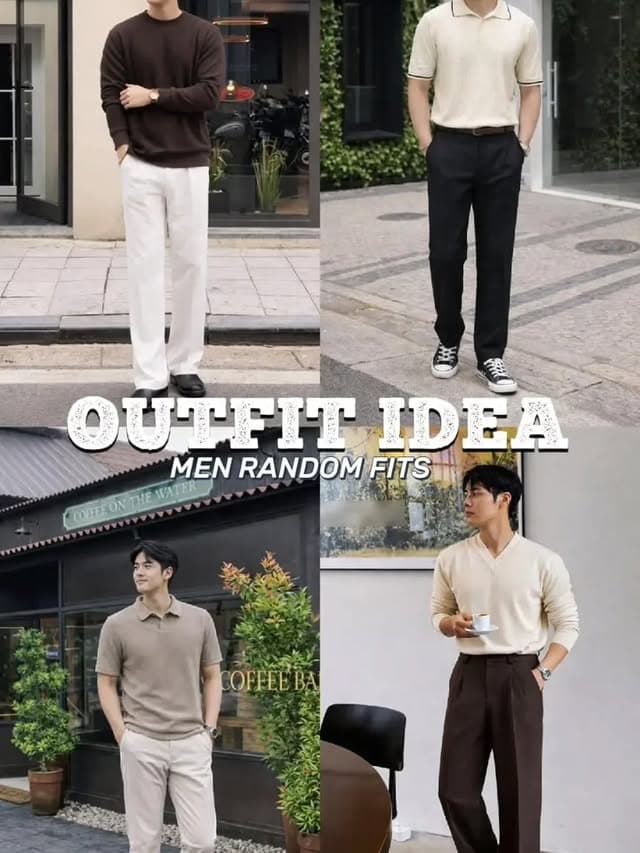
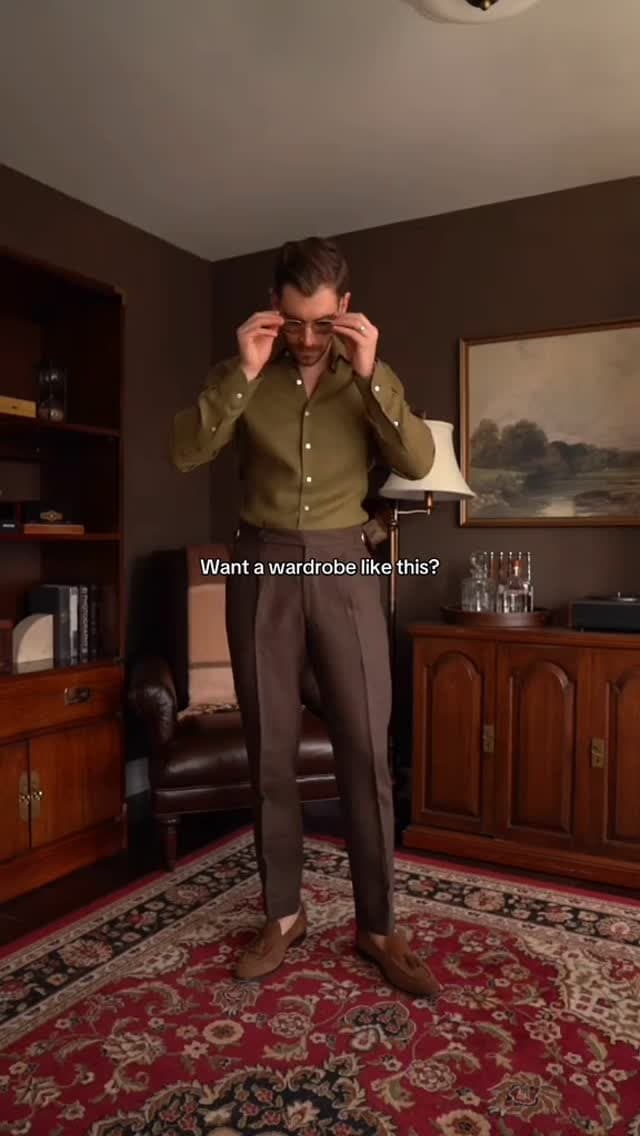
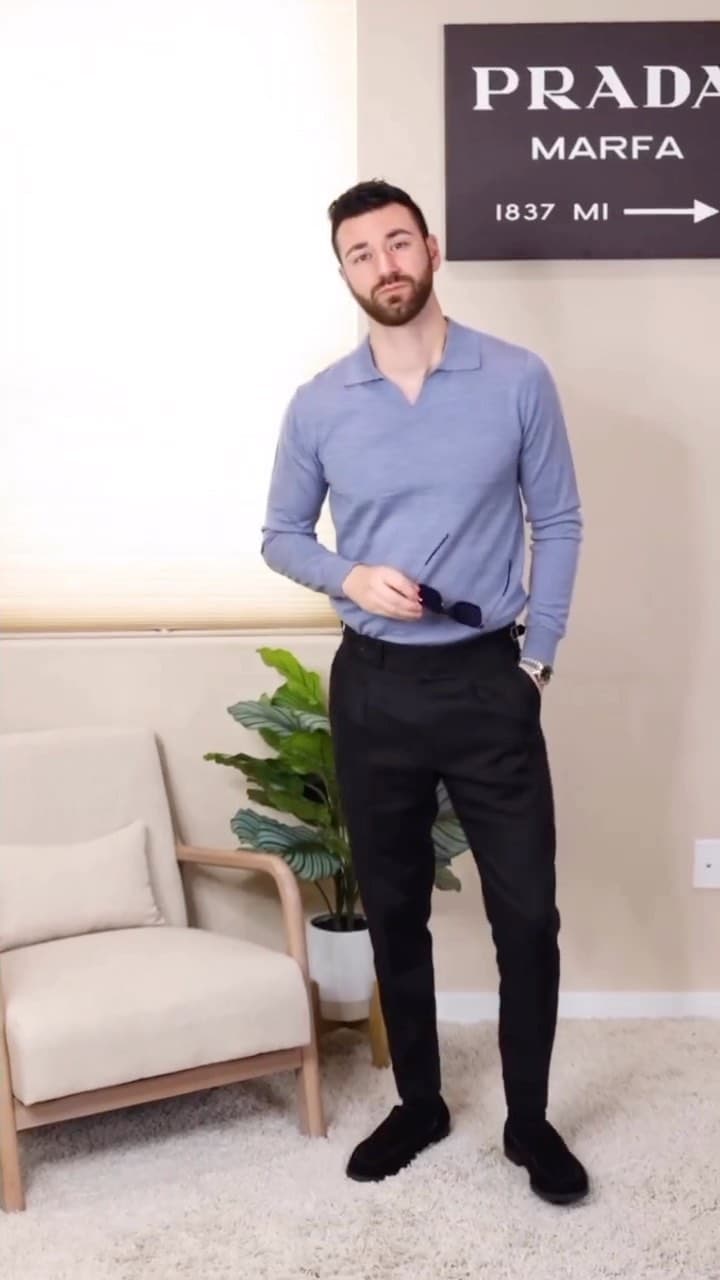
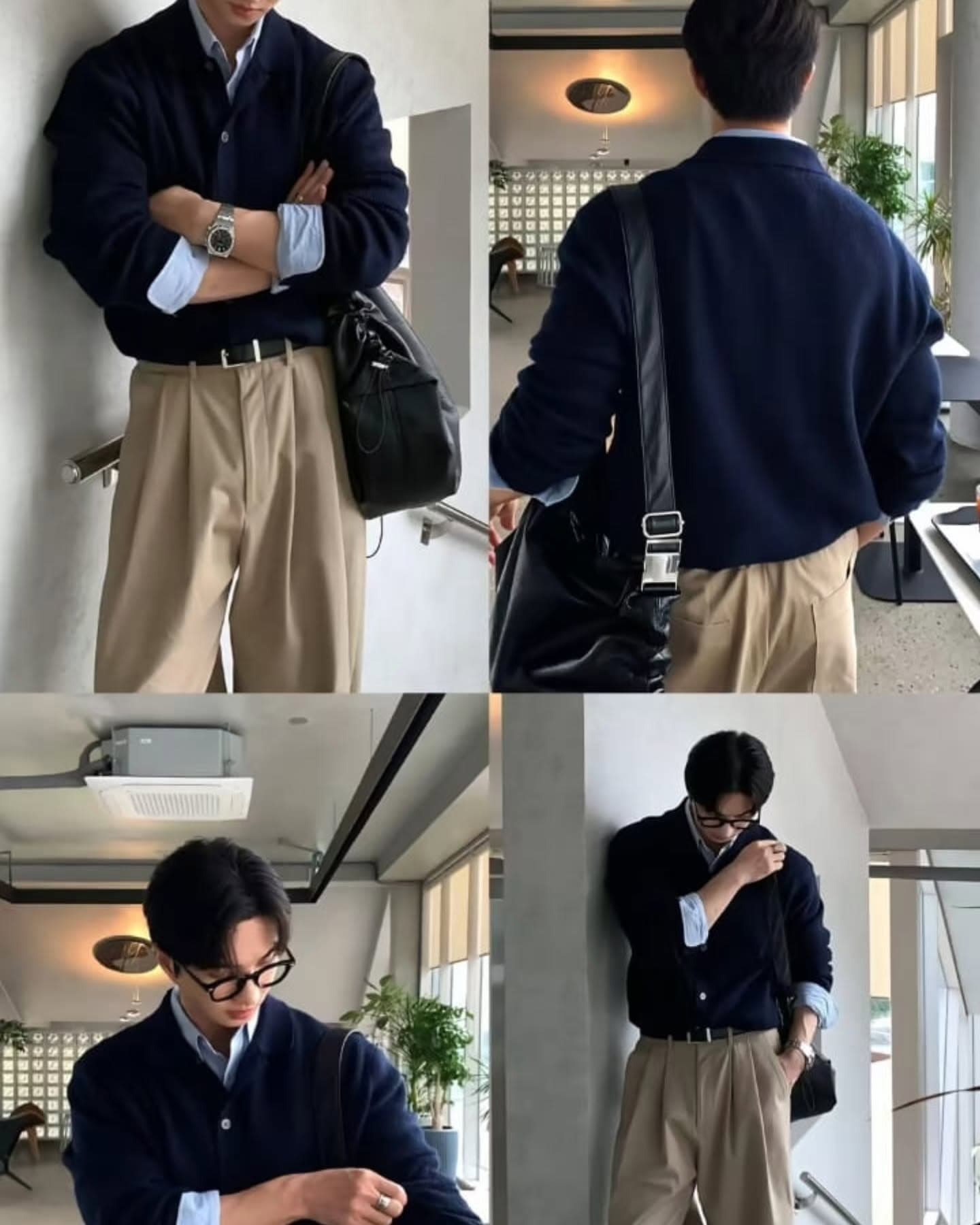
Image direction: Premium editorial office outfit grid with four men in realistic workplace settings: business casual shirt and chinos, smart casual knit polo and trousers, blazer with open-collar shirt, and casual Friday overshirt with dark jeans. Neutral office background, navy, white, grey, beige, charcoal, brown leather, no visible logos.
Alt text: Office outfits men can wear, showing shirts, chinos, trousers, loafers, sneakers, and smart layers for different workplace dress codes.
The safest office outfit for most men is a light blue or white Oxford shirt, navy or charcoal chinos, brown leather belt, brown loafers or derbies, and a navy blazer or fine knit layer when the room is more formal. If your office is relaxed, swap the blazer for an overshirt or merino sweater and keep the shoes clean. If clients, executives, interviews, or presentations are involved, add structure: pressed shirt, tailored trousers, leather shoes, and a jacket.
Use this simple office scale:
| Office level | Outfit formula | Best shoes |
|---|---|---|
| Casual office | Polo or Oxford shirt + dark jeans or chinos + overshirt | Minimal white sneakers, desert boots |
| Smart casual office | Oxford shirt or knit polo + tailored chinos + cardigan or chore jacket | Loafers, Chelsea boots |
| Business casual office | Dress shirt + wool trousers or pressed chinos + blazer | Derbies, loafers, monk straps |
| Formal office | Suit or separate jacket and trousers + dress shirt | Oxfords, derbies |
The goal is not to look overdressed for attention. The goal is to look prepared.
Office dress codes are about trust. Your outfit tells people whether you understand the room, respect the work, and know how to present yourself around colleagues, clients, and leadership.
Most modern offices sit between casual and business casual. That does not mean anything goes. It means you have more freedom, but the basic standards still matter: clean clothes, correct fit, pressed fabric, neat shoes, controlled fragrance, and no distracting logos.
A casual office usually allows jeans, sneakers, polos, T-shirts, overshirts, and knitwear. The danger is looking like you are dressed for errands instead of work.
Keep casual office outfits sharp by choosing:
A strong casual office outfit: white heavyweight T-shirt, navy overshirt, dark indigo jeans, clean white sneakers, simple watch.
Smart casual is the middle ground. It is relaxed but still polished. If you are unsure what your office expects, smart casual is usually the safest lane. For a deeper dress-code breakdown, read smart casual men.
Use collared shirts, knit polos, merino sweaters, chinos, tailored trousers, loafers, clean boots, and simple jackets. Avoid anything that looks like gym wear, beach wear, nightclub wear, or weekend loungewear.
A strong smart casual outfit: light blue Oxford shirt, beige chinos, brown loafers, navy merino sweater.
Business casual means no full suit is required, but you should still look business-ready. It usually means dress shirts, chinos, wool trousers, blazers, leather shoes, and restrained colours. If your workplace or industry uses this term often, pair this page with business casual men.
A strong business casual outfit: white dress shirt, charcoal trousers, brown derbies, navy blazer, brown belt.
Some offices still expect suits, especially in law, finance, consulting, senior leadership, luxury retail, and client-facing roles. Formal office dressing is not complicated: wear a suit that fits, a clean dress shirt, leather dress shoes, and a tie when the environment expects it.
A strong formal office outfit: navy suit, white shirt, dark brown oxfords, navy tie, white pocket square folded simply.
Build office outfits from the inside out. Do not start with a random jacket or statement shoe. Start with the dress code, then use this formula.
Ask what the day requires:
When in doubt, dress slightly sharper than necessary. It is easier to remove a blazer than to fix an outfit that is too casual.
Your base is usually a shirt plus trousers. Keep it simple.
Good bases:
Bad bases:
Structure makes an outfit feel more professional. The easiest structure pieces are blazers, overshirts, chore jackets, cardigans, and fine-gauge sweaters.
A blazer makes chinos and a shirt client-ready. A merino sweater makes an Oxford shirt look finished. An overshirt makes jeans look more intentional. Choose the layer based on the room, not just the weather.
Shoes are where many office outfits fail. The shoes should match both the trousers and the dress code.
If your office allows sneakers, keep them minimal and clean. If your office expects leather shoes, polish them before they look tired.
Start with shirts that work across several dress codes:
Fit rule: the shoulder seam should sit at your shoulder edge, the chest should not pull, and the shirt should not balloon at the waist. For detailed fit rules, use men's style basics after this page.
Your trousers decide whether the outfit looks professional or sloppy.
Best office pants for men:
The hem should touch the top of the shoe with little or no break. If trousers pool over your shoes, the outfit looks unfinished even when the rest is good.
Own fewer shoes, but make them useful.
A practical office shoe rotation:
Match belt and leather colour when the outfit is business casual or formal. The match does not need to be perfect, but black shoes with a bright tan belt usually looks accidental.
Office layers should add shape, warmth, and authority without making you look stiff.
Useful layers:
Avoid bulky hoodies under blazers, shiny bomber jackets in serious offices, and technical outdoor jackets during meetings unless the weather truly requires it.
Wear a light blue Oxford shirt, navy chinos, brown belt, and brown loafers. Add a navy sweater if the office is cold. This is simple, repeatable, and hard to get wrong.
Why it works: the colours are calm, the collar gives structure, and the loafers make the chinos look more professional.
Wear a white T-shirt, navy overshirt, dark jeans, and clean white sneakers. Keep the T-shirt plain and the jeans dark.
Why it works: it respects the casual tone without looking like weekend errands.
Wear a white dress shirt, charcoal trousers, navy blazer, and dark brown derbies. Add a simple watch and skip loud accessories.
Why it works: the outfit communicates preparation without requiring a full suit.
Wear a light blue shirt, navy blazer, grey trousers, and brown loafers or derbies. If the presentation is formal, wear a tie.
Why it works: the jacket frames your upper body and makes you look more composed while speaking.
Wear a navy suit or navy blazer with charcoal trousers, white shirt, dark leather shoes, and a restrained belt. If the company is very casual, you can remove the tie, but do not remove the polish.
Why it works: interviews are about trust. It is better to look slightly more serious than slightly careless.
Wear a knit polo, tailored trousers, loafers, and a suede or wool jacket. Keep fragrance controlled and avoid shirts that look like clubwear.
Why it works: you look social without forgetting that colleagues are still colleagues.
If the event is connected to work, dress more conservatively than you would at a friend's party. A navy suit, white shirt, and dark shoes are safe. For event dress codes beyond work, read wedding guest outfit men.
Running shoes make most office outfits look unfinished. If you want comfort, choose minimal leather sneakers, loafers with cushioned insoles, or derbies with a comfortable sole.
Too much fabric at the ankle makes even good trousers look cheap. Get chinos and trousers hemmed. It is one of the highest-return alterations a man can make.
A designer hoodie can still be wrong for a client meeting. A simple Oxford shirt and chinos can be perfect. Office style is about context, not price.
If buttons pull at the chest or stomach, size up or change the cut. Tight clothes do not look sharper. They look uncomfortable.
If the shirt billows around your waist, tuck it properly, try a slimmer cut, or tailor the sides. Loose fabric kills the shape of an office outfit.
Messy hair, untrimmed nails, dry shoes, and too much fragrance can ruin a strong outfit. You do not need a complicated routine, but you do need basic maintenance.
You may feel like wearing a hoodie, but a client meeting may require a blazer. Style is not only self-expression. At work, it is also communication.
If you want a low-stress office wardrobe, start here:
This list gives you dozens of combinations without buying random statement pieces. If you are rebuilding more broadly, use men's wardrobe essentials to plan what to buy first.
Use this if you hate deciding what to wear every morning.
| Day | Outfit | Use when |
|---|---|---|
| Monday | White Oxford + navy chinos + brown loafers + navy blazer | Start the week sharp |
| Tuesday | Knit polo + grey trousers + loafers | Smart but comfortable |
| Wednesday | Light blue shirt + charcoal trousers + derbies | Meetings or presentations |
| Thursday | Merino sweater + Oxford shirt + beige chinos + Chelsea boots | Cooler weather |
| Friday | Plain T-shirt + overshirt + dark jeans + white sneakers | Casual office day |
Repeat outfits without embarrassment. Well-dressed men repeat good formulas. The trick is keeping everything clean, pressed, and well-fitted.
Men Fashion Sense Editorial Team is run by menswear educators who turn outfit examples, grooming standards, and etiquette lessons into practical guides for everyday men. Our advice prioritizes fit, repeatable outfit formulas, respectful presentation, and realistic budgets over hype or luxury flexing.
For workplace dress code research, see Indeed: Business Casual Attire Guide. Use external resources as context, then apply the Men Fashion Sense checklist to your own body, budget, climate, and daily routine.
Most men should wear an Oxford shirt or knit polo, chinos or tailored trousers, clean leather shoes or minimal sneakers, and a simple layer such as a blazer, merino sweater, or overshirt. Adjust the formality based on your office.
Jeans are okay only if your office is casual. Choose dark indigo or black jeans with no rips, no heavy fading, and little stacking at the ankle. Pair them with a collared shirt, overshirt, blazer, Chelsea boots, loafers, or clean sneakers.
A reliable business casual outfit is a white or light blue shirt, navy or charcoal trousers, brown belt, brown derbies or loafers, and a navy blazer. It is sharp enough for meetings but not as formal as a suit.
Yes, if the office allows casual or smart casual dressing. Choose minimal leather sneakers in white, black, grey, or navy. Avoid running shoes, basketball shoes, dirty sneakers, and loud colours unless your workplace is very creative.
Most men need five strong formulas, not thirty separate outfits. Build around two shirts, two chinos, two trousers, one blazer, one sweater, one overshirt, one sneaker, and two leather shoes. You can repeat combinations weekly.
The safest office colours are navy, white, light blue, grey, charcoal, beige, brown, olive, and black. These colours mix easily, look mature, and avoid unnecessary distraction.
Wear a tie if your office is formal, if senior leaders expect it, or if the meeting is serious enough to require a full suit. In many modern business casual offices, a blazer and open-collar shirt are enough.
Keep the outfit casual but controlled: plain T-shirt or polo, dark jeans or chinos, clean sneakers or loafers, and a structured overshirt or chore jacket. Avoid wrinkled clothes, gym wear, slides, loud graphics, and messy grooming.
Before leaving for work, check five things:
If you want the next step, join the Men Fashion Sense newsletter for weekly outfit formulas, mistake fixes, and shopping priorities. Then start the Style Academy foundations module so you can understand fit, colour, dress codes, grooming, and presence as one complete system.