Loading...
Style guides, outfit breakdowns, and deals — curated weekly for the modern Pakistani man.
12,000+ subscribers · No spam · Unsubscribe anytime
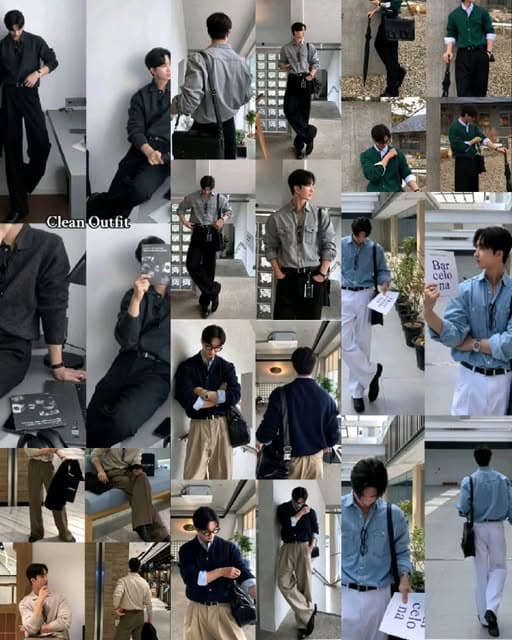
Learn how to wear Korean loose-clean formal outfits with oversized blazers, wide trousers, shirts, loafers, neutral colours, and smart proportion rules.
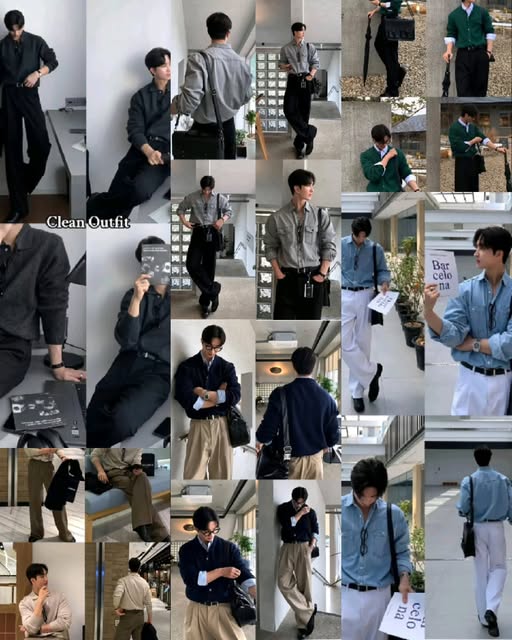
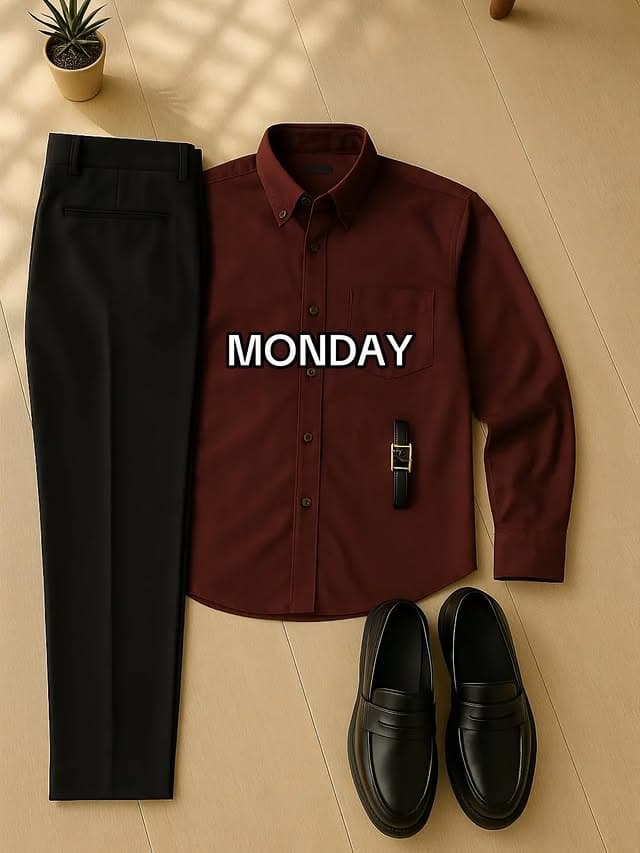
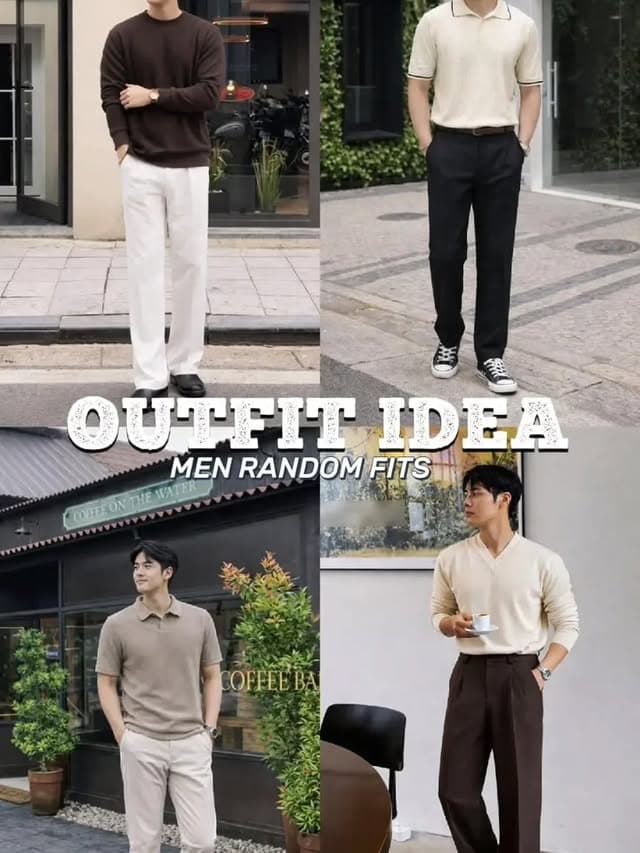
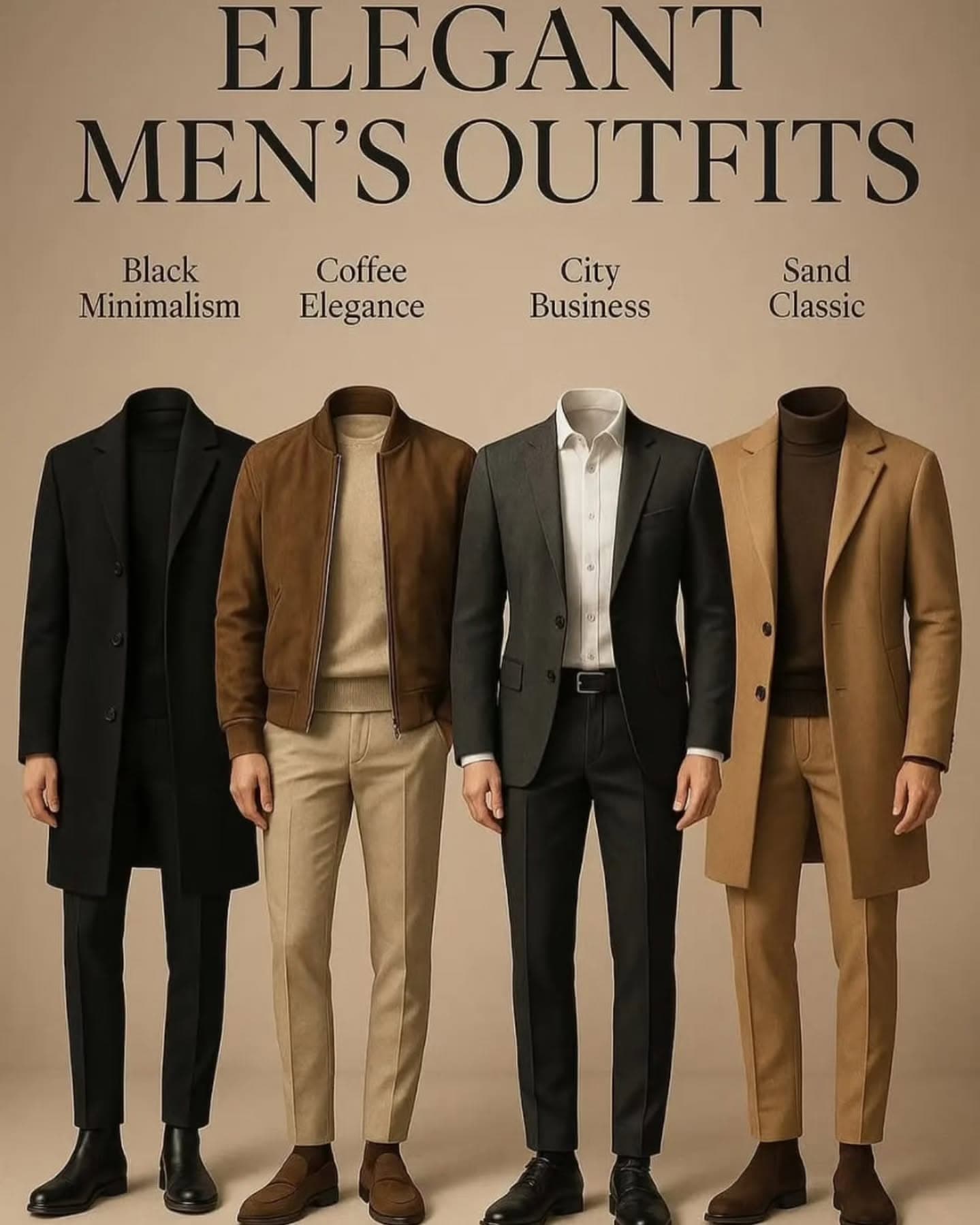
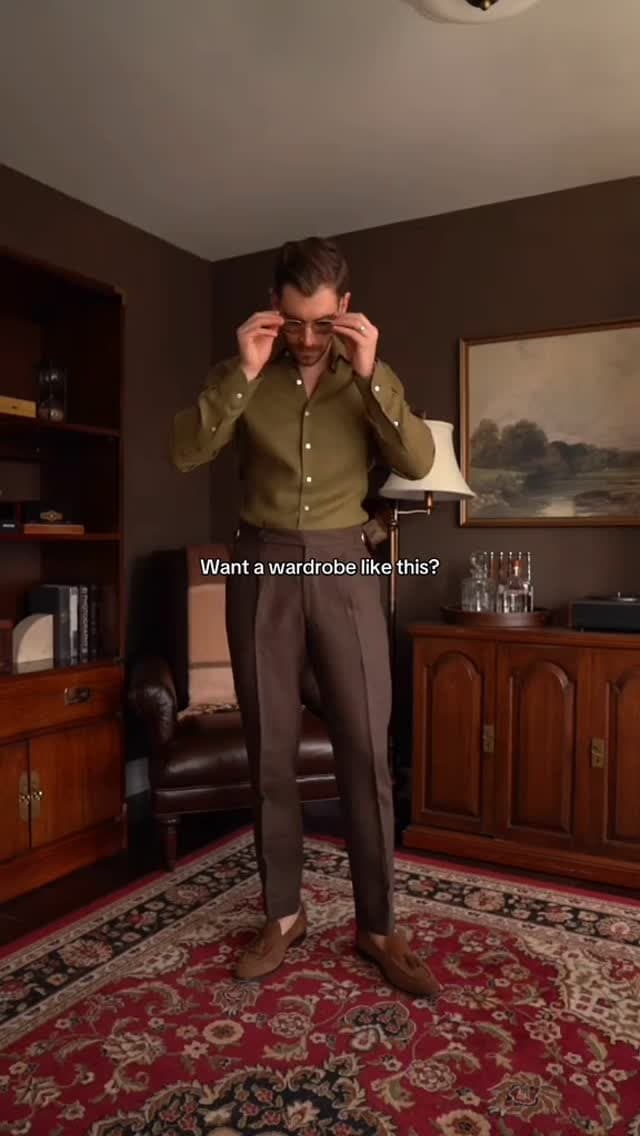
Most men see loose Korean outfits and make one of two mistakes. They either copy the oversized shape with no structure, or they avoid the look completely because they think relaxed clothing cannot look mature. The outfit example gives the visual idea: loose style can look clean, formal, and modern when the proportions are controlled. This article turns that idea into rules you can actually use.
The outfit gives the quick visual idea. This guide gives you the rules behind it: fit, colour, shoes, accessories, body adjustments, shopping priorities, and the mistakes that make a good idea look unfinished.
Caption-derived idea from the outfit:
The deeper lesson is not to copy every outfit exactly. The lesson is to understand the system. Once you understand the system, you can use what you already own, shop with more discipline, and stop depending on random inspiration every morning.
This guide is for the man who wants to look sharper without becoming obsessed with fashion. Maybe you work in an office, go on dates, meet clients, attend dinners, or simply want your daily outfits to look more adult. You do not need designer pieces for that. You need fit, repeatable colours, clean shoes, and better decisions.
It is also for the man who saves outfit posts but still feels confused in front of the wardrobe. Instagram shows the result. It rarely explains the method. The method is what matters. A normal man should be able to look at an outfit and know why it works: the shoulder line is right, the trousers have the correct length, the colours sit together, and the shoes match the message.
The core principle is relaxed shape plus clean control. The clothes can have room, but they cannot look random. A wider blazer still needs a shoulder line. Wide trousers still need a clean break. A loose shirt still needs a collar that sits properly. The outfit works when comfort is balanced by tailoring, neutral colour, and shoes that sharpen the look.
Think of every outfit in three checks:
If you pass those three checks, you are already ahead of most men. If one check fails, the outfit will feel off even if the individual items are good.
Use these formulas when you want the Korean-inspired look without looking like you borrowed clothes that are too big.
Start with the stated combination, then check the details. The shirt should skim the body without pulling at the buttons. The trousers should sit cleanly at the waist and avoid heavy stacking at the ankle. If the outfit feels too plain, add one quiet accessory: a watch, a leather belt, or a clean pair of sunglasses when the setting makes sense. Do not add three statement pieces. The strength of this look is control.
Start with the stated combination, then check the details. The shirt should skim the body without pulling at the buttons. The trousers should sit cleanly at the waist and avoid heavy stacking at the ankle. If the outfit feels too plain, add one quiet accessory: a watch, a leather belt, or a clean pair of sunglasses when the setting makes sense. Do not add three statement pieces. The strength of this look is control.
Start with the stated combination, then check the details. The shirt should skim the body without pulling at the buttons. The trousers should sit cleanly at the waist and avoid heavy stacking at the ankle. If the outfit feels too plain, add one quiet accessory: a watch, a leather belt, or a clean pair of sunglasses when the setting makes sense. Do not add three statement pieces. The strength of this look is control.
Start with the stated combination, then check the details. The shirt should skim the body without pulling at the buttons. The trousers should sit cleanly at the waist and avoid heavy stacking at the ankle. If the outfit feels too plain, add one quiet accessory: a watch, a leather belt, or a clean pair of sunglasses when the setting makes sense. Do not add three statement pieces. The strength of this look is control.
Start with the stated combination, then check the details. The shirt should skim the body without pulling at the buttons. The trousers should sit cleanly at the waist and avoid heavy stacking at the ankle. If the outfit feels too plain, add one quiet accessory: a watch, a leather belt, or a clean pair of sunglasses when the setting makes sense. Do not add three statement pieces. The strength of this look is control.
Start with the stated combination, then check the details. The shirt should skim the body without pulling at the buttons. The trousers should sit cleanly at the waist and avoid heavy stacking at the ankle. If the outfit feels too plain, add one quiet accessory: a watch, a leather belt, or a clean pair of sunglasses when the setting makes sense. Do not add three statement pieces. The strength of this look is control.
Do not use body type as an excuse to dress badly. Use it as information. Your goal is not to hide your body. Your goal is to create better proportion.
If you are shorter, keep the trouser break clean. Avoid long shirts that cut your legs in half. Matching similar tones from top to bottom can help you look taller because the eye travels without interruption.
If you are broad or bigger, avoid thin fabric that clings. Choose cloth with enough weight to drape. Straight trousers, overshirts, structured collars, and darker neutrals can help, but the real upgrade is wearing the correct size.
If you are slim, use layers. A shirt over a tee, cardigan over a shirt, blazer over knitwear, or overshirt over a polo can add shape without forcing tight clothes.
If you are athletic, do not size everything down just because it fits over the muscle. Pulling buttons, tight thighs, and short sleeves make the outfit look less mature. Clothes should show shape without looking strained.
Start with neutrals: white, cream, beige, grey, navy, black, olive, and brown. These colours are not boring. They are useful. They let the fit and silhouette do the work.
Use this beginner colour formula:
For example, white with navy works because the contrast is clean. Beige with navy feels relaxed but still smart. Grey with black looks modern. Olive with cream feels softer and more casual. When you are unsure, remove one colour instead of adding another.
Proportion is just as important. If the top has volume, the bottom should look intentional. If the trousers are wider, the shoe needs enough weight. If the whole outfit is slim, make sure it does not look tight. Good style is not about one exact fit. It is about balance.
Shoes decide the formality. Clean white sneakers make the outfit casual. Loafers make it smarter. Derby shoes or Chelsea boots add structure. Minimal leather sandals can work in warm weather, but only when the outfit is clearly casual and clean.
A belt should usually match the shoe family. Brown belt with brown loafers. Black belt with black shoes. If you are wearing sneakers, a simple woven or minimal leather belt can work. Do not let a loud belt buckle become the first thing people notice.
Accessories should be controlled. A classic watch is enough for most outfits. If you add a bracelet or chain, keep it simple. The point is to finish the outfit, not decorate it until it loses focus.
A good shirt in the wrong size is still a bad outfit. Check the shoulder seam, sleeve length, chest pulling, and shirt length. Trousers should not collapse into a pile at the shoe.
Wrinkled clothes and dirty shoes make the outfit look careless. Iron or steam shirts. Wipe shoes. Replace dead laces. These are small actions with a big visual return.
An outfit for a city coffee date may not work for a conservative office. A relaxed Korean fit may need cleaner shoes to work at dinner. A casual office look still has to respect your workplace.
Most men do not need more random clothes. They need to learn how the pieces connect. Before shopping, write down three outfits you can create with the item. If you cannot build three, wait.
Affiliate disclosure: if this article later includes affiliate links, Men Fashion Sense may earn a commission at no extra cost to you. Only buy what solves a real wardrobe problem.
Useful shopping priorities:
Spend first on fit and versatility. A cheaper shirt that fits well is better than an expensive shirt that pulls at the chest. A neutral trouser you wear weekly is better than a bold piece that sits untouched.
Build this outfit idea into a stronger wardrobe by reading the foundation guides: start with the men’s style basics, then use the men’s wardrobe essentials to decide what to buy first, and check the smart casual guide for men when the outfit needs to work for dinners, dates, office days or weekends.
Yes. The formula matters more than the brand. Start with neutral shirts, clean trousers, and one good pair of shoes. Tailoring and cleanliness will make budget clothes look much better.
White and navy is the safest. Light blue and beige is also easy. Grey and black works when you want something modern. Keep brown shoes for softer outfits and black shoes for sharper ones.
For office and smart casual settings, usually yes. A tucked shirt with a proper belt looks cleaner. For relaxed outfits, an untucked shirt can work if the length ends around mid-fly and does not cover too much of the leg.
One or two is enough. A watch plus a belt already counts. Add sunglasses, a bracelet, or a chain only if it supports the outfit.
Fit, fabric condition, colour control, clean shoes, and grooming. Expensive logos cannot fix a wrinkled shirt, bad trouser length, or dirty sneakers.
Use The outfit example as inspiration, but use the rules as your daily system. Check fit first. Keep colours calm. Match the shoes to the situation. Fix wrinkles and grooming before you worry about luxury brands.
Save this guide and pick one formula to wear this week. If it works, repeat it with a different shirt, trouser, or shoe. That is how a man builds style step by step.