Loading...
Style guides, outfit breakdowns, and deals — curated weekly for the modern Pakistani man.
12,000+ subscribers · No spam · Unsubscribe anytime
Build a reliable men’s wardrobe with 20 essential pieces: shirts, jeans, chinos, shoes, outerwear, accessories, and grooming basics.
Affiliate disclosure: this article is naturally product-led. If affiliate links are added, place them only on useful essentials that solve the reader’s wardrobe problem, and disclose clearly before the first link.
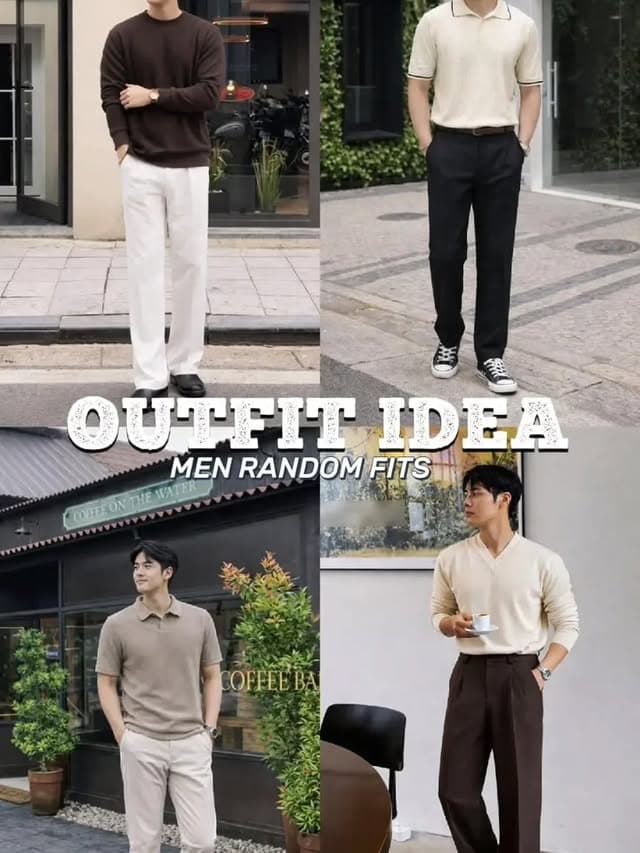
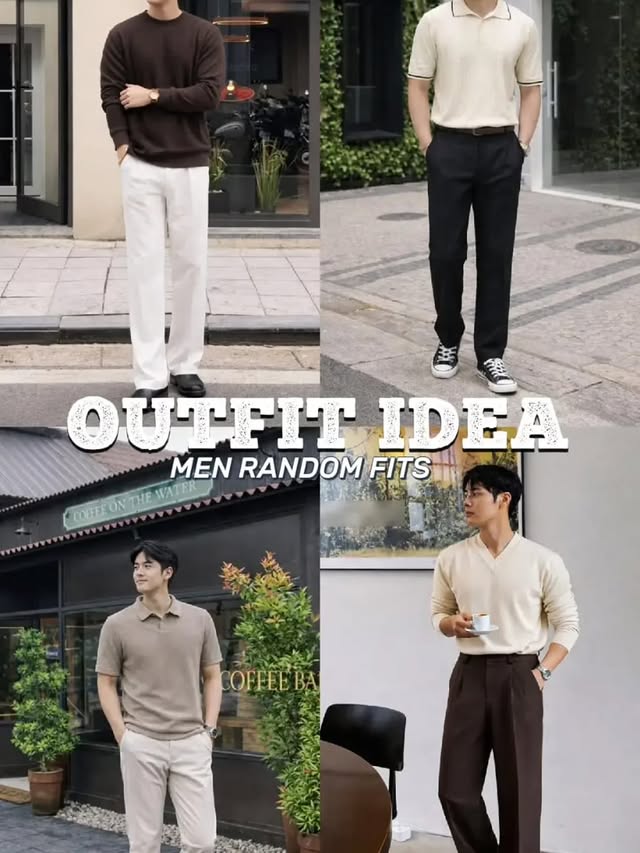
Men’s wardrobe essentials are the pieces that make getting dressed easier: Oxford shirts, T-shirts, polos, jeans, chinos, tailored trousers, a navy blazer, useful outerwear, clean sneakers, boots, loafers, belts, a watch, and grooming basics. Start with versatile colours and reliable fit before buying statement items.
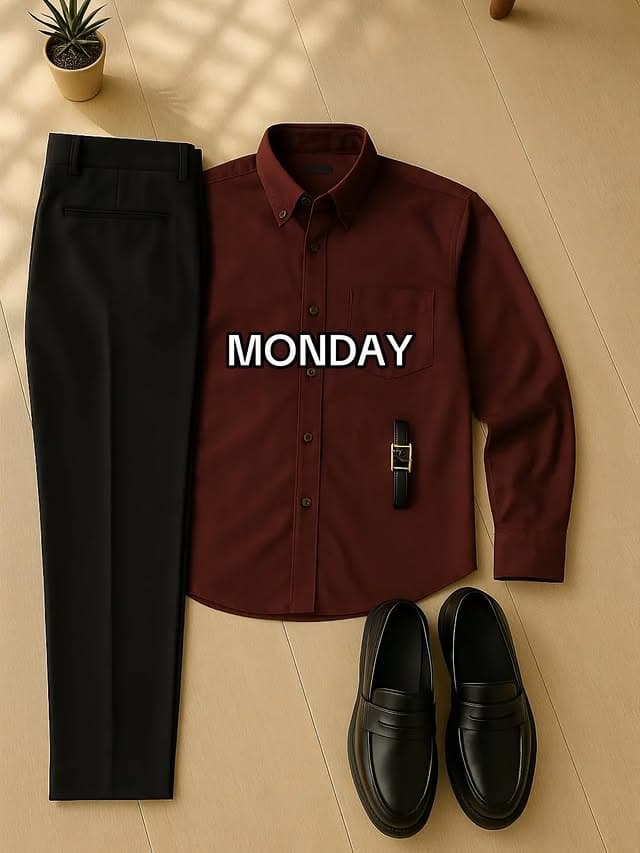
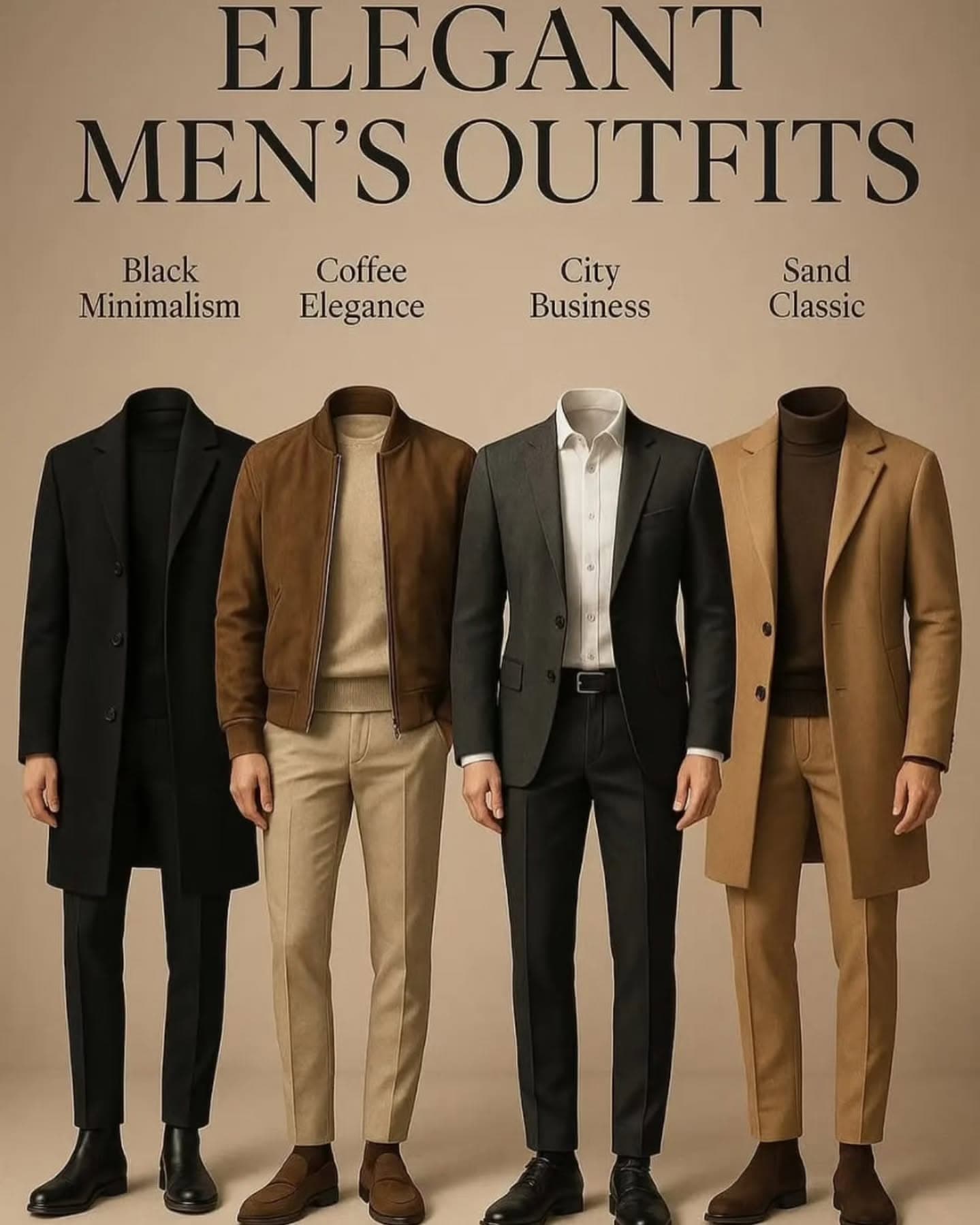
Men Fashion Sense image reference: Topic-matched visual for Men’s Wardrobe Essentials: 20 Pieces Every Man Should Own.
Most men do not need more clothes. They need clothes that work together. A smaller wardrobe with connected pieces gives you more outfits than a full closet of random purchases.
The goal is not to dress the same every day. The goal is to remove confusion. If your shirts work with your trousers, your shoes match your level of formality, and your colours stay in the same family, getting dressed becomes simple.
Build around navy, white, grey, denim, olive, camel, brown, and black. These colours are not boring. They are useful.
A white Oxford shirt is one of the most useful pieces a man can own. It works with jeans, chinos, dress trousers, blazers, sweaters, and casual jackets. It can look relaxed with sleeves rolled or polished under a blazer.
Look for a collar that stands well, fabric that is not transparent, and a fit that closes without pulling. If the body is too wide, consider tailoring.
Light blue is softer than white and often easier for everyday wear. It pairs with navy, grey, khaki, olive, brown, and denim.
This is a strong work shirt, date shirt, and smart casual shirt. If you hate dressing up, this is the shirt that helps you look intentional without feeling stiff.
White T-shirts are basics, but they must be clean and well-fitted. Replace them when the collar stretches, the underarms stain, or the fabric becomes thin.
Wear them with jeans and sneakers, under overshirts, under jackets, or with chinos in summer. Avoid deep necklines if you want a mature look.
Dark T-shirts are forgiving and versatile. Navy and charcoal are easier than pure black for many men because they pair well with denim, chinos, and casual jackets.
Choose heavyweight or midweight cotton if thin shirts cling too much.
A polo is the middle ground between a T-shirt and a button-up shirt. It works for summer dinners, casual Fridays, travel, and smart casual events.
The collar should sit properly. The sleeves should not flare. The body should skim. Navy, white, olive, and grey are the safest colours.
A fine knit sweater in navy, grey, camel, or charcoal adds maturity. Wear it over a T-shirt or Oxford shirt, under an overcoat, or with chinos and boots.
Avoid bulky knits if you need a cleaner silhouette. Use texture when the outfit feels too plain.
Dark indigo jeans are the cleanest beginner denim. They can go casual with sneakers or sharper with Chelsea boots. Avoid heavy distressing when building a foundation wardrobe.
Start with straight or slim-straight. The hem should touch the shoe cleanly without heavy stacking.
Chinos are more polished than jeans but less formal than dress trousers. Grey and navy work with almost everything.
Use them for smart casual outfits, work, dates, and dinners. Make sure the thigh has room and the hem is clean.
A lighter chino gives your wardrobe contrast. It pairs well with navy, white, olive, denim shirts, and brown shoes.
Do not let khakis become sloppy. The fit and shoe choice decide whether they look sharp or like old office uniform.
Dress trousers are not only for suits. Grey wool trousers with a knit polo, Oxford shirt, or blazer can look excellent.
They give you a dressier option for dinners, work events, weddings, and situations where jeans feel too casual.
A navy blazer is the easiest jacket for men. It sharpens jeans, chinos, and trousers. Wear it with a white shirt, light blue shirt, knit, or clean T-shirt depending on the setting.
Fit matters. Shoulders should be correct. The body should button without pulling. Sleeves can be tailored.
A casual jacket gives shape to simple outfits. Choose denim, suede-look, chore jacket, Harrington, bomber, or overshirt depending on your style.
Neutral colours are best: navy, olive, tan, brown, grey.
Cold weather ruins many outfits because men throw on any jacket. A clean overcoat, wool coat, or structured winter jacket keeps the outfit mature.
Camel, navy, charcoal, and black are safest.
White leather sneakers are clean, modern, and versatile. Wear them with jeans, chinos, and some smart casual outfits.
Keep them clean. Dirty white sneakers quickly become the weakest part of the outfit.
Chelsea boots make casual outfits sharper. They work with dark jeans, chinos, wool trousers, knitwear, and overcoats.
Brown suede or leather is versatile. Black is dressier and sharper but less warm.
Loafers are excellent for smart casual and warm weather. Derbies are better if you want a more traditional work shoe.
Start with brown if your wardrobe is mostly navy, grey, denim, olive, and khaki. Choose black if your work environment is more formal.
A belt should support the outfit quietly. Match it to your shoes in dressier outfits. Avoid oversized buckles when building a classic wardrobe.
A watch is not mandatory, but it adds polish. Choose a clean dial and a strap that matches your wardrobe. Avoid giant cases if they overpower your wrist.
A scarf, beanie, or gloves can improve winter outfits if the colours are controlled. Navy, charcoal, camel, olive, and grey work best.
Your wardrobe is not complete if grooming is ignored. Keep cleanser, moisturizer, sunscreen, deodorant, fragrance, nail clippers, beard tools if needed, and a lint roller.
If your budget is tight, buy based on use. Start with the items you will wear every week: T-shirts, Oxford shirt, dark jeans, chinos, sneakers, and grooming basics.
Next, add Chelsea boots, a knit sweater, a casual jacket, and a blazer. After that, add wool trousers, loafers, overcoat, and accessories.
Do not buy the blazer first if you never have anywhere to wear it. Do not buy five sneakers if you still lack a proper shirt. Buy for your real life.
Wear a white T-shirt, dark indigo jeans, white sneakers, and a casual jacket. This is simple, but it works when everything is clean and fitted. Add a watch if you want a small finishing detail.
Wear a light blue Oxford shirt, navy chinos, brown Chelsea boots, and a navy blazer. Roll the sleeves or remove the blazer if the room is relaxed. This outfit works because every piece is useful on its own.
Wear a white Oxford shirt, grey wool trousers, brown Derbies or loafers, and a fine knit sweater or blazer. This looks competent without being stiff.
Wear dark jeans, a navy T-shirt, overshirt, and sneakers. Pack the Oxford, chinos, knit, and boots. That small set gives you several combinations without overpacking.
For shirts, check collar structure, button stitching, fabric weight, and whether seams twist after washing. For T-shirts, check neckline recovery and opacity. For trousers, check pocket flare, seat fit, and whether the fabric wrinkles instantly.
For shoes, check sole attachment, leather or suede quality, stitching, comfort, and whether the shape is too trendy. For knitwear, check pilling, collar shape, and whether the fabric stretches out quickly.
You do not need luxury, but you should avoid pieces that look tired after three wears. The best value is often middle-priced basics with good fit and fabric.
Splurge carefully on shoes, outerwear, tailoring, and pieces you wear every week. Shoes and coats take abuse and are highly visible. A good blazer or overcoat can improve many outfits.
Save on trend pieces, basic T-shirts if you replace them often, seasonal colours, and items you are testing for the first time. Once you know a category works for you, upgrade later.
Cost per wear matters. A $180 pair of boots worn 150 times is better value than a $60 pair worn twice because they hurt or match nothing.
Essentials only stay essential if you care for them. Wash T-shirts before they smell, but do not destroy them with high heat. Hang shirts properly. Brush suede. Wipe sneakers. Polish leather shoes occasionally. Steam shirts and trousers before events.
Use better hangers for jackets. Fold knitwear so it does not stretch. Store shoes with shape support if possible. Replace basics when they are no longer presentable.
A clean old wardrobe often looks better than a new neglected one.
If you are a student, prioritize clean sneakers, jeans, chinos, T-shirts, overshirts, and one smart outfit for presentations or events. If you work in an office, prioritize shirts, trousers, loafers, Derbies, and a blazer. If you travel often, prioritize wrinkle-resistant layers and shoes that cover multiple situations.
If you live in a hot climate, use linen blends, polos, lightweight chinos, loafers, and breathable T-shirts. If you live in a cold climate, use knitwear, boots, overcoats, scarves, and heavier trousers.
The essentials are a foundation, not a prison. Adjust the list to your real life.
If the full list feels overwhelming, start with five: a white Oxford shirt, dark jeans, grey or navy chinos, clean white sneakers, and a grooming kit. These five pieces already create better daily outfits.
Next, add a light blue Oxford, Chelsea boots, a knit sweater, a casual jacket, and a navy blazer. This second group gives you smart casual range.
The final group adds polish: wool trousers, loafers or Derbies, an overcoat, better accessories, and seasonal items.
Many men buy the same safe item repeatedly. They own seven black T-shirts, four similar sneakers, and no trousers that fit. This feels safe but keeps the wardrobe weak.
Before buying a duplicate, ask whether the first version is worn often, fits well, and solves a real need. If yes, a duplicate can be smart. If no, you are repeating a mistake.
Use a wardrobe gap list. Write categories, not random products: casual shirts, smart trousers, leather shoes, outerwear, grooming. Fill gaps before adding extras.
Replace T-shirts when collars stretch, fabric thins, or stains remain after washing. Replace sneakers when cleaning no longer helps and the shape collapses. Replace shirts when collars fray or the fit no longer works. Repair boots and leather shoes before replacing them if the upper is still good.
A wardrobe looks sharp when weak pieces are removed quickly. Do not keep worn-out clothes in your main rotation because they lower the standard of every outfit.
In spring, lean on Oxford shirts, light knitwear, chinos, sneakers, loafers, and a casual jacket. In summer, use polos, linen or lightweight cotton shirts, breathable chinos, and loafers. In autumn, bring back denim, boots, overshirts, knitwear, and earth tones. In winter, use heavier knits, wool trousers, boots, scarves, and a clean coat.
This rotation keeps the same wardrobe useful all year. You do not need four separate wardrobes. You need a strong base with seasonal layers.
Before buying any essential, ask three questions: does it fit, does it work with my colours, and can I wear it in at least three outfits? If the answer is not yes, leave it. The best wardrobe is built by saying no more often.
Do not buy an item just because a list says so. If you hate loafers, choose Derbies or Chelsea boots. If you never wear blazers, start with a structured overshirt. Essentials should serve your life.
The list gives direction, but your calendar makes the final decision. Buy for repeated use, not imaginary moments.
Use images as teaching tools, not decoration. Show fit differences, wardrobe flat-lays, outfit formulas, shoe comparisons, and before-and-after examples. The reader should understand the lesson faster because the image exists.
Add comparison images wherever possible. A wrong-and-right example is often more useful than another paragraph because men can see the difference immediately.
Do not buy the most exciting item next. Buy the item that removes the biggest daily problem. If you have no clean shoes, start there. If every shirt pulls at the chest or balloons at the waist, fix shirts before buying another jacket. If you own jeans but no trousers, add chinos or wool trousers so you can dress for smarter rooms.
Use a simple priority order: fit problems first, missing basics second, event-specific pieces third, statement pieces last. This keeps your wardrobe useful instead of decorative. A navy blazer is powerful only when you already have shirts, trousers, and shoes that support it. Chelsea boots are useful only if they match your jeans, chinos, and coats.
Before buying, ask one question: “Will this help me get dressed at least twice a month?” If the honest answer is no, it can wait.
A man can dress well with about 20 to 30 connected pieces if they fit his lifestyle. The key is choosing items that mix together instead of buying random statement pieces.
Start with navy, white, grey, denim blue, olive, khaki, brown, and black. These colours make outfit building easier.
For most modern men, yes. Clean white leather sneakers work with jeans, chinos, and many casual outfits. They are not formal shoes, but they are very useful.
Buy the best quality you can afford for items you wear often, but do not chase luxury. Fit, fabric, and durability matter more than the label.
Stop buying clothes that only work in one outfit, pieces that do not fit, loud logos you cannot style, and sale items you would not buy at full price.
A better wardrobe is built with useful pieces, not impulse buys. Start with essentials that fit, work together, and match your real life.
CTA: Download the 20-Piece Wardrobe Checklist before your next shopping trip.
Good fit is not tight fit. Good fit means the garment follows your body without fighting it. You should be able to stand, sit, walk, reach, and breathe without the fabric pulling hard across your chest, stomach, seat, or thighs. When a man says clothes never look right on him, the first problem is usually not his body. It is the size, cut, or length of the clothes.
Use this quick check before you buy anything:
If a piece passes these tests, it already looks more expensive than a badly fitted designer piece. That is why fit comes first in every Men Fashion Sense system.
Learn how to dress well as a man with a simple roadmap for fit, colour, wardrobe essentials, shoes, grooming, and confidence.