Loading...
Style guides, outfit breakdowns, and deals — curated weekly for the modern Pakistani man.
12,000+ subscribers · No spam · Unsubscribe anytime
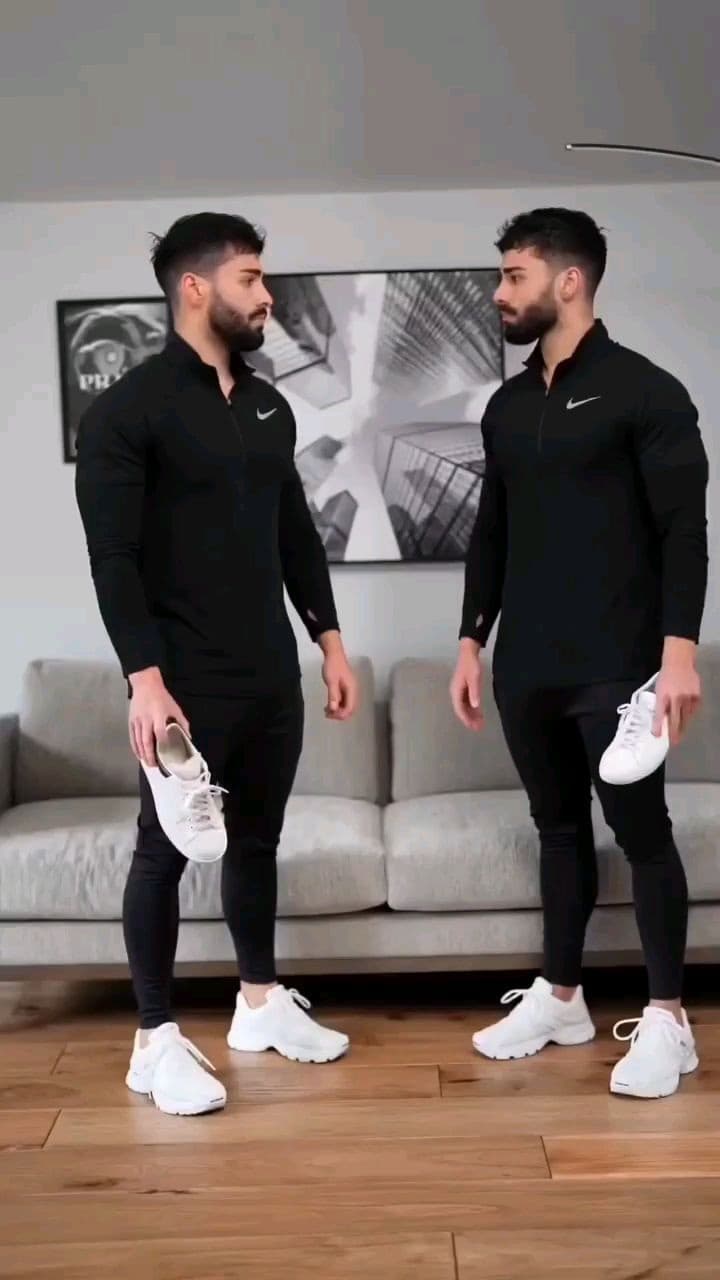
Learn how to choose sneakers for an outfit by matching shape, trouser width, colour, condition and dress code with this practical men's guide.
Your sneakers can be clean, expensive and fashionable—and still look wrong with your outfit.
The problem is usually not the shoe itself. It is the relationship between the shoe and everything above it. A bulky runner beneath narrow trousers creates a very different silhouette from a low-profile sneaker beneath the same trousers. One may feel deliberately sporty; the other may look cleaner and quieter.
The rule is simple: match the visual weight, purpose and colour of your sneakers to the trousers and setting. Do that before worrying about labels or trends.
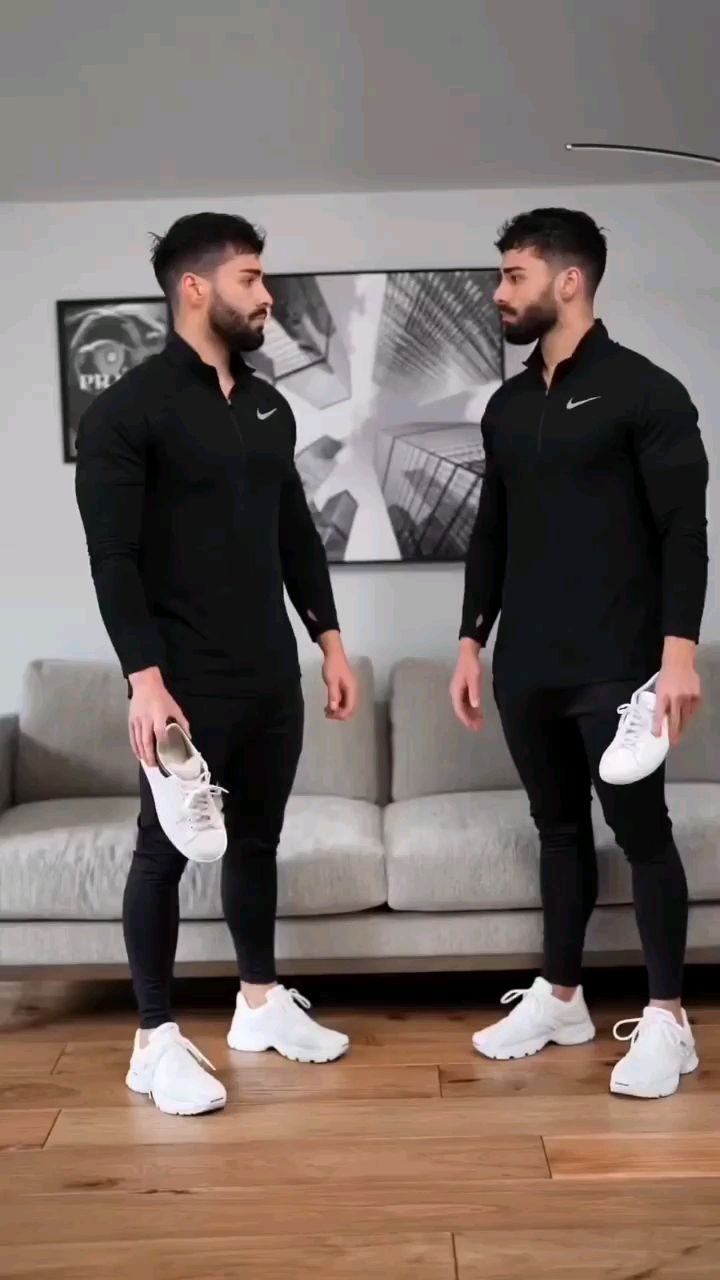
The comparison above makes the key lesson visible. The outfits remain nearly identical, but the two shoe shapes would create different proportions. Neither shape is universally better. Your job is to choose the one that supports the outfit you are actually wearing.
Before choosing a sneaker, ask where you are going.
Running-inspired or athletic sneakers naturally suit:
Performance shoes are designed around movement. Their mesh uppers, sculpted soles and technical details usually look most coherent when the rest of the outfit shares some casual or athletic character.
Simple leather, suede or canvas sneakers work well for:
This is where low-profile sneakers earn their place. Their restrained shape competes less with the clothes, so they can move between more outfits.
Sneakers can work in some smart-casual settings when they are clean, simple and intentionally paired. Look for:
Sneakers do not automatically make an outfit smart casual. The shirt, trousers, fit, grooming and venue still matter. If the invitation is unclear, check the smart casual guide for men before choosing footwear.
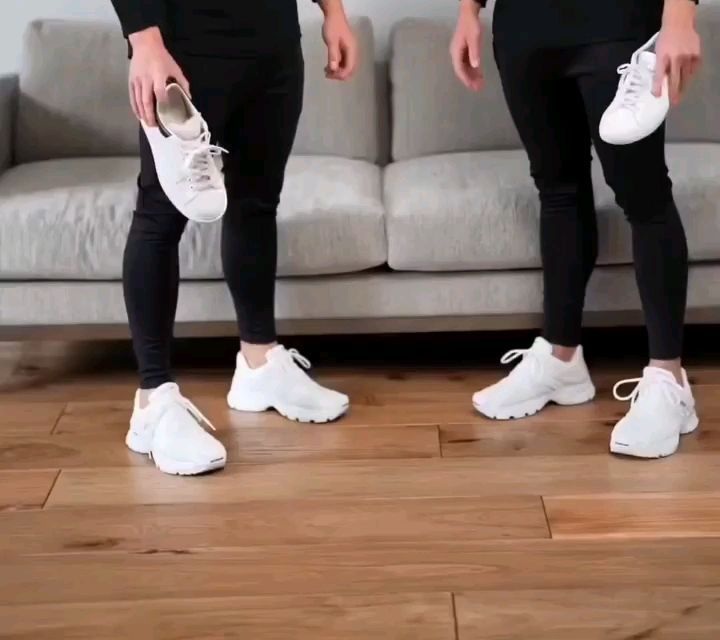
The easiest way to judge a sneaker is by visual weight: how large, thick and attention-grabbing it appears.
A shoe feels visually heavier when it has:
A shoe feels visually lighter when it has:
Slim trousers naturally create a narrow line toward the ankle. Low-profile sneakers continue that line smoothly. Chunkier sneakers can still work, but they create deliberate contrast and make the feet look more prominent.
If that contrast is not intentional, the outfit may appear bottom-heavy. Check the mirror from several steps away rather than looking only at the shoe.
Straight trousers can handle a wider range of sneakers. Their extra volume balances a moderate sole while still working with many classic low-tops.
Watch where the hem lands. Too much fabric stacked over a busy shoe creates visual clutter. A clean break or controlled stack usually looks more deliberate.
Relaxed trousers often need enough shoe presence to avoid disappearing under the hem. A substantial sneaker, retro runner or sturdy skate-inspired shape may balance the fabric better than an extremely narrow shoe.
That does not mean every wide trouser needs the biggest sneaker available. The shoe still needs to fit beneath the opening without the hem catching awkwardly on the heel or tongue.
For waistband, thigh, taper and hem checks, use the men's trouser fit guide.
Do not judge sneakers while holding them at eye level. Put them on and look at the full outfit.
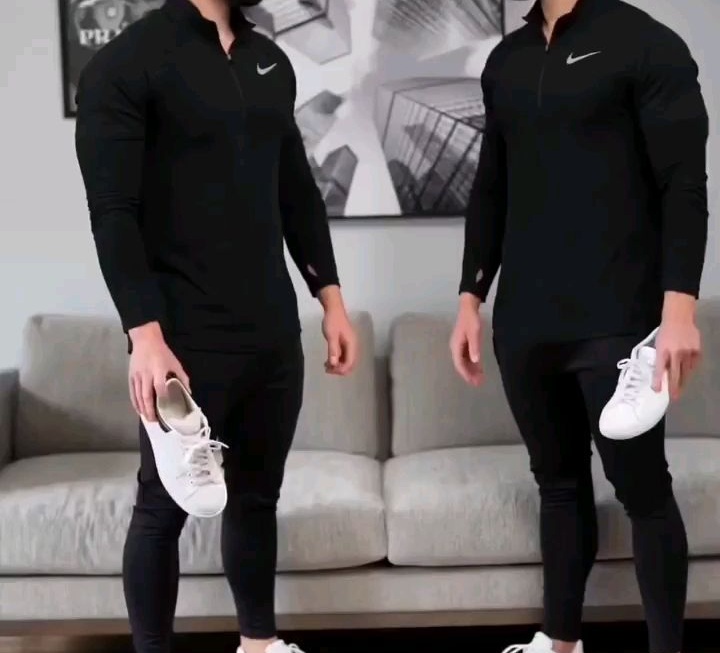
Use this five-second scan:
An oversized jacket, straight trousers and substantial sneakers can form a balanced silhouette because the volume appears throughout the outfit. The same sneakers beneath a tiny fitted top and very narrow trousers make the footwear the dominant feature.
That can be a valid style choice. It simply needs to look chosen rather than accidental.
The safest first sneaker colours are white, off-white, grey, navy, black and brown because they repeat easily across a casual wardrobe.
White sneakers create clear contrast under dark trousers and blend softly with stone, cream and pale-grey bottoms. Bright white tends to feel sharper and sportier. Off-white can feel softer with earth tones.
Black sneakers can create a continuous line with black or charcoal trousers. They also reduce contrast in dark outfits. Pay attention to sole colour: a bright white sole creates a clear horizontal break even when the upper is black.
These are useful bridge colours. Grey works with black, navy, olive and stone. Navy works naturally with denim, grey and many tan trousers while remaining quieter than bright blue.
These often work well with olive, cream, denim and textured casual clothes. Suede usually reads softer and slightly more refined than a technical mesh upper, but it needs weather-appropriate care.
A coloured sneaker is easiest to wear when its main colour appears once elsewhere—or when every other garment is quiet enough to let the shoe lead. Do not force an exact match between shirt and shoe. Repetition should feel connected, not like a uniform.
The men's colour matching guide explains how to control contrast across the complete outfit.
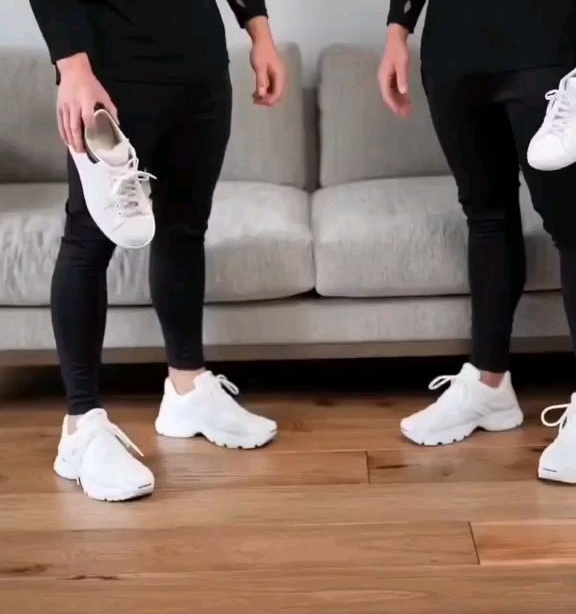
Two white sneakers can serve completely different roles.
A running-inspired sneaker usually has cushioning, mesh, curves and visible technology. It says movement and sport. A simple low-top usually has a flatter sole and quieter upper. It says everyday casual.
Use the sporty option when:
Use the quieter option when:
This distinction matters more than price. A modest clean sneaker with the right character will usually outperform a costly shoe fighting the dress code.
The transition from trouser to shoe is one of the first places an outfit becomes messy.
With low-profile sneakers, aim for a hem that does not swallow the shoe. Depending on your proportions and trouser cut, that may be:
With chunkier sneakers, avoid a trouser opening so tight that it sits awkwardly on the tongue. Straight or relaxed trousers need enough length to fall naturally without dragging under the heel.
Never copy an exact ankle gap from another person without testing it on your body. Height, shoe size, trouser rise and leg shape change the result.
A little wear can suit relaxed denim and casual clothing. The same wear looks careless with pressed trousers and a crisp shirt.
Use this maintenance routine:
Do not chase impossible perfection. Shoes touch the ground. The goal is condition that matches the outfit, not anxiety over every mark.
Most men do not need ten pairs to dress well. Start with roles rather than hype.
Choose a comfortable white, off-white, grey, navy or black pair that works with your most-worn jeans and casual trousers.
Choose this for long days, travel and active clothing. Prioritize genuine comfort and fit rather than buying a technical-looking shoe that hurts.
Choose a restrained leather, suede or canvas pair for chinos, polos, Oxford shirts and smarter casual plans.
There can be overlap. One excellent neutral low-top may cover the first and third roles. Your climate, workplace and walking habits should decide the final mix. The broader essential men's shoe guide can help you balance sneakers with boots, loafers and dress shoes.
Bring or wear the trousers you plan to pair with them. Then check:
Walk on a clean indoor surface where store policy allows. Comfort problems rarely improve because the shoe looks good in a photograph.
Colour is only one feature. Sole thickness, upper shape and technical detail change the shoe's character.
The trouser opening and hem determine how much of the shoe is visible and whether its proportions work. Build from the ground up, but judge the two together.
Comfort matters, but the most technical runner may fight a crisp shirt and tailored trouser. Keep a quieter comfortable option for polished settings.
A clean sneaker is still a sneaker. Weddings, formal offices and ceremonial occasions may require leather dress shoes even when your casual pair is immaculate.
A statement pair that matches one outfit is less useful than a versatile pair worn weekly. Apply the three-outfit rule before paying.
A narrow sneaker can look refined, but quality of fit, cleanliness, colour restraint and the surrounding clothes matter more than thinness alone.
Should sneakers match your shirt or trousers?
They do not need to match exactly. Connect them through colour temperature, contrast or formality. White sneakers can contrast with dark trousers, while brown or off-white pairs can harmonize with earth tones.
Do chunky sneakers work with slim trousers?
Yes, but they create strong proportion contrast and draw attention to the feet. If that is not your intention, choose a lower-profile shoe or a slightly straighter trouser.
Which sneakers work best with chinos?
Simple leather, suede or canvas low-tops are reliable because their quiet design suits the cleaner character of chinos. Keep them tidy and choose a sole that does not feel excessively technical.
Can men wear running shoes with jeans?
They can, especially in relaxed and sporty outfits. Straight or relaxed jeans often balance substantial running shoes better than very narrow denim. Avoid pretending a performance runner is formal footwear.
How many sneakers does a man need?
Start with one versatile everyday pair and one genuinely comfortable walking or athletic pair. Add a refined casual option only when your routine requires it.
What sneaker colour is most versatile for men?
White, off-white, grey, navy and black are all versatile. The best choice is the one that coordinates with your most-worn trousers and that you can maintain in your climate.
Choose sneakers by purpose first, shape second and colour third. Match their visual weight to your trousers, make sure the hem meets the shoe cleanly and judge the full silhouette from a distance. You do not need the most talked-about pair. You need the pair that makes your real clothes work better.
Save this guide and use the eight-point test before buying your next sneakers.