Loading...
Style guides, outfit breakdowns, and deals — curated weekly for the modern Pakistani man.
12,000+ subscribers · No spam · Unsubscribe anytime
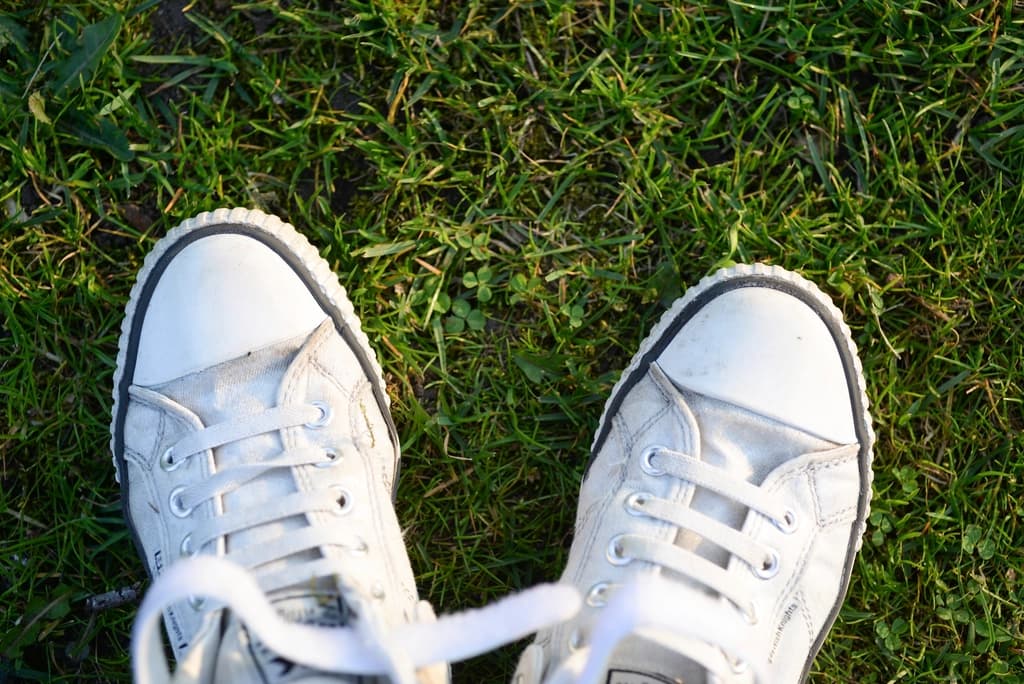
White sneakers are the most forgiving shoe a man owns and the fastest one to ruin his outfit. A clean white pair makes jeans look intentional and chinos look sharp. A grey, creased, yellow-soled pair drags the whole look down, no matter how good the shirt is.
White sneakers are the most forgiving shoe a man owns and the fastest one to ruin his outfit. A clean white pair makes jeans look intentional and chinos look sharp. A grey, creased, yellow-soled pair drags the whole look down, no matter how good the shirt is.
The problem is almost never the shoe. It is the timing. Most men wear white sneakers for three months, notice they look dull, then attack them with a stiff brush and whatever is under the sink. That single aggressive session does more damage than the three months of wear did.
This guide gives you the correct order of operations — the same logic behind our leather shoe care guide, applied to casual footwear. If you are still deciding which pair to buy, read how to choose sneakers for your outfit first.
Look closely at a worn white sneaker and you will find four separate problems, not one.
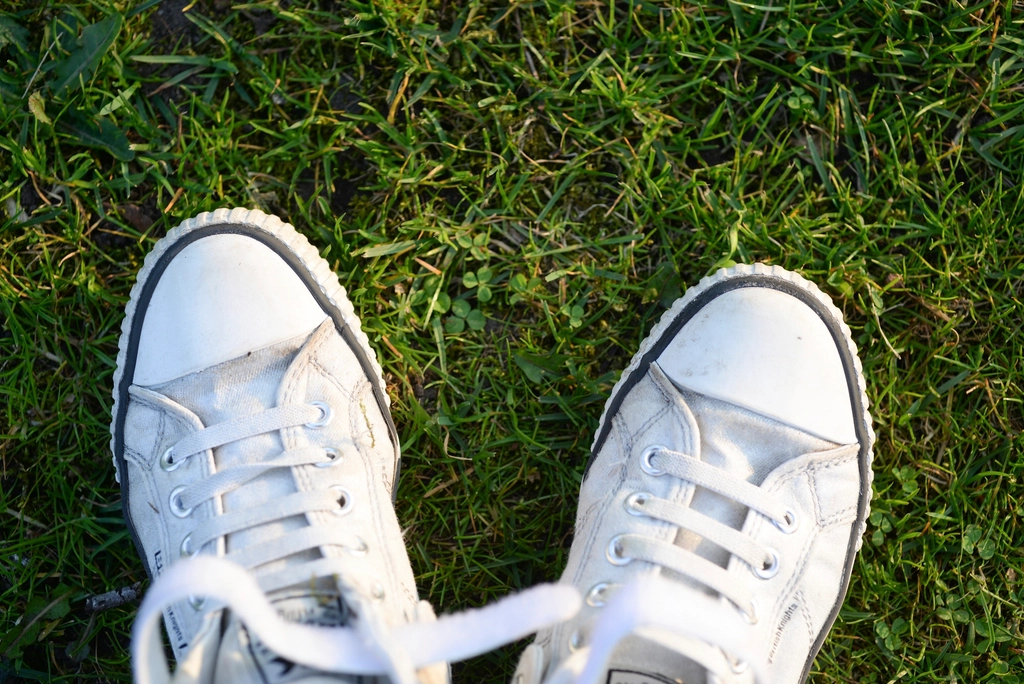
The pair above shows the standard failure pattern. The upper canvas is still reasonably white. The rubber toe cap is scuffed grey from contact. The midsole has picked up a film of road dirt. The laces have gone from white to cream. Four materials, four different behaviours, and that is why one product and one brush does not work.
| Part | What goes wrong | What it needs |
|---|---|---|
| Canvas or knit upper | Absorbs dirt into the weave | Soft brush, mild soap, light pressure |
| Leather upper | Surface scuffs, creasing | Damp cloth, gentle cleaner, no soaking |
| Rubber midsole and toe cap | Grey film, black scuff marks | Firmer brush, mild abrasive |
| Laces | Yellowing, ground-in grime | Removed and soaked separately |
Treat those four as four jobs. Do them in the right order and a pair most men would throw out comes back to about ninety percent.
You need less equipment than the internet suggests. A soft brush, a medium brush, a microfibre cloth, mild dish soap or a dedicated sneaker cleaner, and a bowl of lukewarm water. That is the whole kit.
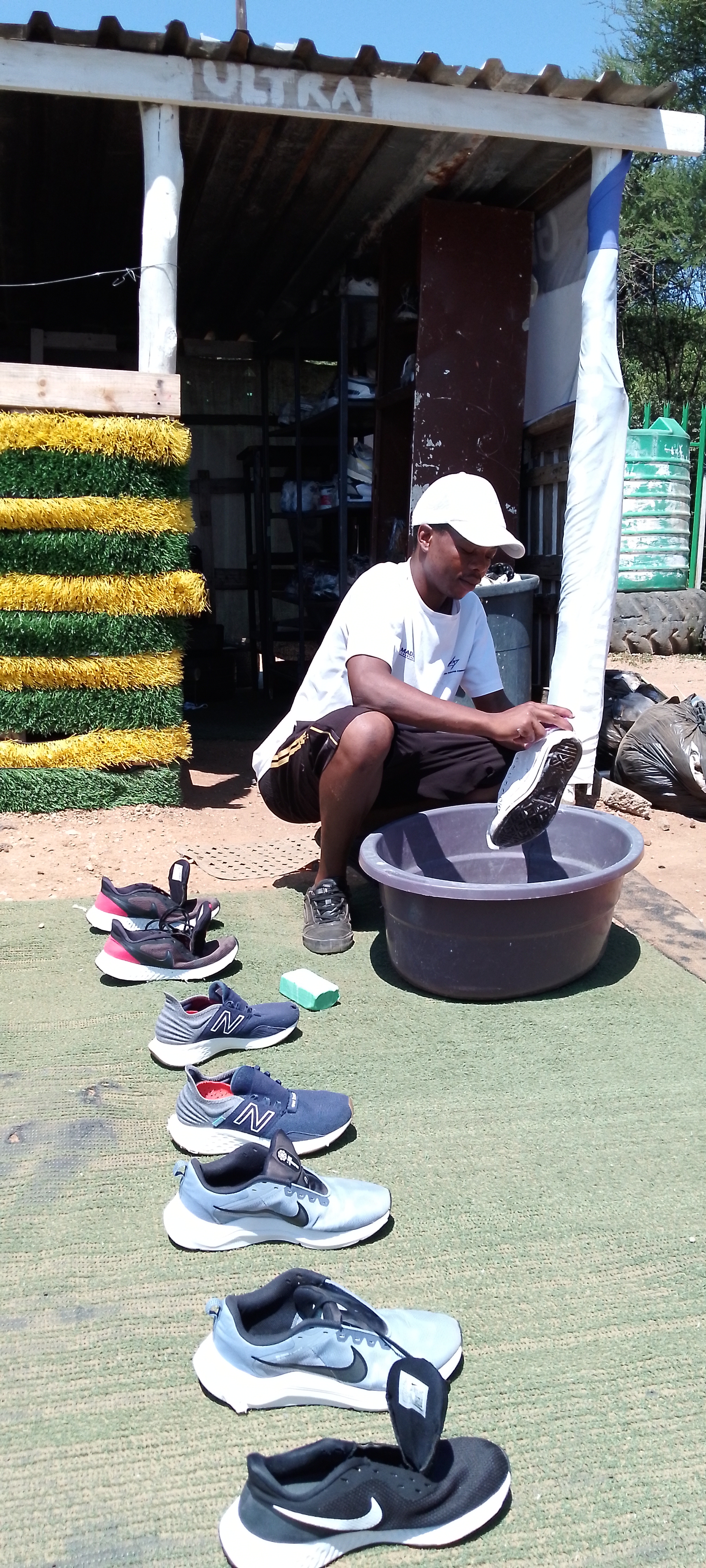
Notice in the photo above that everything happens outside the shoe first — laces out, tub of water ready, pairs lined up to dry. That preparation is the part men skip.
Remove the laces and insoles. Every time. Laces trap grime along the eyelet row, and you cannot reach that seam with them threaded. Insoles hold odour that no amount of exterior cleaning fixes.
Dry-brush the whole shoe. Before any water touches it, work a dry medium brush over the upper and sole to knock off loose dirt and dried mud. Adding water first turns that loose dirt into a paste you then grind into the fabric. This single step is the difference between cleaning and staining.
Mix your solution. Two teaspoons of mild dish soap into a bowl of lukewarm water. Not hot — heat softens the adhesive holding the sole to the upper, and repeated hot washes are why soles start separating at the toe.
Clean the upper with the soft brush. Dip, shake off the excess, and work in small circles. The brush should be damp, not dripping. Canvas can take firmer pressure. Leather takes almost none — a damp microfibre cloth in small circles is usually enough. Mesh needs the lightest touch of all, because a stiff brush will fray the knit permanently.
Switch to the medium brush for the rubber. The midsole and toe cap can take real pressure. This is where visible progress happens fastest. For stubborn black scuff marks, a little baking soda mixed into the soap paste gives you a mild abrasive that lifts marks without cutting into the rubber.
Wipe, do not rinse. Run a clean damp cloth over the whole shoe to lift the soap and suspended dirt. Do not hold the shoe under a running tap. Flooding the interior soaks the foam midsole, and a saturated midsole takes days to dry and often smells afterwards.
Soak the laces separately. Warm water with a little soap, thirty minutes, then rub them against themselves. If they still look cream rather than white after that, replace them. New laces cost a few pounds and do more for a tired pair than another hour of scrubbing.
Stuff and air dry. Pack the shoes with white paper towel or a clean cloth to hold their shape and pull moisture from the inside. Then leave them somewhere with airflow, away from direct sun and away from radiators. Direct heat is what yellows white rubber and cracks leather.
Give it twenty-four hours. Do not speed it up.
Yellow soles are the one problem that is genuinely partly permanent. Rubber oxidises when exposed to UV light and air. That reaction happens inside the material, not on the surface, so no amount of surface scrubbing reverses it.
What you can do is remove the grey film sitting on top of the yellowing, which is often most of the visible problem. A baking soda paste, a medium brush, and two minutes of work usually recovers more than men expect.
What genuinely helps long term is prevention: store white sneakers out of direct sunlight, and do not dry them on a windowsill. That habit alone buys you an extra year of white soles.
You can. Whether you should depends on the shoe.
Canvas sneakers with no leather panels and no structured midsole generally survive a cold, gentle cycle inside a mesh bag, with a towel added to cushion the drum. Take the laces and insoles out first.
Leather sneakers, suede anything, and shoes with foam or air-cushioned midsoles should never go in. The tumbling deforms structured midsoles, and water plus agitation ruins leather grain.
Never put any sneaker in a tumble dryer. Heat plus tumbling is the single fastest way to delaminate a sole.
The honest answer: a two-minute wipe every week beats a two-hour rescue every six months.
| Frequency | Action | Time |
|---|---|---|
| After each wear | Wipe the midsole with a damp cloth | 30 seconds |
| Weekly | Dry-brush the upper, spot-clean marks | 2 minutes |
| Monthly | Full clean using the eight steps above | 30 minutes |
| Every 3–4 months | Replace laces, deep-clean insoles | 15 minutes |
The men whose white sneakers always look new are not doing anything clever. They are doing the thirty-second wipe.
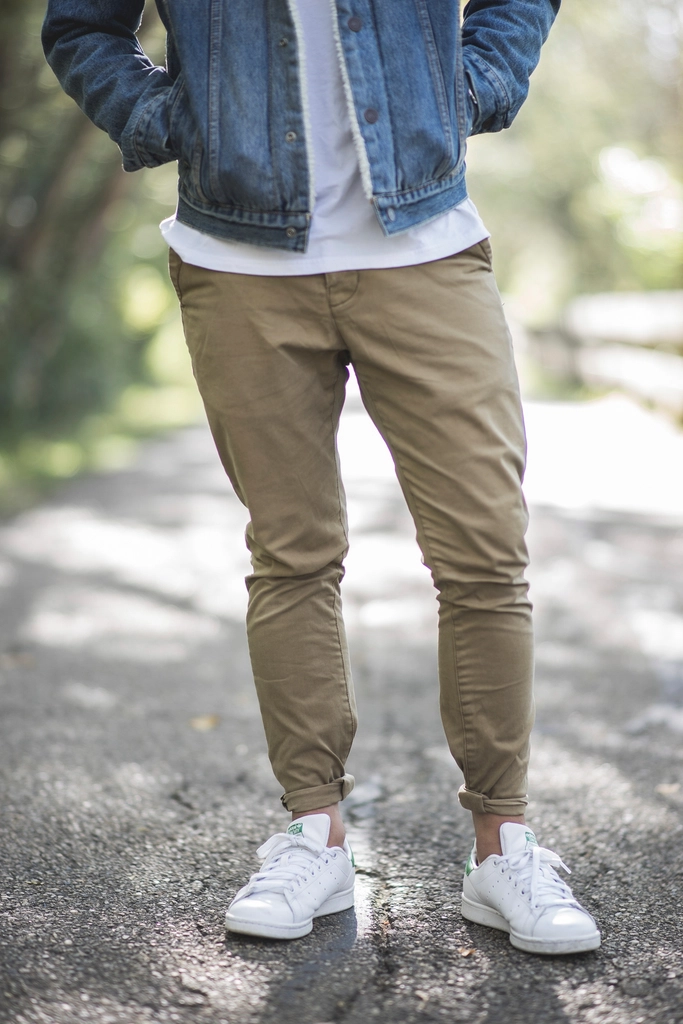
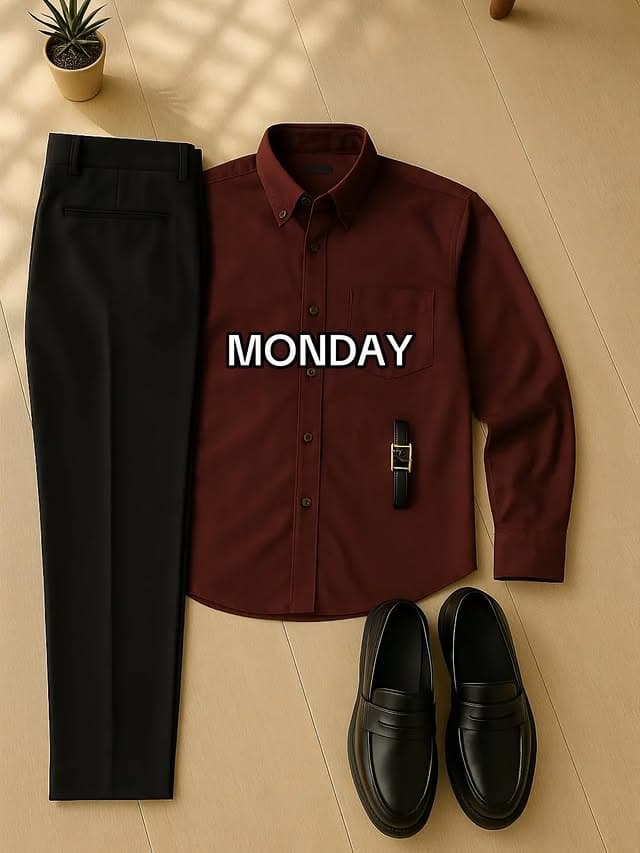
This is the payoff. Neutral trousers, a casual jacket, and clean white leather sneakers — nothing expensive, nothing complicated. The shoe reads as deliberate because it is maintained, and the whole outfit gets pulled up a level.
Swap that same shoe for a scuffed, grey-soled version and the outfit reads as careless. Same clothes. Same person. The only variable is upkeep.
That is the real argument for learning this. It is not about the shoes. It is about the standard. For the formal equivalent of this ritual, see how to shine dress shoes.
Does bleach whiten white sneakers? No — it does the opposite over time. Bleach breaks down synthetic fibres and reacts with rubber, causing the yellowing you are trying to remove. Mild soap and consistency work better and do not damage the shoe.
What is the best brush for cleaning sneakers? Two brushes: a soft-bristled one for uppers and a medium-stiff one for rubber soles. An old soft toothbrush handles eyelets and tight seams. Never use a wire or hard plastic brush on any upper material.
How do I clean white leather sneakers without damaging them? Damp microfibre cloth, small circular motions, minimal water. Skip the brush on the leather entirely. After drying, a thin layer of leather conditioner keeps the panels from creasing and cracking.
Why do my sneakers smell after cleaning? Trapped moisture in the midsole or insole. Always remove insoles and dry them separately, stuff the shoes with paper towel, and allow a full twenty-four hours. If the smell persists, sprinkle baking soda inside overnight and shake it out.
Can I use magic eraser sponges on sneakers? On rubber midsoles and toe caps, yes — they work well on scuff marks. Never on canvas, mesh, or leather uppers. They are a fine abrasive and will strip colour and texture from soft materials.
How do I stop white sneakers creasing? Creasing is caused by the toe box flexing. Buy the correct length so your foot is not sliding forward, use shoe trees or stuffed paper between wears, and rotate between two pairs rather than wearing one every day.
Pick your most-worn white pair tonight and give it the full eight steps. Then save this guide and run the thirty-second wipe after every wear for the next month — you will not need a rescue clean again.