Loading...
Style guides, outfit breakdowns, and deals — curated weekly for the modern Pakistani man.
12,000+ subscribers · No spam · Unsubscribe anytime
Learn practical restaurant etiquette for men, including phones, napkins, cutlery, ordering, conversation, tipping and handling awkward moments.
A good outfit can get you through the restaurant door. Your behaviour decides how people remember the meal.
Restaurant etiquette is not about performing old-fashioned rituals or proving that you know more than everyone else. It is a practical way to make the people around you comfortable. You arrive prepared, treat the staff with respect, keep your attention on your company and handle small problems without creating a scene.
If formal dining makes you nervous, start with one principle: make the meal easier for everyone at the table. The rules below follow from that.
Look at the venue, reservation details and dress code before choosing your clothes. A neighbourhood café, business lunch and formal dining room do not ask for the same level of polish.
When no code is stated, study the restaurant's own photographs rather than relying on one review. For a polished dinner, a collared shirt or fine knit, clean trousers and appropriate shoes are usually safer than sportswear. If the venue is genuinely formal, move to tailoring.
Use the guide to outfits for different occasions to match your clothes to the venue, time and purpose of the meal.
Being punctual is the first piece of dining etiquette because it respects everyone else's evening. Aim to arrive five to ten minutes early for a reservation. If a genuine delay happens, contact your host or dining partner before the booking time—not after they start wondering where you are.
Do not make a dramatic entrance or give a long excuse. Apologise once, thank them for waiting and help the evening move forward.
A clear greeting matters more than a complicated handshake. Make eye contact, say hello and acknowledge everyone at the table. If introductions are needed, listen closely enough to remember names.
Do not walk in while finishing a message. Your first action should communicate that the people in front of you have your attention.
A phone on the table creates a silent message: something more interesting may arrive at any moment. Put it on silent and keep it in a pocket or bag.
There are reasonable exceptions—an urgent family situation, medical alert or work emergency—but explain the situation briefly. If you must take a call, excuse yourself and step away. Do not hold a full conversation beside people who are eating.
Taking a quick photograph may be acceptable in a relaxed setting. Ask before photographing other people, avoid using bright flash and put the phone away after the picture.
At a hosted meal, let the host or restaurant guide the seating. At a date or informal dinner, a simple “Would you like this seat?” is more useful than a theatrical display.
Help when help is welcome. Do not pull a chair unexpectedly while someone is trying to sit. Courtesy should make movement smoother, not more awkward.
Once seated, sit upright without becoming rigid. Keep your feet controlled and avoid spreading into another person's space.
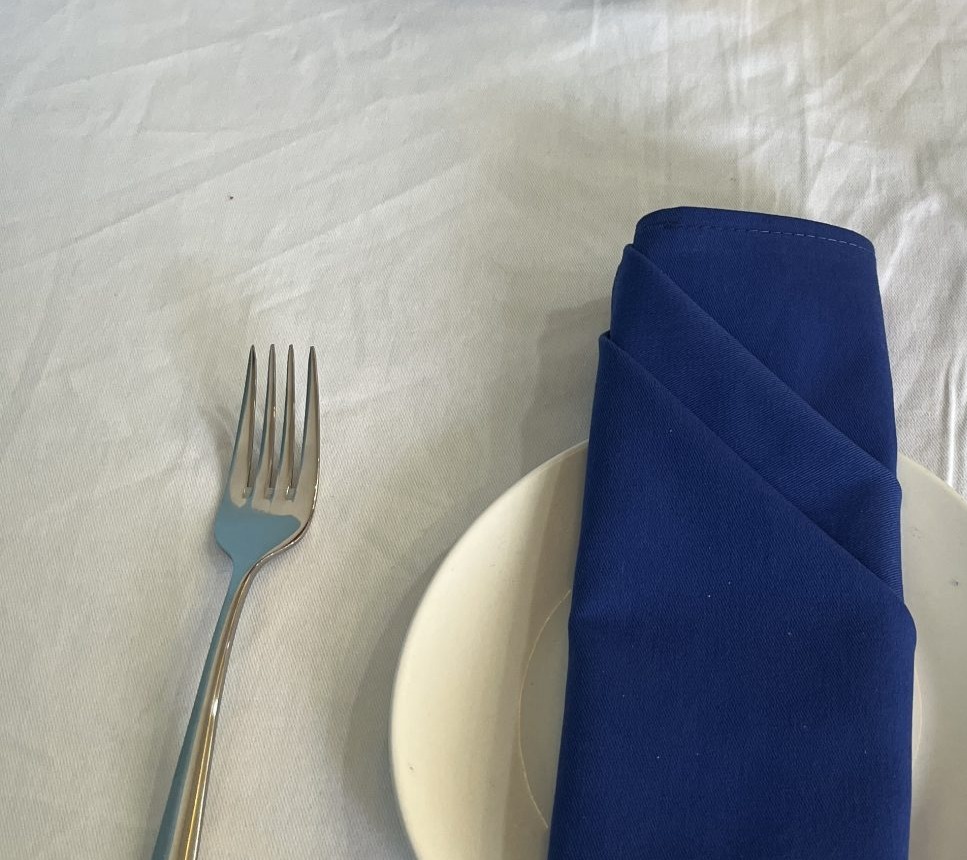
Place the cloth napkin on your lap after sitting, usually once the host does so or the meal is beginning. Do not tuck it into your collar unless a specific messy dish and the restaurant's custom clearly call for it.
Use the napkin to blot your mouth gently, not to wipe your face. If you leave temporarily, place it neatly on your chair or follow the venue's convention. At the end, leave it loosely beside the plate rather than folding it as if unused or dropping it onto the plate.
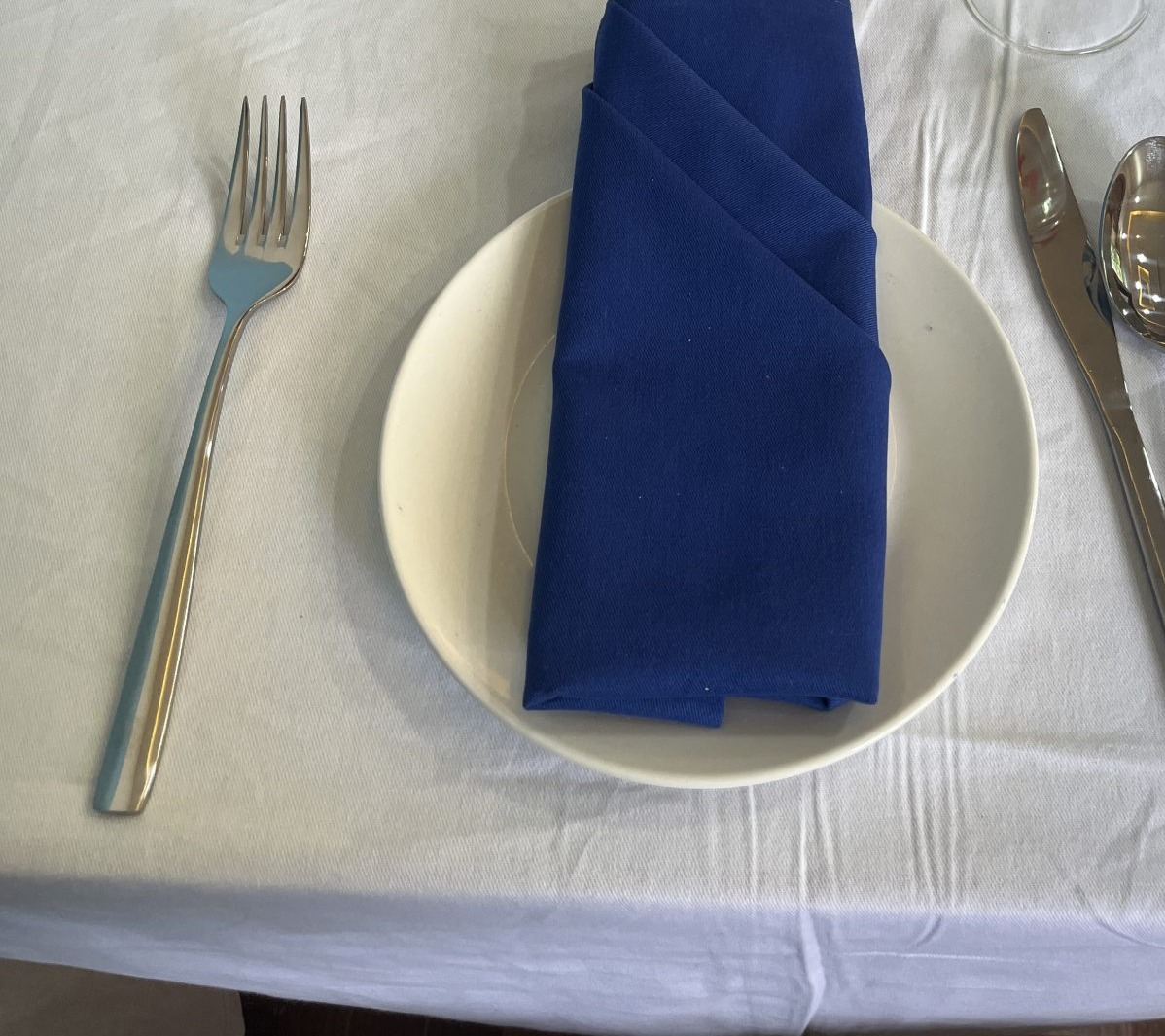
When several courses have dedicated utensils, begin with the pieces farthest from the plate and work inward. The knife blade normally faces the plate. If the setting is simple, use the obvious fork, knife and spoon provided for the dish.
Do not panic if the table looks unfamiliar. Watch for the course being served, pause and ask quietly when needed. A calm question is better than pretending with confidence and using a specialised utensil incorrectly.
Once used, do not place cutlery back on the tablecloth. Rest it on the plate. When finished, place the knife and fork together on the plate so the server can read the signal without interrupting.
If someone else is hosting, follow their lead on the number of courses and general price range. Do not automatically choose the most expensive item because another person offered to pay. If you have an allergy or dietary restriction, state it clearly and politely before ordering.
Ask concise questions. A server can explain a dish or recommend an option, but they should not have to design an entirely new menu unless the restaurant offers that flexibility.
On a date, do not order for the other person unless they have explicitly asked you to. Suggesting a shared starter is fine; removing their choice is not.
At a small table, wait until everyone has been served. At a large event where food may cool while many plates are delivered, follow the host's cue or the restaurant's guidance.
If someone encourages you to begin because their order is delayed, accept the cue without repeatedly refusing. Etiquette should protect the food and the conversation, not turn into a negotiation.
Take manageable bites. Chew with your mouth closed. Finish the bite before speaking. These basic table manners solve more problems than memorising obscure rules.
Try to stay roughly in rhythm with the table. Racing through the meal can make others feel hurried; eating extremely slowly can hold everyone back. Put your utensils down occasionally and give the conversation your attention.
Avoid reaching across another person. Ask for an item to be passed. Taste food before adding salt, pepper or sauce; it shows respect for the kitchen and prevents over-seasoning.
Good dining conversation is not a speech. Ask questions, listen to the answers and leave room for quieter people to participate. Keep your voice at a level that belongs to your table.
Avoid interrogating someone about income, relationships, health or politics when you do not know that the subject is welcome. Do not tell humiliating stories about people at the table for entertainment.
If you disagree, lower the temperature rather than raising your voice. You can say, “I see it differently,” and explain without turning dinner into a contest.
For a date, pair good manners with the lunch date outfit guide so your presentation and behaviour communicate the same level of care.
How you speak to servers is one of the clearest signs of your character. Use “please” and “thank you.” Make requests directly and calmly. Do not snap your fingers, whistle or use a raised voice to summon attention.
If an order is wrong, describe the problem without insulting the person: “I ordered the fish, but this appears to be the chicken. Could you please check it?” Give the restaurant a chance to correct the issue.
Do not use friendliness as permission to make personal comments about a server's body or appearance. Professional respect is enough.
A dropped fork, spilled drink or sauce mark does not need to become the event of the evening. Pause, apologise if someone else was affected and ask the staff for help.
Do not crawl under a busy table searching for cutlery. Do not start reorganising plates while a server is trying to clean. Make space, follow directions and return attention to the meal once the problem is handled.
The same calm rule applies to your outfit. Carrying a clean handkerchief or knowing how to blot a fresh stain can help, but do not spend the next hour announcing the mark.
Do not create a public struggle over who is allowed to pay. If you invited someone with the clear phrase “I'd like to take you to dinner,” be prepared to cover the bill. If the plan was made mutually, splitting may be natural.
Handle the question early when expectations could be unclear. A simple “Shall we split this?” is better than assumptions and resentment.
Tipping customs differ by country. Check local practice, read whether service is already included and tip according to the venue and service. Do not punish a server financially for a kitchen delay they did not control without first asking what happened.
Thank the host, your company and the staff. Check your seat and surrounding floor for personal items. Push the chair in where appropriate without blocking service.
If someone hosted, send a short thank-you message later. It does not need to be elaborate: “Thank you for dinner. I enjoyed the conversation and appreciated the invitation.”
Your final impression should feel as considered as your arrival.
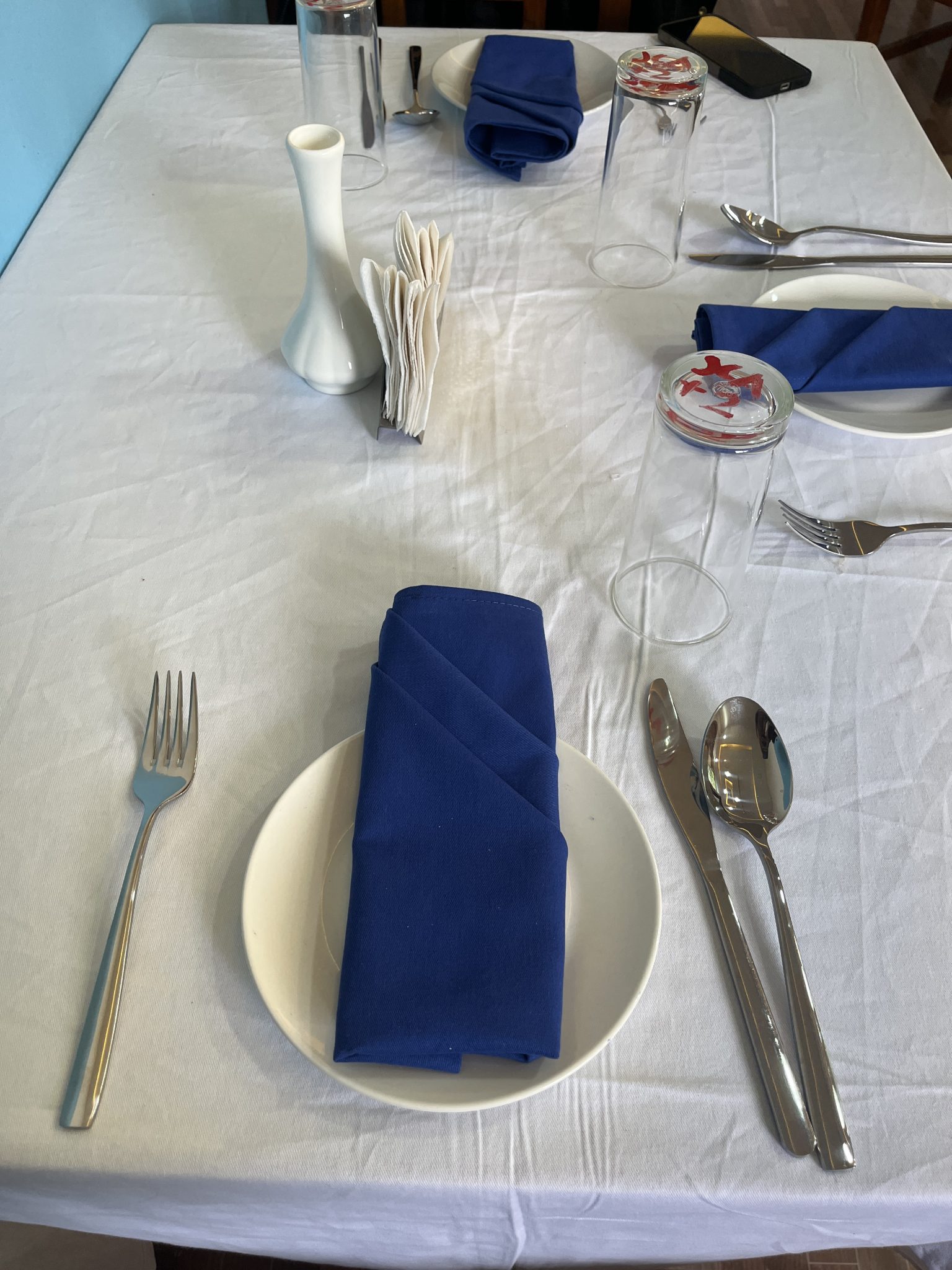
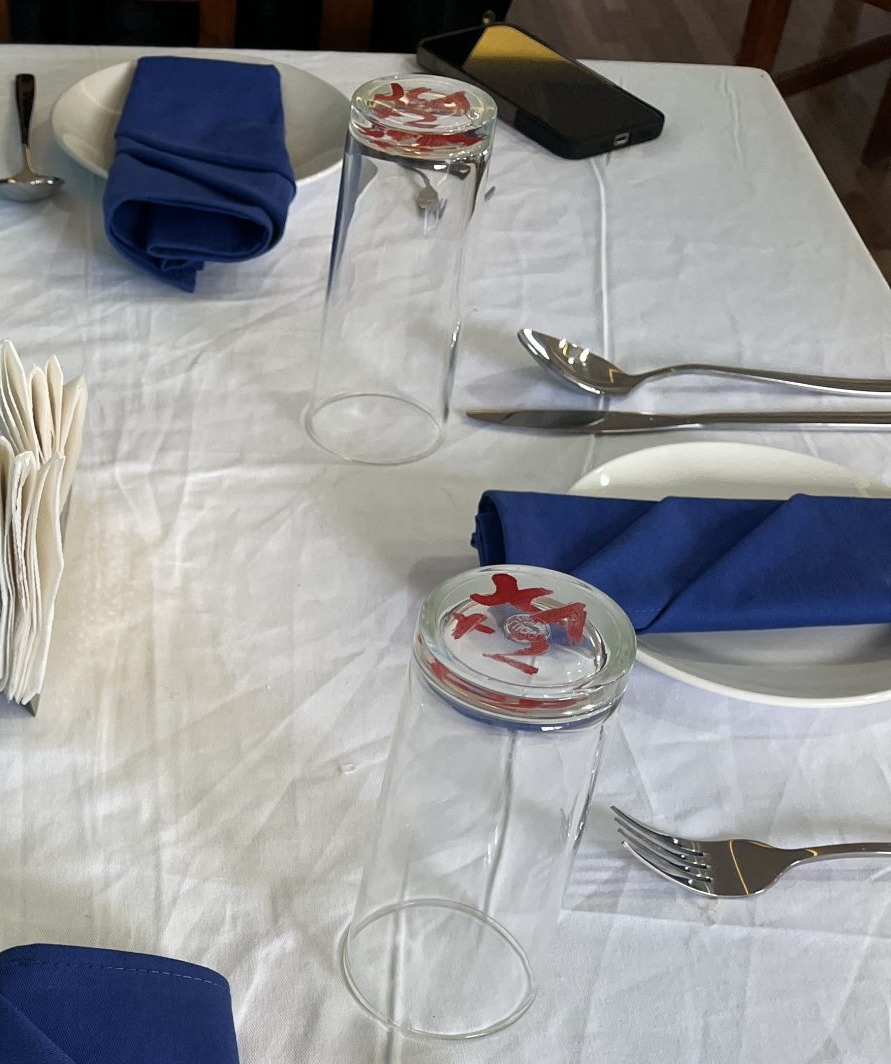
A prepared table gives useful clues about the service. Multiple utensils may indicate courses. Cloth napkins and white linen suggest a more polished setting. Inverted covered glasses may reflect a venue's sanitation practice rather than classic formal placement.
Do not treat every visible arrangement as an etiquette command. Restaurants have operational habits, regional customs and occasional setup mistakes. The safest approach is to understand the basic outside-in system, follow the host and ask quietly when something is unclear.
Before the meal:
At the table:
At the end:
If you want your appearance to match that standard, start with the men's fashion mistakes guide and the guide to looking well groomed.
Where should a man put his phone at a restaurant?
Keep it on silent in a pocket or bag. If you are expecting an urgent call, explain briefly and step away when it arrives.
When should you put the napkin on your lap?
Place it on your lap after sitting, usually when the host does so or as the meal begins. Leave it loosely beside the plate when the meal ends.
Which fork should you use first at a formal dinner?
Start with the fork farthest from the plate for the first relevant course, then work inward. Ask quietly if a specialised setting is unclear.
Should a man stand when someone joins the table?
In a formal or hosted setting, briefly rising can be a respectful acknowledgement. In a tight casual restaurant where standing would disrupt service, a warm verbal greeting is enough.
Who should pay on a dinner date?
The person who clearly invited the other as their guest should be ready to pay. If the plan was mutual, discuss splitting plainly instead of relying on hidden expectations.
What should you do if your meal is wrong?
Tell the server calmly and specifically, then allow the restaurant to fix it. Do not insult the staff or continue complaining after a reasonable solution is provided.
Save this guide before your next dinner, then choose one rule to practise until it becomes automatic.