Loading...
Style guides, outfit breakdowns, and deals — curated weekly for the modern Pakistani man.
12,000+ subscribers · No spam · Unsubscribe anytime
Learn how to choose men's outfits for different occasions, from casual daytime plans and dates to smart-casual events, offices and weddings.
Most men do not need more clothes. They need to know which clothes belong in which room.
The same T-shirt and trousers that look clean at a daytime coffee can feel careless at a wedding. A full suit that looks right at a formal dinner can feel stiff at a casual lunch. Dressing well is not about wearing your smartest clothes everywhere. It is about matching your outfit to the setting.
Use this rule: dress for the activity, venue, time and expected level of formality. Then make sure the fit, colour and condition support that choice.
This guide gives you repeatable outfit formulas for the occasions most men actually face.
Start with four questions:
Weather matters too, but it does not erase the dress code. Hot weather may change the weight and breathability of your clothes. It does not automatically turn a formal event into a T-shirt-and-sneakers event.
If an invitation includes unfamiliar language, use the men's dress-code guide rather than guessing.
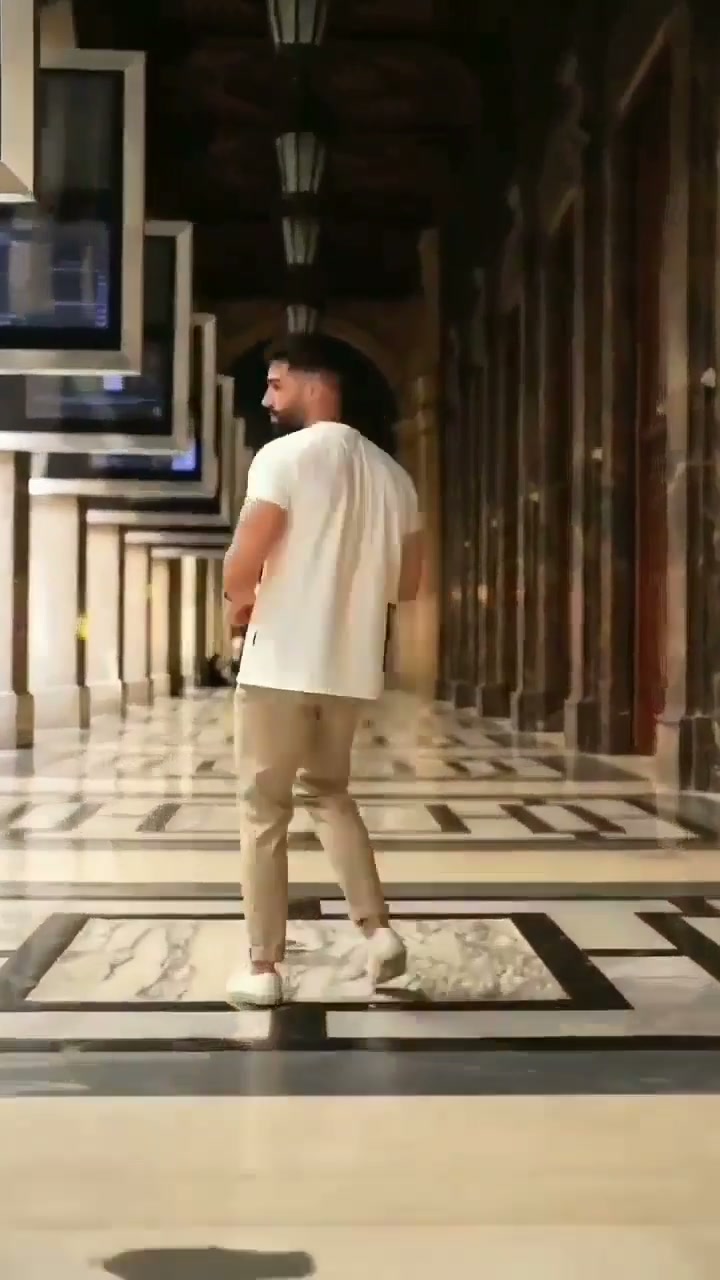
Casual does not mean careless. It means comfort with enough structure to look intentional.
A reliable daytime formula is:
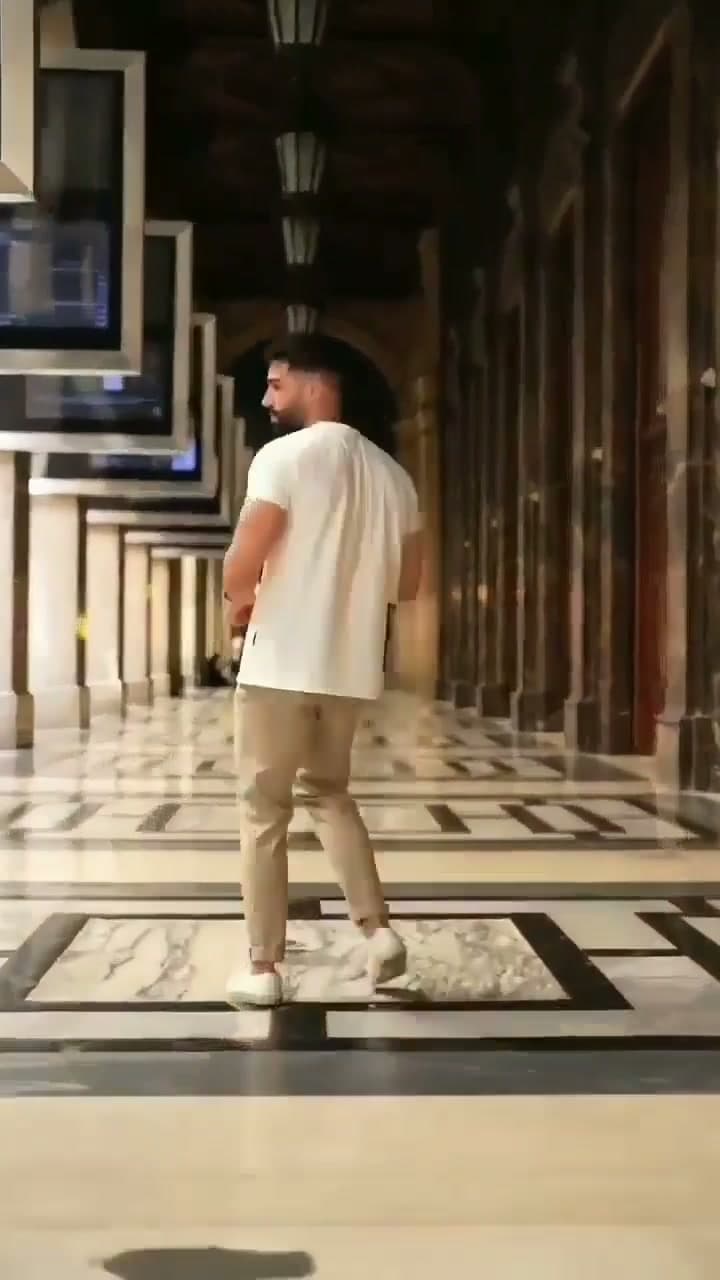
The white top, tan trousers and white footwear above work because the palette is quiet and the garments create a clear silhouette. The colours are easy; the fit and condition do the real work.
For errands, travel or a relaxed lunch, keep the outfit simple enough to move in. Avoid stacking every trend into one look. If the top is oversized, keep the trousers controlled. If the trousers are wide, make sure the shoe has enough presence to balance the hem.
Your minimum standard should be clean shoes, an unwrinkled top, trousers that stay up without constant adjustment and grooming appropriate for being in public.
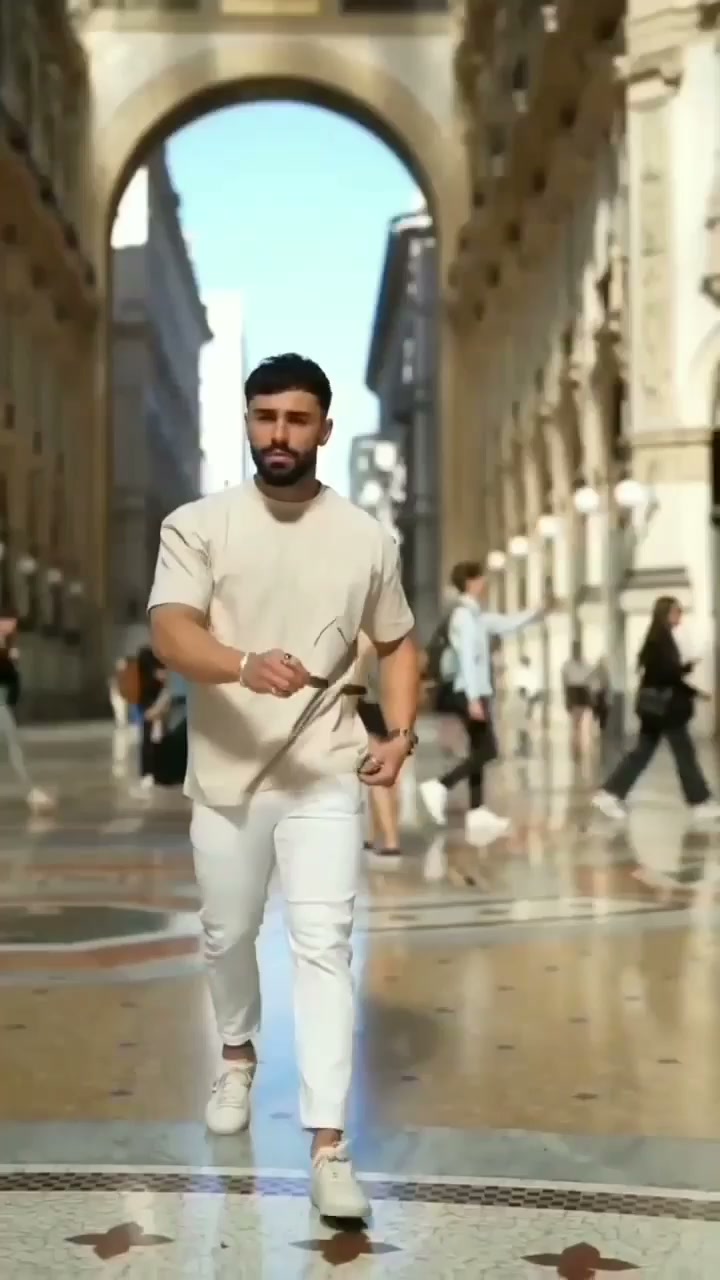
A casual date needs a little more intention than an ordinary errand. You do not need to dress formally. You do need to show that the plan mattered.
Try one of these formulas:
The light tonal outfit above feels suited to a bright daytime setting because the colours are soft and the silhouette is uncluttered. Use it as a lesson in restraint, not as a universal uniform. White or pale trousers need enough opacity and the correct underwear colour. They also need a hem that stays off the ground.
For an outdoor plan, choose clothes that still look good after walking and sitting. For a restaurant, check whether the venue is relaxed or polished. A five-minute look at the restaurant's own photos can prevent being noticeably underdressed.
If you want more specific formulas, see the date outfit guide for men.
Smart casual is where many men become confused because it sits between relaxed and formal. The safest interpretation is polished clothes without full ceremonial formality.
A dependable formula is:
The clothes should be smarter than weekend basics but less rigid than a business suit. Keep visible sportswear, distressed denim and highly technical running shoes for genuinely casual settings.
Fit matters more as formality rises. Shoulder seams should sit cleanly, collars should behave, trousers should fall without excessive stacking and shoes should be in good condition. Use the smart-casual guide for men when the invitation gives no further detail.
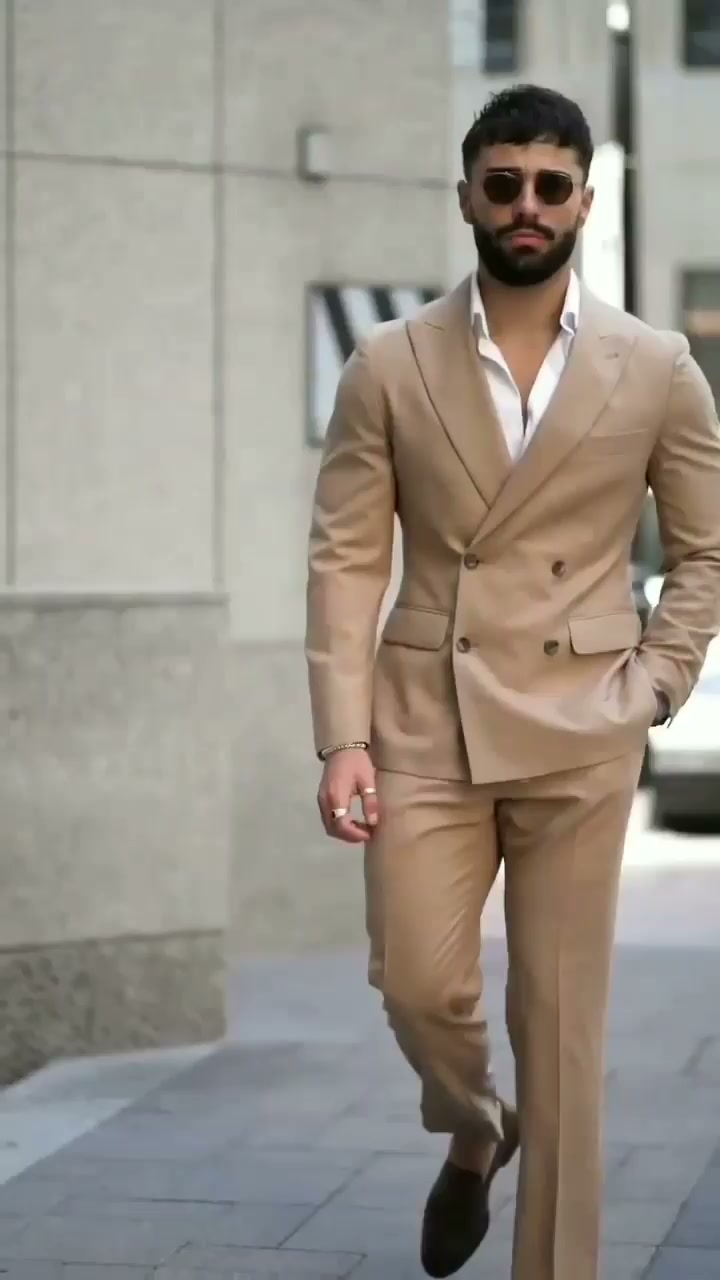
For an outdoor celebration, reception or cocktail-style event, tailoring can be lighter in colour and more relaxed in styling—provided the event does not demand a stricter code.
A useful formula is:
The tan suit above demonstrates how light tailoring can feel less corporate outdoors. The open collar makes it more relaxed, so it should not be copied for a ceremony that explicitly requires a tie or formal business dress.
Do not assume that every summer event permits sneakers or an open shirt. Read the invitation. Consider the venue. A garden reception and a formal hotel ballroom are different rooms even when both events happen in July.
Workplace clothing should help you look dependable without distracting from your job. Observe what respected people in your workplace wear, then stay within that level or one small step sharper.
Try:
Try:
Try:
The phrase “business casual” changes between industries. A creative studio, a bank and a law office may all interpret it differently. On your first day, dress slightly sharper than your estimate and adjust after observing the room.
For repeatable weekday combinations, use the casual office outfit guide for men.
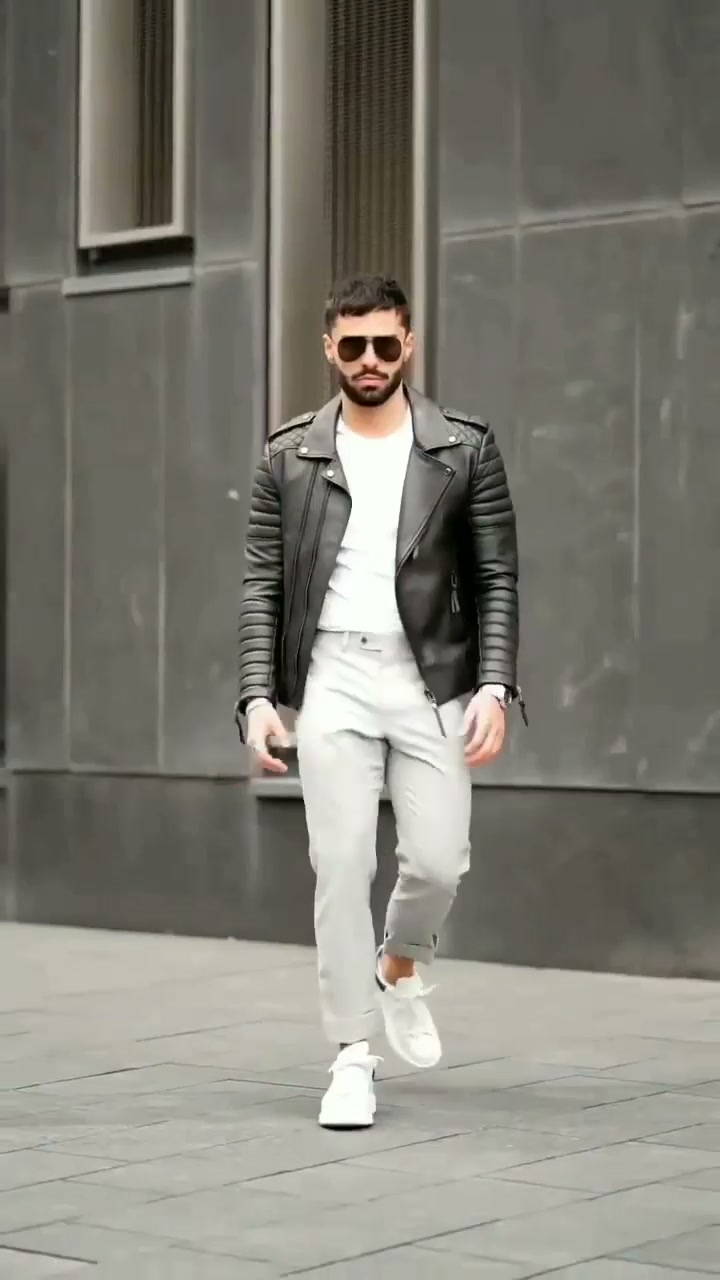
An evening outfit can be casual while feeling more grounded than a bright daytime look. One structured outer layer is often enough.
A useful formula is:
The dark jacket in the image gives the light base more visual weight. That makes the formula useful for dinner with friends, an informal evening date or a city walk in mild weather. The exact jacket material is less important than its condition and how it sits over the shoulders.
At night, you can reduce contrast with charcoal, navy, olive, brown and black. You do not have to wear all black. One dark anchor—jacket, trousers or footwear—can create enough evening character.
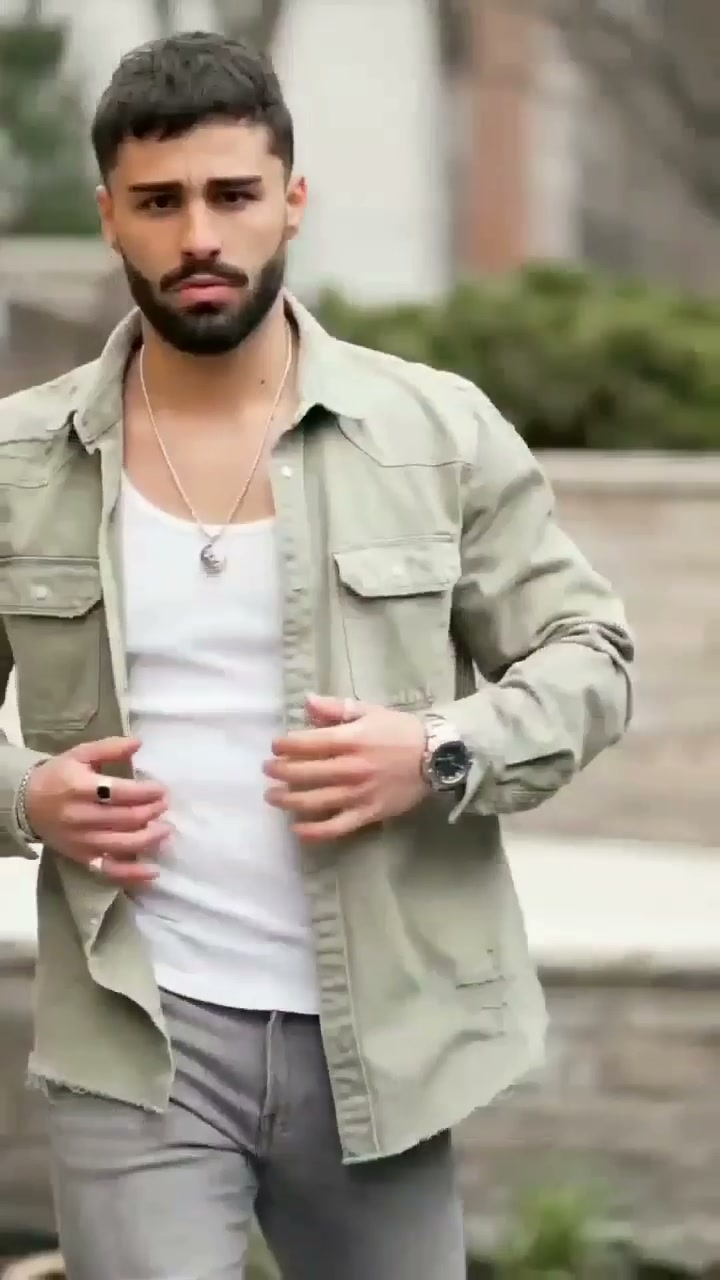
A lightweight overshirt is useful when a T-shirt alone feels unfinished or the temperature may change.
Build the outfit in three simple steps:
This works for weekend shopping, travel, a casual gathering or a relaxed meal. Keep the layer open for a more casual line or button it when you want a cleaner front. Make sure the undershirt neckline and sleeves sit neatly because they remain visible.
A wedding is not the place to test how casually you can get away with dressing. Follow the invitation and respect the couple, venue and ceremony.
Wear the specified eveningwear. For black tie, that generally means a tuxedo or dinner suit, formal shirt, bow tie and appropriate formal shoes—not a normal dark suit styled approximately.
A dark navy, charcoal or mid-grey suit is a safe base. Add a dress shirt, leather shoes and a tie unless the invitation or setting clearly supports a more relaxed interpretation.
A lighter suit may work, especially in warm weather, but the invitation still decides the level. Tan, light grey and blue can feel appropriate in daylight. Keep the shirt collared and the shoes intentional.
Avoid wearing white as the dominant look where it conflicts with cultural expectations, and never let “outdoor” become an excuse for looking like you came from the beach. The wedding guest outfit guide for men gives a fuller breakdown.
When the outcome matters, remove unnecessary risk.
For a traditional corporate interview:
For a less formal industry:
Research the organisation first. Dressing one level above its daily uniform usually shows care without looking disconnected. Avoid an outfit that needs constant fixing. If the collar collapses, waistband slips or shoes hurt, your discomfort will affect your presence.
This is an occasion for restraint, not self-expression.
Choose dark, quiet clothing that does not attract attention:
Cultural and religious expectations vary. Ask respectfully when unsure. The goal is to support the people present, not to display your style knowledge.
You can prepare for most occasions with three outfit levels.
T-shirt or polo, casual trousers or jeans, clean sneakers.
Oxford shirt or knit, chinos or tailored trousers, loafers or restrained sneakers, optional jacket.
Suit, dress shirt, appropriate tie, leather dress shoes.
If your wardrobe can build one strong outfit at each level, you will handle most normal invitations. Add special items—tuxedo, heavy winter coat, cultural dress or event-specific footwear—only when your real life requires them.
Before leaving, ask:
Your outfit should stop demanding attention once you enter the room. Good preparation lets you focus on the people and the occasion.
More formal is not always better. A business suit at a beach café can feel as disconnected as gym clothes at a formal dinner.
Cleanliness helps, but it does not change the footwear category. Some smart-casual rooms permit sneakers; many formal rooms do not.
A street-style photograph may come from a fashion event, holiday or warm climate. Your workplace, weather and venue may require a different choice.
Untidy hair, neglected nails or excessive fragrance can make correct clothing feel unfinished. Clothing and grooming should communicate the same level of care.
Build flexible levels instead. A navy suit can serve interviews, weddings and formal dinners with small changes. Chinos, an Oxford shirt and loafers can cover many polished-casual plans.
What should a man wear when there is no dress code?
Research the venue, time and activity. Choose polished casual when uncertain: a collared shirt or fine knit, clean trousers and appropriate leather shoes or restrained sneakers. It is easier to relax a slightly sharp outfit than rescue one that is clearly too casual.
Can men wear sneakers to smart-casual events?
Sometimes. Choose simple, clean sneakers with minimal technical detail and pair them with neat trousers and a polished top. If the venue, invitation or host expects dress shoes, follow that expectation.
Is it better to be overdressed or underdressed?
Slightly overdressed is usually easier to manage, but the real goal is alignment. Dressing far above the room can also look inattentive. Research first and aim to belong without disappearing into carelessness.
What colours work for most occasions?
Navy, charcoal, grey, white, pale blue, olive, tan and brown form a flexible base. Brighter colours can be added in casual settings or controlled accents.
How many formal outfits does a man need?
One well-fitting navy or charcoal suit can cover many interviews, weddings, dinners and ceremonies. Add a second only when your schedule, climate or dress code creates a real need.
What should a man wear on a first date?
Dress for the planned activity and go one step more intentional than your everyday default. A polo or Oxford shirt, clean trousers and neat shoes work for many café or dinner dates. Avoid clothing that makes you uncomfortable or looks like a costume.
The best outfit is not the most expensive or most formal. It is the one that respects the occasion and lets you move through it confidently.
Read the room before getting dressed. Match the activity, venue, time and dress code. Then check fit, condition, shoes and grooming. When those decisions agree, even a simple outfit looks considered.
Save this guide before your next invitation and choose your outfit by occasion—not by guesswork.
Build a reliable men’s wardrobe with 20 essential pieces: shirts, jeans, chinos, shoes, outerwear, accessories, and grooming basics.