Loading...
Style guides, outfit breakdowns, and deals — curated weekly for the modern Pakistani man.
12,000+ subscribers · No spam · Unsubscribe anytime

Build a full week of casual office outfits with two trouser anchors, clean shirts, simple shoes, and smart accessories. Practical men’s workwear guide.

Most men make office dressing harder than it needs to be.
They buy too many random shirts. They keep trousers that only work with one outfit. Then every morning becomes the same question: “What do I wear that looks professional, but not too formal?”
The answer is not a bigger closet.
The answer is a smaller system.
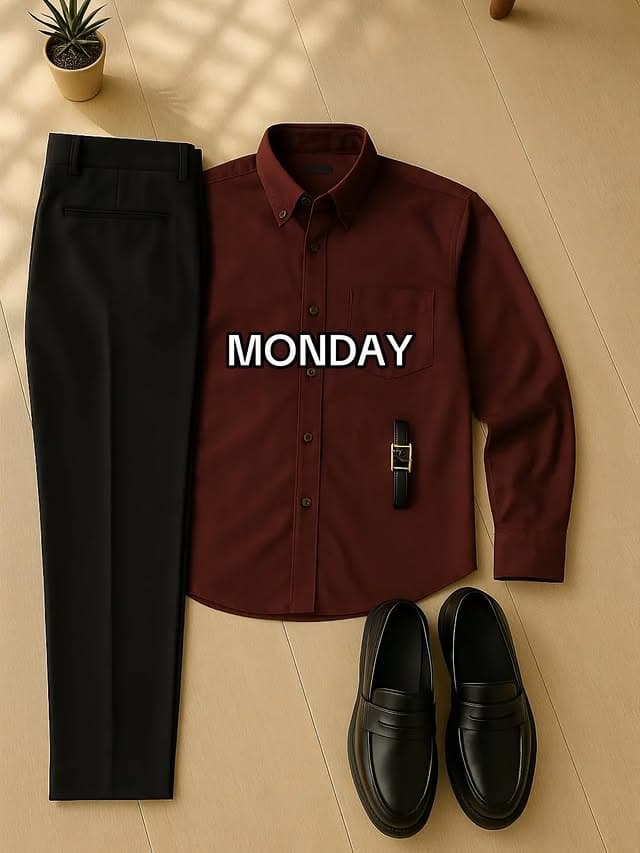
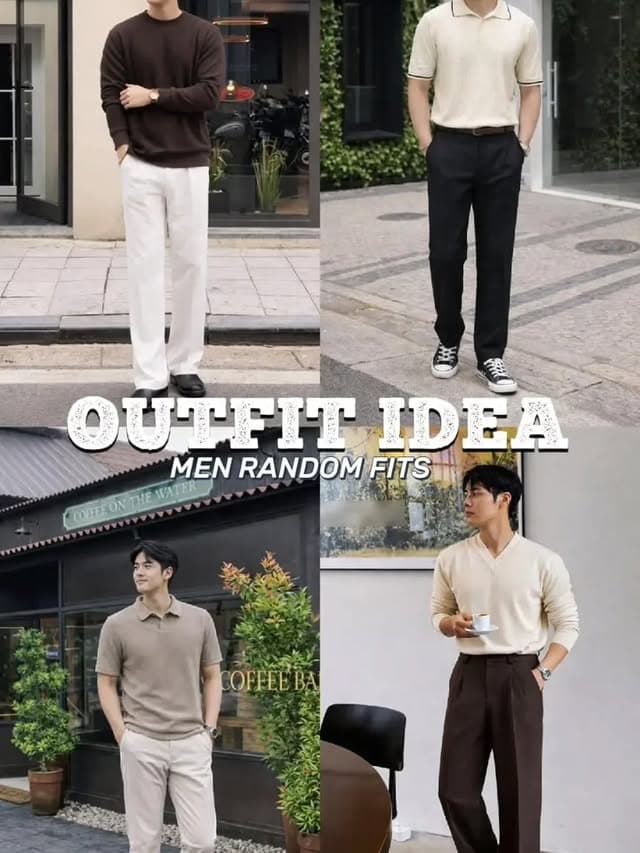
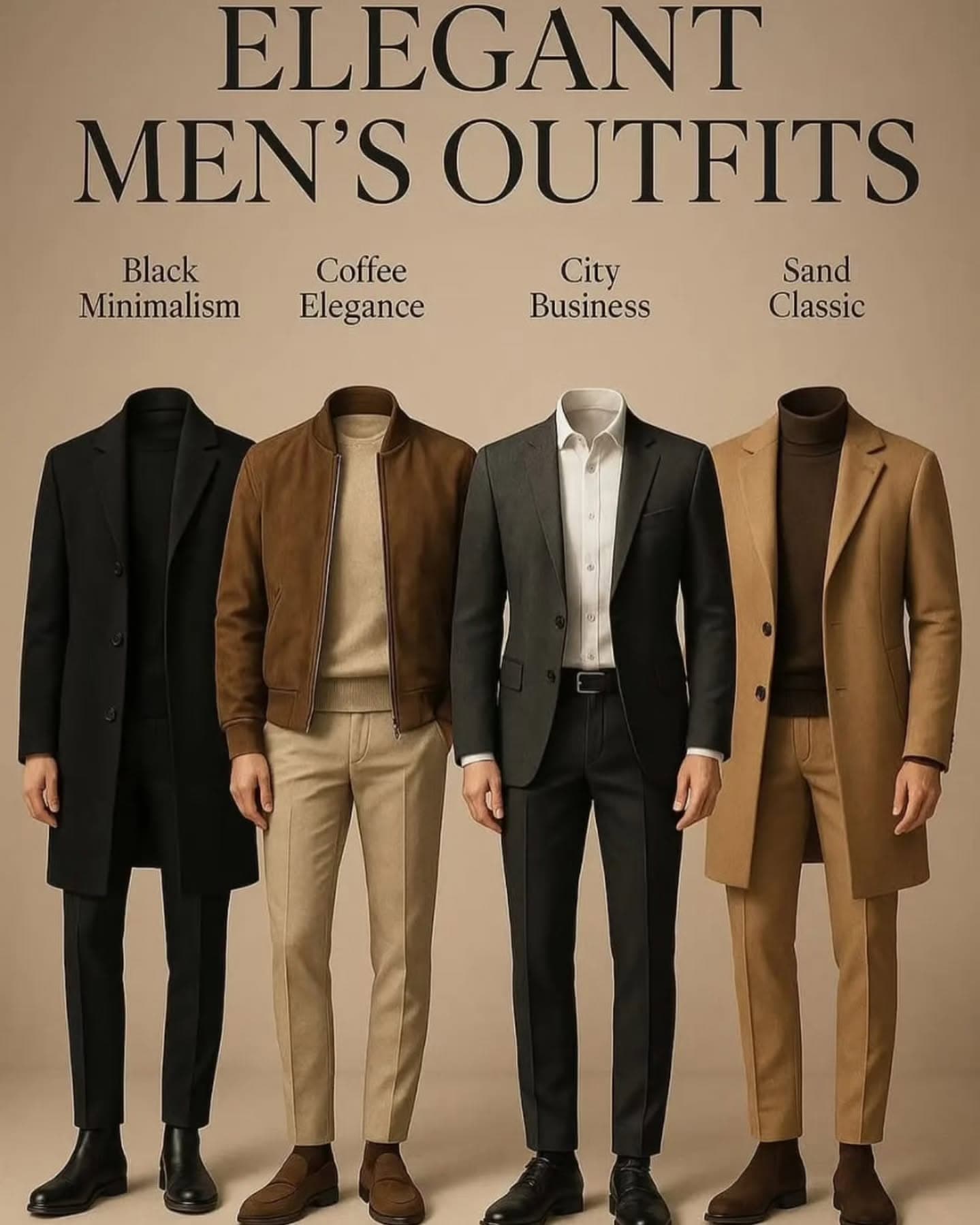
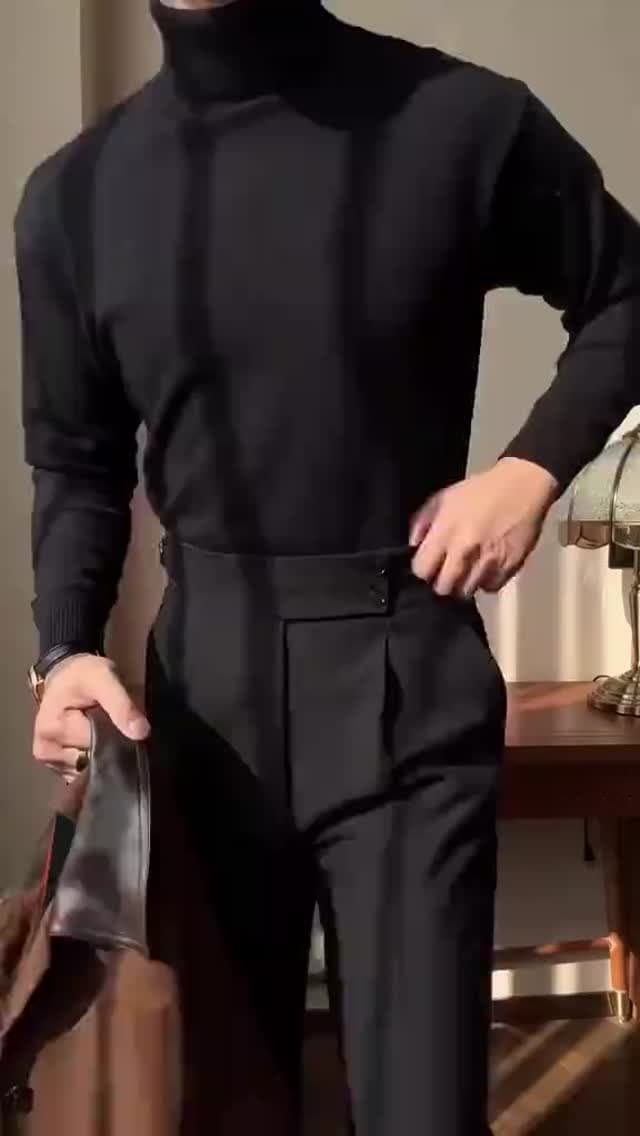
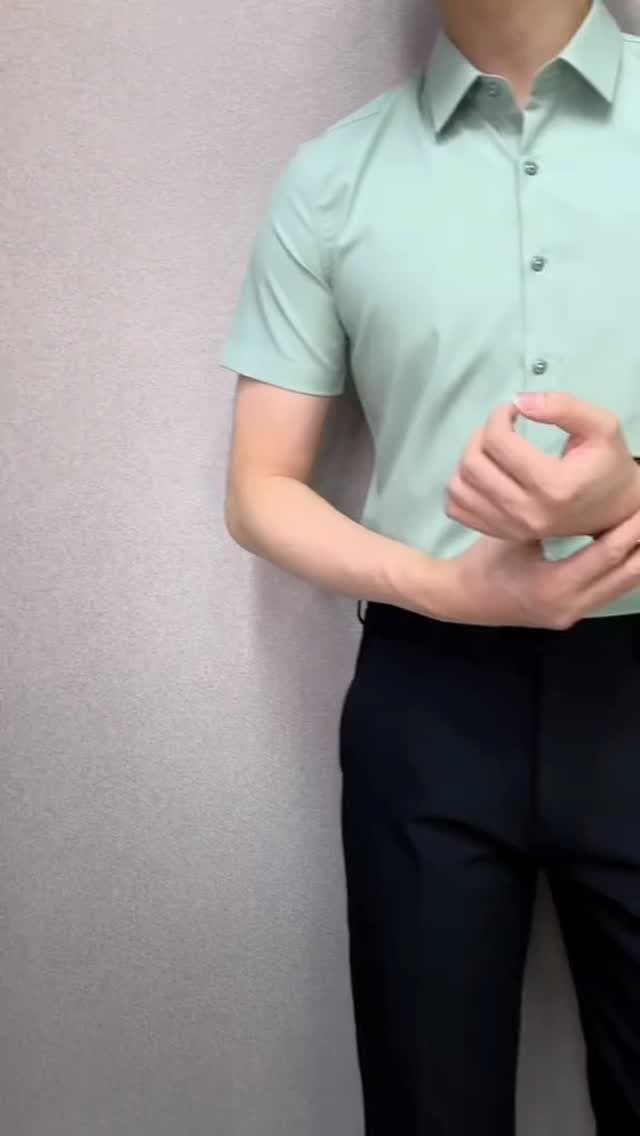
You can build a full week of casual office outfits with two trouser anchors, a few clean shirts, and simple shoes that match the level of the room. The visual idea here is straightforward: light tops, controlled trousers, clean waist definition, and footwear that looks intentional.
If your workplace is not strict suit-and-tie, this is the kind of system that saves time and still makes you look put together.
A casual office outfit should not feel like weekend clothing that accidentally entered the office.
It needs three things:
That is it.
The mistake most men make is starting with the loudest item in the wardrobe. A printed shirt. A trendy sneaker. A jacket they bought because it looked good online. Then they try to force everything else around it.
Start with trousers instead.
Trousers control the formality of the outfit. Jeans usually push the look casual. Pleated trousers, chinos, and clean straight-leg trousers push the look more adult. If you choose the right two pairs, you can change the shirt every day and still look like you planned the outfit.
For a casual office, the safest two-trouser system is:
That gives you contrast. It also stops every outfit from looking the same.
If you need the foundation first, read the full men's wardrobe essentials guide. This article is the office version of that idea.
Two trousers sound too simple until you understand rotation.
A trouser does not change the outfit by itself. The top, shoes, belt, and layer change the mood. The same dark grey trouser can work with a white shirt on Monday, a cream knit on Wednesday, and a black polo on Friday. The same light trouser can work with a navy shirt, pale blue shirt, beige shirt, or olive overshirt.
That is how men with good style avoid closet clutter.
They repeat the base. They change the signal.
Here is the simple system:
You do not need seven different trousers for seven office days. You need trousers that let shirts rotate without fighting the outfit.
This is also why fit matters. If the trousers are sloppy, every outfit built on them looks sloppy. Before expanding your office wardrobe, check how clothes should fit men and the detailed guide on how a shirt should fit.
This is the easiest Monday outfit.
White shirt. Dark trousers. Dark shoes.
It works because the contrast is clean. The shirt brightens the face and the dark trousers ground the outfit. You can wear this with black trousers, charcoal trousers, or navy trousers. Keep the shirt plain. Keep the collar open if your office is casual. Button one more button if you need to look sharper.
The key detail is control.
Do not let the shirt balloon over the waistband. If you tuck it, tuck it properly. If you leave it untucked, the hem should not cover half your thighs. The shoulder seam should sit near your shoulder bone. The sleeve should not drown your wrist.
Good add-ons:
Avoid:
This outfit is simple, but simple only works when everything is clean.
Navy with white, cream, or pale blue trousers is one of the strongest casual office combinations a man can wear.
It has contrast without being loud. It looks adult without becoming stiff. It also works across many skin tones because navy is strong enough to frame the upper body but not as harsh as black.
Use a navy button-up shirt, knit polo, or fine-gauge long-sleeve polo. Pair it with light trousers and finish with brown loafers, black loafers, or clean minimal sneakers depending on your workplace.
If your office leans business casual, choose loafers.
If your office leans creative or tech casual, clean leather sneakers can work.
The important part: the trousers must be clean. Light trousers show wrinkles, stains, and poor fabric faster than dark trousers. Press them. Check pockets. Keep the break neat.
For more dress-code control, use the business casual men guide and the smart casual men guide. Those two guides will help you decide whether this outfit needs loafers, sneakers, or a blazer.
Light blue and white is fresh, but it can look weak if the fit is lazy.
The way to make it work is structure.
Choose a light blue Oxford shirt, poplin shirt, or clean button-down. Pair it with white or cream trousers. Then add a belt and shoes that give the outfit weight. Brown leather works well. Black can work if the rest of the outfit is sharper.
This outfit is best for warmer weather, modern offices, Friday workdays, client coffee meetings, and smart daytime plans after work.
Keep these checks:
If you are not used to light trousers, start with cream or stone instead of pure white. It is easier to wear and less risky.
Beige is useful because it softens an office outfit.
A beige shirt with pale blue trousers feels relaxed and clean. A beige shirt with charcoal trousers feels more mature. A beige overshirt with a white tee underneath can work if your office allows layered smart casual outfits.
The danger with beige is looking washed out.
Fix it by using contrast somewhere else:
Do not wear beige top, beige trousers, beige shoes, and no structure unless you know exactly what you are doing. On most men, that becomes flat.
Use beige as the soft piece. Let the trousers or shoes provide the anchor.
Black shirt with white or cream trousers can look sharp, but it needs restraint.
This is not the place for a shiny black dress shirt, huge collar, or tight club fit. Choose a black knit polo, camp-collar shirt, Oxford shirt, or clean button-up. Pair it with cream, stone, or white trousers.
This works especially well for:
Keep accessories minimal. A black belt, black loafers, and a watch are enough. If you add sunglasses, jewelry, or a bag, keep them quiet.
Black already has visual weight. You do not need to add more noise.
If you like darker looks, read how to dress well as a man. The same principle applies there: dark clothes look best when fit, fabric, and shoe choice are clean.
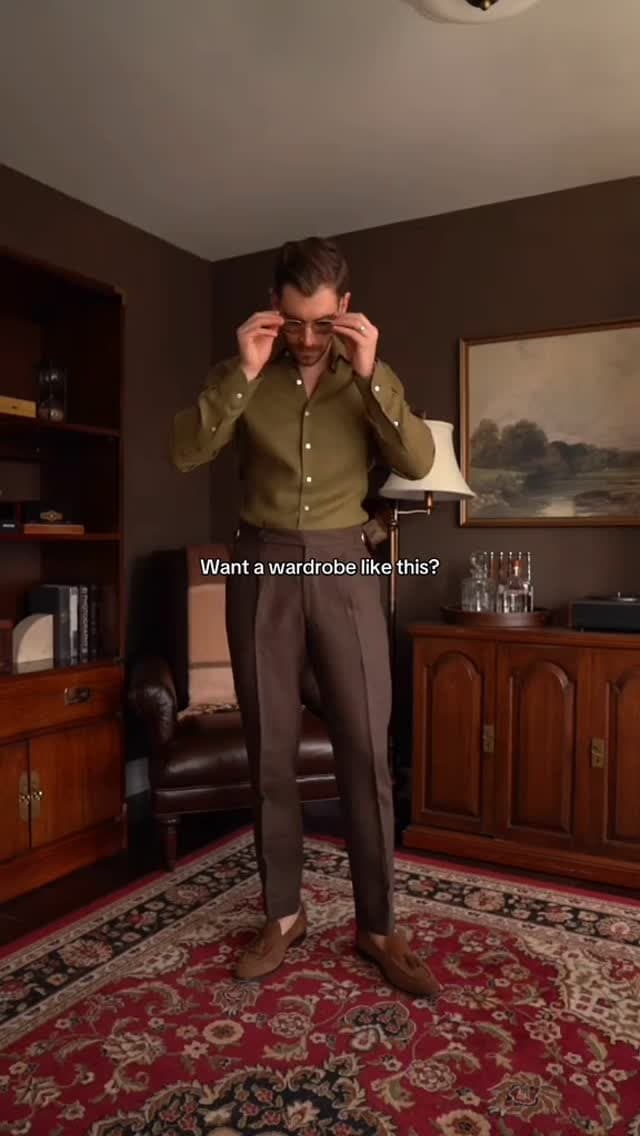
Olive is one of the best colors for men who want something more interesting than navy, white, grey, and black.
It still feels masculine and grounded, but it is not aggressive. With light trousers, it becomes clean and modern. With dark trousers, it becomes more rugged.
For the office, keep olive refined:
Pair it with cream, stone, pale blue, or charcoal trousers. Brown leather shoes make the outfit warmer. Black shoes make it sharper.
Do not overdo military styling. Olive shirt plus cargo trousers plus boots can become too weekend-heavy for the office. If the top is olive, keep the trousers cleaner.
Light grey is quiet. That is the advantage.
A light grey shirt with white trousers creates a soft minimal outfit. A light grey shirt with charcoal or black trousers creates a sharper office base. This is a good Sunday-to-Monday bridge if you want something calm but still presentable.
The risk is looking unfinished.
Add one finishing detail:
Grey needs finishing because it does not naturally command attention. That is why grooming matters. A clean haircut and neat facial hair can make a grey shirt outfit look intentional instead of plain.
For grooming basics, use the men's grooming routine. Clothes and grooming should work together.
The same outfit can change level with shoes.
White shirt, dark trousers, and black loafers? Office-ready.
White shirt, dark trousers, and chunky running shoes? Weekend.
Navy shirt, light trousers, and brown loafers? Smart casual.
Navy shirt, light trousers, and loud sneakers? Too casual for many workplaces.
A casual office shoe rotation should include:
Keep them clean. A dusty shoe ruins a clean office outfit faster than a basic shirt does.
If you need a stronger footwear base, read men's shoes every man should own.
Accessories should finish the outfit, not fight it.
For office dressing, start with three items:
Match black shoes with a black belt when the outfit is sharper. Match brown shoes with a brown belt when the outfit is warmer. You do not need perfect matching every time, but the leather family should make sense.
A carried layer also helps. A blazer, overshirt, cardigan, or light coat gives the outfit purpose. It makes a simple shirt-and-trouser combination look planned, especially when you walk into a meeting, coffee shop, or dinner after work.
Just avoid carrying random clutter. A crushed hoodie or gym bag changes the whole message.
Before you leave, check this:
That last question is useful.
A casual office outfit does not need to impress everyone. It needs to show that you respect the room and respect yourself.
If your office wardrobe is weak, do not buy seven outfits.
Buy this first:
That is enough to build more outfits than most men realize.
Once that works, add seasonal layers: blazer, overshirt, cardigan, light coat, or knitwear.
Do not start with the statement pieces. Start with repeatable pieces.
Yes, if the office is casual or smart casual and the trousers are clean, opaque, and well fitted. Avoid white trousers in very conservative workplaces unless the dress culture clearly allows them. Cream or stone trousers are usually easier than bright white.
They can be, but they must be clean and minimal. White leather sneakers are safer than running shoes. If you are meeting clients, presenting, or attending a formal office event, loafers or dress shoes are usually better.
For a simple casual office rotation, start with two strong trousers: one light and one dark. Add a third pair only after those two fit well and work with most of your shirts.
If the shirt is long or the office leans smarter, tuck it. If it is a shorter casual shirt or overshirt, it can be worn untucked. The rule is simple: the hem should look intentional, not accidental.
White, navy, light blue, grey, beige, cream, black, olive, and charcoal are the safest. They mix easily and look mature without needing loud styling.
You do not need a different wardrobe for every workday.
You need a system.
Start with two good trousers. Rotate clean shirts and knits. Keep shoes simple. Use a belt, watch, and one layer to finish the outfit. That is how you look sharp all week without overthinking every morning.
Save this guide and build your next office week from the trousers first.
Build a reliable men’s wardrobe with 20 essential pieces: shirts, jeans, chinos, shoes, outerwear, accessories, and grooming basics.