Loading...
Style guides, outfit breakdowns, and deals — curated weekly for the modern Pakistani man.
12,000+ subscribers · No spam · Unsubscribe anytime
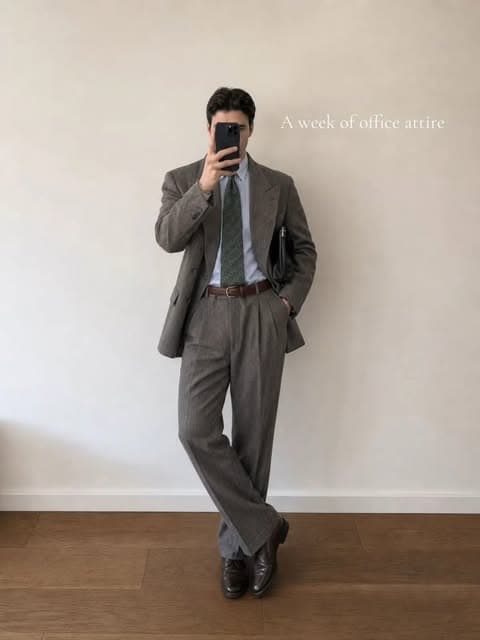
Learn business casual for men with outfit formulas, shirt choices, trousers, shoes, jackets, and office mistakes to avoid.
Business casual for men means professional, clean, and work-appropriate without a full suit and tie. The safest outfit is an Oxford shirt or knit polo, tailored chinos or wool trousers, leather shoes, and an optional blazer. Your goal is to look reliable in the office, not like you are going to the gym or a wedding.
Affiliate disclosure: This article may include affiliate recommendations. If you buy through them, Men Fashion Sense may earn a commission at no extra cost to you.
Image prompt: Premium office editorial image of a man in light blue Oxford shirt, charcoal trousers, brown Derbies, and navy blazer over arm, modern workspace, warm neutral palette, no logos, no text.
Business casual sits between formal business wear and relaxed casual clothing. It removes the tie and sometimes the suit, but keeps the standards: clean lines, good fit, adult shoes, and clothes that respect the workplace.
A business casual outfit should let people focus on your work, not your outfit mistakes. It should be comfortable enough for a full day, but polished enough for meetings.
Every office has its own version. A finance office may expect wool trousers and leather shoes. A creative office may allow dark jeans and minimal sneakers. When you are new, dress slightly cleaner than the average until you understand the culture.
Smart casual can be social. Business casual is professional. That means fewer date-night textures, fewer trendy pieces, and fewer risky colours.
A knit polo with loafers can be smart casual and business casual. A suede jacket with dark jeans may be smart casual, but not business casual in a conservative office.
When in doubt, choose a collared shirt, tailored trousers, and leather shoes. You can relax the outfit later.
Oxford shirts are the core. White and light blue should come first. They work under blazers, with chinos, with wool trousers, and with knitwear.
Button-down collars are easier for beginners because they sit neatly without a tie. Avoid shiny dress shirts unless the office is more formal.
Knit polos can work in modern offices, especially in summer. Choose structured collars and quiet colours. A floppy sport polo with a huge logo looks lazy.
Chinos are common, but fit matters. They should sit at the waist without squeezing, taper gently, and break cleanly at the shoe. Navy, khaki, olive, and stone are useful.
Wool trousers look more professional and often feel more comfortable than men expect. Grey wool trousers with a blue shirt and brown shoes is one of the easiest office outfits.
Avoid trousers that are too skinny, too long, or too casual. Pooled fabric at the ankle makes the whole outfit look unfinished.
The best business casual shoes are loafers, Derbies, brogues, Chelsea boots, and clean minimal leather sneakers if your office allows them.
Brown leather is the most versatile for business casual. It works with navy, grey, olive, khaki, and denim. Black leather is sharper and better for charcoal, black, and more formal offices.
Keep shoes clean. Scuffed shoes can make a good shirt and trouser combination look careless.
Sometimes. Business casual jeans should be dark, plain, and fitted without distressing. Think dark indigo straight jeans with an Oxford shirt and loafers, not ripped light-wash jeans with trainers.
If you are meeting clients, interviewing, presenting, or attending a serious meeting, choose trousers instead. Jeans are a privilege of the office culture, not a universal rule.
If your office says business casual but everyone senior wears trousers, pay attention. Dress for the role you want without looking like you are wearing a costume.
A navy blazer is the easiest upgrade. It turns chinos and a shirt into a complete office outfit. Choose soft structure if your workplace is relaxed and sharper structure if it is more formal.
Merino sweaters, cardigans, overshirts, and chore jackets can work in casual offices. Keep them clean and simple.
Avoid hoodies unless your office culture clearly accepts them. Even then, a knit or overshirt usually looks more mature.
Summer business casual is about fabric. Use linen blends, lightweight cotton, tropical wool, and breathable knitwear. Do not solve heat by dressing like you are at the beach.
Good summer outfit: light blue Oxford shirt, stone chinos, brown loafers. Another: navy knit polo, grey lightweight trousers, clean leather sneakers.
If you sweat easily, keep a spare undershirt, use antiperspirant properly, and choose darker shirts or textured fabrics that do not show moisture quickly.
Formula one: white Oxford shirt, navy chinos, brown loafers. Simple and reliable.
Formula two: light blue shirt, grey wool trousers, dark brown Derbies. More professional.
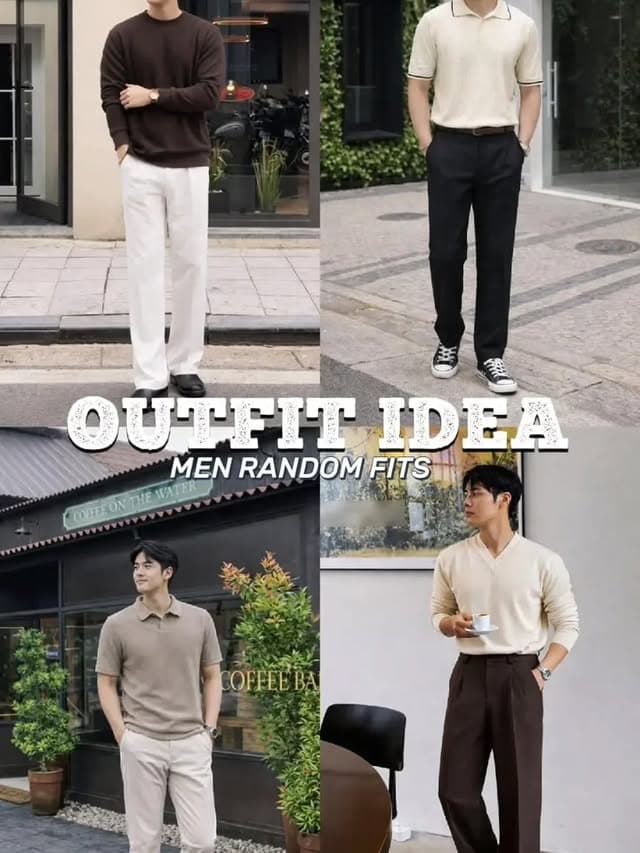
Formula three: navy knit polo, stone chinos, suede loafers. Good for warm weather.
Formula four: white shirt, charcoal trousers, navy blazer, black loafers. Good for meetings.
Do not wear gym shoes unless the office clearly accepts them. Do not wear wrinkled shirts. Do not wear trousers that drag on the floor. Do not hide behind oversized clothes because you think office style has to be uncomfortable.
Business casual is not about showing off. It is about looking steady, prepared, and easy to trust.
Useful next reads from Men Fashion Sense:
In a conservative industry, business casual still leans sharp. Think Oxford shirts, wool trousers, leather shoes, and blazers. You may not need a tie, but you should still look ready to meet a client. Keep colours classic: white, blue, navy, grey, charcoal, and brown.
In a tech or creative office, business casual may be more relaxed. Dark jeans, knit polos, overshirts, clean sneakers, and chore jackets might be accepted. But accepted does not always mean best. If everyone dresses carelessly, a clean outfit can help you stand out in a good way.
In hospitality, sales, real estate, and client-facing work, presentation matters because people judge reliability quickly. You do not need luxury clothes. You need pressed shirts, clean shoes, controlled grooming, and clothes that fit.
If you are remote but attend video calls, business casual still matters from the waist up. A clean knit, Oxford shirt, overshirt, or simple blazer looks better on camera than a tired hoodie. Good lighting and grooming also count.
A strong business casual capsule can be small. Start with two Oxford shirts, one knit polo, one merino sweater, two chinos, one pair of grey trousers, one navy blazer, brown loafers, brown Derbies, and a clean belt. Add a coat when the season requires it.
With these pieces, you can build a full week: blue shirt with grey trousers, white shirt with navy chinos, knit polo with stone chinos, sweater over Oxford with trousers, blazer with almost any base. The point is not variety for its own sake. The point is reliability.
Keep your office clothes separate from your rough weekend clothes. Once collars stretch, shoes get beaten up, or chinos fade badly, they stop looking professional. Retire them to casual use instead of pretending nobody notices.
Your shirt collar should allow one or two fingers of room. Shoulder seams should sit near the edge of your shoulder. Sleeves should end around the wrist bone. If the shirt balloons at the waist, consider a slimmer cut or tailoring.
Trousers should stay up without a tight belt. The seat should not pull. The thigh should allow sitting. The hem should touch the shoe cleanly without heavy pooling. A small tailoring job can make affordable trousers look much better.
Blazers should sit smoothly at the shoulder and close without an X-shaped pull at the button. Sleeve length should show a little shirt cuff. If the jacket is too long, too tight, or too padded, the whole outfit can look dated.
Business casual is not only clothes. Hair, facial hair, nails, breath, and fragrance affect how professional you seem. Keep a regular haircut schedule. Trim neck hair. Maintain your beard shape or shave cleanly. Use fragrance lightly, especially in shared offices.
Wrinkles matter. Keep a steamer or iron available. A wrinkled shirt can make a good outfit look like you slept in it. This is one of the easiest fixes and one of the most ignored.
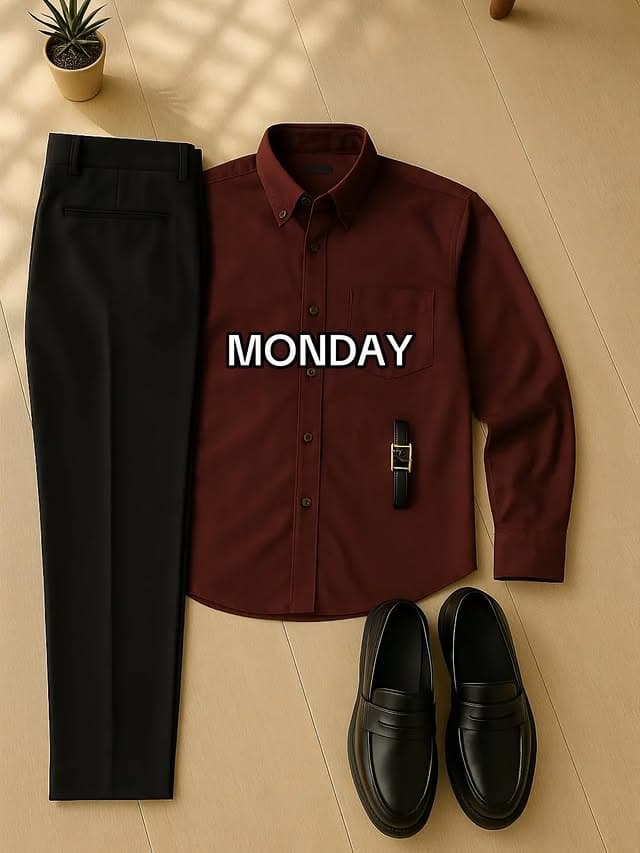
Monday: white Oxford shirt, navy chinos, brown Derbies. Tuesday: light blue shirt, grey trousers, loafers. Wednesday: navy knit polo, stone chinos, clean leather sneakers if allowed. Thursday: Oxford shirt under merino sweater, charcoal trousers, Derbies. Friday: dark jeans, button-down shirt, casual blazer, loafers.
This is enough variety for most men. You do not need a closet full of statement pieces. You need a repeatable standard.
Do not start with loud statement blazers, unusual shoe colours, skinny patterned trousers, or shirts with giant contrast collars. These pieces are hard to repeat and can make you look like you are performing professionalism instead of practicing it.
Do not buy cheap shiny dress shoes if you can avoid it. A simple pair of brown leather Derbies or loafers will usually serve you better than overly pointed shoes with plastic-looking leather.
Do not buy five random shirts just because they are on sale. Buy two excellent basics first: white and light blue. Then add stripes, checks, or knit polos once the foundation works.
For the first week, dress slightly more polished than you think you need to. This does not mean wearing a full suit to a hoodie office. It means choosing clean trousers, a proper shirt, and adult shoes until you understand the culture.
Notice what respected people in the office wear, not just what everyone wears. The most useful clue is often the person whose role you want in two years. Dress in a way that would not look strange if you were invited into a better room.
After the first week, adjust. If the office is relaxed, you can soften the outfits. If the office is stricter, you are already prepared.
Hang shirts properly after washing. Steam or iron before the week starts. Brush suede shoes, polish leather shoes, and rotate pairs so they can dry between wears. Use shoe trees if possible.
Check collars and cuffs because they show wear first. Replace undershirts before they yellow. Keep a lint roller in your closet or bag. These small habits make affordable clothes look more expensive.
Set up outfits on Sunday night if mornings are rushed. Five minutes of planning can prevent five days of random dressing.
Business casual is not about pretending to be important. It is about removing reasons for people to doubt your preparation. When your clothes fit, your shoes are clean, and your grooming is handled, you can focus on speaking clearly and doing the work.
People may not remember your exact shirt, but they remember whether you looked careless or composed. That matters in interviews, client meetings, promotions, and first impressions.
Before leaving for work, check five things: collar flat, shirt not wrinkled, trousers clean at the ankle, shoes wiped, and fragrance controlled. If those five are handled, most business casual outfits look better immediately. Keep a spare shirt at work if you commute, sweat heavily, or often go from desk to dinner. Prepared men look calmer because they are not solving preventable problems in public.
One more rule: keep a dark blazer or clean jacket available at the office if your schedule changes often. It can rescue a simple shirt and chinos when a meeting, dinner, or client visit appears without warning.
The simplest way to improve is to test the outfit before the important day. Put it on fully, including shoes and outerwear, then take a quick photo in natural light. Photos reveal colour clashes, poor length, wrinkling, and proportion problems faster than guessing in the mirror. If something looks off, fix one thing at a time: shoes first, then trouser length, then shirt fit, then colour. This keeps style practical instead of stressful.
If your office is unclear, start with this formula: oxford shirt, chinos or wool trousers, leather belt, and loafers, derbies, or clean minimalist sneakers if your workplace allows them. Add a navy blazer when you need more authority. Remove the blazer when the room is relaxed. This gives you range without changing the whole outfit.
Avoid clothes that look too weekend-focused: loud graphics, distressed denim, gym sneakers, deep V-necks, and shirts that pull at the buttons. Business casual should tell people you are comfortable, but still serious about the room you are in.
Business casual means professional clothing without a full suit and tie: collared shirts, chinos or trousers, leather shoes, and optional blazers.
Some offices allow clean minimal leather sneakers. If the office is conservative or client-facing, choose loafers, Derbies, or brogues instead.
Dark plain jeans can be business casual in relaxed offices, but trousers are safer for meetings, interviews, and conservative workplaces.
Brown leather is the most versatile for business casual. Black works better for sharper, more formal outfits.
For most business casual offices, tuck woven shirts. Knit polos can be untucked if the hem is short and clean.
Business casual is simple when you respect the room: clean shirt, proper trousers, adult shoes, and a layer when needed. Use the formulas above this week and notice how much easier mornings become.
Build a reliable men’s wardrobe with 20 essential pieces: shirts, jeans, chinos, shoes, outerwear, accessories, and grooming basics.