Loading...
Style guides, outfit breakdowns, and deals — curated weekly for the modern Pakistani man.
12,000+ subscribers · No spam · Unsubscribe anytime
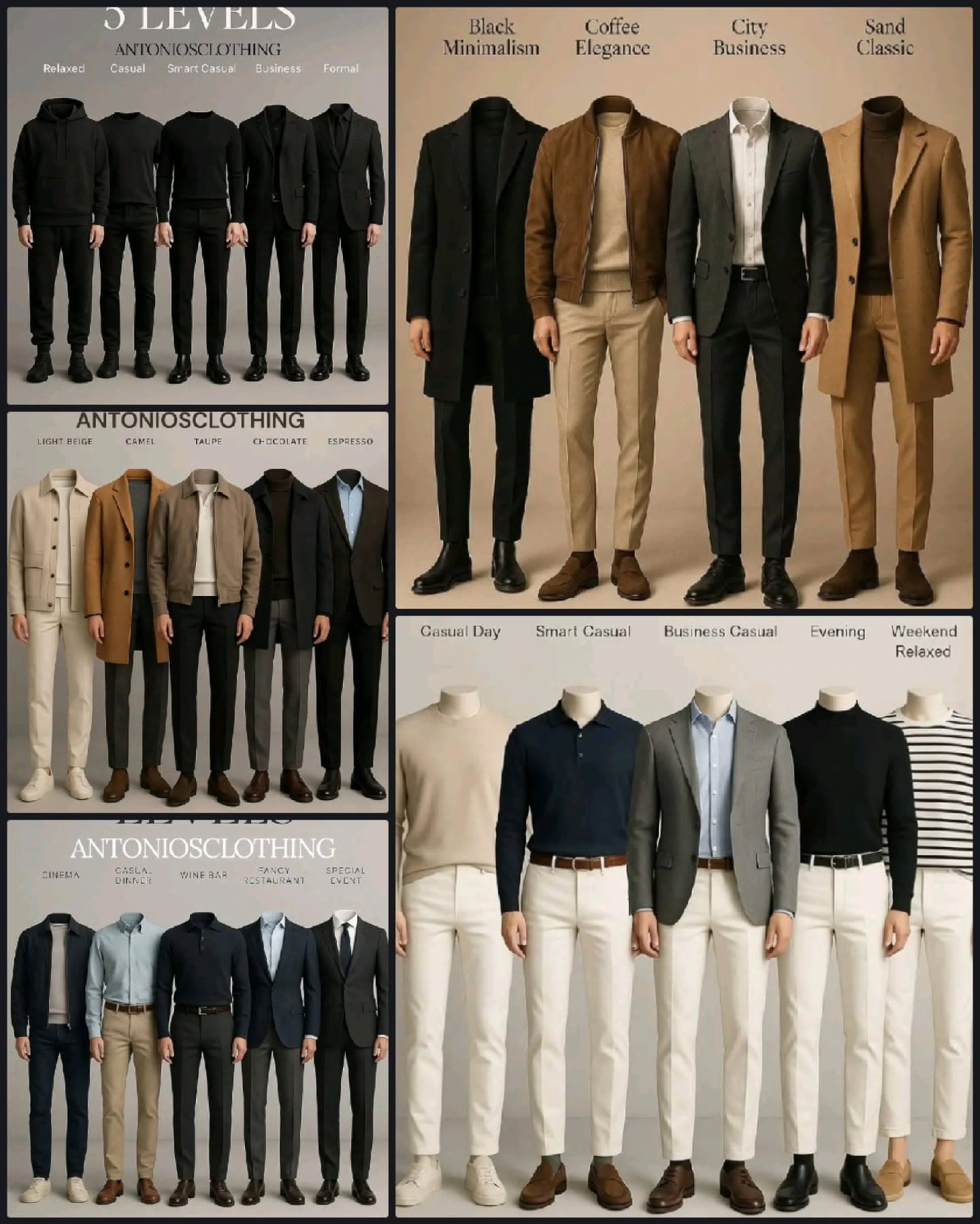
Learn the essential men’s style basics: fit, colour, shoes, grooming, accessories, dress codes, and how to look put together.
Affiliate disclosure: this article mentions useful basics such as shirts, trousers, shoes, belts, and measuring tools. If affiliate links are added, recommend only items that help the reader apply the rule.
Men’s style basics are simple: wear clothes that fit, build around neutral colours, keep shoes clean, dress for the room, and let grooming finish the outfit. If you are confused, do not start with trends. Start with these 10 rules and your daily outfits will look cleaner immediately.
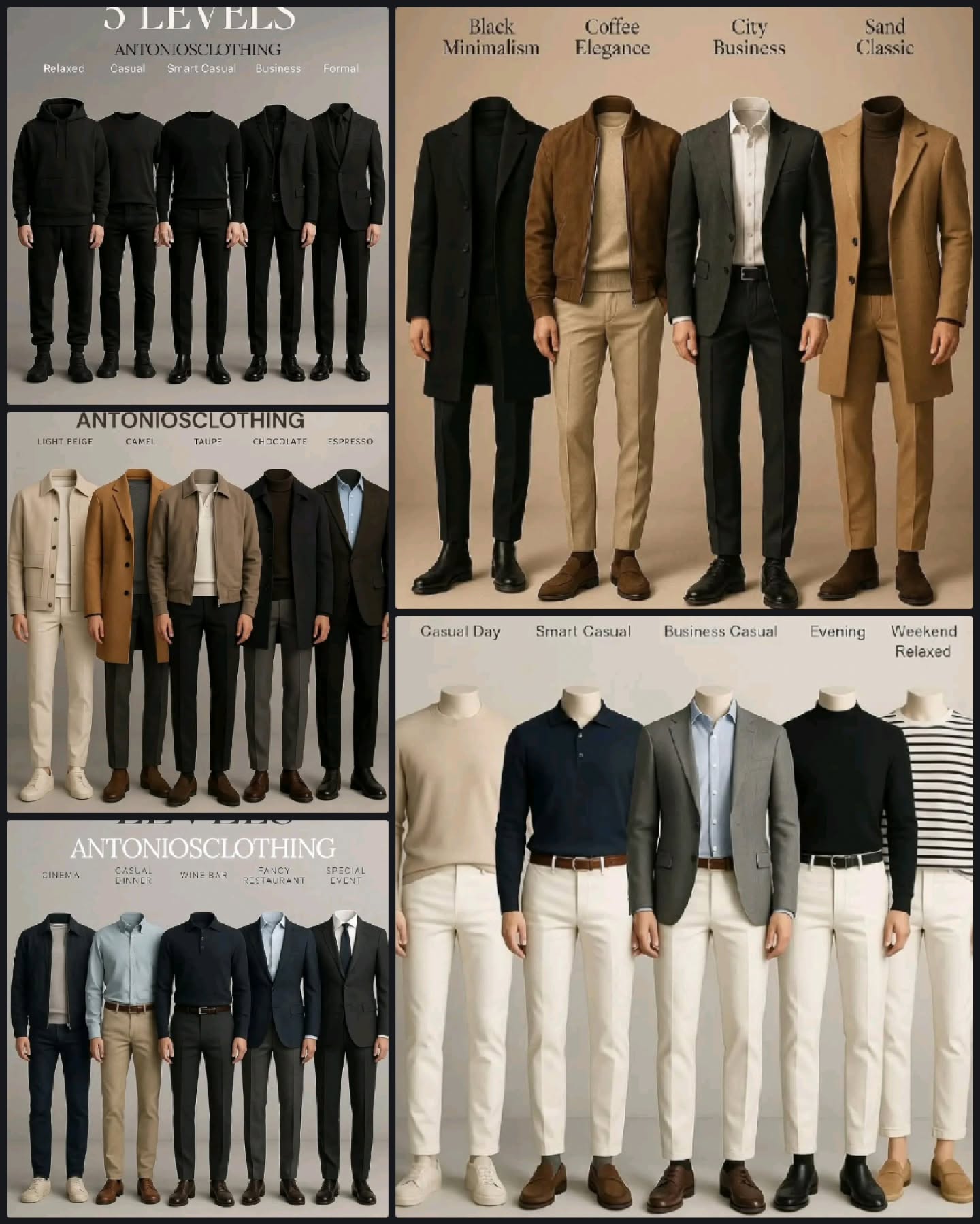
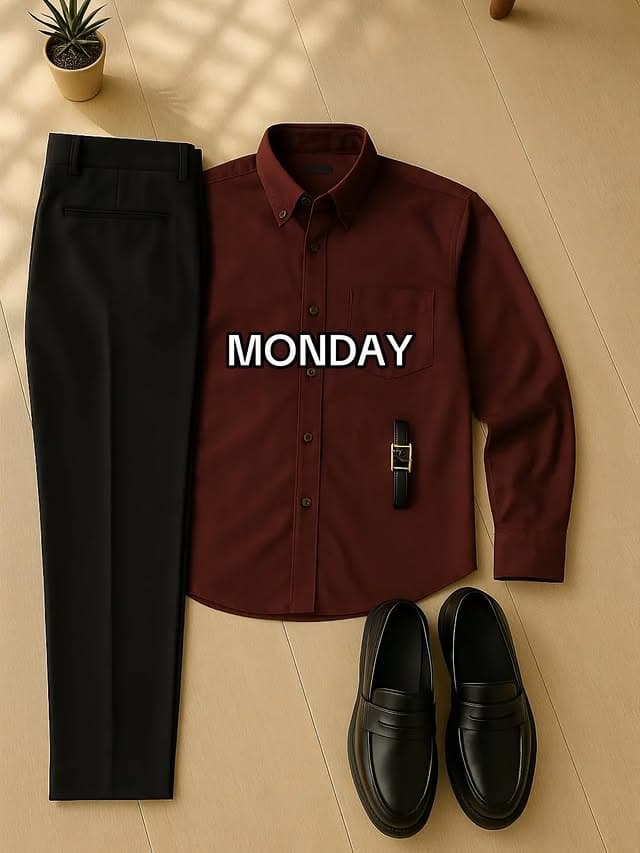
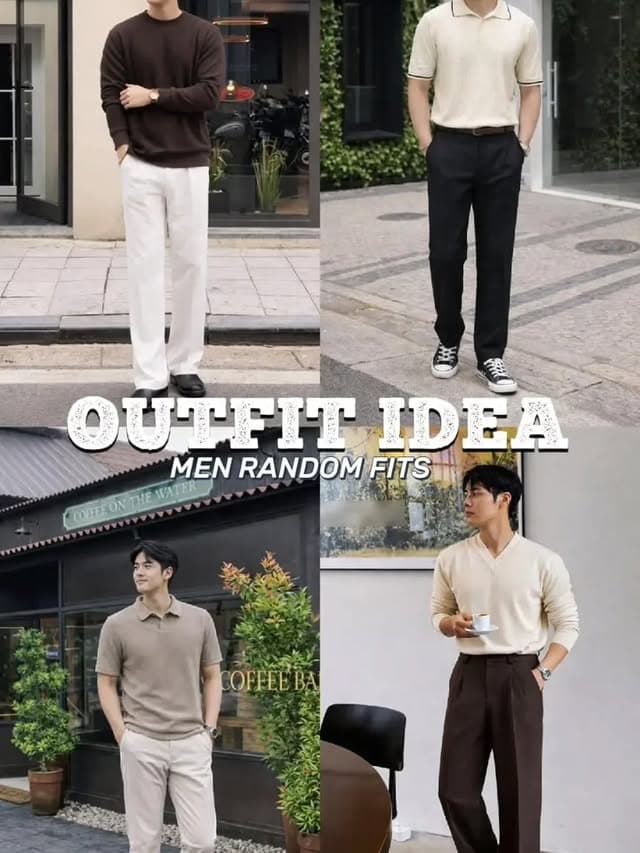
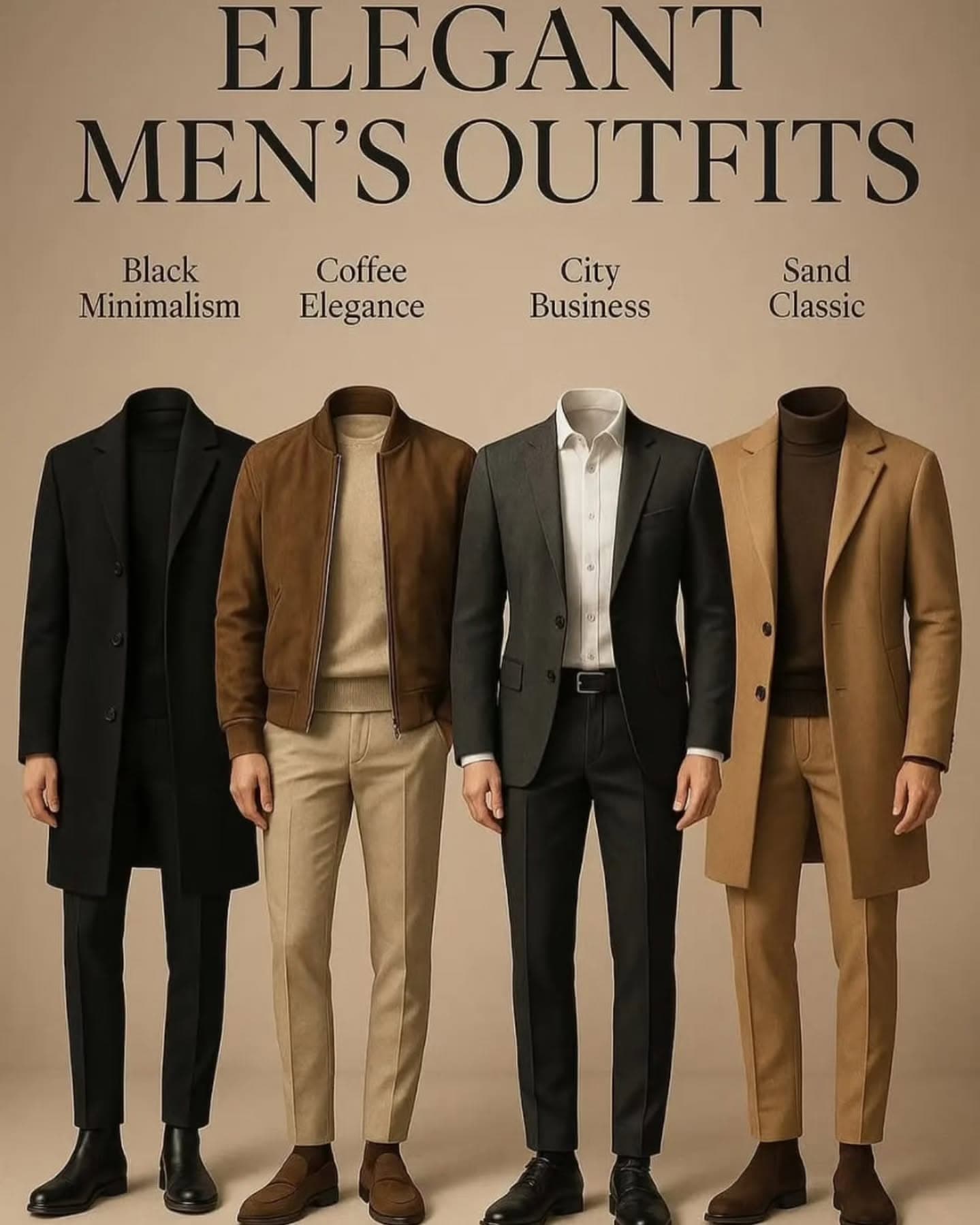
Men Fashion Sense image reference: Topic-matched visual for Men’s Style Basics: The 10 Rules Every Man Should Know.
Fit is the first thing people see, even if they do not know they are seeing it. A shirt that pulls at the buttons looks wrong. Trousers puddling over the shoes look unfinished. A jacket with shoulders hanging down the arm looks borrowed.
Good fit does not mean tight. It means controlled. The garment should follow your shape while giving you room to move. If you have to keep adjusting it, it probably does not fit.
Use a mirror test from the front, side, and back. Check shoulder seams, sleeve length, trouser break, waist, and shoe line. If these areas are clean, the outfit already looks more mature.
Copying outfits can help, but copying blindly creates problems. The same cropped jacket, skinny jeans, or oversized shirt will not look the same on every man.
If you are shorter, control length and avoid heavy bunching at the ankle. If you are bigger, use structure and fabrics that skim instead of cling. If you are slim, add shape with layers, texture, and jackets. If you are muscular, avoid shirts that pull across the chest and sleeves.
This is not about hiding your body. It is about using proportion. Clothes should support you, not fight you.
A beginner wardrobe should be mostly neutral: navy, grey, white, cream, black, denim blue, olive, camel, and brown. These colours mix easily and look grown-up.
When you own neutral basics, you can build outfits without overthinking. Navy with white. Grey with black. Olive with cream. Denim with brown. These combinations work because they are calm and flexible.
Loud colours are not banned. Just earn them. Build the base first, then add one accent at a time.
Shoes can make an outfit casual, smart casual, business casual, or formal. Dark jeans with running shoes look relaxed. Dark jeans with Chelsea boots look sharper. Chinos with loafers look more polished than chinos with beat-up sneakers.
Start with three shoes: clean white leather sneakers, brown Chelsea boots, and loafers or Derbies. Keep them clean. Replace laces when they look tired. Use shoe trees or basic shoe care for leather.
If your outfit feels off, look down first.
For casual outfits, you have some freedom. For smart casual, business casual, and formal looks, your belt and shoes should be in the same family. Brown shoes with a brown belt. Black shoes with a black belt.
They do not need to be the exact same shade, but they should not clash. A black belt with light brown loafers looks accidental. A woven belt can work casually, but use a cleaner leather belt when the outfit is dressier.
This small rule makes the outfit look intentional.
A man with 25 useful pieces is better dressed than a man with 100 random pieces. The goal is not minimalism for the sake of minimalism. The goal is connection.
Before buying, ask: can I wear this with at least three outfits? Does it fit my real life? Is it replacing a weak piece or creating another orphan item?
If the answer is no, wait. Bad buying is more expensive than patient buying.
Clothes are only one part of presentation. Hair, beard, skin, nails, scent, and posture all affect the final result.
Keep your haircut on a schedule. Shape facial hair. Use cleanser, moisturizer, and sunscreen. Trim nails. Use fragrance lightly. A clean outfit with poor grooming looks unfinished. A simple outfit with good grooming looks intentional.
Your cologne should not enter the room before you do. Two to four sprays are enough for most settings.
Style is not only personal expression. It is also awareness. A man should understand where he is going and what the situation requires.
For dinner, make a little effort. For work, respect the office culture. For weddings, follow the dress code. For dates, dress like you planned to be there. Being overdressed by one small step is usually safer than looking careless.
The point is respect, not showing off.
Logos can work, but they are not a foundation. Large branding can make a beginner outfit harder to style and easier to date. Clean pieces last longer visually.
Start with plain T-shirts, simple shirts, minimal sneakers, solid knitwear, and classic outerwear. Let fit, fabric, and colour carry the outfit.
When you do wear a logo, keep the rest of the outfit quiet.
Tailoring is not just for suits. Hemming trousers, shortening sleeves, taking in a shirt, or adjusting a jacket can make affordable clothes look far better.
Do not tailor everything. Tailor pieces worth saving: dress trousers, chinos, shirts you wear often, blazers, suits, and overcoats. Skip tailoring cheap items that are wrong in the shoulders or damaged.
A measuring tape is a useful tool. Learn your shoulder, chest, waist, inseam, and sleeve measurements. Shopping becomes easier when you know your numbers.
Before leaving the house, check five things:
If yes, you are ahead of most men.
Rules only matter when they help you get dressed. Start with one situation you face often. If you need a better casual outfit, do not study suits first. Build a clean casual uniform: fitted T-shirt, dark jeans, clean sneakers, and an overshirt or jacket. Once that works, build the next level.
For smart casual, use an Oxford shirt, chinos, leather shoes, and a clean jacket. For office days, use a collared shirt, tailored trousers, and loafers or Derbies. For a date, dress like you planned the evening: clean shoes, good grooming, and one piece with structure such as a jacket, knit, or blazer.
Take photos of your outfits. A mirror can lie because you are used to seeing yourself. A photo shows proportions quickly: sleeves too long, trousers too stacked, colours too loud, or shoes too casual.
Buy in this order if your wardrobe is weak: white T-shirts, Oxford shirt, dark jeans, chinos, white sneakers, brown boots or loafers, knit sweater, casual jacket, navy blazer, grooming basics. Adjust based on your climate and lifestyle.
Do not buy five versions of the same item while another category is missing. Many men own too many T-shirts and sneakers but no clean trousers, no proper shoes, and no jacket that gives shape. Balance the wardrobe before adding extras.
The first mistake is wearing clothes too large because you want comfort. You can have comfort with better cuts. The second mistake is wearing clothes too tight because you think tight means fitted. Fitted means clean, not squeezed.
The third mistake is ignoring shoes. A good outfit with bad shoes drops immediately. The fourth mistake is dressing for a fantasy life instead of real life. Buy for your actual week: work, commute, gym, errands, dates, family events, and weather.
The fifth mistake is thinking style must be loud. Quiet style works better for most men. Clean colours, better fit, good grooming, and respectful presence are enough.
Day 1: clean your shoes. Day 2: remove stained or stretched basics. Day 3: try on your best shirt and check the shoulders. Day 4: hem or cuff trousers that stack too much. Day 5: build one neutral outfit. Day 6: improve grooming. Day 7: photograph the outfit and note what still feels off.
This challenge works because it turns style into action. You do not need to understand everything before improving. You need one better decision today.
If you forget everything else, remember this: make the outfit look intentional. Clean fit, clean shoes, controlled colours, and basic grooming create intention. That is the foundation.
Remove the loudest item, clean the shoes, tuck or untuck with intention, and keep the colours calm. Simple is not boring when the fit is right. Simple is where most men should begin.
The biggest beginner mistake is trying to fix every part of style at once. One week you buy sneakers, the next week you buy a loud jacket, then you try a new haircut, then you copy an outfit that does not match your life. That creates motion, not progress.
Pick one rule from this guide and apply it for seven days. Start with fit if your clothes feel sloppy. Start with shoes if your outfits look too casual. Start with neutrals if nothing matches. Small improvements compound because they make the next decision easier.
If you want the fastest result, clean your shoes, wear your best-fitting trousers, choose a neutral shirt, and fix your grooming before leaving the house. That simple combination will beat most random trend-chasing.
Fit, neutral colours, clean shoes, grooming, and dressing for the room. These basics improve almost every outfit before trends or expensive pieces matter.
Wear simple clothes that fit well, keep colours controlled, choose better shoes, and groom consistently. Effort should be visible as care, not performance.
Trends are optional. Beginners should build a reliable wardrobe first. After you understand fit, proportion, and colour, you can add trends that suit your body and lifestyle.
A safe beginner rule is three main colours or fewer. Use neutrals as the base and add one accent colour if needed.
Clean shoes, better trouser length, and a shirt that fits at the shoulders. Those three changes make a visible difference immediately.
Men’s style basics are not complicated. Fit your clothes, use neutrals, respect the room, care for your shoes, and stay groomed. Master these rules first.
CTA: Save this checklist and use it before your next shopping trip.
Build a reliable men’s wardrobe with 20 essential pieces: shirts, jeans, chinos, shoes, outerwear, accessories, and grooming basics.