Loading...
Style guides, outfit breakdowns, and deals — curated weekly for the modern Pakistani man.
12,000+ subscribers · No spam · Unsubscribe anytime
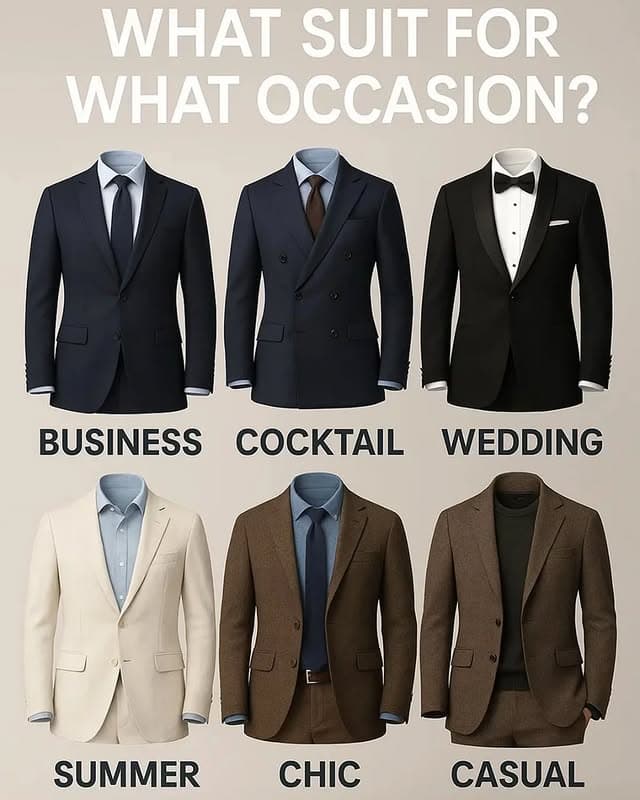
Men's dress codes explained: casual, smart casual, business casual, cocktail, formal, and black tie, with outfit examples and mistakes to avoid.
Affiliate disclosure: This article may include affiliate links to shirts, trousers, suits, and shoes. If you buy through them, Men Fashion Sense may earn a commission at no extra cost to you. Only buy what actually closes a gap in your wardrobe.
Men's dress codes explained simply: casual means clean and relaxed, smart casual adds a collar and real shoes, business casual adds tailoring without a full suit, cocktail and formal mean a suit is expected, and black tie means a tuxedo. The fastest way to get any dress code right is to read the invitation literally, check the venue and time, and dress one notch sharper than the minimum if you're unsure. This guide breaks down every common men's dress code with outfit examples so you never have to guess again.
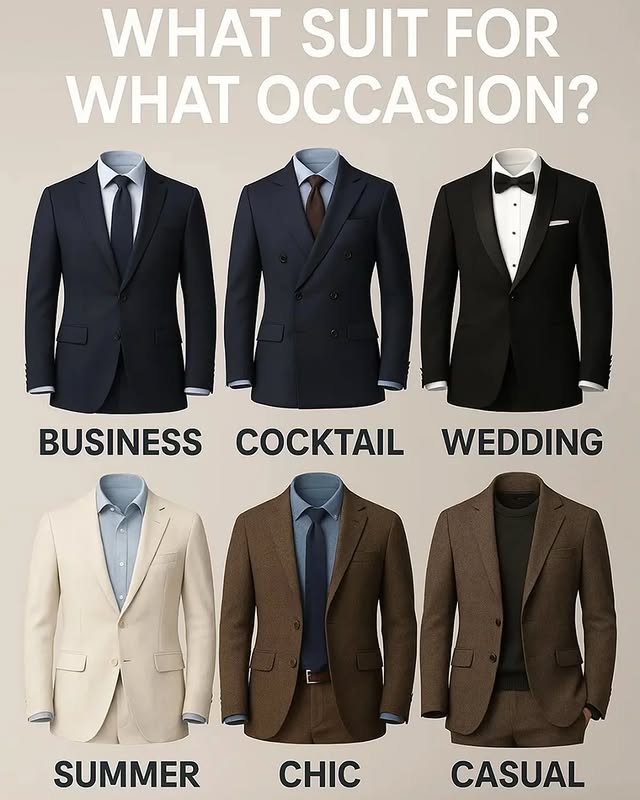
Men Fashion Sense image reference: a formality lineup from casual to black tie, showing how the same man's outfit changes level by level.
There are six dress codes most men will actually encounter: casual, smart casual, business casual, cocktail, formal (black tie optional), and black tie. Each one is defined by three things — what's on top, what's on your feet, and how much tailoring is expected. Once you know the six levels, you can decode almost any invitation in under a minute.
Dress codes exist to answer one question before you even arrive: how much effort does this room expect? Ignoring that question is why men either show up underdressed and feel exposed, or overdressed and feel stiff. Neither is a style failure — it's a research failure. Treating the words on an invitation as real instructions, not decoration, removes almost all of the guesswork.
The good news is that dress codes are a closed system. There are not hundreds of possible formality levels — there are roughly six, and each one has a predictable formula. Learn the formulas once and you can dress correctly for weddings, offices, dinners, and parties without relearning the rules every time.
Casual means clean, not sloppy. Think dark jeans or chinos, a plain t-shirt or casual shirt, and clean sneakers or boots. Avoid anything stained, ripped beyond an intentional style choice, or obviously gym-only. Casual is the one dress code where trainers are usually fine, as long as they're in good condition.
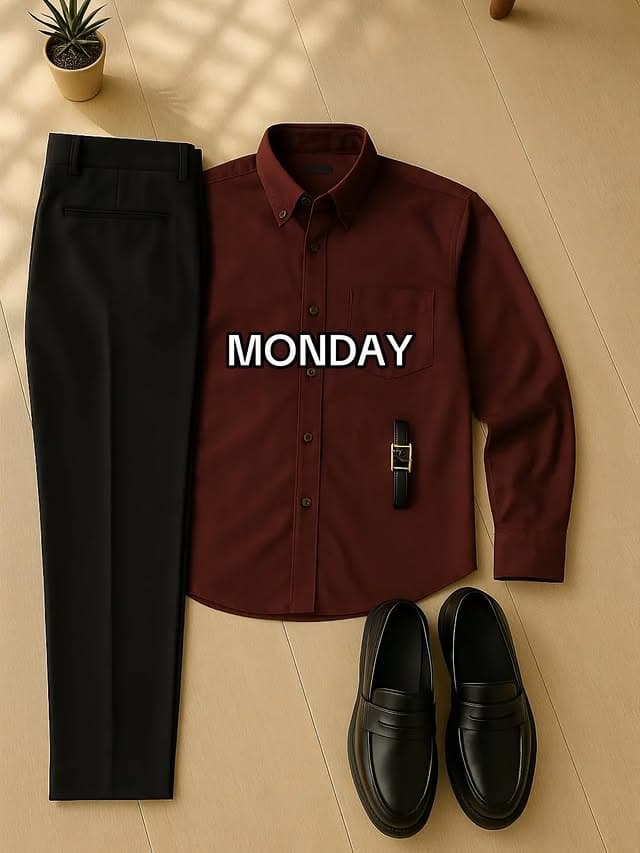
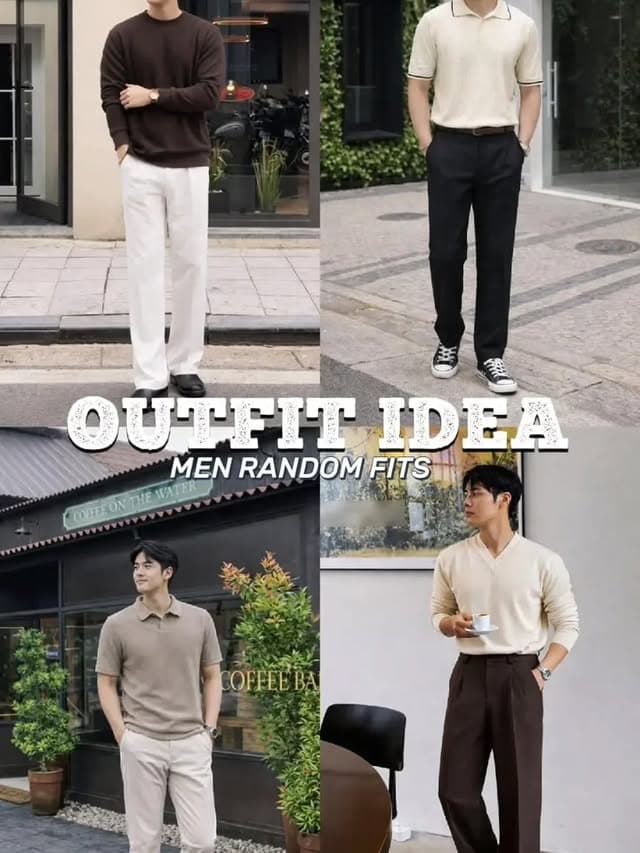
Smart casual is casual with structure added back in. Swap the t-shirt for an Oxford shirt or knit polo, swap sneakers for loafers or Chelsea boots, and add a blazer or overshirt if the setting calls for more presence. This is the dress code for most dinners, first dates, and relaxed office environments.
Business casual removes the full suit but keeps the tailoring. A collared shirt, dress trousers or dark chinos, leather Derbies or loafers, and a blazer if your office expects one. Ties are usually optional. The goal is to look competent without looking like you're heading to a courtroom.
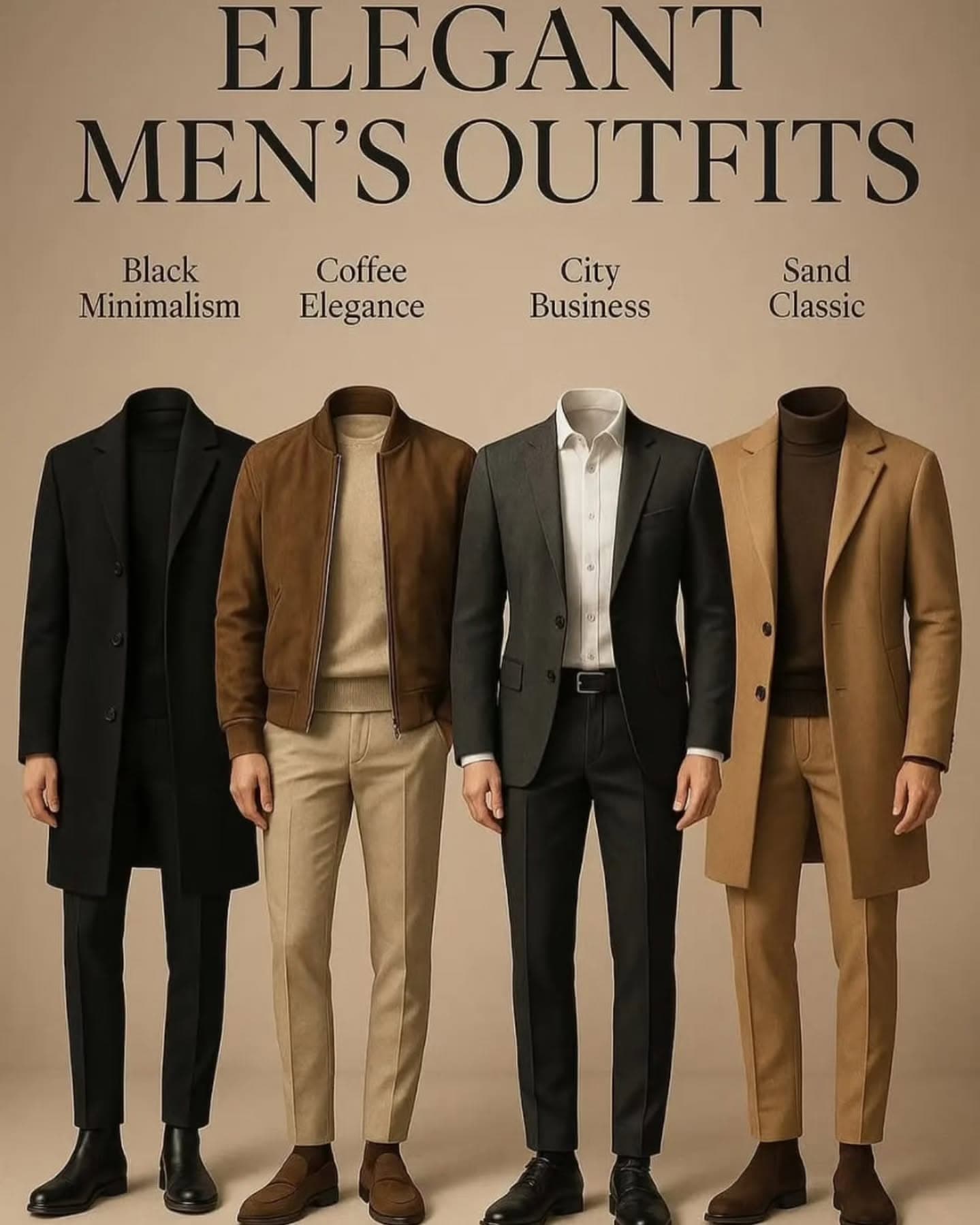
Cocktail attire means a suit for most men — dark, well-fitted, with a dress shirt and leather shoes. A tie is optional depending on the event; many cocktail parties read fine with an open collar if the rest of the outfit is sharp. This is a step up from business casual and a step below formal.
Formal usually means a dark suit, ideally navy or charcoal, a dress shirt, a tie, and polished leather shoes. "Black tie optional" means a tuxedo is welcome but not required — a sharp dark suit is an acceptable substitute if you don't own one.
Black tie means a tuxedo: black dinner jacket, matching trousers, white dress shirt, black bow tie, and black formal shoes. This is not a dress code to improvise. If the invitation says black tie, a regular suit will read as underdressed no matter how well it fits.
Treating the invitation as a suggestion. "Smart casual" and "cocktail" describe different formality levels on purpose. Guessing instead of reading closely is the most common dress-code mistake.
Wearing sneakers to anything above smart casual. Even clean, minimal sneakers read as too relaxed for business casual and above. Swap in loafers or leather shoes once you're past smart casual.
Showing up in a regular suit to a black tie event. Black tie specifically means a tuxedo. A dark suit is a fallback only for "black tie optional," never for black tie itself.
Overdressing so much you stand out for the wrong reason. One notch sharper than the minimum is safe. Three notches sharper can look like you didn't read the room either.
Ignoring the venue and time of day. The same wording on an invitation can mean different things at a 2pm garden lunch versus an 8pm formal dinner. Adjust accordingly.
Build one outfit per dress code you regularly encounter, rather than trying to own everything at once. Most men only need three ready formulas: a smart casual outfit, a business casual outfit, and one formal outfit for weddings and events. Buy toward those three formulas first, and add cocktail or black tie pieces only when an actual invitation requires them.
Casual, smart casual, business casual, cocktail, formal (black tie optional), and black tie. Each one is defined by what's on top, what's on your feet, and how much tailoring is expected.
Smart casual is built around a collared shirt, chinos, and loafers or boots, with a blazer as an option. Business casual keeps that same base but expects sharper tailoring — dress trousers over chinos, and a blazer more often than not.
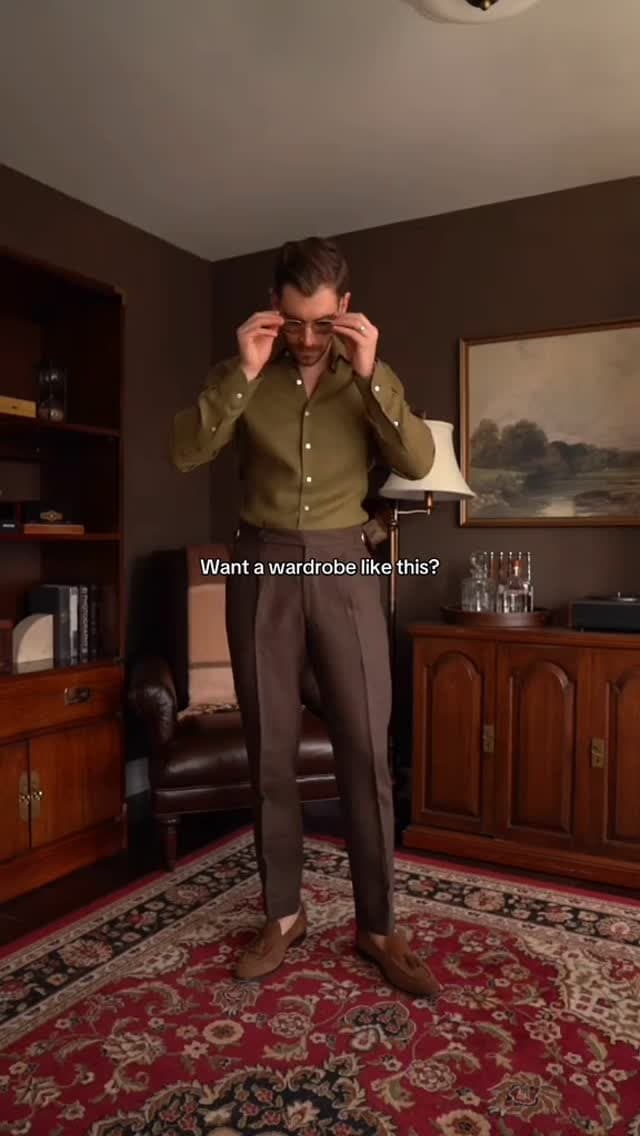
Yes, but soften it. Lose the tie, open the collar, and swap polished dress shoes for loafers or suede shoes so the outfit doesn't read as full business formal.
It means a tuxedo is welcome but not mandatory. A well-fitted dark suit, white shirt, and tie is an acceptable substitute if you don't own a tuxedo.
Ask the host directly if possible, or check the venue and time of day. If you still can't tell, dress one notch sharper than the minimum — it's easier to remove a blazer than to fix an outfit that's too casual.
Men's dress codes are not mysterious once you know the six levels: casual, smart casual, business casual, cocktail, formal, and black tie. Read the invitation literally, check the venue, and when in doubt, dress one step sharper than you think you need to.
CTA: Download the Smart Casual Cheat Sheet and never second-guess an invitation again.