Loading...
Style guides, outfit breakdowns, and deals — curated weekly for the modern Pakistani man.
12,000+ subscribers · No spam · Unsubscribe anytime
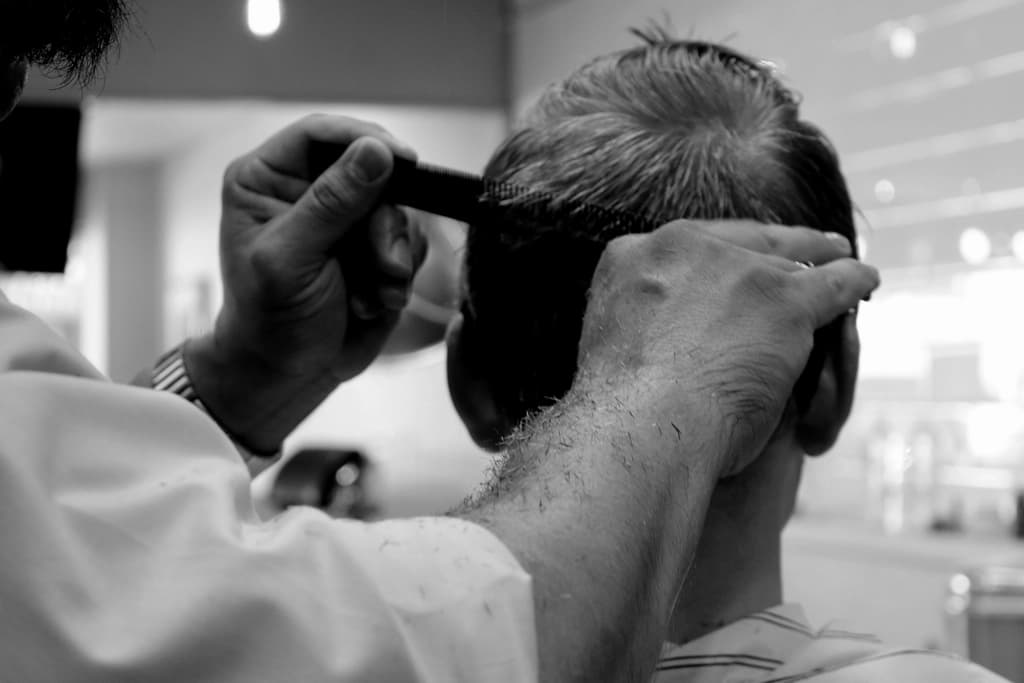
Most men do not have a bad beard. They have an untrimmed one.
Most men do not have a bad beard. They have an untrimmed one.
The beard itself grows fine. What goes wrong is the outline — a neckline creeping up the jaw, a cheek line that wanders, one side longer than the other. Nobody points it out, but everyone registers it. It reads as unfinished, the same way a good jacket reads cheap when the sleeves are too long.
A barber fixes this in fifteen minutes. You can do most of it yourself, every week, for the price of one trimmer. This guide is the order to do it in.
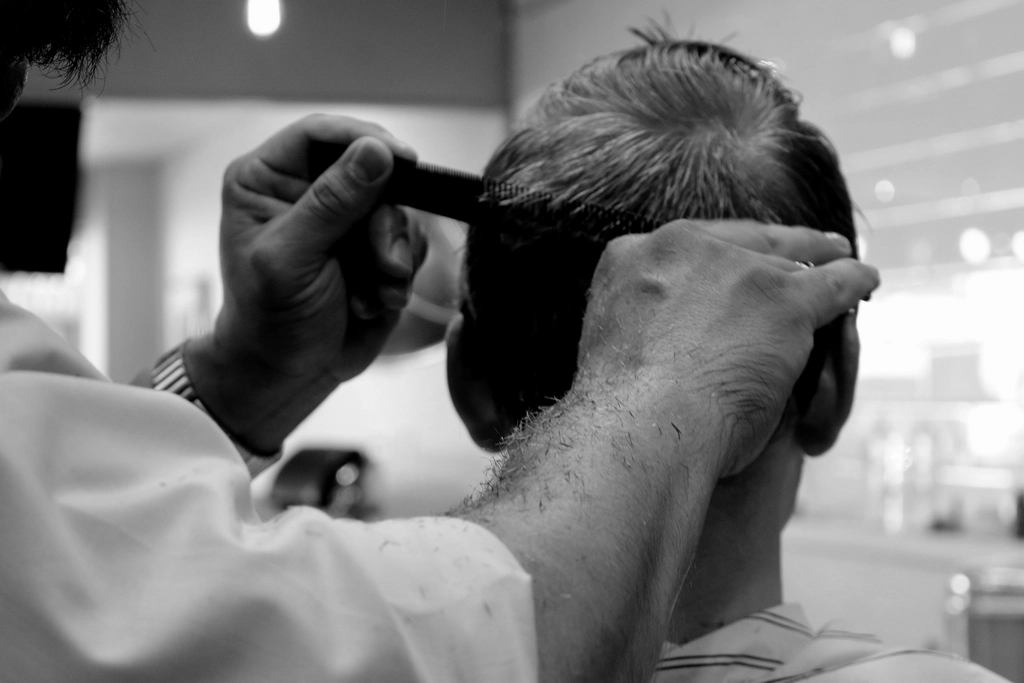
You do not need a shelf of products. You need four things.
That is the kit. A beard oil or balm at the end is useful, but it is a finishing step, not a fix for a bad trim.
This is the mistake that costs men the most length.
Wet hair stretches. If you trim a wet beard, it looks even in the mirror and then shrinks up shorter and patchier as it dries. Wash your beard, dry it fully, then comb it out in the direction it grows before you touch the trimmer.
Comb first, always. Combing pulls every hair to the same starting position so the trimmer cuts them at the same point. Skip it and you will find long stragglers an hour later.
Start longer than you think you need. You can always take more off; you cannot put it back.
If you normally run a 6mm guard, start at 8mm. Work against the grain — move the trimmer up and across the direction of growth, because that lifts the hair into the blade and gives an even cut. Go over each area two or three times from different angles rather than pressing harder in one pass.
Keep the trimmer flat against your face. Tilting it digs a channel and leaves a visible dent that takes a week to grow out.
Once the bulk length is right, put the trimmer down. The rest is shaping.
The neckline is where most home trims go wrong, and it goes wrong in one direction: too high.
Men see stubble on the neck, decide it looks messy, and shave up to the jawline. The result is a beard that appears to float on the face with no connection to the body. It ages you and it flattens the jaw.
Here is the reference:
The line should be a shallow U, not a straight horizontal band and not a hard V. Everything below that curve gets shaved clean. Everything above it stays.
If you are unsure, err low. A neckline that is slightly too low looks like a full beard. One that is too high looks like a mistake.
The cheek line is the top edge of the beard, running from the sideburn down toward the corner of the mouth.
Most men need to do very little here. The natural growth line is usually the best line — it suits the face because it belongs to the face. Your job is to clean up the strays above it, not to invent a new border.
If your growth is genuinely patchy or the line is very uneven, draw an imaginary line from the corner of the sideburn to the corner of the moustache. Shave above it. Keep the line soft, not razor-sharp — a hard, high, straight cheek line is the single most obvious sign of an over-designed beard.
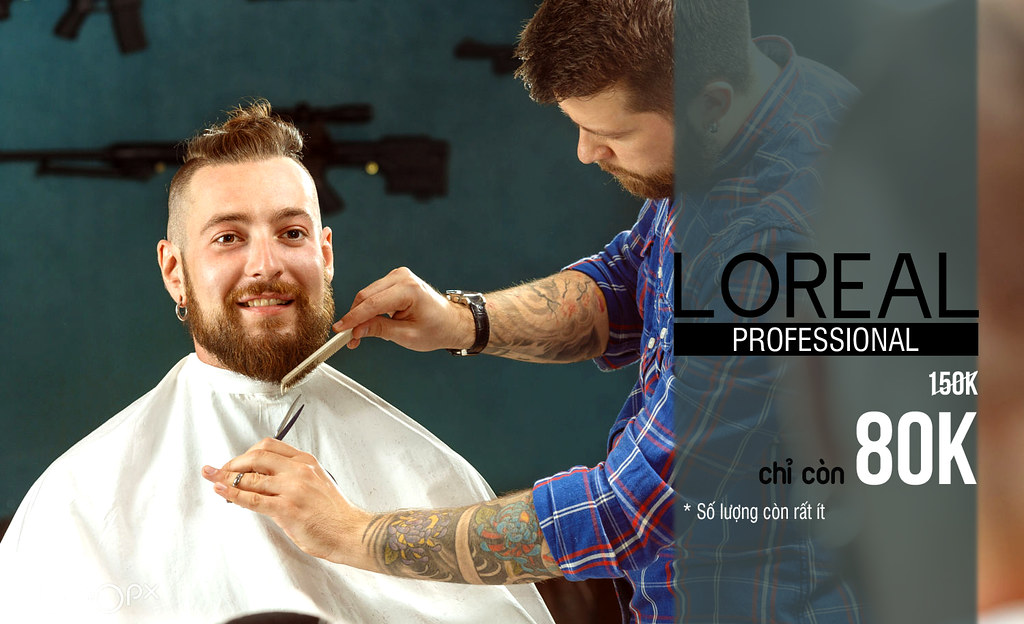
Lather the area you are shaving. Dry-shaving the edge causes ingrown hairs and razor bumps right where everyone can see them.
Nobody's face is perfectly symmetrical, but your beard should be close.
Check it this way:
If one side genuinely grows thicker, leave the length slightly longer on the thinner side. Length adds visual density.
Turn your head to each side and check the jawline profile too. A beard that looks fine head-on can still bulge under one ear.
Comb the moustache straight down over the top lip. Trim it back until it just clears the lip line — you should be able to eat without tasting it.
Use scissors, not the trimmer, for this. Scissors let you take a hair at a time and keep the natural taper at the corners. A trimmer across the moustache leaves a blunt, flat edge.
Do not shave a gap between the moustache and the beard unless that is a deliberate style choice you have committed to.

The last two minutes decide whether the trim reads as groomed or just short.
Skip the heavy waxes unless your beard is long enough to need holding. On a short beard they just look greasy.
The neckline is the highest-return task. If you only do one thing, do that.
| Mistake | Why it fails | Fix |
|---|---|---|
| Trimming wet | Cuts shorter than intended every time | Wash, dry fully, comb, then trim |
| Neckline at the jaw | Most common and most ageing error | Two fingers above Adam's apple, curve up |
| Chasing symmetry downward | Trimming both sides until nothing left | Match longer side to shorter, stop |
| Hard, high cheek line | Looks drawn on, not natural | Clean strays, keep line soft |
| Trimming when rushed | Rushed trims are bad trims | Do it the night before, not 5 min before leaving |
How do I know where my neckline should be? Two fingers above the Adam's apple marks the bottom centre. Curve up from there to just below each ear. If in doubt, go lower — a low neckline reads as a full beard, a high one reads as a mistake.
Should I trim my beard wet or dry? Dry. Wet hair stretches and you will end up shorter than planned. Wash, dry fully, comb, then trim.
What guard length should I use? Start at least one guard size longer than the length you want. Take a pass, check it, then step down if you need to. Most short beards live between 3mm and 8mm.
Why does one side of my beard look longer? Usually it is not length, it is density. Compare the two sides at the sideburn, jaw corner and moustache. Trim the longer side to match the shorter one — and if one side grows thinner, leave it slightly longer, because length adds visual thickness.
How often should I trim my beard at home? Length every 1–2 weeks depending on how short you wear it. The neckline every week, without exception. That single line does most of the work.
Do I need beard oil? If your skin itches or flakes, yes. Apply a few drops to the skin underneath, not just the hair. If you have no itch and no flaking, it is optional.
A good beard is not about growing more hair. It is about knowing where it should stop. Get the neckline right, keep the two sides honest, and trim on a schedule instead of when it starts bothering you.
For the rest of the routine — hair, skin, nails, and the details that finish the look — read our guide on how to look well groomed as a man. If you wear your hair longer, the medium-length textured hairstyles guide pairs well with a shaped beard.
Save this before your next trim. Then set a weekly reminder for the neckline — it is the one thing that keeps a beard looking deliberate instead of neglected.