Loading...
Style guides, outfit breakdowns, and deals — curated weekly for the modern Pakistani man.
12,000+ subscribers · No spam · Unsubscribe anytime
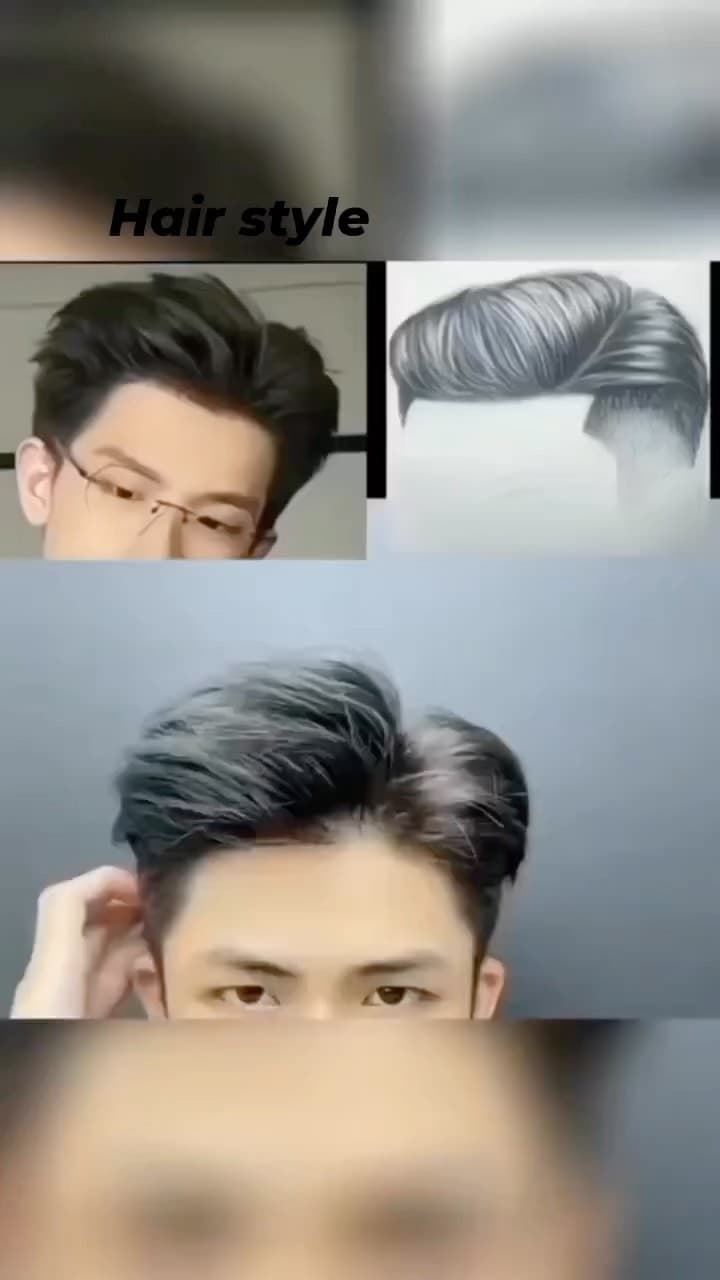
Learn how to style medium-length textured hair with volume, control and a natural finish, plus haircut, product and maintenance tips.
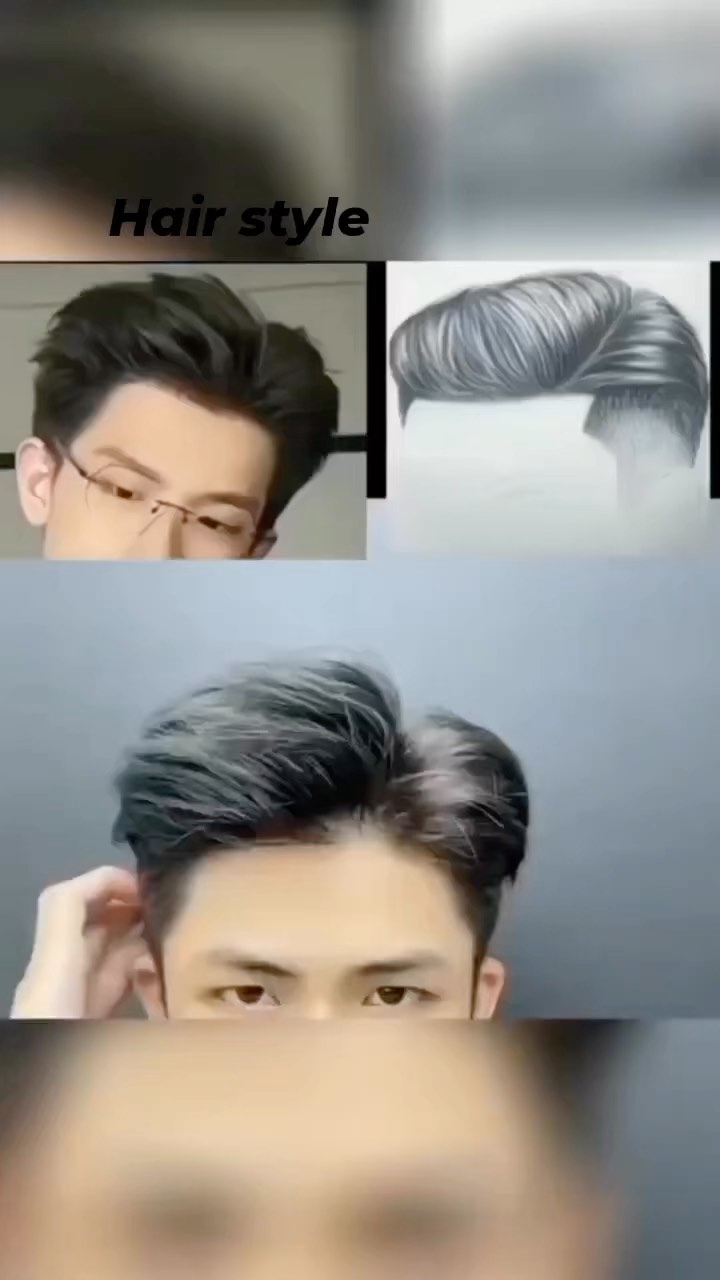
Medium-length hair can look intentional in the morning and collapse into a shapeless mass by lunch. The usual problem is not your hair. It is trying to create volume with too much product and no structure.
The reliable method is simple: ask for a balanced shape, dry the hair in the direction you want it to sit, and use a small amount of light product to hold the texture without freezing it.
This gives you movement, control and a natural finish. It also works with straight, wavy and loosely curly hair when the cut and products suit your texture.
There is no single official length. In practical terms, medium hair is long enough on top to part, sweep back or shape with your fingers, while the sides still connect cleanly to the overall silhouette.
Texture means visible separation and movement. It does not mean making every strand spiky. A good textured style has:
The goal is not to copy another man's head exactly. Hair density, growth direction, curl pattern and daily routine all change the result. Take reference images to your barber, then ask how the idea should be adapted for your own hair.
Styling cannot fully correct a cut with poor balance. If the top is heavy in the wrong area or the sides expand too widely, you will fight the shape every morning.
Tell your barber what you need the hair to do, not only what you want it called. Useful requests include:
Avoid asking for aggressive thinning by default. Fine hair may look weaker when too much weight is removed. Thick hair may need controlled debulking, but it should still have enough substance to form a shape.
A photo is useful evidence, not a guaranteed blueprint. Show the front, side and back when possible. Then discuss how much time you are willing to spend styling each morning.
Popular names can help a barber understand the direction, but the shape matters more.
This creates a defined direction without drawing a severe line through the hair. It is useful when you want volume on top and movement across the forehead. Let the part follow the point where your hair naturally separates.
Directing the front upward and slightly back keeps hair away from the face. It usually needs a dryer and enough front length to hold the sweep. Keep the sides controlled so the silhouette does not become top-heavy.
This is less polished than a sharp part and works well when your hair has natural wave. Use your fingers instead of a fine comb after drying. The result should look relaxed, not neglected.
Medium curls need moisture and shape more than forced straightness. Use a curl-appropriate leave-in or light cream, then dry gently. Do not brush dry curls repeatedly, because that can separate the pattern and create unwanted frizz.
The guide to looking well groomed as a man can help you place hair within a complete routine instead of treating it as an isolated detail.
You do not need six products. You need a repeatable sequence.
Hair should be damp, not dripping. After washing, press out water with a towel rather than rubbing aggressively. Rough friction can disturb the shape and increase frizz.
If you are refreshing second-day hair, mist it lightly with water. Re-wetting the problem areas makes them easier to redirect than piling more product onto dry hair.
A light mousse, volume spray or heat-protective cream can provide grip and control before drying. Start with less than you think you need and distribute it from roots through the relevant sections.
Choose according to the problem:
Airflow creates more lasting direction than product alone. Use medium heat and keep the dryer moving. Lift the roots with your fingers or a vented brush, then direct the hair toward the intended part or sweep.
Finish with cooler air if your dryer has that setting. It can help settle the shape and reduce the feeling of excessive heat.
A heat protectant is sensible when you dry frequently. Maximum heat held close to one spot is unnecessary and can leave hair and scalp uncomfortable.
Rub a pea-sized amount between your palms until it is spread thinly. Apply from the back toward the front so you do not deposit the entire amount on the fringe.
Use your fingers to separate and position sections. Add another small amount only if the first was insufficient.
The final style should hold its direction but still look touchable. Too much manipulation breaks apart the shape you created with the dryer. Make the main adjustments, check the sides and leave it alone.
Product names are less important than what they do.
A cream offers light control and a softer finish. It suits medium hair that already has useful texture but needs tidying. It is often easier for beginners than a dry, high-hold clay.
Paste provides separation and medium hold. It can work for a loose sweep or off-centre part. Warm it fully in your hands to avoid visible clumps.
Clay usually creates a drier, more matte finish with stronger texture. It can be useful on thicker hair but may pull or look dusty when overapplied. Fine or dry hair may need a lighter alternative.
Pomade gives more definition and often more shine. It suits neater side parts or brushed-back styles. High-shine formulas can feel formal, while lighter water-based products are easier to wash out.
Mousse adds volume with relatively little weight when applied before drying. It can help fine or wavy hair, but use a modest amount and distribute it evenly.
Texture spray can create grip and a casual finish. It can also feel drying. Use it selectively, especially if your hair or scalp already feels dry.
A light final mist can support the shape in humidity or at a long event. Spray from a reasonable distance. The aim is insurance, not a visible shell.
If you are building a full grooming kit, start with one pre-styler and one finish product. Learn how those behave before buying more.
Avoid heavy waxes and oily creams at the root. Use a light volume product, dry the roots upward and keep the amount of finishing product minimal. A slightly shorter overall shape may hold volume better than excessive length.
Ask for balanced weight removal, not uncontrolled thinning. A smoothing pre-styler can make drying easier, while a paste or clay can provide enough hold. Work in sections instead of forcing the entire top into place at once.
Straight hair often needs heat direction and product grip to preserve texture. Build bends with your fingers while drying. A matte paste can separate sections without producing a wet look.
Use the natural movement rather than brushing it flat. Apply a light cream or mousse, scrunch gently and dry with lower airflow. Touch it less once the shape begins to form.
Prioritise hydration and definition. A leave-in conditioner, curl cream or gel selected for your pattern may work better than a dry clay. Detangle gently when appropriate for your hair, and consider a diffuser or air-drying routine. The same standard applies: healthy, intentional and suited to your texture—not forced into one narrow idea of neatness.
Many medium styles fail because all attention goes to the front. Check the side view.
The transition should feel deliberate. You can wear a taper, scissor-cut sides or a more noticeable contrast, but the choice should support the top. If the sides balloon above the ears, use the dryer to direct them back or down and ask the barber to rebalance them at your next appointment.
Do not assume that shorter sides are always better. A very high fade can make a longer top look disconnected, while overly full sides can make the head appear wider. The correct middle ground depends on your density and preferred style.
Glasses create another line near the temples. Keep the hair around that area controlled so it does not constantly push against the arms of the frames. Bring your glasses to the barber so the side shape can be judged with them on.
Facial hair should have a deliberate outline that suits your preference. A full beard, light stubble or clean shave can all work. You do not need to match hair length to beard length exactly, but both should appear maintained.
For a cleaner total presentation, use the daily outfit checklist for men. Hair, collar, glasses, facial hair and clothing are read together.
There is no universal shampoo schedule. Oil production, exercise, product use, hair texture and scalp conditions all matter.
Use these practical signals:
Dry shampoo can help between washes, but it is not a permanent substitute for cleaning the scalp. If you have persistent flakes, soreness, sudden shedding or patches of hair loss, seek advice from a qualified healthcare professional or dermatologist rather than hiding the issue under more product.
Medium hair can be forgiving, but the shape still changes as it grows.
A tidy-up every four to eight weeks is a useful starting range. Shorter tapers may need attention sooner; longer scissor cuts may remain balanced for longer. Ask your barber when the specific cut is likely to lose its shape.
Between appointments:
A reference image may show different density, texture or growth direction. Use it to communicate the mood and silhouette, then adapt it.
Excess water can dilute many styling products and prevent even distribution. Start damp unless the product instructions say otherwise.
A heavy scoop of clay cannot reliably create the root direction that controlled airflow provides. Build first, finish second.
Depositing all the product at the front makes it greasy and heavy. Begin at the back and work forward.
Height is not automatically flattering or stylish. The top, sides and face need a balanced silhouette.
Use a second mirror or phone camera to check the crown and back outline. A polished front with an uncontrolled crown is still unfinished.
Straight, wavy, curly and coily hair can all look well groomed. The goal is to understand your texture, not erase it.
Before the appointment, prepare:
Ask the barber to show you how to reproduce the shape. Pay attention to the direction of the dryer, product amount and order of application. A good haircut should come with a realistic home routine.
This is the easiest everyday option.
Pair the cleaner finish with a smart-casual outfit such as the black T-shirt and tailored trousers guide.
This formula keeps natural movement visible without allowing the shape to become random.
Start with damp hair, apply a light pre-styler if needed, direct the roots and overall shape with a dryer, then use a small amount of paste, cream or clay to create separation. Stop before the hair becomes stiff or greasy.
It depends on texture and finish. Cream gives softer control, paste offers flexible separation, clay creates a matte stronger hold, and pomade produces a neater finish with more shine. Start light and add only when necessary.
Four to eight weeks is a practical starting range, but your cut, growth rate and side length may require a different schedule. Return when the shape becomes difficult to control, not only when the top feels long.
Yes. Use lightweight products, avoid over-thinning, build volume at the roots with airflow and keep the length balanced. Heavy wax at the roots can make fine hair collapse.
Not for every natural style, but a dryer makes direction and root lift easier to control. Use moderate heat, keep it moving and consider heat protection when drying regularly.
Maintain a clear silhouette, control the hair around the ears and neckline, keep the finish clean rather than greasy, and choose an amount of volume appropriate for your workplace. Well maintained does not require one specific texture or haircut.
Medium-length hair looks best when the routine is simple enough to repeat. Save this guide and take the barber checklist to your next appointment.
Build a reliable men’s wardrobe with 20 essential pieces: shirts, jeans, chinos, shoes, outerwear, accessories, and grooming basics.