Loading...
Style guides, outfit breakdowns, and deals — curated weekly for the modern Pakistani man.
12,000+ subscribers · No spam · Unsubscribe anytime
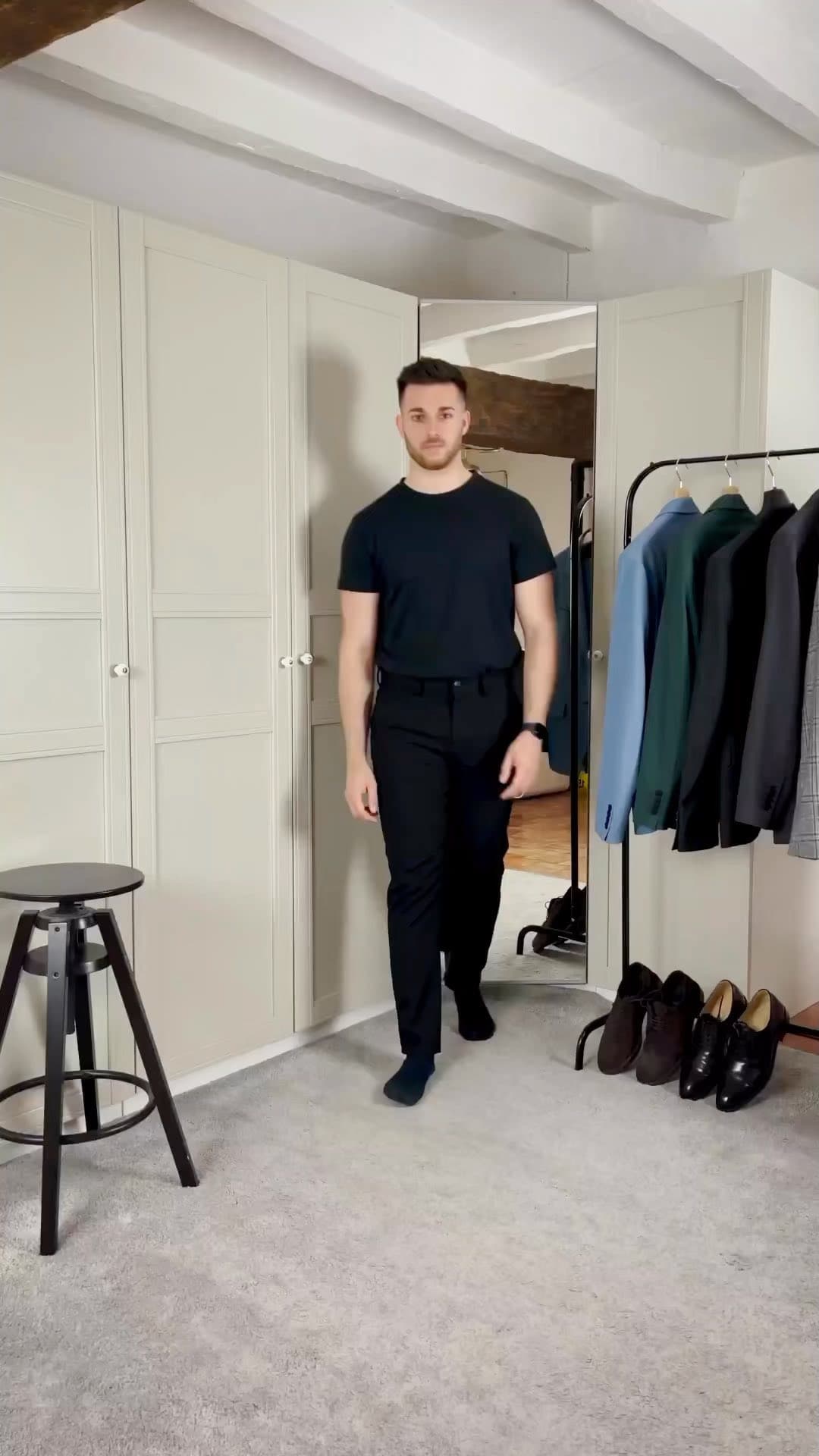
Learn how to wear a black T-shirt with tailored trousers, including fit, tucking, belts, shoes, layers and smart-casual dress-code rules.
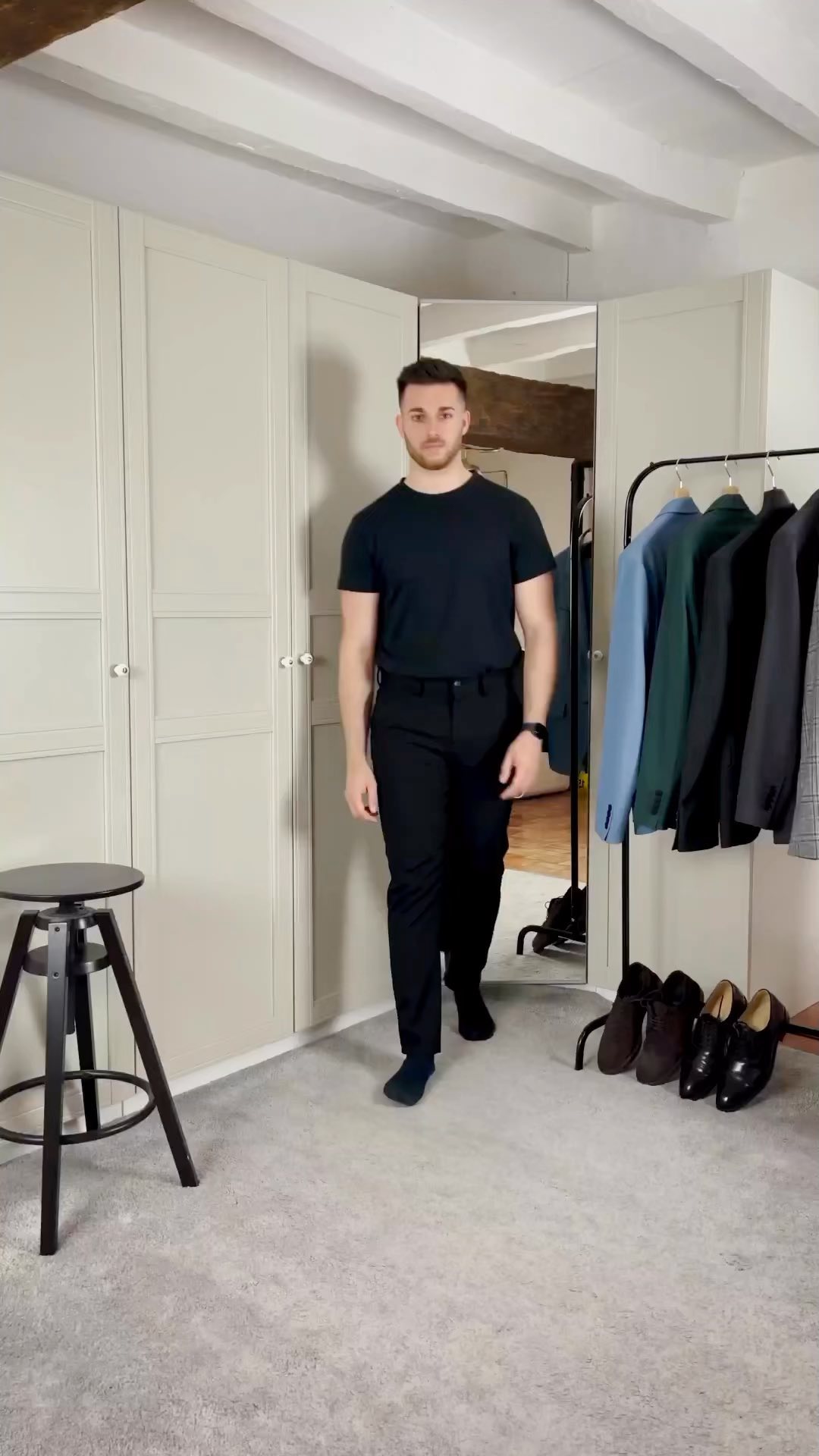
A black T-shirt can look sharper than a casual button-up when the fit and trousers are right. It can also look unfinished when it is stretched, faded or hanging over low-rise jeans.
The difference is not price. It is structure.
Use a plain black crew-neck T-shirt as the clean base, tuck it into tailored trousers, define the waist, and choose shoes for the room. That one formula can take you from dinner to a creative office or a smart-casual event without making you look overdressed.
A T-shirt is relaxed. Tailored trousers are structured. Combining them places the outfit between weekend casual and traditional businesswear.
The black-on-black palette removes colour-matching confusion, but the clothes still need clear roles:
This is why the formula is useful when you own enough clothes but still struggle to assemble outfits. Start with a dependable base, then change one layer or one pair of shoes.
For more repeatable combinations, see the smart casual outfits for men guide.
Not every black tee can do this job. Gym shirts, oversized streetwear tees and thin undershirts communicate different intentions.
Look for a T-shirt with:
A slightly substantial cotton jersey usually holds its shape better than a very thin fabric. A little stretch can improve comfort, but the shirt should not cling to every line of the torso.
Wash black garments inside out, use cool water when the care label permits it and avoid unnecessary high heat. A charcoal-faded tee beside fresh black trousers can look accidental rather than tonal.
The shirt should follow your frame without behaving like compression wear. Check four places.
The seam should sit close to the shoulder edge. A dropped seam creates a more relaxed silhouette, which can work, but it weakens the tailored effect of this particular outfit.
You need enough room to breathe and move without horizontal pulling. If the fabric stretches across the chest or the collar lifts, try another size or cut.
Mid-bicep is a useful starting point. The opening should not flare widely or cut into the arm. Neither extreme looks intentional.
A tucked tee must be long enough to remain inside the trousers when you sit or reach. Test it in the fitting room. Raise both arms, sit down and stand again. Constantly retucking your shirt will make the outfit annoying to wear.
Use the how clothes should fit men guide before blaming your body. Different brands use different blocks, and the correct cut matters more than the size printed on the label.
The safest partner is a standalone tailored trouser with a clean waistband and enough texture to feel separate from a formal suit jacket. Wool-blend trousers, refined cotton trousers and structured chinos can all work.
Traditional shiny suit trousers may look incomplete without their matching jacket. Very casual drawstring pants may not provide enough contrast with the tee.
Look for:
Pleats are optional. One or two restrained pleats can add comfort and make the trousers drape cleanly. Flat-front trousers create a simpler line. Neither is automatically better.
The trouser rise is the distance between the crotch and waistband. Low-rise trousers place the waistband near the hips and can make a tucked tee look unusually long through the torso. A mid-rise waistband usually creates better balance.
The aim is not to fake a body shape. It is to divide the outfit at a natural point so the upper and lower halves look connected.
If your trousers sit correctly but the proportions still feel wrong, compare a shorter and longer tee, or try trousers with a slightly different rise. Small changes often solve more than buying a jacket to cover everything.
Start with the trousers open. Pull the T-shirt down smoothly, then fasten the trousers over it. Remove large folds by gently distributing the fabric around your waist instead of dragging all excess to one side.
Then:
A small, even amount of fabric above the waistband is normal. A perfectly vacuum-sealed tuck looks stiff and may pull loose as soon as you move.
Avoid the half-tuck for this formula. It creates an intentionally casual effect, while tailored trousers need a cleaner waistband.
Wear a belt when the trousers have visible belt loops and the empty waistband looks unfinished. Choose a simple black leather belt with restrained hardware. The width should suit the loops; a heavy casual belt will fight refined trousers.
You can skip the belt when:
A belt should not rescue trousers that are too large. If the waistband folds strongly under the belt, have it altered or try another size.
Shoes set the dress code. Decide where you are going before choosing them.
Black or clean white leather sneakers make the formula relaxed and contemporary. They suit casual dinners, travel and creative workplaces. Keep the design simple and the soles clean.
Loafers make the outfit feel more deliberate without the formality of lace-up Oxfords. Plain penny loafers or restrained suede loafers work well. Wear dark socks for a polished evening look; no-show socks make it more casual.
A plain Derby adds structure and works for smarter restaurants or offices with a flexible dress code. Avoid an excessively glossy ceremonial shoe with a basic cotton tee.
Slim black Chelsea boots suit cooler weather and evening events. The trouser hem should fall cleanly over the shaft without bunching.
These can work for a casual version, especially with wider trousers. They also pull the outfit away from smart casual. Keep colours controlled and understand the change in formality.
Compare footwear categories in the men's shoes every man needs guide.
With black trousers and dark shoes, black socks create the cleanest line. Choose socks long enough to cover your leg when you sit.
White athletic socks can be used with sneakers for an intentionally casual look, but they become a visible contrast. Do not add them automatically because the rest of the outfit is black.
No-show socks are appropriate only when the shoe and occasion are casual enough. Bare skin between tailored black trousers and formal leather shoes lowers the formality quickly.
The monochrome base makes several layers easy to use.
A mid-grey textured blazer creates a flexible dinner or creative-office outfit. Avoid a jacket that is obviously part of a formal business suit unless the pieces genuinely work as separates.
A structured navy overshirt keeps the outfit relaxed. It works with sneakers or loafers and is easier to wear than a blazer.
Brown introduces warmth and texture. Keep the shoes black or use a related dark brown, but avoid several unrelated brown tones.
Olive adds controlled colour and makes the outfit more casual. Choose a clean shape rather than a heavily distressed work jacket if the trousers are refined.
This creates an evening look through texture rather than colour. Use a simple jacket without excessive hardware, then choose boots or minimal sneakers.
The principle is one clear layer over one quiet base. You do not need a scarf, chain, statement belt and patterned jacket at the same time.
A restrained watch is enough for most versions. A silver-tone watch can add contrast; a black leather strap keeps the palette connected.
If you add jewellery, choose one or two pieces you normally wear. A simple ring or fine chain can work. Avoid using accessories to compensate for a T-shirt that fits poorly or shoes that need cleaning.
Keep the bag aligned with the setting:
All-black clothes make lint, deodorant marks and loose hair easier to see. Inspect the tee before leaving and carry a small lint roller when travelling.
Hair can be short, long, textured, straight or protective in style. The useful standard is maintenance, not one approved haircut. Shape it intentionally and keep products from transferring onto the collar.
Facial hair can be clean-shaven, stubble or a full beard. Keep the chosen shape deliberate. Clean nails, fresh breath and controlled fragrance matter more than adding another accessory.
Your fragrance should stay within conversation distance. Looking put together should never come at the cost of other people's comfort.
Use a fresh black tee, tailored trousers, loafers or Chelsea boots and one watch. Add a textured blazer if the restaurant is dressier. See the date outfit ideas for men guide for venue-specific formulas.
Choose trousers with a comfortable rise, leather sneakers or loafers and an overshirt or unstructured blazer. Confirm that T-shirts are accepted before an important client meeting.
A clean tee can work when the invitation is flexible and the venue is contemporary. It is not a universal replacement for a collared shirt.
Use wrinkle-resistant trousers with enough room to sit, plus clean sneakers and a light jacket. Keep a fresh tee available if the journey is long.
Black loafers or boots and a textured layer make the formula feel intentional under low light. Avoid faded black fabric, which becomes more obvious beside polished shoes.
Choose a collared shirt or more formal clothing for:
Smart casual does not mean wearing whatever feels comfortable. It means balancing relaxed and polished pieces while respecting the room. Review the men's dress codes guide whenever an invitation is unclear.
Two black garments rarely match perfectly. That is acceptable when the difference looks intentional.
You can combine:
Problems begin when one garment looks unintentionally faded, stained or brown under light. Check the outfit near a window before leaving. Different textures create depth; damaged colour creates neglect.
Choose breathable fabrics, a medium-weight tee that remains opaque and unlined or lightweight trousers. Loafers or minimal sneakers work. Black absorbs heat, so this may be better after sunset than at midday.
Add an olive overshirt, brown suede jacket or grey blazer. Use loafers or Chelsea boots depending on rain and temperature.
Wear a black or charcoal overcoat over a fine knit or substantial tee when indoors will be warm. Thick wool trousers and boots make the base more seasonal.
Use lighter-weight trousers and a navy or stone overshirt. If full black feels heavy in daylight, keep the tee black and change the trousers to charcoal, taupe or cream.
This is the easiest daytime version.
This raises the formality without pretending to be a suit.
Texture keeps the monochrome palette from looking flat.
A misshapen collar and uneven black colour are obvious beside structured trousers. Retire the tee from smart-casual use.
Pulling at the pockets and strain across the thigh ruin the clean line. Tailored does not mean skin-tight.
The waistband should already fit. A belt finishes the outfit; it should not fold the trousers inward.
Excess fabric at the ankle makes refined trousers look untidy. Set the hem while wearing the intended shoes.
A patterned blazer, bright sneakers, large chain and logo belt create several competing ideas. Choose one focal element.
A sharp T-shirt outfit is still wrong when the event requires business formal or black tie.
Black reveals pale lint, dust and deodorant. Check the shoulders, chest and collar in good light.
Before buying this formula, confirm:
Do not buy the whole outfit at once without testing what you already own. You may need only better trousers, a fresher tee or a simple alteration.
Yes, when the T-shirt is plain, opaque and well fitted and the trousers work as separates. The result is smart casual, not traditional business formal.
For this formula, yes. The tuck exposes the structured waistband and improves the balance between a casual top and refined trousers. Make sure the shirt is long enough to remain tucked comfortably.
Minimal leather sneakers, black loafers, plain Derby shoes and slim Chelsea boots can all work. Choose according to the venue rather than treating one shoe as universally correct.
No. Small differences can add depth when textures are clearly different. Avoid combinations where one piece simply looks faded, stained or accidentally brown.
It can be. The shirt must be clean and substantial, and the trousers, shoes and grooming must add polish. Some workplaces and events still require a collared shirt.
Yes. An unstructured grey, navy or textured blazer is usually easier than a highly formal suit jacket. Ensure the blazer is long enough and the T-shirt collar sits neatly underneath it.
You do not need a complicated outfit to look put together. Start with a fresh black crew-neck T-shirt, tuck it into properly fitting tailored trousers, define the waist and let the shoes match the occasion.
The one rule to remember is this: a casual top only looks smart when every supporting detail is controlled.
Save this guide, then test the formula with clothes you already own before buying anything new.
Build a reliable men’s wardrobe with 20 essential pieces: shirts, jeans, chinos, shoes, outerwear, accessories, and grooming basics.