Loading...
Style guides, outfit breakdowns, and deals — curated weekly for the modern Pakistani man.
12,000+ subscribers · No spam · Unsubscribe anytime
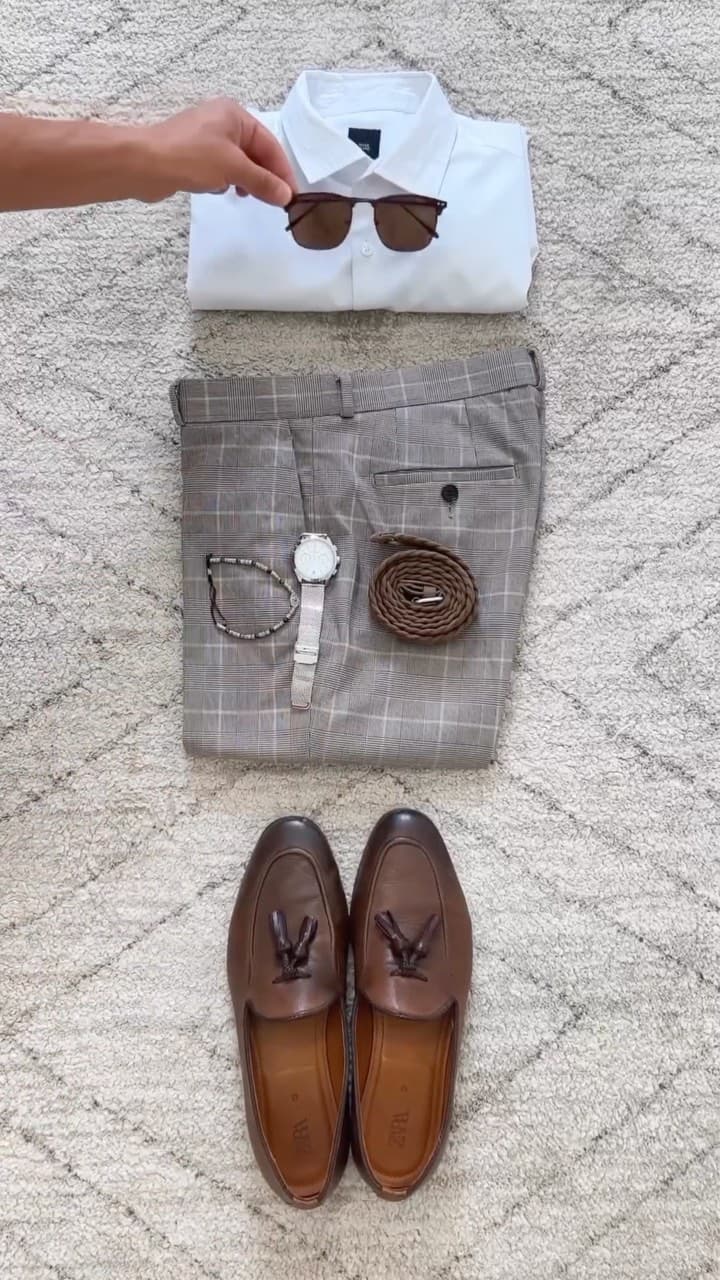
Learn how to wear a white shirt with check trousers and brown loafers, including pattern, fit, belt, sock and smart-casual occasion rules.
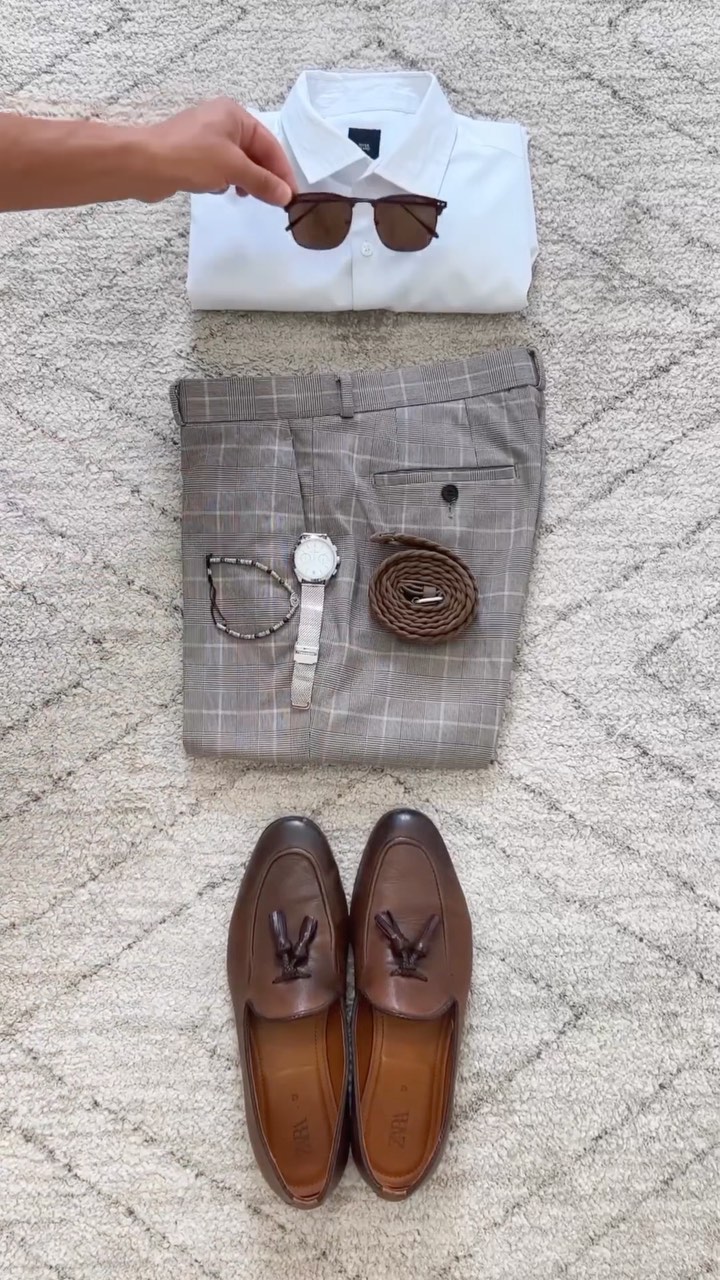
You want to wear patterned trousers, but you do not want the outfit to look busy. That is the real problem.
The safest fix is not another colour or accessory. It is restraint.
A white shirt with check trousers works because the shirt gives the pattern space. Brown loafers and a brown belt then organise the lower half without competing for attention. The result can handle a casual office, dinner, date or daytime event when the dress code is smart casual.
Remember one rule: let one item carry the pattern, then keep the rest quiet and connected.
The formula has three clear parts:
The white shirt is a neutral frame. It does not fight the checks. The trousers provide enough detail to make the outfit interesting. Brown leather warms the cool white-and-grey base.
This is useful if plain chinos feel too basic but a patterned shirt feels too loud. Moving the pattern to the trousers keeps it farther from your face and leaves the upper half clean.
If you are still learning colour, start with the men's colour matching guide. The aim is not to match every shade perfectly. It is to make the colours look like they belong to the same plan.
Checks vary from nearly invisible to extremely bold.
For a first pair, look for a subtle windowpane or small check in grey, taupe, charcoal or navy. A windowpane is a grid made from thin crossing lines. The lower the contrast between the base and the lines, the easier the trousers are to repeat.
Useful beginner options include:
Avoid combining several high-contrast elements. Large black-and-white checks, a striped shirt, colourful socks and statement shoes create too many focal points. If the trouser pattern is strong, simplify everything around it.
A practical test: stand two metres from the mirror. If the trousers still dominate the whole outfit, every other piece should be plain.
“White shirt” can mean a formal dress shirt, Oxford button-down or relaxed casual shirt. Choose according to the room.
Use a shirt with an opaque fabric, stable collar and clean placket. It should tuck without creating a large roll of fabric around the waist. Keep the collar open for business casual, or add a quiet tie only when the workplace expects it.
An Oxford or matte button-up feels less corporate. Open one or two collar buttons and roll the sleeves neatly only if the setting is relaxed. Do not open the shirt deep down the chest; that changes a controlled outfit into something less versatile.
A breathable shirt matters, but do not guess fabric from appearance. Check the composition and hold it against light before buying. A white shirt that becomes transparent under bright light is difficult to wear confidently.
The shoulder seam should sit close to your natural shoulder. The chest should close without pulling between buttons. You should be able to reach forward without the back feeling trapped. For more specific checks, use the how clothes should fit men guide.
A flat-lay can show colour and combination, but real trousers succeed or fail on the body.
Start at the waist. The waistband should stay in place without a belt doing all the work. If it folds, digs in or slides down constantly, the size or rise is wrong.
The seat should look clean without gripping. Horizontal strain lines usually mean the trousers are too tight. Excess fabric collapsing below the seat may mean they are too large or the cut does not suit you.
Through the leg, choose a straight or gently tapered shape. Skin-tight patterned trousers magnify every line and can look dated. Very wide checked trousers can work, but they require more deliberate proportions. A moderate shape is easier for smart casual.
At the hem, aim for a slight break or clean no-break finish over loafers. Heavy stacking hides the shoe and makes tailored trousers look neglected. Bring the loafers to the tailor so the hem is set for the footwear you will actually wear.
Do not use a trouser pattern to “correct” or hide your body. Fit and comfort matter more than optical tricks. The goal is a clean line that lets you sit, walk and use the pockets normally.
Brown tassel loafers sit between casual and formal. They are smarter than most sneakers, but their slip-on shape is more relaxed than a severe black Oxford.
That balance matches patterned trousers well.
Choose the brown according to the trousers:
The shoe should look maintained. Brush away dust, condition appropriate leather and keep the sole edge clean. Price is less important than condition and shape.
Avoid a long, sharply pointed toe for everyday smart casual. A rounded or gently almond-shaped loafer is easier to combine. Heavy contrast stitching and oversized hardware may compete with the checked trousers.
If loafers are new to your wardrobe, compare them with the options in the men's shoes guide before buying another pair.
Your belt and shoes do not need to be identical twins. They should look related.
A dark brown shoe with a medium-to-dark brown belt is coherent. A reddish tan belt with very dark chocolate loafers may still work if the contrast is controlled, but it is harder. When in doubt, keep both in the same light, medium or dark brown family.
A braided belt lowers the formality slightly and suits a casual office or daytime outfit. A smooth leather belt looks cleaner for a smarter dinner or meeting. Choose a modest buckle rather than a large decorative one.
Do not add brown everywhere. Brown sunglasses, belt and shoes can create continuity, but a brown watch strap, brown bag, brown jacket and brown jewellery may become forced. Two or three repeated points are enough.
Loafers expose more sock than many lace-up shoes, so the choice matters.
For an office, wear fine socks in navy, charcoal, dark brown or a colour related to the trousers. The safest approach is to connect the sock to the trouser rather than create a bright stripe between trouser and shoe.
No-show socks can work for a relaxed warm-weather outfit when the trouser hem is clean and the occasion allows exposed ankle. They should stay hidden, protect the shoe and remain comfortable. Going genuinely sockless can create friction, odour and unnecessary wear.
Avoid novelty socks when the trousers already have a visible grid. Pattern plus pattern usually distracts from the clean formula.
The outfit already includes pattern, so accessories should support rather than compete.
One simple watch is enough. A silver-tone watch suits the cool white-and-grey base; a brown leather strap can connect with the shoes. Neither is mandatory.
Add a small bracelet only if it is part of your normal style. Wearing a watch, several bracelets, multiple rings, a necklace and bold sunglasses at once makes the look feel assembled for attention.
Dark sunglasses can work outdoors. Remove them inside and during conversation. Good presence is not about keeping accessories on at all times; it is knowing when they are appropriate.
Choose a clean leather tote, briefcase or restrained backpack if you need a bag. An overfilled sports backpack can pull the outfit toward a completely different level of formality.
This is the easiest setting when your workplace accepts patterned trousers and loafers. Keep the shirt tucked, sleeves controlled and shoes clean. Add an unstructured navy blazer if the office becomes smarter.
Open the collar, remove the tie and use a softer shirt texture. The tassel loafers give the outfit more intention than sneakers without making it feel like a full suit.
The light palette can suit a birthday, engagement lunch or relaxed wedding event. Read the invitation first. Smart casual is not a substitute for cocktail, formal or black tie.
The checked trousers provide personality while the white shirt keeps the message professional. Carry a structured layer in navy, brown or charcoal if you need to sharpen the look.
Choose darker, quieter tailoring for conservative interviews, funerals or highly formal ceremonies. Patterned separates are not wrong; they may simply be less respectful or less predictable for the room.
Use the men's dress codes guide when an invitation uses vague language.
This is the core smart-casual formula. Tuck the shirt and use a related brown belt.
A plain polo lowers the formality while keeping the collar. Choose a knit with a clean collar and enough room through the torso.
This is the relaxed version. Use minimal low-top sneakers and check whether the office or event permits them. The trousers should finish cleanly rather than collapse over the shoe.
This adds structure for a meeting or dinner. The blazer should be visibly different from the trousers so the combination looks intentional, not like a mismatched suit.
These variations keep the same principle: one pattern, quiet supporting pieces and footwear that matches the required formality.
Use lighter visual weight. A white or pale blue shirt, light checked trousers and medium-brown loafers feel natural during the day. No-show socks may work in relaxed settings.
Do not assume light colour means breathable. Read labels and consider lining, weave and climate. Comfort helps you carry the outfit better than a fashionable fabric name.
Move to charcoal, navy or brown checks. Add a fine knit, textured blazer or longer coat. Dark-brown loafers can work in dry weather; boots may be more practical in rain and cold.
If you add texture through knitwear and outerwear, keep the checked pattern modest. Texture and pattern can coexist, but one should lead.
A striped shirt and checked trousers demand careful pattern scale. Most men will get a cleaner result from a plain shirt.
Checks make strain lines easier to see. Buy for the seat and thigh, then tailor the waist and hem if needed.
Excess break makes the lower half look heavy. Set the length while wearing the intended shoes.
A black belt with brown loafers creates an avoidable disconnect. Repeat brown at the belt unless another clear styling decision justifies the change.
The trousers already provide visual detail. Quiet socks keep the transition to the shoe clean.
A patterned trouser-and-loafer combination may be polished, but it is not automatically suitable for a formal wedding, conservative boardroom or black-tie event.
Clothes can look perfect when folded and wrong when worn. Try the complete outfit, sit down, walk and check it in natural light.
Before buying check trousers, make sure you already own:
Check trousers are a useful expansion piece, not a replacement for wardrobe foundations. If your wardrobe still feels random, use the men's wardrobe essentials guide to fix the basics first.
When shopping, take the white shirt and brown shoes with you or wear them to the fitting room. You are not buying isolated trousers. You are buying a piece that must work with clothes you already own.
Inspect the pattern at seams and pockets, but do not expect perfect alignment at every point on inexpensive trousers. Prioritise comfortable fit, clean construction and alteration potential. The how to buy quality clothes guide gives a practical checklist without assuming a luxury budget.
Before leaving, ask:
If the answers are clear, stop adding details.
Yes. A plain white shirt is one of the easiest partners for check trousers because it gives the pattern a neutral background. Keep the shirt free from bold contrast details and let the trousers carry the visual interest.
Medium- or dark-brown loafers, Derbies and brogues are reliable smart-casual choices. Black shoes can suit darker grey trousers and more formal settings. Minimal white sneakers work only when the dress code is relaxed.
It should be in a related brown family, but it does not need to be an exact shade and texture match. Keep both light, medium or dark enough to look connected.
Yes, in many business-casual workplaces. Choose a subtle check, plain shirt and restrained shoes. Conservative workplaces may prefer solid navy, charcoal or grey trousers, so follow the actual policy.
Navy, charcoal, dark brown or socks related to the trouser colour are safe. No-show socks can work for relaxed warm-weather outfits. Avoid adding another loud pattern.
Yes. Height does not disqualify anyone from a pattern. Focus on a comfortable rise, clean hem and a check scale that does not overwhelm the outfit. Fit matters more than a blanket body rule.
They are polished but usually less formal than conservative Oxfords. They work especially well for smart casual, business casual and many daytime social events, but they are not a universal black-tie shoe.
A white shirt, check trousers and brown loafers work because every piece has a clear role.
The shirt creates calm. The trousers add one controlled pattern. The loafers and belt repeat a warm leather colour. Fit the trousers comfortably, set the hem for the shoes and keep socks and accessories quiet.
You do not need to add more. You need the pattern to have room.
Save this guide before you buy your first pair of check trousers.