Loading...
Style guides, outfit breakdowns, and deals — curated weekly for the modern Pakistani man.
12,000+ subscribers · No spam · Unsubscribe anytime
Learn how to dress for the five male body types: rectangle, triangle, inverted triangle, oval, and athletic.
Body type dressing is not about hiding yourself. It is about using fit, proportion, colour, layers, and structure so your clothes work with your shape instead of against it. Most men fall near one of five body types: rectangle, triangle, inverted triangle, oval, or athletic/trapezoid. Once you understand your shape, you can choose better shirts, trousers, jackets, and outfit formulas without copying men built completely differently from you.
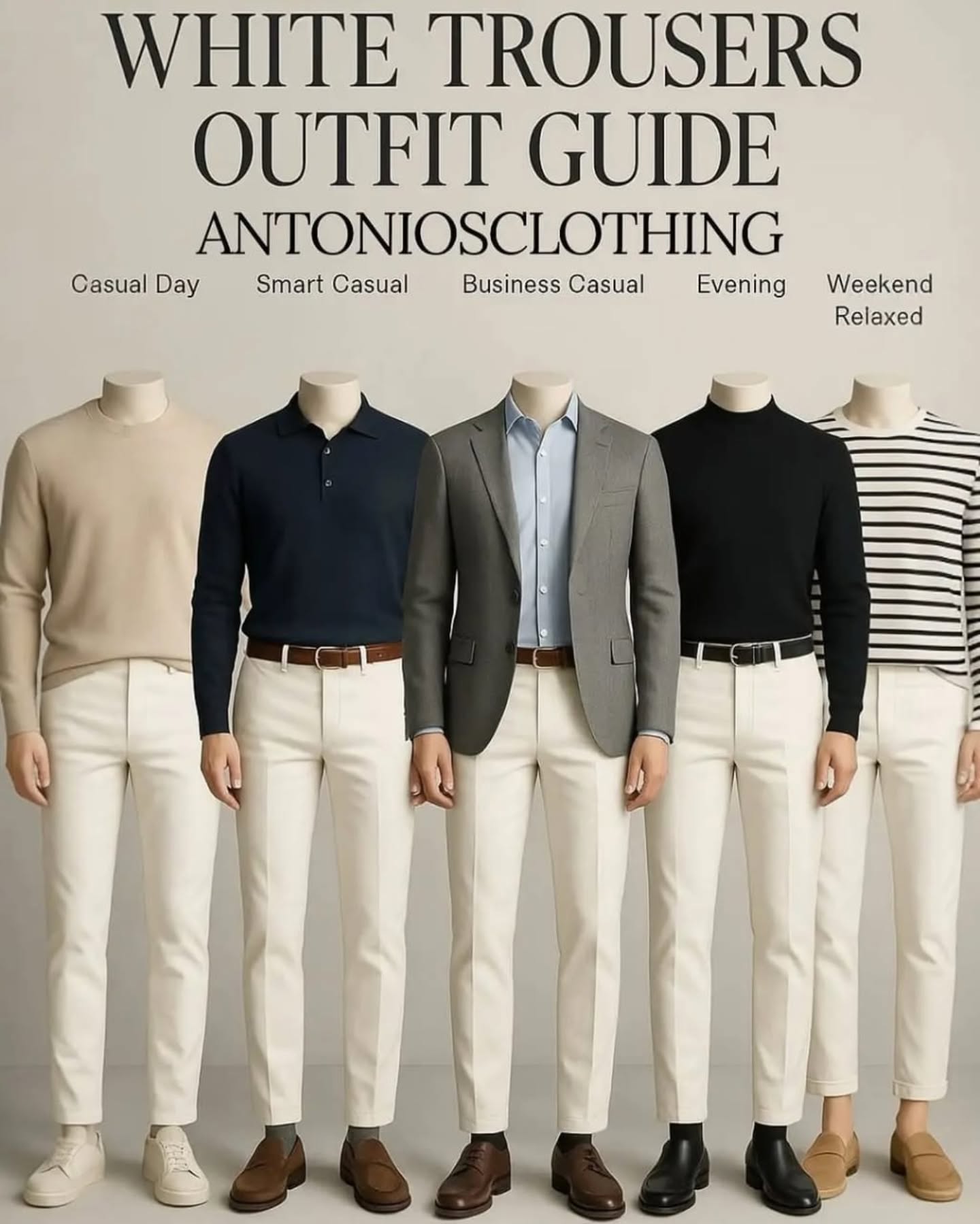
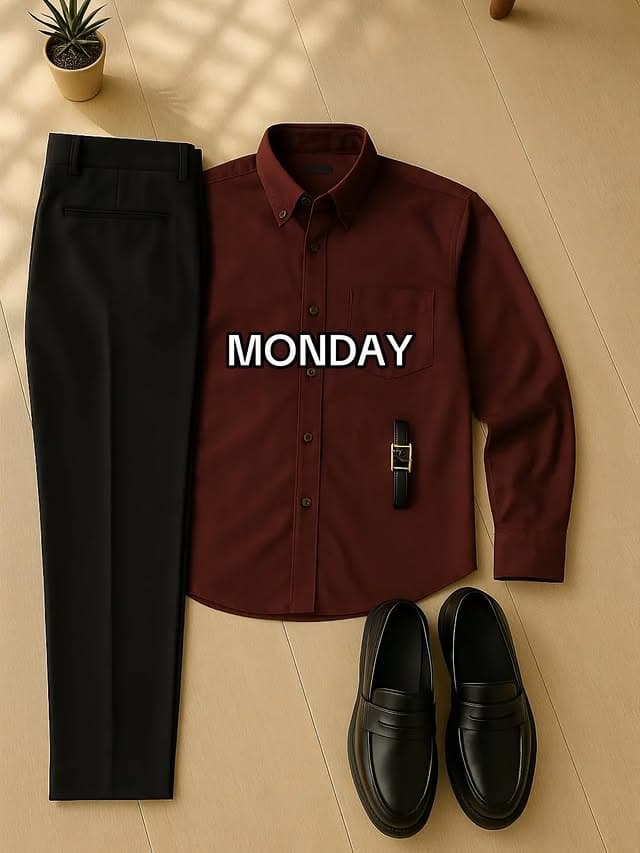
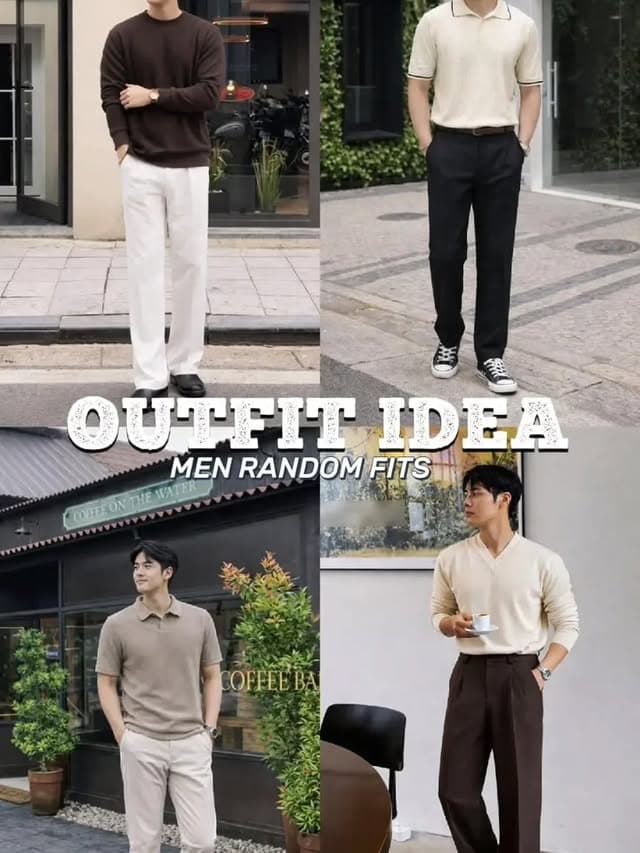
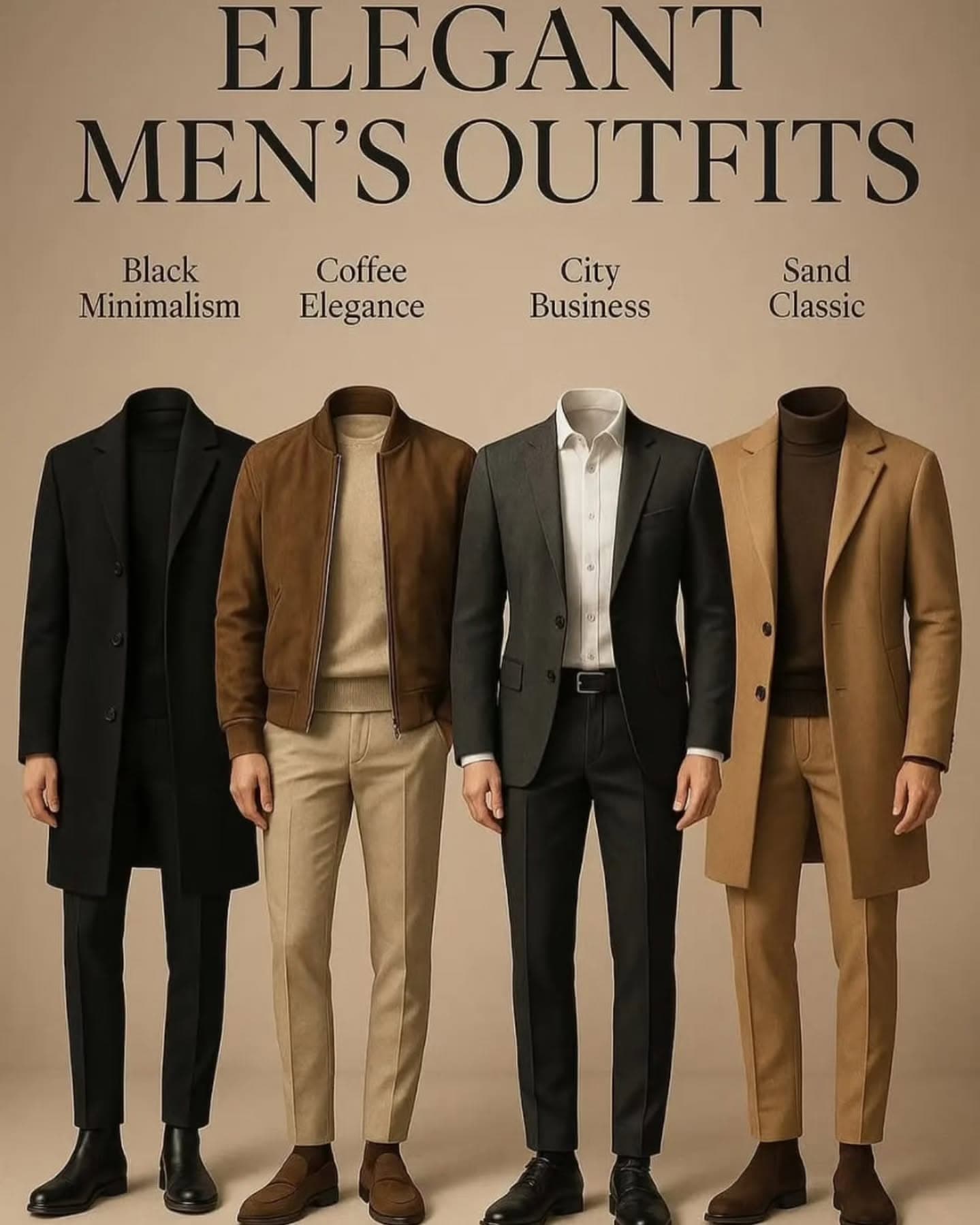
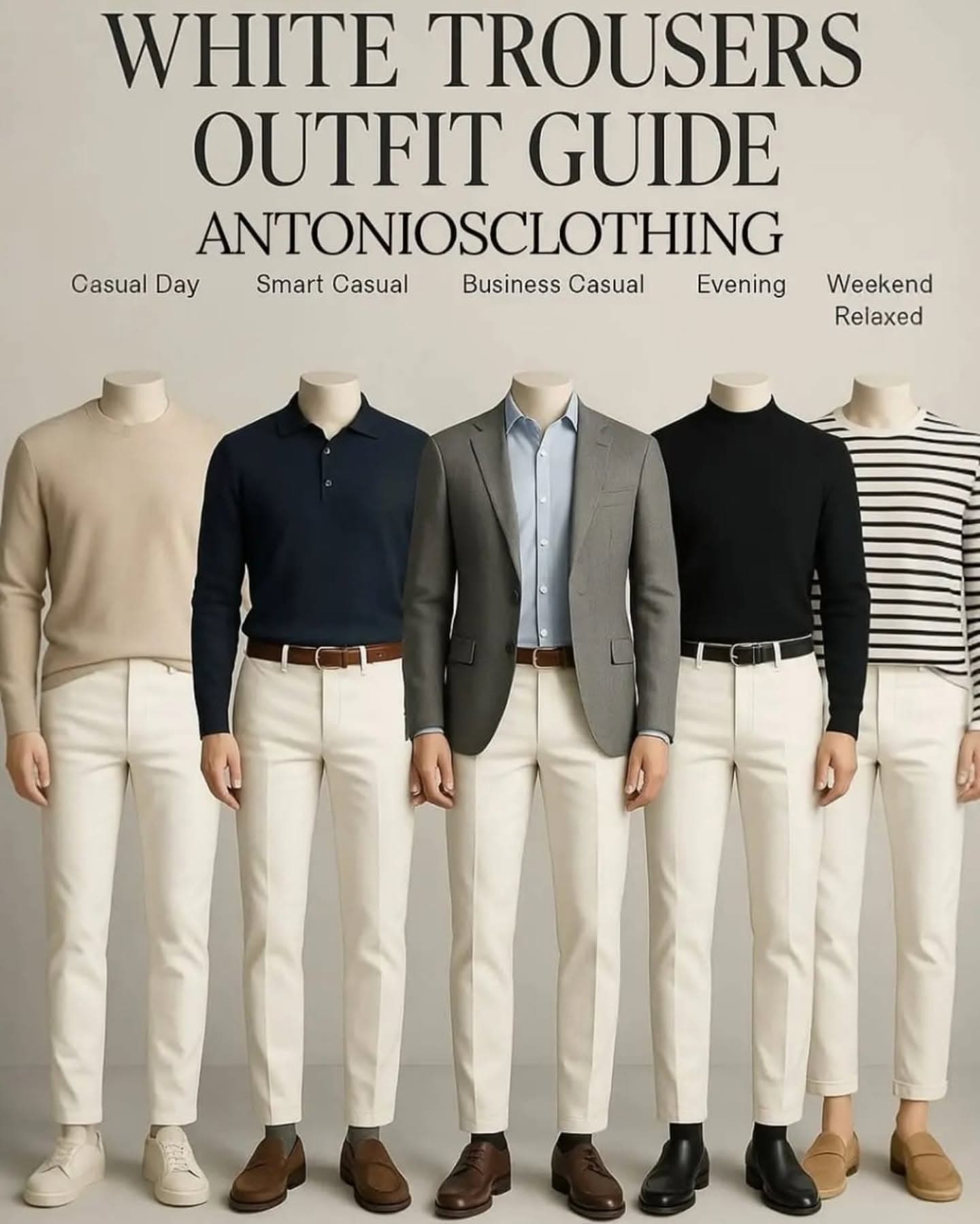
Men Fashion Sense image reference: Topic-matched visual for Men’s Body Type Fashion Guide: Dress for Your Shape.
A lot of men get frustrated with style because they copy outfits from someone with a different build. A jacket that looks sharp on a broad-shouldered model may look boxy on a narrower frame. Slim jeans that work on one man may pull on another. Oversized layers that look intentional on a tall man may swallow a shorter man.
That does not mean your body is the problem. It means the outfit needs adjusting. Style is not one-size-fits-all. It is a set of decisions: where the shoulder sits, where the trouser breaks, how much contrast you use, whether the jacket has structure, and where the eye travels.
The goal is balance. You want clothes to create a clean silhouette, support your best features, and reduce visual confusion. That can be done at every height, size, and build. No shame. Just better decisions.
Stand in front of a mirror wearing a fitted T-shirt and simple trousers. Look at four areas: shoulders, chest, waist, and hips. Do not overthink exact measurements. You are looking for the general relationship between the upper body and lower body.
You may sit between types. That is normal. Use the advice that solves your actual fit problems.
The rectangle body type has a fairly straight line from shoulders to waist. The style goal is to create gentle shape: more shoulder presence, a cleaner waist, and layers that add dimension. You are not trying to fake a different body. You are giving the outfit structure.
Choose jackets with some shoulder structure. A casual bomber, chore jacket, denim jacket, overshirt, or blazer can add shape to the upper body. Use layering to create depth: T-shirt plus overshirt, Oxford shirt plus knitwear, or shirt plus unstructured blazer.
Patterns can help when used carefully. Horizontal chest pockets, textured knits, and subtle checks can add interest to the torso. Crewnecks and polos often work well because they frame the upper body simply.
Trousers should be clean, not overly skinny. Slim-straight jeans, straight chinos, and tailored trousers help create a balanced line. If the legs are too skinny, the torso can look boxier.
Avoid very shapeless tops that hang straight with no shoulder definition. Avoid oversized T-shirts that make the body look flatter. Avoid trousers that are too wide if the upper body is also loose, because the whole outfit can look like a rectangle of fabric.
Navy overshirt, white crewneck T-shirt, straight dark jeans, brown Chelsea boots. This adds shoulder structure, keeps the waist clean, and gives the lower body enough weight.
The triangle body type has more visual width around the waist, hips, or thighs than the shoulders. The style goal is to add structure up top and reduce clutter below. This creates balance without hiding the body.
Structured jackets are your friend. A blazer, field jacket, trucker jacket, or overshirt with a defined shoulder can help the upper body look more balanced. Choose shirts that fit the shoulders and chest properly, then skim the waist. Thin clingy fabric is usually less forgiving than mid-weight cotton, Oxford cloth, denim, wool, or structured knits.
Darker trousers can help simplify the lower body. Straight or relaxed-tapered fits often work better than skinny fits. A proper rise matters. Low-rise trousers can push the midsection forward visually. Mid-rise trousers usually create a cleaner line.
Keep contrast controlled. If you wear a very bright lower half and a dark top, the eye goes down. If you want more balance, use stronger interest near the face: a good collar, a jacket, a clean watch, or a textured upper layer.
Avoid tight shirts that pull across the stomach. Avoid very skinny jeans if they make the hips and thighs look out of proportion. Avoid bulky cargo pockets or loud patterns on the lower half if you are trying to look sharper.
Charcoal overshirt, light blue Oxford shirt, dark straight jeans, leather boots. The jacket gives the shoulders presence, the shirt brightens the face, and the dark jeans keep the lower body clean.
The inverted triangle body type has broad shoulders and chest with a narrower waist and hips. Many men think this shape can wear anything, but proportion still matters. If the upper body is too tight and the lower body too slim, the outfit can look top-heavy.
Choose shirts that fit the chest without pulling and still have enough room through the body. Athletic fits can help, but avoid anything that looks sprayed on. Knit polos, Oxford shirts, overshirts, and simple jackets work well when they are not too tight.
For trousers, avoid going too skinny. Slim-straight, straight, or slightly relaxed trousers often balance the upper body better. Shoes with some presence, like Chelsea boots, loafers, or clean leather sneakers, can anchor the frame.
V-necks can work if subtle, but deep V-necks usually look dated. Crewnecks, polos, camp collars, and open Oxford collars are safer.
Avoid tiny shoes with very slim jeans if your upper body is broad. Avoid jackets with excessive padding unless needed. Avoid tight sleeves that pull across the biceps. You can be in shape without making every outfit a gym progress report.
Textured knit polo, straight chinos, suede loafers, and a light jacket. This keeps the upper body clean and gives the lower half enough visual weight.
The oval body type carries more width through the midsection. The style goal is not to hide in huge clothing. It is to create length, structure, and clean vertical lines. Fit should skim, not cling or tent.
Mid-weight fabrics usually work better than thin clingy fabrics. Oxford shirts, overshirts, structured jackets, chore coats, and knitwear with shape can create a cleaner silhouette. Open layers are powerful: a jacket worn open over a darker shirt creates vertical lines down the body.
Trousers should have a proper rise. Low-rise trousers often sit under the stomach and make proportions worse. Mid-rise or higher-rise trousers can help the outfit sit more cleanly. Straight or relaxed-tapered cuts usually work better than skinny cuts.
Darker monochrome outfits can look sharp, but do not limit yourself to all black. Navy, charcoal, olive, dark brown, and deep green can all work. Add interest with texture instead of loud contrast.
Avoid shirts that cling to the stomach. Avoid oversized shirts that hang like a tent. Avoid very low-rise trousers. Avoid tiny collars, tiny accessories, and small shoes that feel out of scale with your frame.
Dark navy overshirt worn open, charcoal T-shirt, straight dark jeans, dark brown boots. This creates vertical lines, keeps the palette calm, and balances the frame.
The athletic or trapezoid body type has shoulders broader than the waist with relatively balanced proportions. This is one of the easiest shapes to dress, but the biggest mistake is wearing everything too tight.
Most classic menswear shapes work well: Oxford shirts, polos, knitwear, T-shirts, bomber jackets, blazers, straight jeans, and tailored trousers. The key is clean fit. You want shape without obvious strain.
If you have a strong chest and shoulders, prioritize shoulder fit and chest comfort. If your waist is much narrower, tailoring can clean up shirts. For trousers, avoid cuts that are too slim in the thigh. Athletic fits can be useful.
Avoid making every outfit about your body. Very tight T-shirts, tight jeans, and narrow jackets can look less mature. Leave room for taste. The best-dressed men usually look comfortable, not trapped in fabric.
White Oxford shirt, olive chinos, navy suede bomber, white leather sneakers. Simple, masculine, clean, and not overdone.
Body type is only part of the picture. Height changes proportion too. Shorter men usually benefit from cleaner hems, lower contrast outfits, shorter jackets, and less fabric stacking. Taller men can handle longer coats, bigger patterns, and heavier shoes more easily, but still need clean fit.
If you are shorter, read Fashion Tips for Short Men. If you are bigger or tall, read Big and Tall Men’s Fashion Tips. These are not about shame. They are about using proportion well.
Colour affects where people look. Bright colours, high contrast, strong patterns, and light shades pull attention. Dark colours and low contrast simplify an area. Use this intentionally.
If you want to build the upper body visually, use lighter or more textured tops with darker trousers. If you want to simplify the midsection, keep the torso darker and use an open layer. If you want to look taller, reduce harsh contrast between top and bottom.
For a deeper system, use Men’s Colour Matching Guide when it is published. Until then, start with navy, white, grey, charcoal, olive, brown, and denim blue.
Jackets are powerful because they create shape. A structured blazer can build shoulders. A bomber can add upper-body width. A chore coat can create vertical lines. A long overcoat can add maturity and length.
Rectangle men should use jackets to add shape. Triangle men should use jackets to build shoulders. Inverted triangle men should avoid over-padding. Oval men should use open jackets for vertical lines. Athletic men should keep jackets clean and not too tight.
Fit rule: the jacket shoulder is hard to fix. Buy the shoulder correctly first. Then adjust sleeve length and waist if needed.
Trousers decide your lower-body line. Skinny trousers are not automatically stylish. Baggy trousers are not automatically comfortable-looking. The right trouser balances your upper body and shoes.
Rectangle: slim-straight or straight trousers. Triangle: straight or relaxed-tapered trousers. Inverted triangle: straight or athletic fit to balance the upper body. Oval: mid-rise straight or relaxed-tapered trousers. Athletic: athletic or slim-straight depending on thighs.
Check the hem. A clean trouser break makes almost every body type look sharper.
If every item is thin, plain, and shapeless, the outfit lacks structure. Add a layer, texture, or better shoulder line.
This makes the lower half look even stronger. Add structure up top and keep trousers clean.
When the top is broad and the legs look too narrow, the outfit feels unbalanced. Use straight or athletic trousers.
Oversized clothing often adds more visual size. Choose structured pieces that skim.
Clean fit looks more mature than constant muscle display.
Layered casual: white T-shirt, navy overshirt, straight jeans, leather sneakers.
Smart casual: Oxford shirt, textured blazer, chinos, loafers.
Everyday sharp: structured jacket, dark T-shirt, straight dark denim, boots.
Office casual: blazer with shoulder shape, Oxford shirt, mid-rise trousers, Derbies.
Balanced casual: knit polo, straight chinos, suede loafers.
Weekend: relaxed overshirt, straight jeans, clean sneakers with some weight.
Clean vertical: open overshirt, dark tee, straight jeans, boots.
Smart: unstructured blazer, dark knit, mid-rise trousers, loafers.
Classic: Oxford shirt, athletic-fit chinos, white sneakers.
Date: knit polo, suede jacket, dark jeans, Chelsea boots.
Try clothes on with movement. Sit, walk, raise your arms, and check the side view. Measure pieces that already fit you. Do not trust size labels across brands. One brand’s medium can fit like another brand’s large.
Prioritize shoulders in jackets and shirts. Prioritize rise, thigh, and hem in trousers. Prioritize scale in shoes and accessories. A large frame usually needs sturdier shoes and accessories. A smaller frame usually benefits from cleaner, lower-profile pieces.
Affiliate opportunity: measuring tape, Oxford shirts, straight jeans, chinos, structured jackets, Chelsea boots, and loafers can be useful if recommended by body type rather than pushed randomly.
Tailoring is not only for suits. It is one of the cleanest ways to make normal clothes look like they belong to you. Rectangle men often benefit from shirt shaping and jacket waist suppression. Triangle men may need trousers with more room in the top block and shirts that are cleaned up without becoming tight. Inverted triangle and athletic men often need shirts taken in at the waist after fitting the shoulders and chest. Oval men benefit from correct sleeve length, trouser hems, and structured layers that skim rather than squeeze.
Do not ask a tailor to perform miracles on the wrong garment. Buy the hardest-to-fix areas correctly first: jacket shoulders, shirt collar, trouser rise, and thigh room. Then use tailoring for sleeves, hems, shirt sides, and small refinements. That is how ordinary clothes become sharp without turning your wardrobe into a luxury project.
Once you know your body type, build two or three formulas and repeat them. Repetition is not boring when the fit is right. It is how well-dressed men remove stress from getting ready. Your casual formula, smart casual formula, and date formula should all work with your shape, your climate, and your real life.
Do not rebuild everything in one weekend. Fix the pieces that create the biggest visual change first: shirts, trousers, jacket, and shoes. When those are right, smaller details become easier.
If your wardrobe feels random, buy in this order: one shirt that fits your shoulders, one trouser that fits your rise and thigh, one jacket that gives your torso shape, and one pair of shoes that matches your frame. Do not start with accessories or loud colours. Start with the pieces that control proportion. After that, add colour, texture, watches, and seasonal extras.
This order works because body type issues usually show up in the big shapes first. A perfect bracelet will not fix trousers that pull. A nice fragrance will not fix a jacket shoulder that collapses. Handle the visible structure, then refine the details.
There is no single best body type. Different clothes flatter different proportions. The best-dressed man is usually the one who understands his shape and buys accordingly.
Compare shoulders, waist, hips, and midsection in a mirror. You are likely close to rectangle, triangle, inverted triangle, oval, or athletic/trapezoid.
Yes. Fit, structure, vertical lines, proper trouser rise, and fabric weight matter more than chasing a smaller size.
Usually not as a default. Too much fabric can shorten the frame. Cleaner hems, controlled layers, and lower contrast often work better.
Use the advice that solves your real fit issue. Most men are not perfect textbook shapes.
Dress for proportion, not insecurity. Learn your shape, choose the fit that supports it, and stop copying outfits from men built completely differently from you. Save this guide and use it before your next shopping trip.