Loading...
Style guides, outfit breakdowns, and deals — curated weekly for the modern Pakistani man.
12,000+ subscribers · No spam · Unsubscribe anytime
Learn how to dress better as a man with a step-by-step system: fit, colour, wardrobe basics, outfit formulas, mistakes to avoid, and a 30-day plan.
Affiliate disclosure: This article may include affiliate links to wardrobe basics such as shirts, trousers, and shoes. If you buy through them, Men Fashion Sense may earn a commission at no extra cost to you. Only buy items that solve an actual gap in your wardrobe.
If you want to know how to dress better as a man, the short answer is: fix your fit first, build a small set of neutral basics that all work together, match shoes and colours to the room you're walking into, and repeat three or four reliable outfit formulas until they feel automatic. You do not need more clothes. You need a system that turns "what should I wear" into a fast, boring decision.
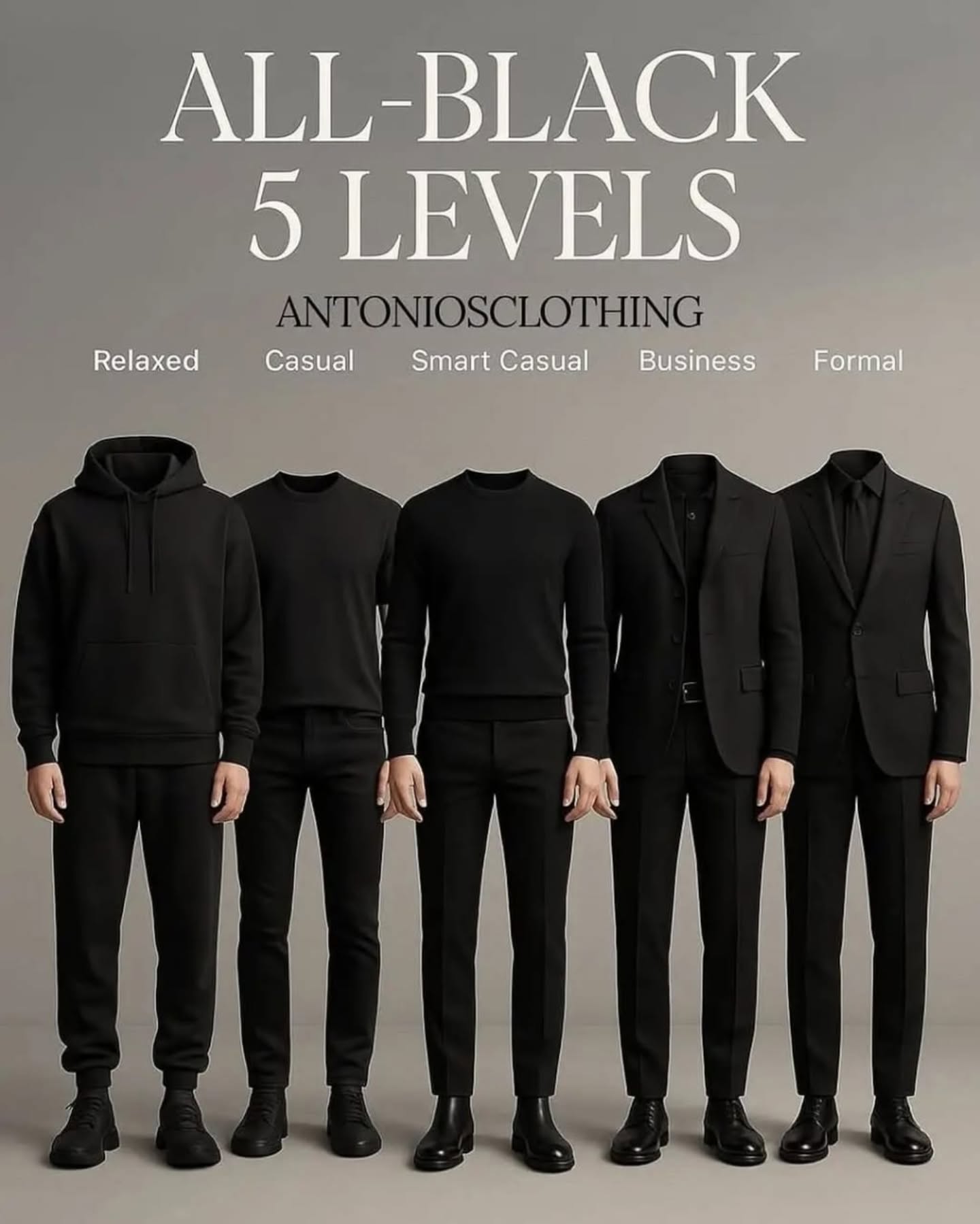
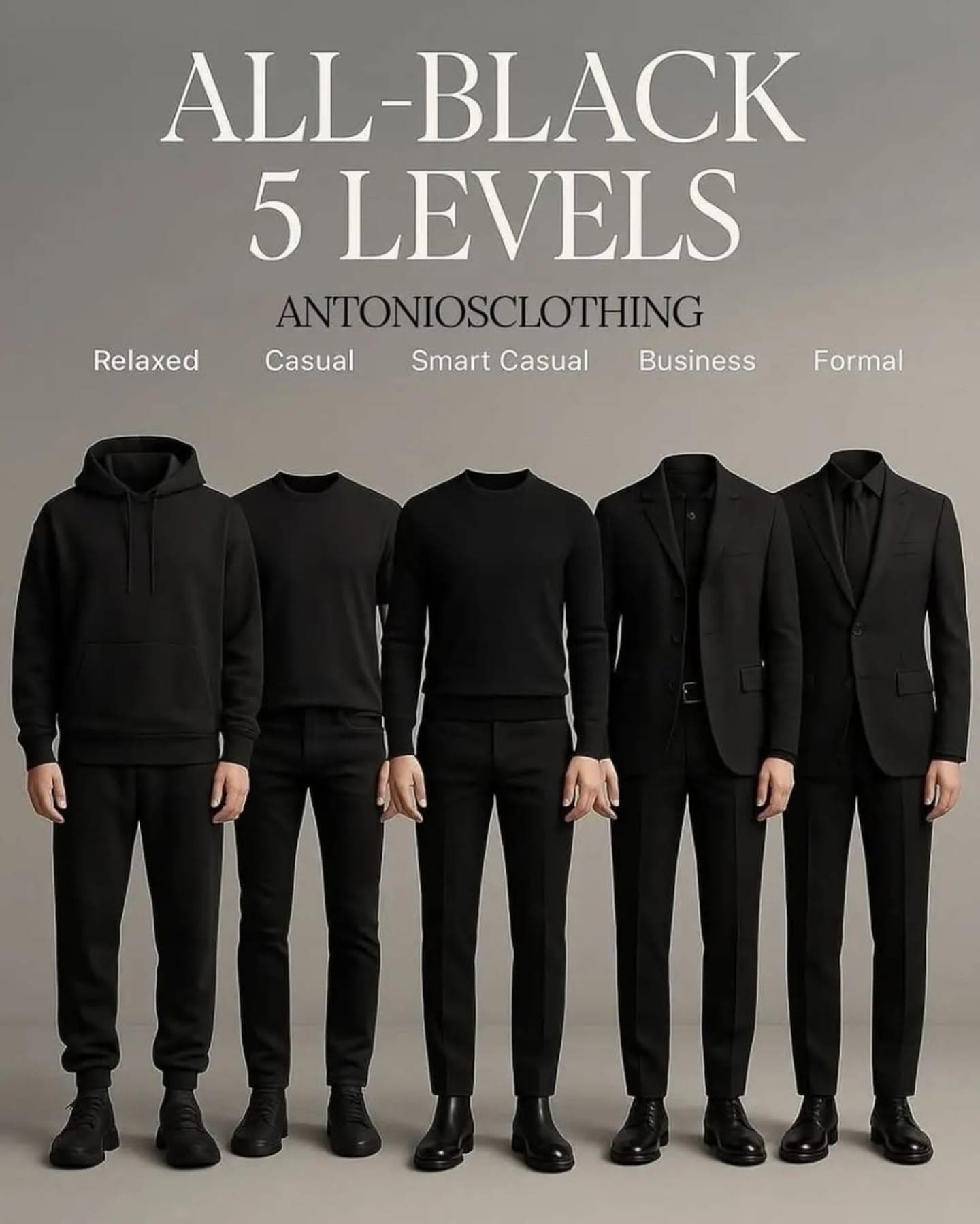
Men Fashion Sense image reference: five levels of the same outfit shown from relaxed to formal, showing how small changes move the whole look up or down.
Dressing better comes down to five levers, in this order of impact: fit, colour, shoes, context, and grooming. Most men skip straight to buying new clothes and never touch the first three. Fix fit before you add anything new. Keep colours to a small neutral palette. Let your shoes match the formality of the outfit, not just your mood. Read the room before you get dressed. Then let grooming close the gap between "fine" and "sharp."
Nobody is born knowing how clothes are supposed to fit or which colours work together. Most men learn by copying whatever is on a mannequin, buying whatever is on sale, or wearing whatever feels safe on a given morning. None of those choices are wrong individually, but they rarely add up to a wardrobe that works as a system. That's why a man can own a full closet and still feel like he has nothing to wear.
Dressing better is not about becoming a different person or spending more money. It is about removing randomness. Once you understand why a shirt fits or doesn't, why two colours clash or work, and why one pair of shoes finishes an outfit while another one undercuts it, you stop guessing every morning. The clothes stay roughly the same. The decisions get faster and better.
Think of getting dressed as five checkpoints, checked in order. If an outfit feels off, work backward through this list instead of blaming your whole wardrobe.
A man who checks these five things consistently will out-dress someone with a bigger budget and no system, almost every time.
Fit is the fastest, cheapest style upgrade that exists, and most men have never had it explained to them. A plain t-shirt that fits well beats an expensive shirt that pulls at the buttons or hangs like a tent. Before spending money on new pieces, try on everything you own and sort it into three piles: keep, tailor, replace.
For shirts, the shoulder seam should sit at the edge of your shoulder bone, not halfway down your arm and not up near your neck. For trousers, the waist should hold without a belt doing all the work, and the hem should meet the shoe cleanly instead of pooling in folds. For jackets, buy for the shoulders first — that's the one part a tailor can't easily fix.
Pick five to seven colours that all work together and build your basics from that list: navy, grey, white, black, olive, camel, and denim blue cover almost every situation. When your wardrobe shares one palette, any shirt goes with any trouser goes with any shoe, which means getting dressed stops being a puzzle.
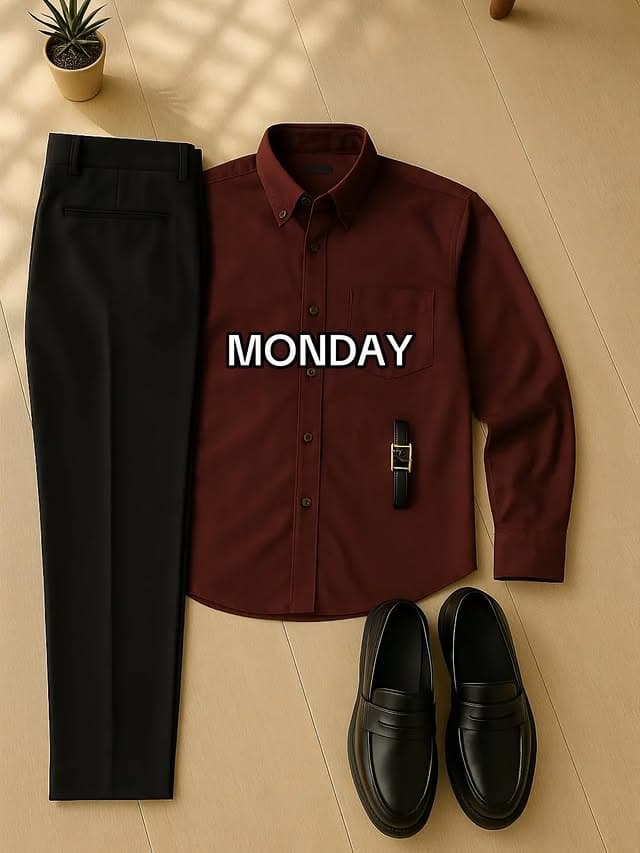
Use a simple rule when putting an outfit together: two neutrals as the base, one accent colour if you want interest, three colours total at most. Navy blazer, white shirt, olive chinos, brown loafers is a complete, masculine outfit built from four items and three colours.
Shoes do more to define an outfit's formality than almost anything else you're wearing. Dark jeans with running shoes reads as relaxed. The same jeans with Chelsea boots reads as sharp. Chinos with beat-up trainers look unfinished; the same chinos with clean loafers look intentional.
Start with three pairs: clean white leather sneakers for casual, brown Chelsea boots or Derbies for smart casual and business casual, and one pair of proper leather shoes if your life ever calls for a suit. Keep all three genuinely clean — scuffed or dirty shoes undo everything else about an outfit.
Before getting dressed, ask four quick questions: where am I going, who will be there, how formal is the setting, and what impression do I want to leave? A hoodie is perfect on a Saturday errand run and wrong at a client dinner. A blazer is perfect at that same dinner and overkill at the gym. Context decides which outfit is correct, not personal preference alone.
When you're unsure how dressed up to be, go one notch sharper than the minimum. A blazer can be taken off if you're overdressed. Dirty sneakers and a stretched t-shirt can't be fixed once you're already there.
A sharp outfit with unwashed hair, patchy stubble, and no attention to your shoes reads as unfinished. Keep a haircut schedule — most men look cleanest getting a cut every three to six weeks. Build a basic skincare routine of cleanser, moisturiser, and sunscreen. Use two to four sprays of fragrance, applied to pulse points, not your clothes. These details take minutes and change how the whole outfit reads.
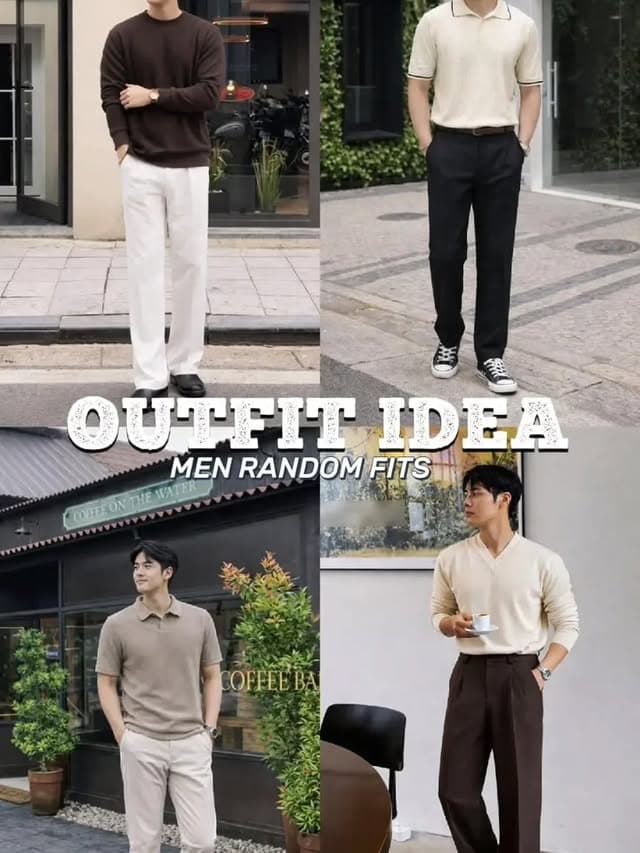
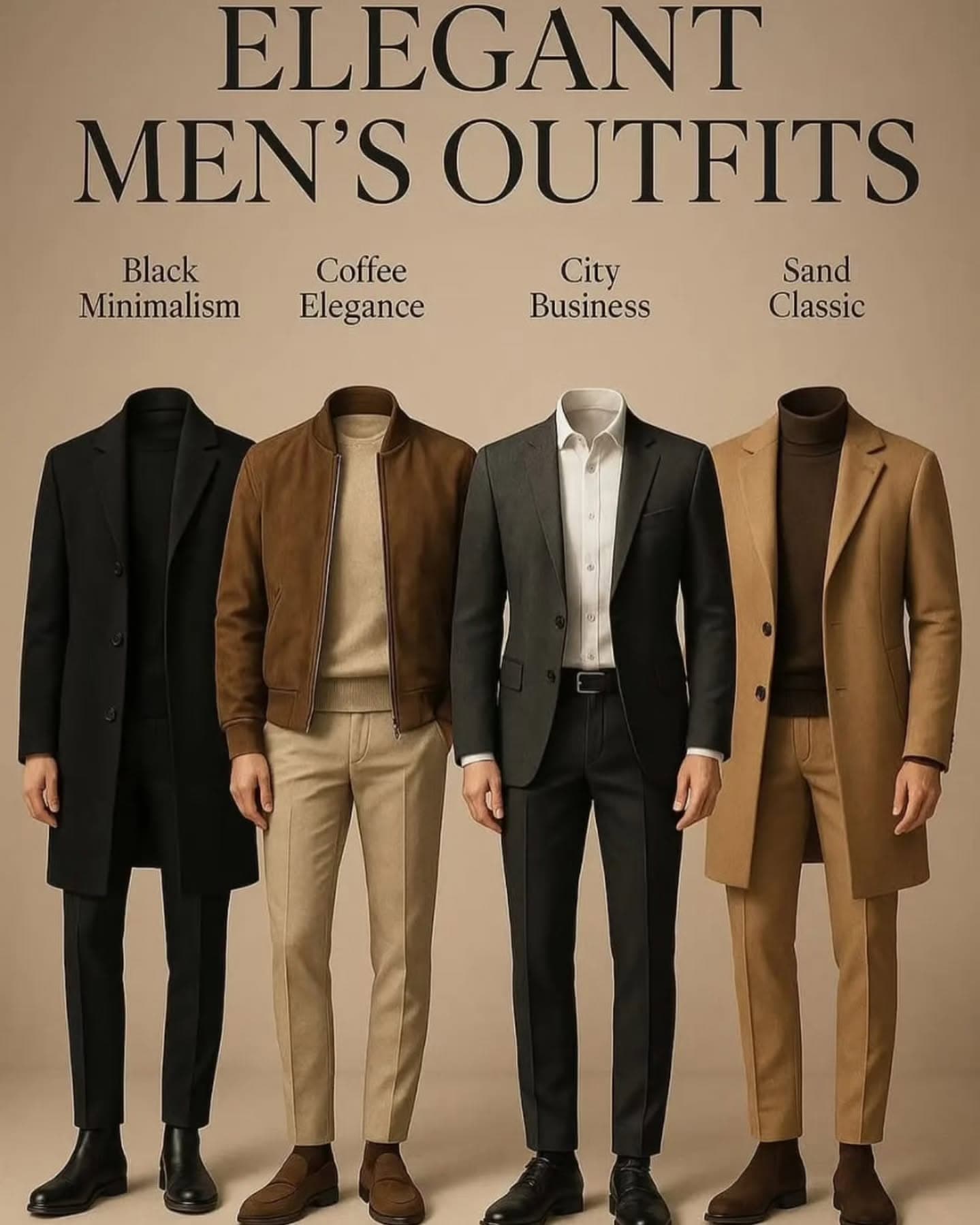
Use these as starting templates, not rigid rules. Once one formula feels automatic, add a second.
Each formula uses the same five-item skeleton — top, bottom, shoes, layer, colour story — which is exactly why they're easy to repeat.
Buying without a plan. Random purchases build a random wardrobe. Before buying anything, ask whether it works with at least three things you already own.
Chasing trends before basics. Trend pieces are fine once you have a working foundation. Beginners who lead with trends usually end up with a closet of items that don't talk to each other.
Ignoring shoes. A strong outfit with tired, dirty, or mismatched shoes drops instantly. Shoes are not an afterthought; they're one of the five checkpoints.
Skipping alterations. A hem, a sleeve adjustment, or a waist correction can turn an okay piece into a great one. Tailoring isn't only for suits.
Wearing clothes too large "for comfort." Oversized clothing usually reads as careless rather than relaxed. You can be comfortable and still have clean lines.
If your wardrobe is thin, buy in this order: fix or replace your worst-fitting basics first, then fill obvious gaps (a proper white shirt, dark jeans, clean sneakers, one pair of leather shoes, one blazer), then add personal pieces once the foundation works. Don't buy a fifth t-shirt while you own zero pairs of trousers that fit.
Give yourself a real 30-day plan: week one, audit your closet and sort keep/tailor/replace; week two, fix your worst fit problem; week three, build and photograph three complete outfits (casual, smart casual, one dressier option); week four, buy only pieces that complete a formula you already tested.
Start with fit, not shopping. Try on what you already own, fix or replace the worst-fitting pieces, and build one clean casual outfit and one smart casual outfit before buying anything new.
No. A well-fitted, simple outfit in neutral colours consistently looks better than an expensive outfit with poor fit or a chaotic colour story. Budget is not the limiting factor for most beginners — decisions are.
Cleaning your shoes, fixing your grooming, and wearing better-fitting basics can visibly improve how you look within a week. Building out a full working wardrobe usually takes a few months of deliberate, gradual buying.
Fixing fit and cleaning your shoes. Both are free or cheap, and both change how every other item you're wearing reads.
Not yet. Build a small set of well-fitting neutral basics first. Once those fundamentals are solid, trend pieces are easy to add one at a time without derailing the whole wardrobe.
Dressing better as a man is not about a personality change or a bigger budget. It's fit, a small connected colour palette, shoes that match the room, context, and grooming — checked in that order, every time you get dressed. Fix one checkpoint this week, not all five at once.
CTA: Start the 30-Day Style Reset and build your first three reliable outfits before you buy anything else.