Loading...
Style guides, outfit breakdowns, and deals — curated weekly for the modern Pakistani man.
12,000+ subscribers · No spam · Unsubscribe anytime
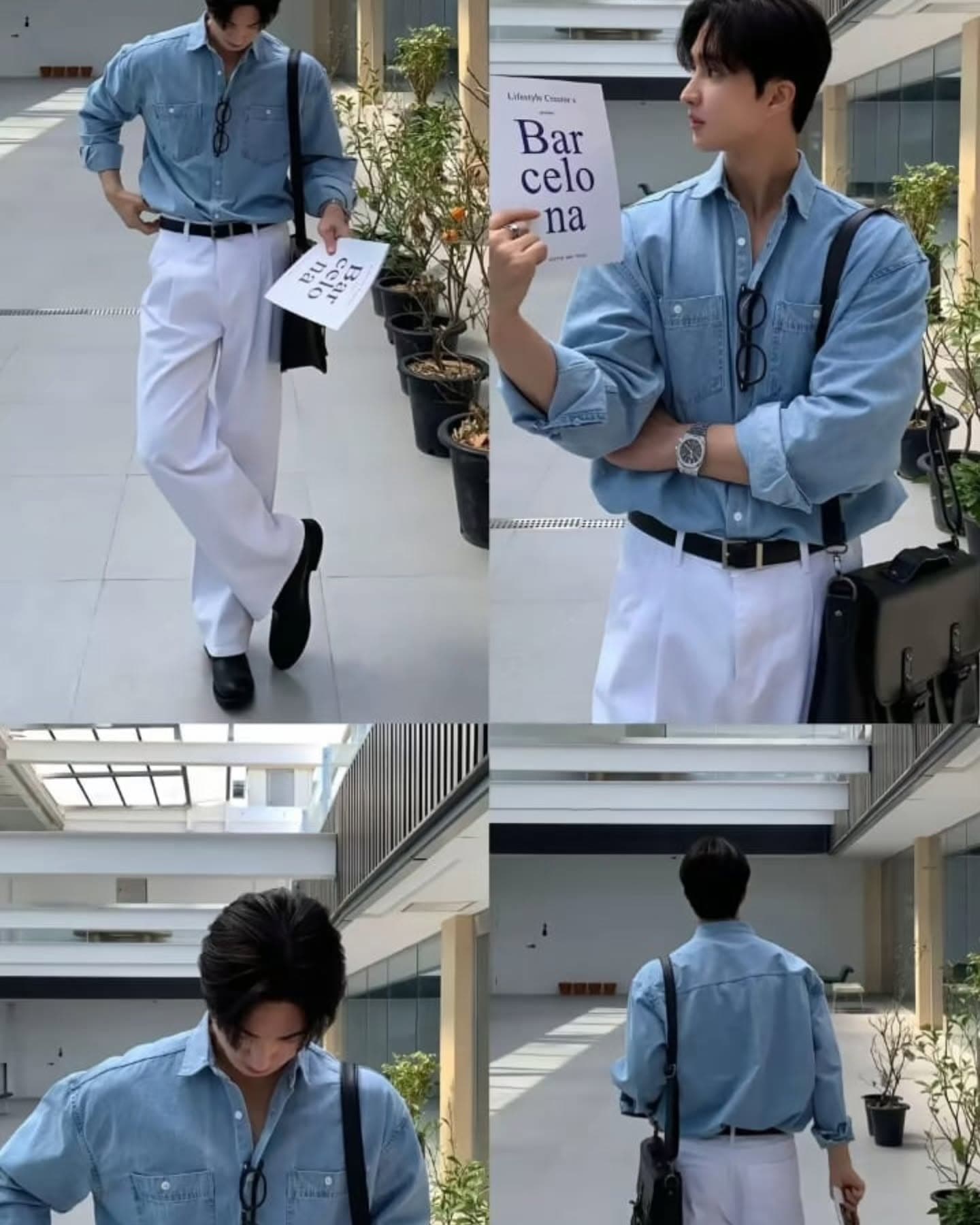
Learn how a men’s shirt should fit at the shoulders, chest, collar, sleeves, waist, and length, with simple signs of bad fit.
Affiliate disclosure: This article may include affiliate links. If you buy through them, Men Fashion Sense may earn a commission at no extra cost to you.
A shirt should fit close enough to show your shape, but not so tight that it pulls at the buttons, chest, stomach, shoulders, or sleeves. The shoulder seam should sit where your shoulder ends, the collar should allow one to two fingers, the sleeves should end around the wrist bone, and the body should skim instead of cling. If you fix only one part of your wardrobe first, fix shirt fit. It changes how clean, mature, and put together you look immediately.
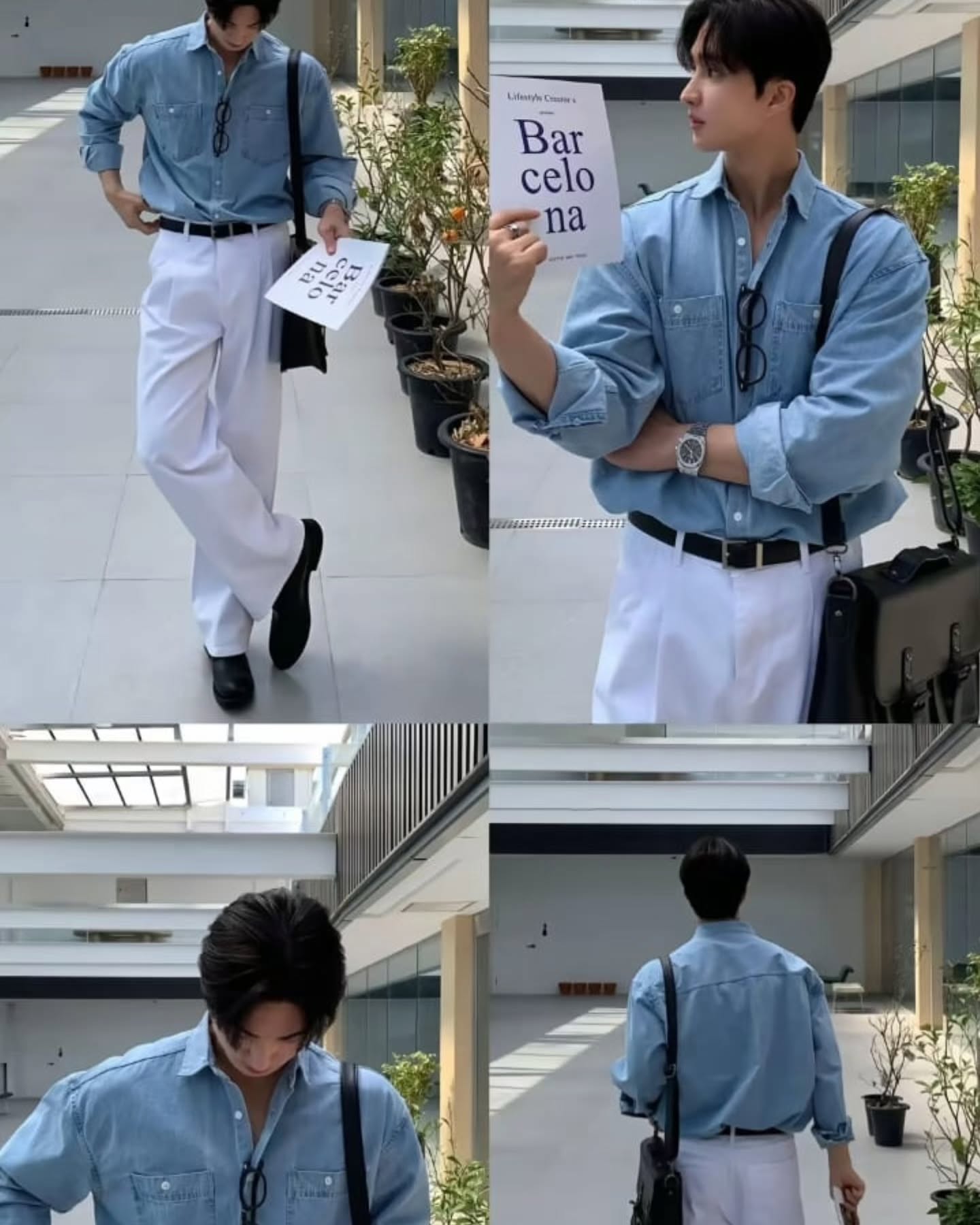
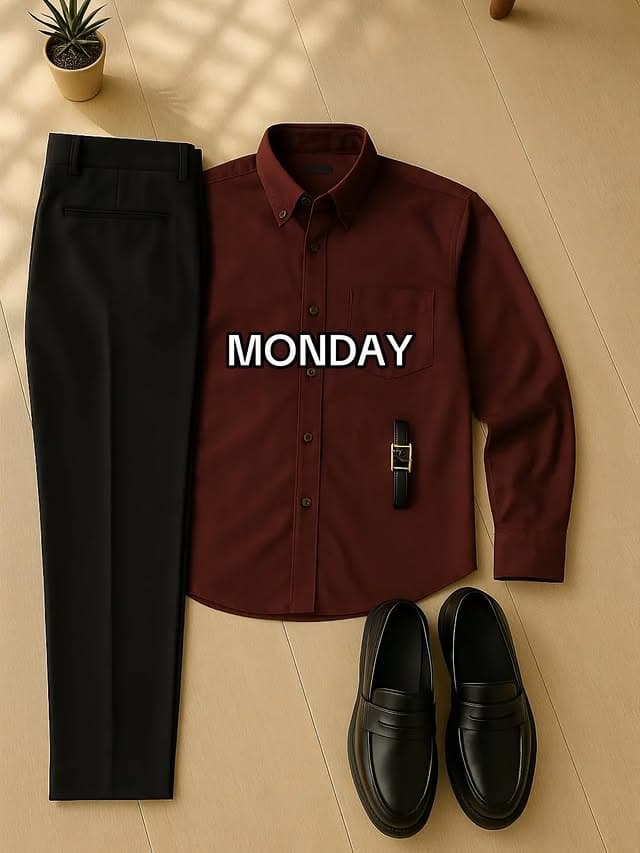
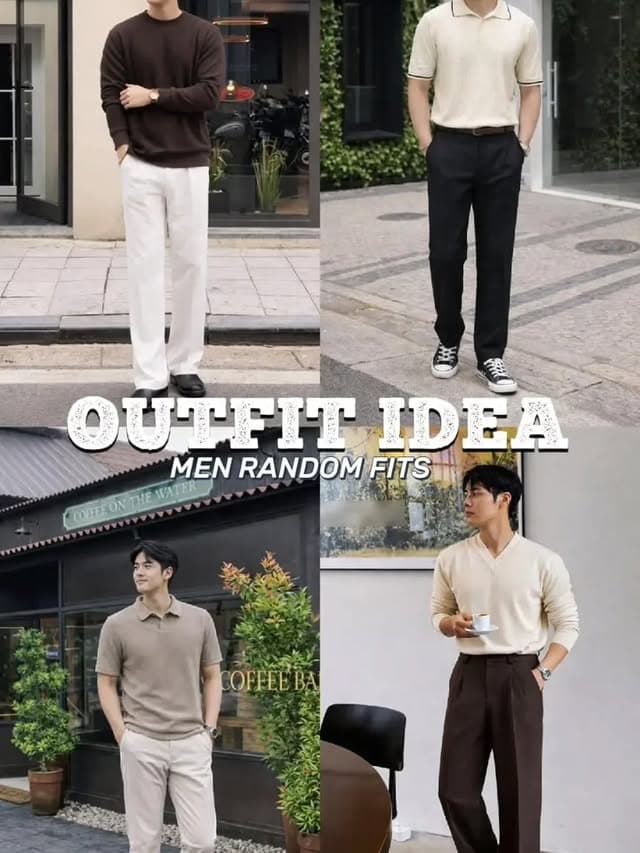
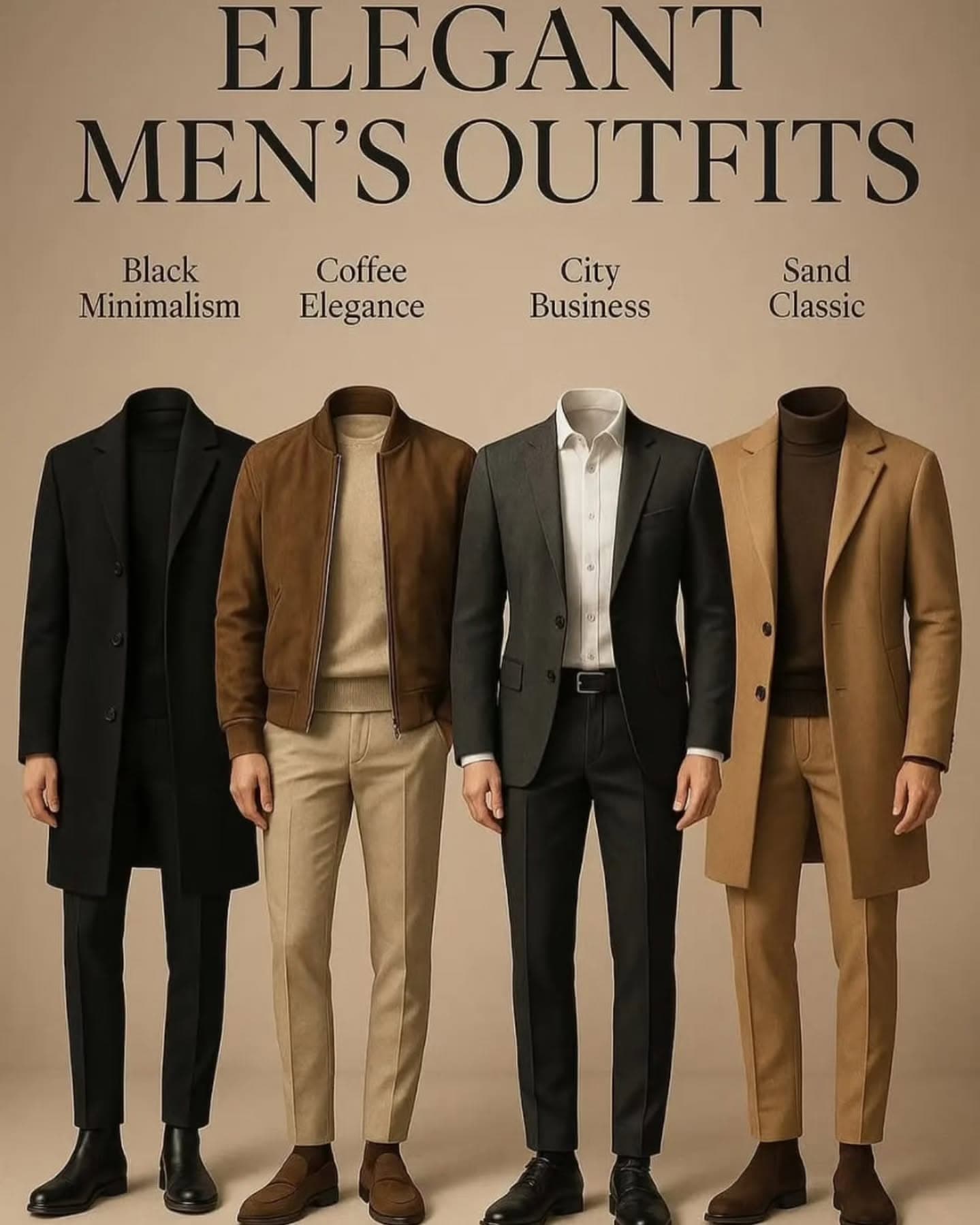
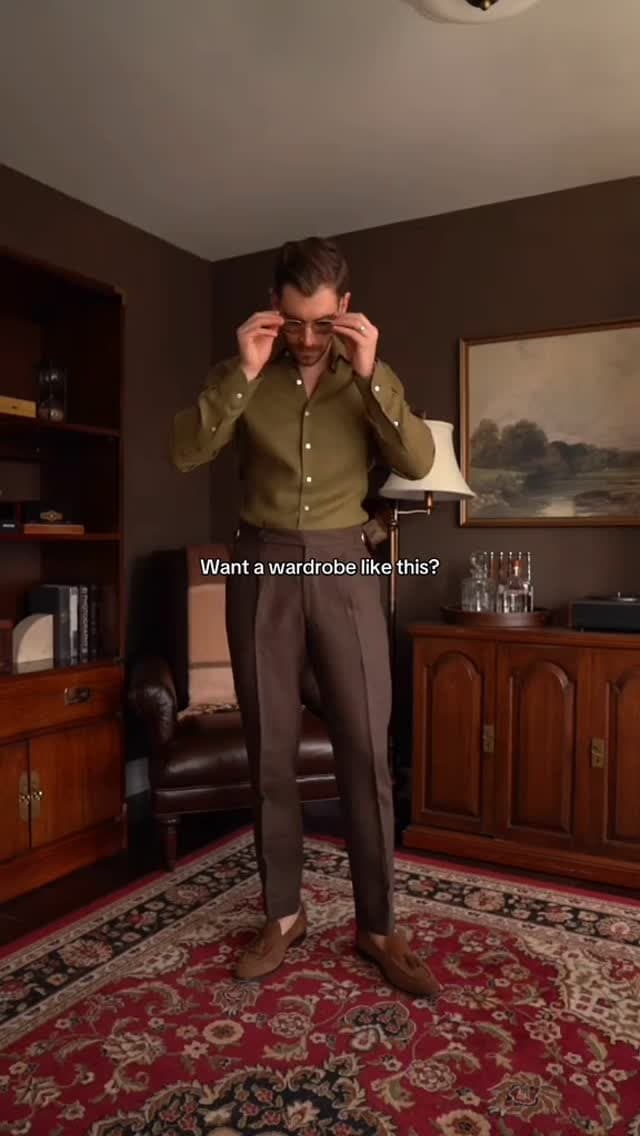
Men Fashion Sense image reference: Topic-matched visual for How Should a Shirt Fit Men? The Complete Fit Checklist.
Most men think a shirt is good because the colour is nice or the brand is expensive. That is the wrong order. Fit comes first. A cheap Oxford shirt in the right size usually looks better than an expensive shirt that balloons at the waist or pulls across the chest.
Your shirt sits near your face, frames your shoulders, and decides whether the rest of the outfit looks intentional. Jeans, chinos, sneakers, loafers, a blazer, or a simple jacket all look cleaner when the shirt underneath fits properly. When the shirt is wrong, the whole outfit feels wrong even if you cannot explain why.
Good fit does not mean tight. A well-fitting shirt gives you room to breathe, sit, drive, shake hands, and move naturally. It should respect your body instead of fighting it. The goal is simple: clean lines, controlled fabric, and no obvious pulling.
Use this before you buy or keep any shirt:
If three or more of these fail, do not convince yourself it is fine. Try another size, another cut, or a tailor.
The shoulder seam is the line where the sleeve attaches to the body of the shirt. On most shirts, that seam should sit near the point where your shoulder ends and your arm begins. If it drops far down the upper arm, the shirt is too big or cut too wide. If it sits high toward your neck, the shirt is too small.
Bad shoulder fit is hard to hide. A dropped shoulder makes you look smaller and less sharp because the shirt collapses around the frame. A narrow shoulder seam makes the upper body look strained, especially when you reach forward. This is why shoulder fit matters more than many men realize.
For T-shirts, a slight drop can work if the style is intentionally relaxed. But for a clean everyday look, stay close to the natural shoulder. For dress shirts, Oxford shirts, and polos, keep the seam controlled. If you want a sharper look, this one detail does most of the work.
For a dress shirt, button the top button and place one or two fingers between your neck and the collar. If you cannot fit one finger, it is too tight. If you can slide in several fingers easily, it is too loose. A loose collar looks sloppy under a blazer or tie because it collapses around the neck.
If you rarely wear ties, you still need the collar to sit cleanly. An Oxford shirt worn open should frame the neck without spreading wildly. A polo collar should stand neatly instead of curling flat and tired. A T-shirt crew neck should not be stretched out like old sleepwear.
Your collar is close to your face. People notice it. Keep it clean, shaped, and sized correctly.
The easiest sign of a shirt that is too tight is button pulling. Stand naturally, look in the mirror, and check whether the fabric pulls into small horizontal lines around the chest or stomach. If the buttons are working hard, the shirt is too tight.
A good shirt should lie flat over the chest. You should be able to pinch a small amount of fabric on each side without grabbing a handful. If the shirt is tight across the chest but loose everywhere else, try a different cut instead of sizing up blindly. Some brands are better for broad chests. Some are better for slimmer builds.
For muscular or athletic men, do not buy shirts only to show the chest. A shirt that looks painted on can make a good body look less refined. Clean fit beats tight fit.
At the waist, the shirt should follow your body without squeezing it. If the fabric clings to your stomach, pulls at buttons, or shows every undershirt line, it is too tight. If it creates large folds and balloons around your belt, it is too loose.
Many men buy shirts that fit the neck and shoulders but are too wide through the body. This is common with dress shirts. The fix is usually tailoring. A tailor can add darts or take in the sides so the shirt looks cleaner when tucked. This is one of the best low-cost upgrades in men’s style.
If you carry more weight around the midsection, do not hide inside oversized shirts. Choose fabric with structure, avoid clingy thin material, and let the shirt skim. Oversized fabric adds bulk. Too-tight fabric draws attention. The middle is where you look best.
For a dress shirt, the sleeve should end around the wrist bone when your arms are relaxed. If you wear a jacket, a small amount of shirt cuff should show below the jacket sleeve. If the sleeve covers half your hand, it is too long. If it sits above the wrist when standing still, it is too short.
Sleeve width matters too. A sleeve should not flap like a flag, but it should not squeeze your arm. You should be able to bend your elbow comfortably. For T-shirts, the sleeve should usually hit around mid-bicep and sit close without strangling the arm. For polos, keep the sleeve neat and avoid very wide openings.
Rolling sleeves can help, but it should not be the only way the shirt works. If a long sleeve shirt only looks good when rolled, the sleeve length may be wrong.
Shirt length depends on how the shirt is designed to be worn. A dress shirt meant for tucking should be longer, usually covering the seat enough to stay tucked. An untucked casual shirt should end around the middle of the fly or slightly below the belt line.
If an untucked shirt goes too low, it shortens your legs and makes the outfit look heavy. If it is too short, it exposes your stomach when you lift your arms. The cleanest casual length gives you coverage without swallowing your proportions.
This matters especially for shorter men. Long shirts can make legs look shorter. If you are tall, avoid shirts that look cropped by accident. Proportion is the point.
A T-shirt should sit cleanly on the shoulders, lightly follow the chest, and fall straight through the body. The neck should not be stretched out. The sleeve should hit around mid-bicep. The hem should usually end around the upper to mid-fly.
Avoid T-shirts that are too thin if they cling in unhelpful areas. Avoid oversized tees unless the rest of the outfit is built for that relaxed look. For most men starting from zero, a clean regular fit or slightly tailored fit is easiest.
Best beginner colours: white, navy, grey, black, and olive. They work with jeans, chinos, overshirts, casual jackets, and white sneakers.
A polo should look sharper than a T-shirt, not like golf uniform you forgot to replace. The shoulder seam should sit correctly. The sleeve should lightly hug the arm. The body should skim the torso. The collar should hold shape.
The hem should be long enough to cover the belt but not so long that it looks like a dress shirt. If you tuck it, use trousers or chinos with a clean belt. If you wear it untucked, keep the length controlled.
Avoid huge logos, floppy collars, and fabric that shows every bump. A good navy, white, forest green, or burgundy polo can carry a simple summer outfit.
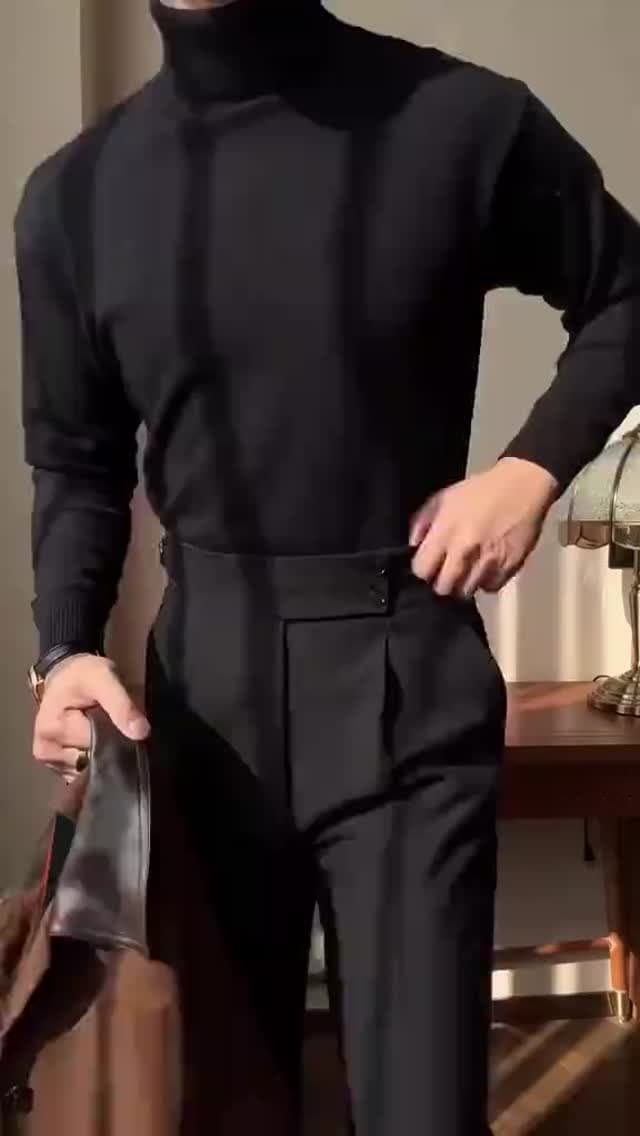
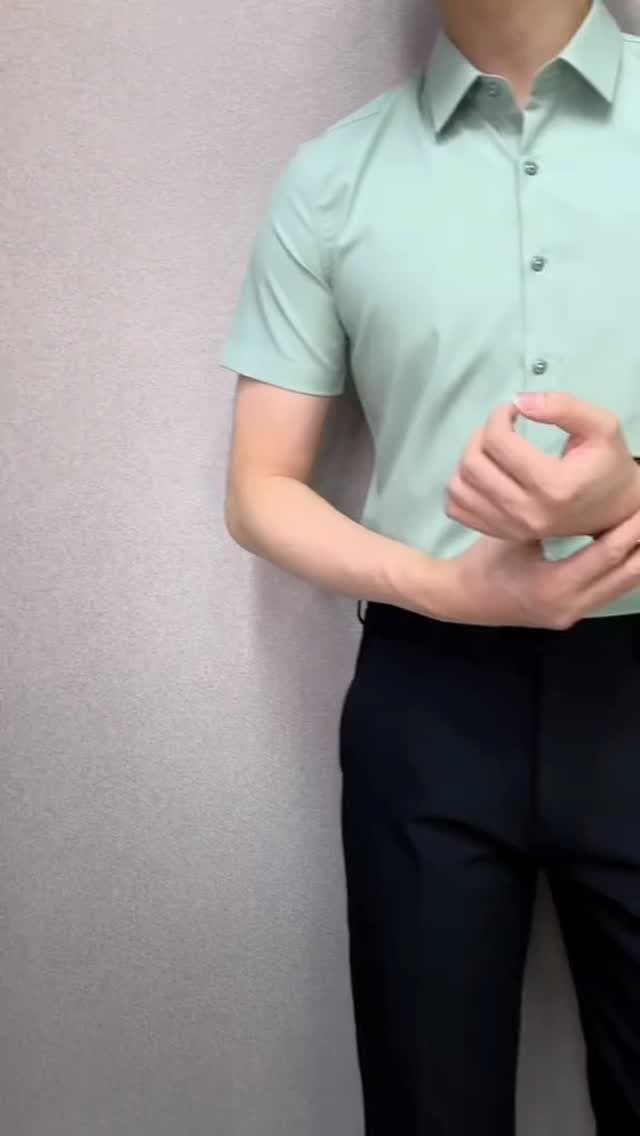
A dress shirt needs more precision because it is often worn with tailoring. Check the collar, shoulders, chest, sleeve length, cuff, and tuck. The body should not create a large fabric bubble above the trousers. The collar should sit under a jacket cleanly.
If you wear ties, collar size matters. If you wear blazers, sleeve length matters. If you tuck shirts often, waist tailoring matters. Do not treat dress shirts like disposable basics. They are one of the first things people notice in formal, business casual, and date settings.
A white or light blue Oxford or dress shirt is usually one of the smartest first buys. If you are building from zero, read Men’s Wardrobe Essentials after this.
A tailor can usually shorten sleeves, take in the sides, add darts, shorten the hem, and adjust some cuff details. A tailor usually cannot easily fix shoulders, collar size, or a shirt that is too small everywhere. Buy the best shoulder and collar fit first, then tailor the body if needed.
This is why you should not buy shirts only because they are on sale. If the shoulders are wrong, the bargain is not a bargain. Cost per wear matters more than the discount.
Do not buy a shirt because you hope it fits after a future transformation. Dress the body you have today. You can improve your body and still respect your current presentation.
Slim fit is only useful if it fits your frame. If it pulls, twists, or makes sitting uncomfortable, it is wrong.
A tired collar makes the whole outfit look tired. Replace basics before they become visible damage.
Very thin fabric can cling. Very stiff fabric can box you out. Look for cotton with enough weight to drape cleanly.
When shopping, take two sizes into the fitting room. Try your normal size and one nearby size. Move around. Sit. Raise your arms. Button the collar. Tuck it in if it is a dress shirt. Check the side view, not only the front.
If buying online, check the size chart and measure a shirt you already like. Compare chest width, shoulder width, and length. A measuring tape is a useful style tool. It saves returns, money, and frustration.
Neither. It should skim your body. You want clean shape without pulling at the buttons or drowning in extra fabric.
Look for shoulder seams sitting too high, button pulling, tight sleeves, restricted movement, or the hem rising too much when you lift your arms.
Look for dropped shoulder seams, ballooning fabric at the waist, sleeves covering the hand, and a hem that makes your legs look shorter.
Sometimes. Tailoring can clean up sleeves, sides, and length. It usually cannot rescue a wrong collar, wrong shoulders, or a shirt that is too tight.
Start with regular or tailored fit. Avoid extreme skinny fits and oversized fashion fits until you understand proportion.
Your shirt should make your frame look cleaner, not louder. Check shoulders first, then collar, chest, waist, sleeves, and length. Save this checklist before your next shirt purchase and use it in the fitting room.