Loading...
Style guides, outfit breakdowns, and deals — curated weekly for the modern Pakistani man.
12,000+ subscribers · No spam · Unsubscribe anytime
A practical Men Fashion Sense guide: use one light base, one rich accent, and restrained accessories so the outfit looks intentional instead of costume-like.
Most men do not fail at style because they lack clothes. They fail because they do not know what the clothes are supposed to do. This outfit example gives one useful visual clue, and this article turns it into a practical rule you can use in your own wardrobe.
The lesson here is simple: use one light base, one rich accent, and restrained accessories so the outfit looks intentional instead of costume-like. That is the part to remember before you buy anything new.
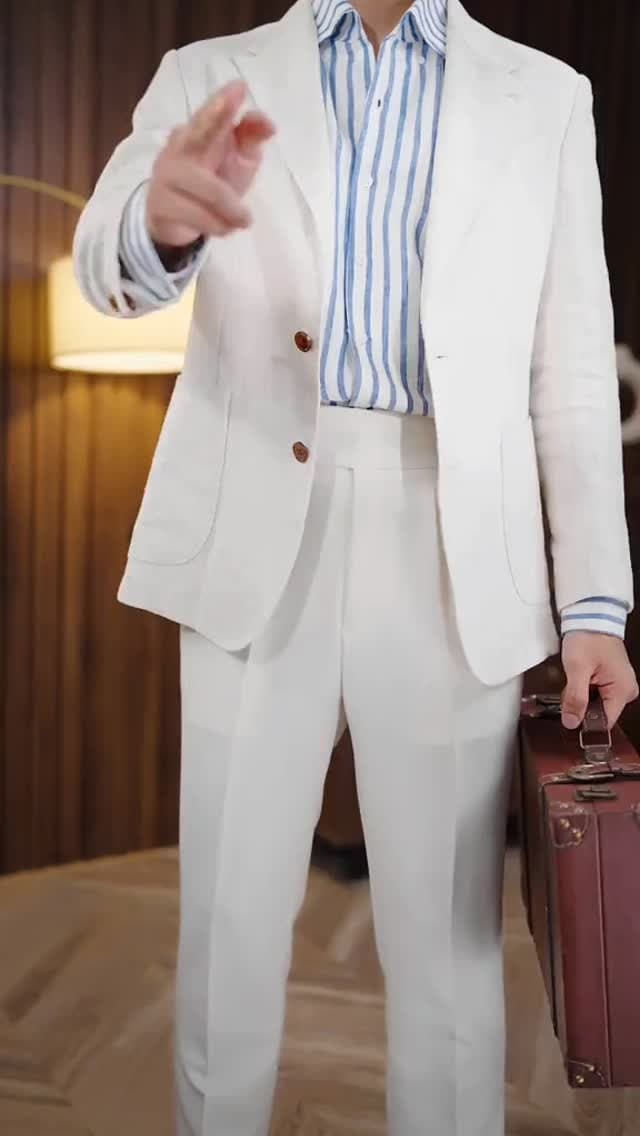
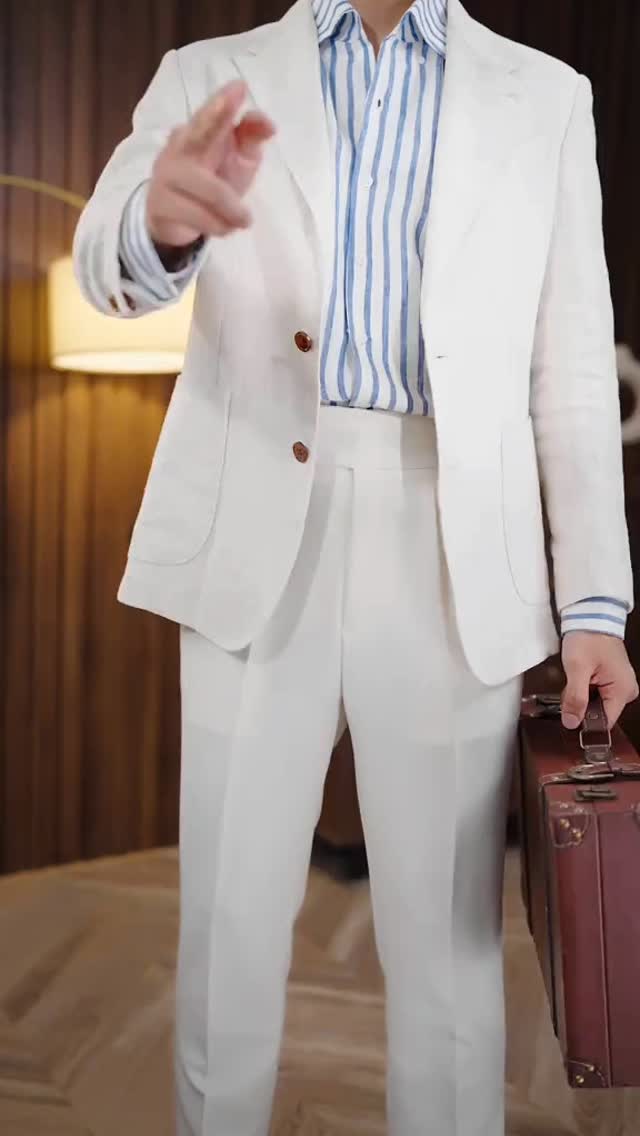
The image shows a cropped tailored outfit: a white or cream suit jacket with matching high-waisted pleated trousers, a blue-and-white vertical striped shirt, brown buttons and a burgundy/brown briefcase. Shoes, face and grooming are not visible. The silhouette is formal and polished with strong contrast between the pale suit and striped shirt. Practical lesson: old-money colour is not about logos; it is about clean light tailoring, one classic pattern and one leather accent.
The public caption lists six old-money colour combinations: dark red with cream, cream with khaki, beige with dark brown, light blue with cream, navy with dark brown, and olive green with cream.
Use the caption as a checklist, not as an excuse to overcomplicate the outfit. A caption can list many combinations. Your job is to choose the one combination that fits your body, your budget and the room you are walking into.
This guide is for the man who wants to look better without dressing like he is wearing a costume. Maybe you are rebuilding your wardrobe. Maybe you have a date, office day, dinner, brunch or event coming up. Maybe you already own similar pieces but you are not sure how to combine them.
The goal is not to copy the image exactly. The goal is to understand why the look works, then adapt the idea to your own clothes. Men Fashion Sense is a style academy, not a fantasy shopping page. You should be able to finish this guide and make one cleaner decision today.
The core principle is control. Control the colour. Control the fit. Control the shoe choice. Control the accessories. When men say an outfit looks “expensive,” they usually mean it looks controlled. The shirt is not fighting the trousers. The shoes are not from a different dress code. The accessories are not screaming for attention. The colours make sense together.
For this post, the strongest rule is: build the outfit around one main message. If the message is formal, keep the shoes and shirt formal. If the message is smart casual, relax one part but keep the rest neat. If the message is quiet luxury, remove logos and let tailoring, texture and colour do the work.
These rules are intentionally simple. Men improve faster when the rule can be repeated in one sentence. Do not try to master every menswear theory at once. First learn to make one outfit look intentional.
Start with the main piece you already own. That could be a blazer, polo, button-up shirt, tailored trouser, loafer, sneaker or clean jacket. Ask one question: is this piece casual, smart casual, business casual or formal? Then build around that answer.
If the piece is formal, do not drag it down with random casual items unless you know the dress code allows it. If the piece is casual, raise it with cleaner trousers, better shoes or a tucked shirt. If the piece is colourful, make the rest quieter. If the piece is neutral, you can add one richer accent.
A useful formula is:
That formula works because it removes panic. You are not staring at the closet wondering what looks stylish. You are checking whether each piece supports the outfit.
Before colour, check fit. A clean colour combination will still fail if the shirt pulls at the buttons, the trousers bunch heavily at the ankles, or the jacket looks too tight through the chest. Fit does not mean skinny. Fit means the garment has enough room to move while still following your shape.
Use these checks:
If you are unsure, take a mirror photo from the front and side. The camera will show you where fabric collapses, pulls or bunches.
Colour is where many men overthink. You do not need a colour wheel for every morning. You need a few safe pairings and a rule for contrast. Light with dark gives structure. Neutral with one accent gives personality. Similar muted colours can work, but only when the textures and fit are strong.
For beginners, stay with navy, white, cream, grey, beige, olive, black and brown. These colours repeat well and do not look desperate for attention. Once those are working, add controlled accents like burgundy, pale blue, mustard, forest green or muted red.
The key is not to make every item interesting. If every piece is trying to be the highlight, the outfit becomes noisy. Let one part lead and let the rest support it.
Shoes decide the final level of the outfit. A blazer with dress shoes reads different from a blazer with white sneakers. A polo with loafers reads different from a polo with running shoes. A suit with no-show socks reads different from a suit with classic dress socks.
Keep your shoes clean. This sounds basic because it is basic. Dirty sneakers, collapsed loafers and scuffed formal shoes make the whole outfit look unfinished. Accessories should do less than you think. A watch, belt, sunglasses or bag is enough. If you add bracelets, rings, chains, bright socks and a loud belt all at once, the outfit loses discipline.
Grooming is part of the outfit. Hair, beard line, nails, posture and fragrance all affect how the clothes are read. You can wear a strong outfit and still look unfinished if your grooming is careless.
Before leaving, check three things: hair direction, collar shape and shoe condition. Those three details are visible fast. They tell people whether the outfit was intentional or accidental. Presence is not about acting superior. It is about looking like you respect the room and the people in it.
There is nothing wrong with experimenting. The problem is experimenting without control. If you want to try something new, change one thing at a time. Change the colour, not the colour and fit and shoes and accessories all together. That is how you learn what actually improved the outfit.
Do not buy the exact item from a post just because the image looks good. First check whether you already own something close. Most men need better combinations before they need more clothes.
If you are shopping, buy in this order:
This keeps you from building a closet full of isolated pieces. Style gets easier when every purchase connects to an outfit formula.
Build this outfit idea into a stronger wardrobe by reading the foundation guides: start with the men’s style basics, then use the men’s wardrobe essentials to decide what to buy first, and check the smart casual guide for men when the outfit needs to work for dinners, dates, office days or weekends.
You can, but you do not have to. Copy the principle first. Match the colour level, formality and silhouette, then adjust the exact items for your body and your life.
Start with fit and cleanliness. A neat shirt, clean trousers and polished shoes beat expensive clothes worn carelessly. Buy fewer items and repeat them better.
Check the room. Office, wedding, dinner, date, travel and weekend settings all have different expectations. When unsure, go one step cleaner rather than one step louder.
Save the main rule: use one light base, one rich accent, and restrained accessories so the outfit looks intentional instead of costume-like. That one sentence is more useful than copying every detail.
The best style lesson from this post is not “buy this outfit.” It is “make cleaner decisions.” Use the outfit image as a guide, use the caption as support, and build an outfit that matches your real setting.
Save this guide, then check one outfit in your wardrobe today. Ask: does the colour make sense, does the fit look clean, and do the shoes match the message? If yes, you are already dressing better.