
Loading...
Style guides, outfit breakdowns, and deals — curated weekly for the modern Pakistani man.
12,000+ subscribers · No spam · Unsubscribe anytime
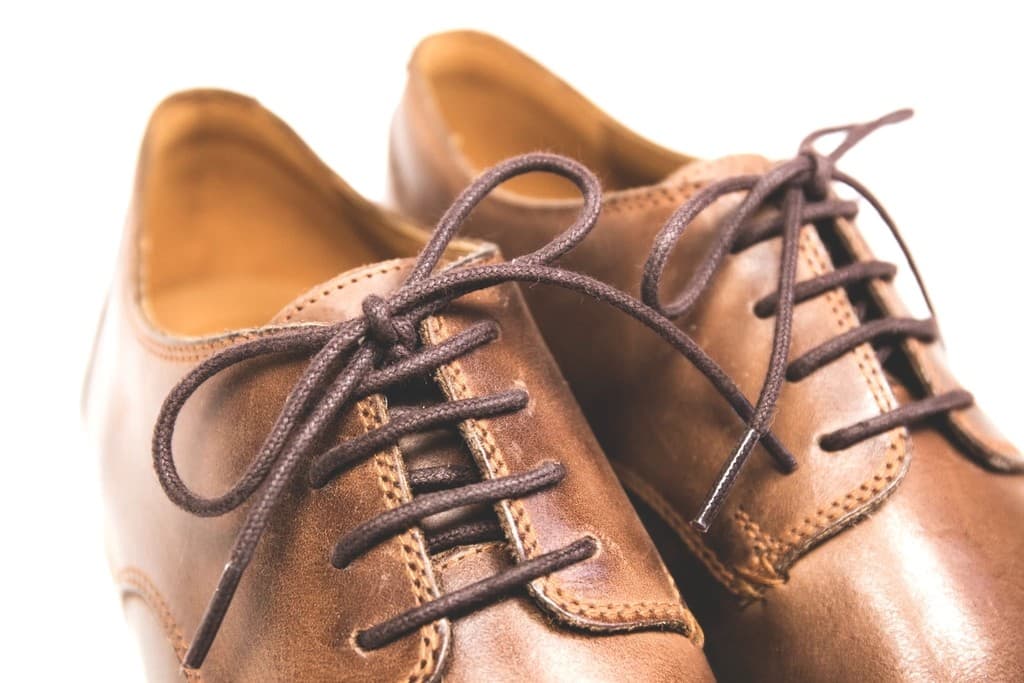
A step-by-step leather shoe care routine for men: how to clean, condition, polish, dry and store your shoes, how often to do each step, and the mistakes that ruin good leather.
Most men do not ruin their leather shoes. They simply never maintain them, and then wonder why a pair that cost real money looks tired after one winter.
Leather is skin. It dries out, it cracks where it bends, and it stains when you ignore it. The good news is that the entire care routine takes about fifteen minutes a month, uses four cheap items, and can easily double how long a pair lasts. This is the routine, in order, with the timing for each step.
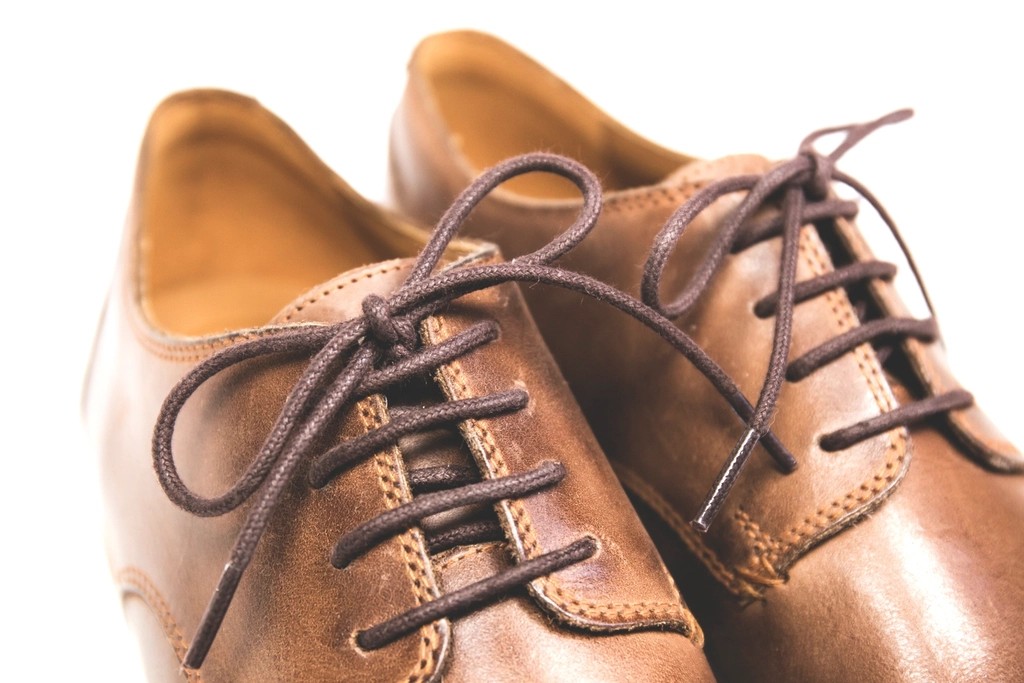
Never wear the same leather shoes two days in a row.
If you learn nothing else from this article, learn this. Your feet release a meaningful amount of moisture into a shoe over a day. That moisture soaks into the lining and the leather. If you put the shoe straight back on the next morning, it never dries, and damp leather stretches, smells, and breaks down far faster.
Rotating two pairs does not make each pair last twice as long. It makes each pair last roughly three times as long, because you are giving the leather a full 24 hours to dry and return to shape between wears.
If you only own one pair of good leather shoes, the single best upgrade you can make is a second pair — before any polish, cream, or gadget.
You do not need a fifteen-piece kit in a wooden box. You need four things.
| Item | What it does | How often you use it | Rough priority |
|---|---|---|---|
| Cedar shoe trees | Absorb moisture, hold shape, reduce creasing | After every wear | Buy first |
| Horsehair brush | Removes dust and buffs to a shine | After every wear (30 seconds) | Buy second |
| Leather conditioner or cream | Puts moisture back so leather does not crack | Every 10–15 wears | Buy third |
| Polish (cream or wax) | Adds colour and protects the surface | Every 5–10 wears, or before an event | Buy last |
A damp cloth and an old cotton t-shirt cover everything else. Total cost is usually less than a single dinner out, and it protects footwear worth many times that.
This is the step that does 80% of the work and takes 30 seconds.
When you take the shoes off, brush them briskly with the horsehair brush. You are removing the dust and grit that sits in the creases and slowly cuts the leather fibres every time the shoe bends. Then insert the shoe trees.
Cedar trees do two jobs at once. They pull moisture out of the lining, and they push the upper back into its intended shape while it dries, which flattens the creases across the vamp instead of letting them set as permanent folds.
Put the trees in while the shoes are still warm from your feet. That is when the leather is most pliable and most willing to be reshaped.
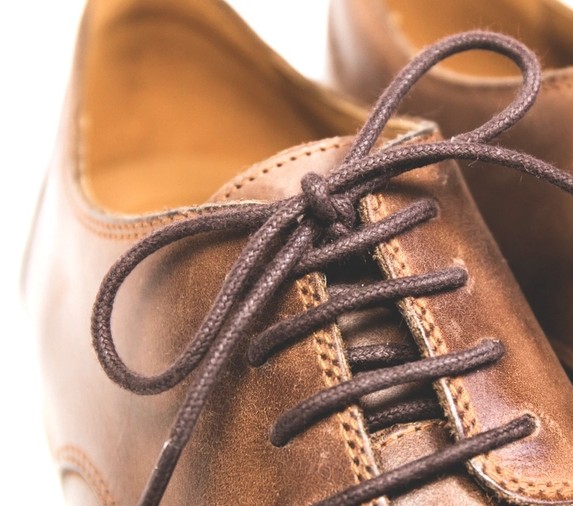
While you are down there, loosen the laces before you take the shoes off, and do not use your other foot as a shoehorn. Crushing the heel counter is one of the few kinds of damage no amount of polish will fix.
Polishing over dirt seals the dirt in. Always clean first.
For normal wear, a cloth barely dampened with water is enough. Wipe the whole upper, get into the welt seam where grit collects, and let the shoe dry naturally for twenty minutes.
If the shoes are genuinely grubby, or if you are about to condition them properly, use a dedicated leather cleaner or saddle soap. Work it in with a cloth in small circles, wipe the residue off, and let them dry fully before the next step. This also strips off old built-up polish, which is a good thing — layers of ancient wax stop conditioner from reaching the leather underneath.
Two things to avoid: never put leather shoes in a washing machine, and never use household detergents or alcohol wipes on them. Both strip the natural oils and leave the leather brittle.
Conditioner is food. Polish is makeup. Men skip the food and wonder why the makeup stops working.
Apply a small amount of conditioner or leather cream with a cloth or your fingers, covering the whole upper evenly. Less is more — a pea-sized amount handles a whole shoe. Pay attention to the flex point across the toe, because that is where the leather bends thousands of times and where cracks always start.
Let it absorb for fifteen to twenty minutes, then buff off whatever has not soaked in with the brush.
How often? Every ten to fifteen wears is a sensible default. In practice, judge it by feel: if the leather looks dull and dry and feels stiff rather than supple, it is asking to be conditioned. In a dry climate or a cold winter with heating running constantly, do it more often.
Polish comes in two useful forms, and they do different jobs.
Cream polish carries pigment. It refreshes faded colour, hides light scuffs, and keeps the leather looking rich. Use it on the whole upper.
Wax polish builds a hard protective film. It gives a serious shine and shields against water, but it does not nourish the leather. Use it on the toe cap and heel counter — the stiff areas that do not flex much — and keep it away from the flex points where a hard wax layer will crack.
Apply thin coats, let each one haze over, then buff with the brush, then finish with a soft cloth. Several thin coats always beat one thick one.
For a formal event, the sequence is simple: clean, condition the day before, then cream polish and buff on the day. Do not attempt a full conditioning treatment an hour before you leave — the leather will still be absorbing and the shoes will mark your trousers.
Wet shoes are where most permanent damage happens, and almost all of it comes from drying them wrong.
If your shoes get soaked, stuff them with newspaper or insert shoe trees, and let them dry slowly at room temperature, away from radiators, heaters, fires and hairdryers. Direct heat drives the moisture out too fast, shrinks the leather, and causes the cracking you were trying to avoid.
Salt stains from winter roads leave white tide marks. Remove them early with a cloth dampened in a mix of water and a small amount of white vinegar, then let the shoe dry and condition it, because salt is aggressively drying.
Once they are fully dry, condition them. Water pulls oils out of leather as it evaporates, so every proper soaking should be followed by a feed.
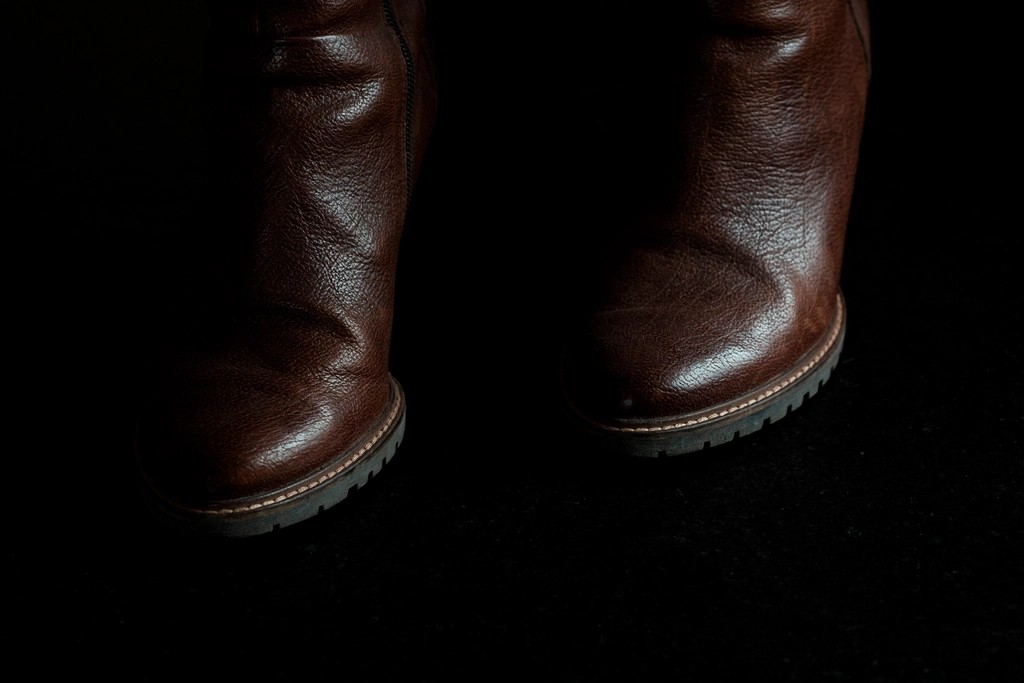
Creases across the toe are not damage. They are proof the shoe bends where your foot bends, and every leather shoe that gets worn will develop them.
What you can control is whether they stay soft and shallow or set into deep permanent folds. Shoe trees after every wear, regular conditioning, and correct sizing do almost all of that work. A shoe that is too long creases badly in front of the toes because there is empty leather with nothing supporting it, and a shoe that is too tight creases hard because the upper is under constant strain.
What you cannot do is keep a worn shoe looking factory-new. Anyone promising crease-free leather is selling something. Aim for supple and well-fed, not untouched.
Everyone polishes the upper and forgets the part actually touching the ground.
Check the welt stitching — the line of stitches running around the shoe just above the sole — and the sole edge every few months. Grit packed into that seam holds moisture against the shoe.
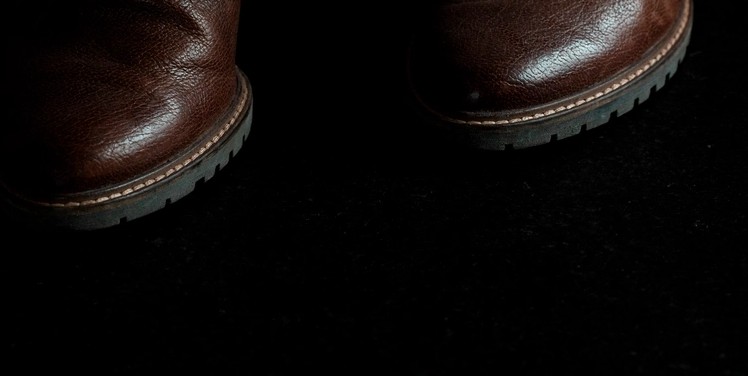
The important decision here is when to resole. If the sole has worn thin but has not yet worn through to the welt stitching, a good cobbler can resole the shoe and you get years more wear. If you keep walking until you have worn through the welt itself, the repair becomes far more expensive or impossible.
Check the soles every few months and get them resoled a little earlier than you think you need to. Rubber toe taps and a heel replacement are cheap and buy a lot of time.
Store shoes with trees in, somewhere dry, out of direct sunlight, and not sealed in a plastic bag. Leather needs air, and trapped humidity grows mould.
For long-term storage — winter boots over summer, for instance — clean them, condition them, insert trees, and keep them in cotton dust bags or the boxes they came in with the lid loose. Give them a check and a brush every couple of months rather than discovering the damage in October.
If your leather shoes look right but the rest of the outfit is fighting them, the fix is usually further up. Get the trouser fit and the break above the shoe correct first, since that is what frames the shoe. For formal pairings, brown dress shoes with a suit covers which shades work with which suit colours, and if you are still deciding which pairs deserve this routine at all, start with the shoes every man should own. For everyday smart-casual, grey shirt with cream chinos and brown shoes is a reliable place to put a well-kept brown pair to work.
How often should I polish leather shoes? Every five to ten wears for normal use, or before any occasion where you want them looking sharp. Polishing more often than that is not harmful, but it builds up layers, so strip them back with a proper clean every few months.
Can I use coconut oil or olive oil on leather shoes? No. Household oils do not absorb correctly, they can go rancid inside the leather, and they often darken it permanently and unevenly. Use a product made for leather.
Are shoe trees really worth it? Yes, and they are the highest-value item in the whole list. Cedar trees absorb sweat and hold the shoe's shape while it dries, which is exactly when creases either flatten out or set permanently. If you buy one thing after reading this, buy trees.
How do I get scuffs out of leather shoes? Light scuffs usually buff out with a horsehair brush alone. Deeper ones need a matching cream polish worked into the mark and buffed. If the scuff has gone through the finish into the raw leather, a cobbler can recolour it.
What should I do if my leather shoes squeak? Squeaking is usually moisture trapped between the insole and the sole. Dry the shoes fully with trees in for a couple of days. If it continues, a cobbler can lift the insole and apply talc or leather balm underneath.
Does this routine work for suede? No. Suede needs a completely different approach — a suede brush and eraser, plus a protector spray. Never put cream or wax polish on suede; it will flatten and ruin the nap permanently.
My shoes already have cracks. Can I save them? If the cracks are surface-level in the finish, conditioning and cream polish will improve the look considerably. If the leather has cracked all the way through at the flex point, that is structural and cannot be reversed — which is precisely why conditioning before it happens matters.
Save this routine and check your own pairs tonight. Look at the flex point across the toe of the shoes you wear most: if the leather looks dry and dull, condition them this week — that one step will do more than any polish.
Build a reliable men’s wardrobe with 20 essential pieces: shirts, jeans, chinos, shoes, outerwear, accessories, and grooming basics.