Loading...
Style guides, outfit breakdowns, and deals — curated weekly for the modern Pakistani man.
12,000+ subscribers · No spam · Unsubscribe anytime
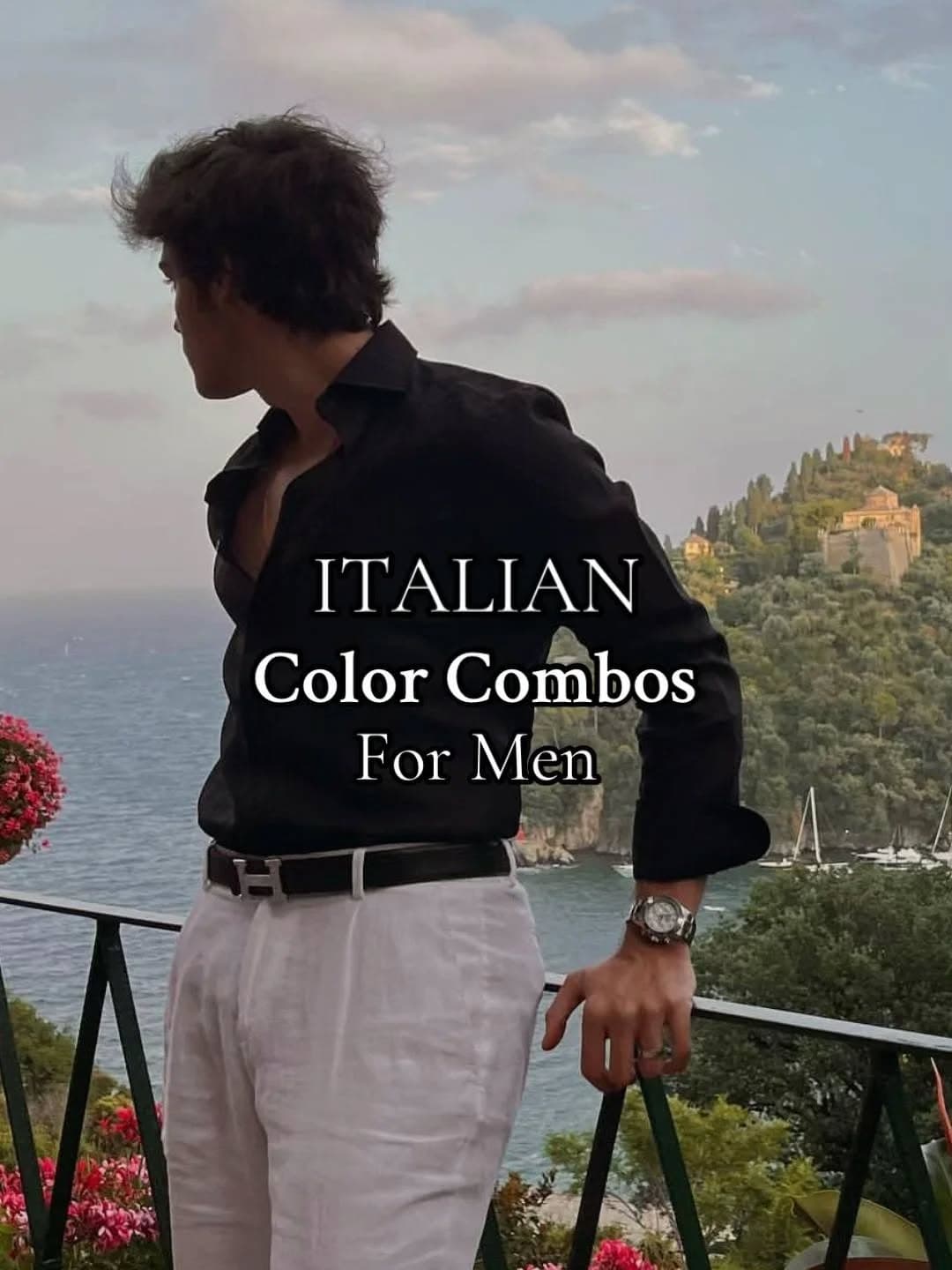
Learn how men can match clothes using neutrals, colour temperature, accent colours, skin tone, and the 3-colour rule.
If you struggle with men color matching clothes, start with this simple rule: build most outfits from neutrals, add only one strong colour, and keep the whole outfit to three main colours or fewer. You do not need to memorize a colour wheel. You need a repeatable system that works when you are getting dressed for work, dinner, a date, or a normal weekend.
Image prompt: Premium menswear editorial flat-lay of navy, charcoal, white, cream, olive, camel, and denim clothing pieces arranged as colour pairings on a warm neutral background, realistic fabric texture, no visible logos, no fake text.
Most men were never taught colour. They learned by copying mannequins, celebrities, friends, or whatever was on sale. That is why the wardrobe becomes random: one bright shirt, one loud pair of sneakers, one jacket that matches nothing, and trousers bought without thinking about the rest of the closet.
Good colour matching is not about looking artistic. It is about reducing friction. When your colours work together, the outfit looks cleaner even if the clothes are affordable. When your colours fight each other, expensive clothes can still look messy.
The goal is simple: make your clothes look intentional.
Neutrals are colours that work with almost everything. For men, the most useful neutrals are:
If you are rebuilding your wardrobe from zero, buy more neutrals than bright colours. A navy overshirt, white Oxford shirt, grey sweatshirt, dark denim, olive chinos, tan jacket, and brown boots can make dozens of outfits without much thinking.
This is why neutrals are not boring. They are useful. They let you repeat outfits without looking like you are wearing the same thing every day.
Keep most outfits to three main colours or fewer. This does not include tiny details like a watch dial or metal hardware. It means the visible blocks of the outfit.
Example:
That outfit has white, navy/blue, and brown. It is easy on the eye. Nothing is shouting for attention.
Another example:
That is cream, olive, brown, and navy, but navy and brown are quiet enough that it still feels controlled. The rule is a guide, not a prison. When you are new, follow it strictly. When your eye improves, you can bend it.
An accent colour is the colour people notice first. It might be burgundy, forest green, mustard, rust, light blue, or a strong red. The mistake is wearing several accents at once.
A burgundy sweater can look sharp with charcoal trousers and black boots. A burgundy sweater with green sneakers, a bright watch strap, and a patterned jacket starts to look confused.
Use this formula:
Neutral base + one accent + quiet shoes.
Examples:
The accent should look chosen, not accidental.
You do not need deep colour theory, but this helps.
Warm colours feel earthy or sunny: brown, camel, tan, cream, rust, burgundy, olive, mustard. Cool colours feel sharper or cleaner: navy, blue, charcoal, grey, black, white.
Warm outfits usually look relaxed and approachable. Cool outfits usually look cleaner and more formal. Both can work. The issue comes when the temperatures clash with no plan.
Easy warm combination:
Easy cool combination:
Mixed combination:
That mixed outfit works because navy and white are classic, while tan and brown warm it up.
Some men look better in high contrast. Some look better in softer colours. But do not use skin tone as an excuse to avoid learning. Start with observation.
If very pale colours make you look washed out, add contrast near your face: navy, charcoal, denim, olive, or a stronger collar. If black looks harsh on you, try navy, charcoal, or dark brown. If bright colours overpower your face, use them away from the face or in small details.
The easiest test is natural light. Put on a shirt, stand near a window, and look at your face first. If your face looks tired and the shirt is the first thing people notice, the colour may be wrong for you. If your face looks clearer and the shirt supports you, keep it.
This is the safest starting point. Navy polo with white jeans, navy blazer with white Oxford, dark denim with white tee. It looks clean without trying hard.
Good for simple city outfits. Grey sweatshirt, black jeans, black sneakers. Keep the fit sharp so it does not look lazy.
Olive gives you colour without looking loud. Olive chinos with a white tee and brown shoes is a strong casual outfit.
This is warm, mature, and underrated. Cream knitwear with brown trousers or brown suede shoes looks expensive even when the pieces are simple.
One of the best smart casual combinations. Navy blazer, white shirt, tan chinos, brown loafers. It works for dinner, office, and many events.
Dark denim with a camel coat or tan overshirt is easy and masculine without trying to look tough.
When matching shirts and trousers, use contrast. If the shirt and trousers are too close but not exactly the same, the outfit can look accidental.
Safe pairings:
If you are unsure, make the shirt lighter than the trousers. That works most of the time.
Shoes anchor the outfit. Brown shoes warm the outfit. Black shoes sharpen it. White sneakers relax it. Burgundy shoes add character.
Use these rules:
If your outfit feels off, check the shoes. Many men match the clothes well, then ruin the outfit with shoes that are too sporty, too bulky, or the wrong formality.
Patterns already add visual noise. If you wear a patterned shirt, keep the rest of the outfit quiet. A striped shirt with navy trousers and brown loafers works. A striped shirt with plaid trousers and bright sneakers is too much for most men.
Beginner-safe patterns:
Let one piece be interesting. Not every piece needs to talk.
Spring and summer usually look better with lighter colours: white, cream, stone, light blue, faded denim, olive, tan. Fall and winter handle deeper colours: charcoal, navy, burgundy, forest green, chocolate brown, camel.
This is not a hard law. It is about weight and mood. A black outfit can work in summer if the fabric is light. A cream outfit can work in winter if the fabric is wool or heavy cotton.
Before buying any coloured item, ask:
Cheap clothes are not the problem. Random buying is. Colour discipline saves money because more of your wardrobe works together.
One loud colour can look stylish. Three loud colours look like you got dressed in the dark.
A good top and trousers combination can fall apart if the shoe colour does not belong.
Black is useful, but it is not magic. Navy, charcoal, brown, and olive are often easier for everyday style.
Your belt, watch strap, shoes, and jacket do not need to be the exact same shade. They need to live in the same family.
If a piece only works one way, it is not a wardrobe essential. It is a costume piece.
White T-shirt, olive overshirt, dark jeans, brown boots. Clean, masculine, simple.
Navy blazer, white Oxford shirt, tan chinos, brown loafers. Reliable and respectful.
Light blue shirt, charcoal trousers, dark brown Derbies. Professional without looking stiff.
Cream knit polo, stone trousers, brown loafers. Soft colours, mature shape.
Grey knitwear, dark denim, camel coat, brown boots. Warm and easy.
Start by choosing a base palette: navy, white, grey, denim, brown, and olive. For the next 30 days, buy nothing outside that palette unless you can name three outfits for it immediately.
Useful next reads from Men Fashion Sense:
For the next 30 days, make colour simple on purpose. Week one, wear only navy, white, grey, denim, and brown. This teaches your eye what a clean outfit looks like without distractions. Week two, add olive or tan. Week three, add one accent colour such as burgundy, forest green, or rust. Week four, review what you actually wore and what stayed untouched.
This reset is not about limiting your personality. It is about building control. Once you know your base colours, you can add personality with texture, accessories, and one stronger colour at a time. Men who dress well usually do not own more magic pieces. They own pieces that talk to each other.
Take photos of your outfits in natural light. Do not judge from memory. A mirror can lie because you are moving and adjusting. A photo shows the full colour balance: shoes, trousers, shirt, jacket, and face. If your eye goes straight to one item for the wrong reason, that item is probably too loud or disconnected.
For work, keep colours calmer: navy, white, light blue, grey, charcoal, brown. These colours say steady and professional. You can add a quiet accent through a tie, knit, socks, or watch strap if your workplace allows it.
For dates, use warmer colours when possible: cream, brown, olive, burgundy, dark denim, camel. Warm colours often feel more approachable than a harsh black-and-white outfit. That does not mean black is wrong. It means you should choose the mood intentionally.
For weddings or formal events, respect the dress code first. Navy, charcoal, white, black, and dark brown are safer than experimental colour combinations. A wedding is not the time to test a loud jacket you have never worn before.
The simplest way to improve is to test the outfit before the important day. Put it on fully, including shoes and outerwear, then take a quick photo in natural light. Photos reveal colour clashes, poor length, wrinkling, and proportion problems faster than guessing in the mirror. If something looks off, fix one thing at a time: shoes first, then trouser length, then shirt fit, then colour. This keeps style practical instead of stressful.
Pick one reliable uniform for your real life before experimenting. For example: white or light blue shirt, navy or charcoal layer, dark denim or grey trousers, brown or black shoes. Wear that formula in small variations until it feels natural. Then add one accent colour. A man with one strong colour uniform usually looks better than a man with ten disconnected outfits.
Start with navy, white, grey, charcoal, denim, brown, tan, olive, and cream. These colours mix easily and work across casual, smart casual, and business casual outfits.
Keep most outfits to three main colours or fewer. This makes the outfit look controlled and intentional.
Yes, black and navy can work together when the contrast is clear and the pieces are intentional. For beginners, navy with brown or charcoal with black is usually easier.
They do not need to match exactly. They should be in the same family and formality. Dark brown shoes with a dark brown belt is enough.
Navy and white is one of the easiest. Add brown shoes for warmth or white sneakers for a cleaner casual look.
Colour matching gets easier when you stop chasing random colours and build a controlled palette. Start with neutrals, use one accent, keep shoes quiet, and limit most outfits to three colours. Save this guide and use it before your next shopping trip.
Build a reliable men’s wardrobe with 20 essential pieces: shirts, jeans, chinos, shoes, outerwear, accessories, and grooming basics.