Loading...
Style guides, outfit breakdowns, and deals — curated weekly for the modern Pakistani man.
12,000+ subscribers · No spam · Unsubscribe anytime
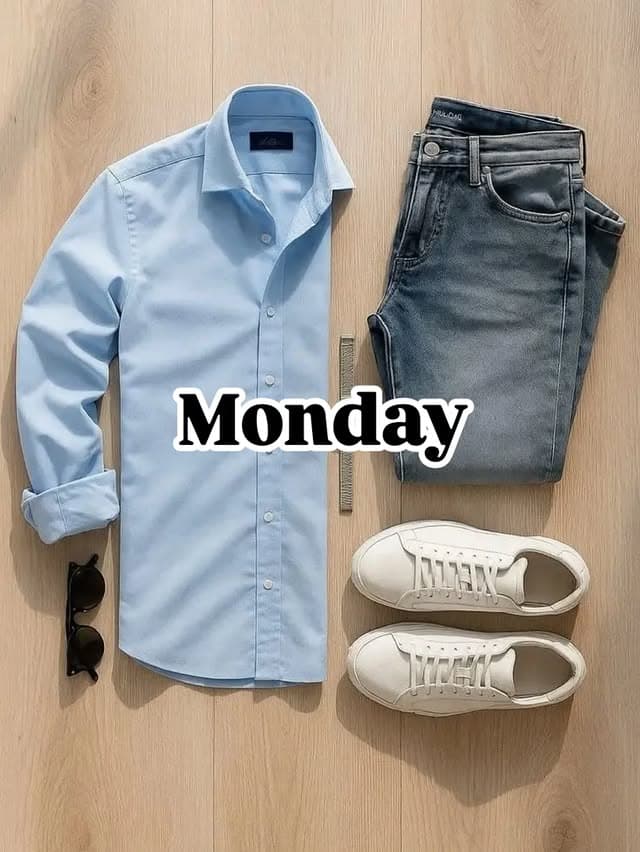
Learn how men’s jeans should fit at the waist, seat, thigh, knee, ankle, and length, plus which cuts work best for your body.
Affiliate disclosure: This article may include affiliate links. If you buy through them, Men Fashion Sense may earn a commission at no extra cost to you.
Men’s jeans should sit comfortably at the waist without a belt doing all the work, follow the seat and thigh without pulling, taper cleanly below the knee, and finish with little to no break at the shoe. The best jeans are not always the skinniest jeans. Most men look better in slim-straight, straight, athletic, or relaxed-tapered cuts than in denim that clings or stacks heavily. Good jeans make your legs look balanced and your shoes look intentional.
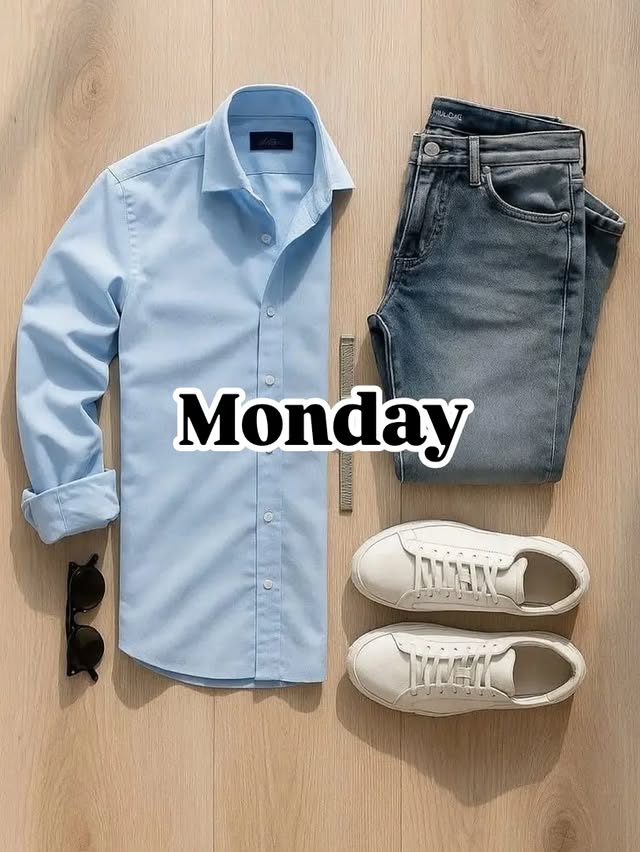
Men Fashion Sense image reference: Topic-matched visual for How Should Jeans Fit Men? Waist, Length, Rise, and Ankle Explained.
Good jeans look easy. They do not scream for attention. They sit where they should, move with you, and create a clean line from waist to shoe. The denim should not dig into your stomach, flatten your seat, grab your thighs, or collapse in piles over your sneakers.
The right fit depends on your body, but the principle is the same: control the fabric. Too much fabric looks careless. Too little fabric looks uncomfortable. A man who understands denim fit can wear a simple T-shirt and jeans and still look put together.
If you are building a wardrobe from zero, start with dark indigo or dark blue jeans with minimal distressing. They work with white sneakers, Chelsea boots, loafers, casual jackets, Oxford shirts, and knitwear. For the full wardrobe system, see Men’s Wardrobe Essentials.
Your jeans should stay up without a belt. A belt can finish the outfit, but it should not be emergency equipment. If the waistband slides down constantly, the jeans are too big or the rise is wrong for you. If the waistband digs into your stomach when you sit, they are too small.
A clean waist fit lets you slide one or two fingers inside the waistband. You should be able to sit, walk, and bend without pain. Remember that some denim stretches after wear. If the jeans contain stretch fabric, they may loosen slightly through the day. Do not buy them already loose.
Common mistake: sizing down because the number on the label feels better. Nobody sees the number. They see the fit. Buy what actually works.
The seat is the area around your backside. It should follow your shape without sagging low or pulling tight. If you see horizontal stress lines, the jeans are too tight. If the fabric hangs like an empty bag, they are too loose or the cut is wrong.
A good seat fit matters because it affects the side view. Many men only check the front mirror and miss the back completely. Take a quick look from behind or use a fitting room mirror. Clean fit should look respectful from every angle.
If you have bigger thighs or a stronger seat, try athletic fit or relaxed tapered jeans. They give room at the top while keeping the ankle clean.
The thigh should have enough room for you to walk and sit naturally. If the fabric grabs the thigh and creates constant pulling, the jeans are too tight. If the leg looks wide from hip to hem with no shape, they may be too baggy for a clean everyday outfit.
Pinch the fabric at the thigh. You want a little room, not a handful. Men with athletic legs often struggle here because slim jeans fit the waist but not the thigh. Do not force it. Choose a cut built for your shape.
This is where body type matters. Read Men’s Body Type Fashion Guide if you want to understand proportion beyond denim.
Rise is the distance from the crotch seam to the top of the waistband. Low-rise jeans sit lower on the hips. Mid-rise jeans sit around the natural waist or slightly below. High-rise jeans sit higher.
For most men, mid-rise is the safest starting point. It balances the torso and legs, keeps shirts tucked better, and looks more mature than very low-rise denim. Low-rise jeans can make legs look shorter and the torso look longer. Very high-rise jeans can work, but they need the right outfit and confidence.
If you constantly pull your jeans up, the rise may be too low. If the crotch feels uncomfortable when sitting, the rise or cut may be wrong.
Taper means the leg narrows as it moves toward the ankle. A good taper creates shape without squeezing the calf. The knee should bend comfortably. If the jeans twist or bunch behind the knee, the leg may be too tight or the fabric too stiff.
Most men look good in a moderate taper. It cleans up the lower leg and works with most shoes. Extreme taper can make bigger feet look larger. No taper can make the jeans look dated or heavy, especially with slim shoes.
The goal is balance. Your jeans should match your frame and your shoes.
The ankle opening decides how your jeans sit over sneakers, boots, loafers, and dress shoes. Too wide, and the denim swallows the shoe. Too narrow, and the jeans cling to the ankle or get caught above the shoe.
For white sneakers, a clean narrow or moderate opening works well. For Chelsea boots, the hem should fall over the boot shaft without bunching heavily. For chunkier boots, you may need a slightly wider opening.
If your shoes always look wrong with jeans, check the ankle before blaming the shoes.
Break is how much the fabric folds where the jeans meet the shoe. For a modern clean look, choose no break or slight break. That means the jeans touch the shoe lightly or create one small fold.
Heavy stacking can work in streetwear, but it is harder for beginners. For most men trying to look sharper, too much length makes the outfit look unfinished. Hemming jeans is simple and often worth it.
If you wear boots often, bring boots when you tailor jeans. If you wear sneakers often, bring sneakers. The hem should be judged with real shoes, not socks in your bedroom.
Slim jeans narrow through the thigh and leg. They work best if they do not pull. Straight jeans fall more evenly from thigh to hem and are a safe classic. Athletic fit gives extra thigh room with a cleaner taper. Relaxed fit gives more room overall and can work well for bigger frames when the length and ankle are controlled.
Avoid choosing cuts by trend alone. Skinny jeans had their moment. Wide jeans have their moment. Your best fit is the one that balances your body and suits your life.
For beginners, try slim-straight first. If your thighs need more room, try athletic. If you prefer a classic look, try straight.
Start with one dark indigo pair. Choose minimal fading, no loud distressing, and a clean fit. Dark denim is more versatile than pale distressed denim because it can dress up or down.
Second, add a medium blue pair for casual outfits. Third, add black or charcoal jeans if they suit your wardrobe. Do not buy five random washes before you own one reliable pair.
Affiliate opportunity: dark indigo jeans, black jeans, denim care wash, and simple tailoring services are useful recommendations here. Keep product choices practical, not trend-chasing.
Extra length creates stacks that make the lower body look messy. Hem them. This one fix can change the whole outfit.
Skin-tight denim often does the opposite. It highlights every pull line. A clean straight or tapered fit usually looks more refined.
Low-rise jeans can throw off proportions. Mid-rise is safer for most men.
Ripped denim can be casual and fun, but it is not the best default for dates, dinners, offices, or smart casual settings.
A belt should complete the outfit. It should not gather inches of extra waistband fabric.
For casual: dark jeans, white T-shirt, overshirt, white sneakers.
For smart casual: dark jeans, Oxford shirt, navy blazer, brown Chelsea boots.
For a date: dark jeans, knit polo or clean shirt, suede jacket, leather boots, controlled fragrance.
For weekend errands: medium blue jeans, crewneck sweatshirt, clean sneakers, simple watch.
These formulas work because the jeans are quiet and clean. When denim fit is right, the rest of the outfit becomes easier.
Wash jeans less often than T-shirts, but do not treat dirt like character. Turn them inside out, use cold water, and air dry when possible. High heat can shrink denim, fade colour quickly, and change the way the leg sits over your shoes. If your jeans have stretch, heat can also wear the fibers down faster.
Hang or fold jeans neatly so the knee and ankle do not stay twisted. Good care keeps the fit consistent. That matters because the best jeans in your wardrobe should become reliable, not mysterious every time you put them on.
Before you buy, do three checks. Sit down for ten seconds. Walk a few steps. Then look at the side and back view, not only the front. If the waistband digs in, the seat pulls, or the hem collapses over the shoe, the jeans are not ready. Try another cut before blaming your body.
No. They should sit securely without digging in. You should not need a belt to stop them from falling.
For a clean modern look, aim for no break or slight break. The hem should not pile heavily over the shoe.
They should finish around the top of the shoe or ankle depending on the style. The key is avoiding messy stacking unless that is intentional.
Yes, if they fit properly. Slim does not mean painted on. Slim-straight is often better than skinny.
Try athletic fit, relaxed tapered, or straight jeans. Look for room in the thigh with a clean ankle.
Good jeans fit at the waist, seat, thigh, rise, ankle, and length. Do not chase the tightest pair. Choose the cleanest line. Before your next denim purchase, save this checklist and try the jeans with the shoes you actually wear.
Build a reliable men’s wardrobe with 20 essential pieces: shirts, jeans, chinos, shoes, outerwear, accessories, and grooming basics.