Loading...
Style guides, outfit breakdowns, and deals — curated weekly for the modern Pakistani man.
12,000+ subscribers · No spam · Unsubscribe anytime
A practical men’s fashion guide for beginners. Learn fit, body type, wardrobe essentials, colour, dress codes, grooming, and outfit formulas.
Affiliate disclosure: this guide mentions useful wardrobe and grooming categories that may be good affiliate opportunities later, such as Oxford shirts, chinos, jeans, sneakers, boots, blazers, and grooming kits. Only recommend products that solve the reader’s problem.
A good men’s fashion guide should make dressing simpler, not more confusing. If you are starting from zero, focus on seven things in this order: fit, proportion, colour, context, wardrobe essentials, grooming, etiquette, and repeatable outfit formulas. You do not need designer clothes. You need clean decisions that match your body, your life, and the room you are walking into.
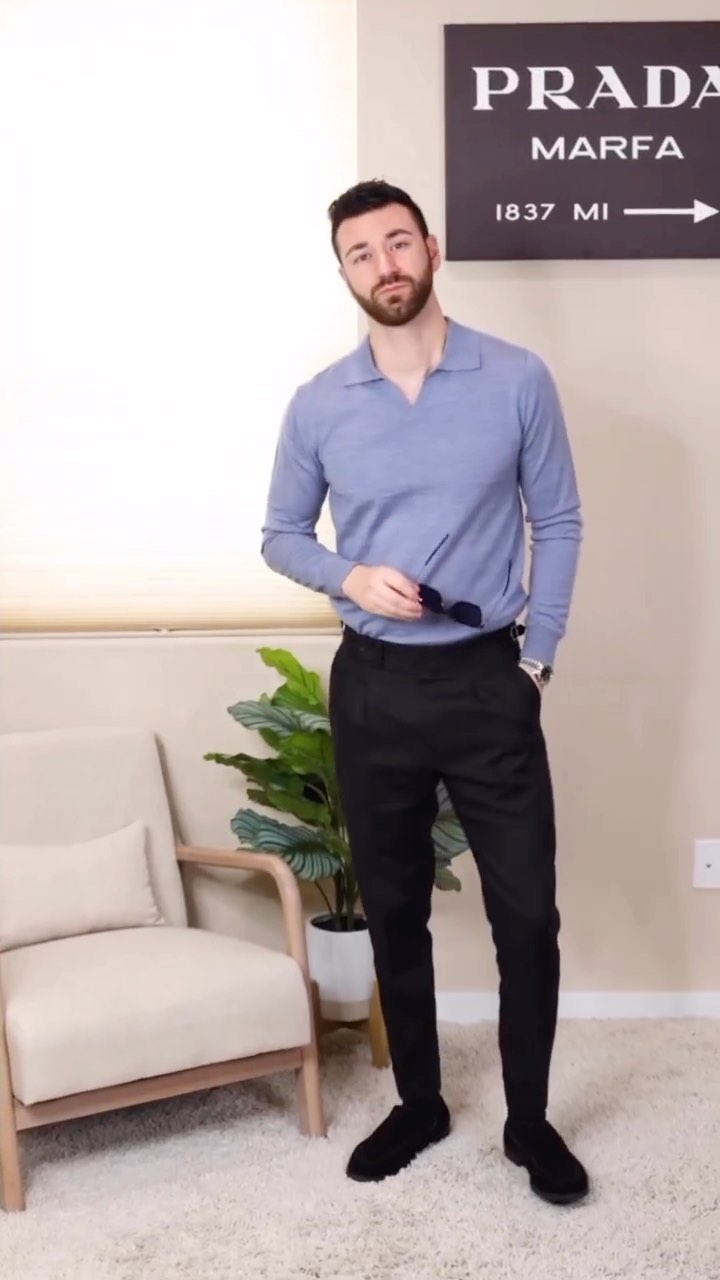
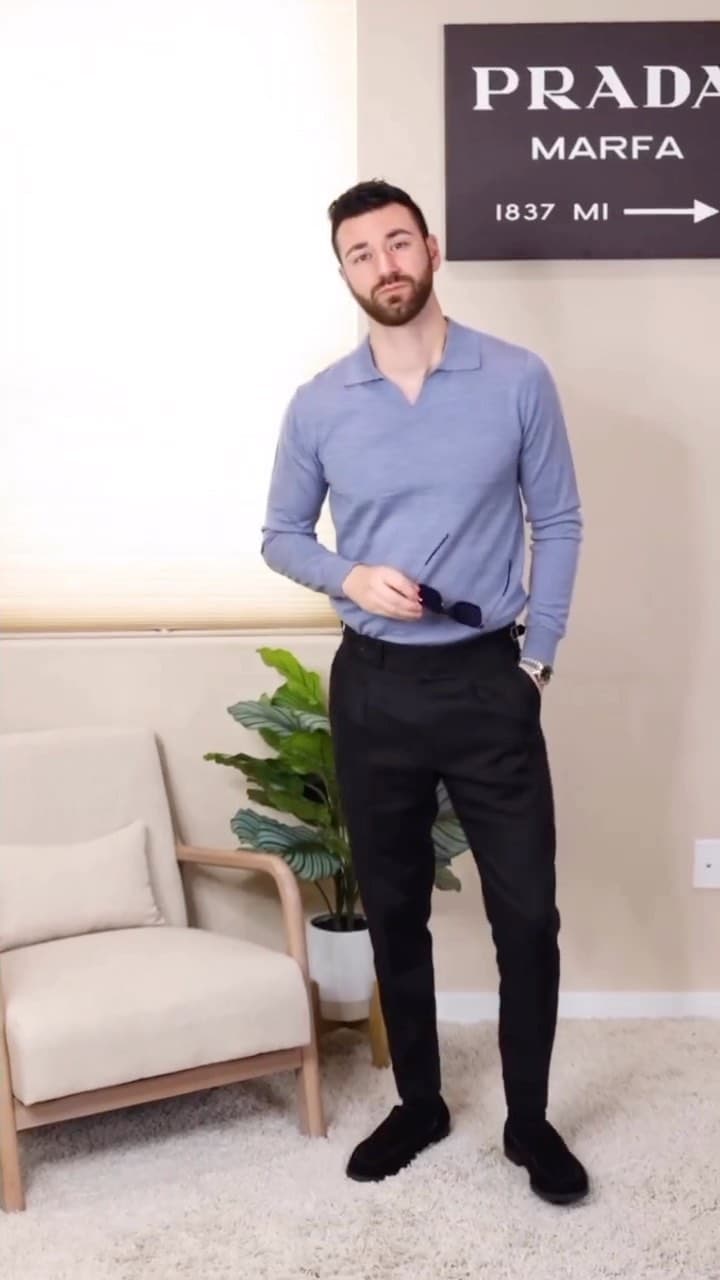
Men Fashion Sense image reference: Topic-matched visual for The Complete Men’s Fashion Guide: How to Dress Better From Zero.
Most men were never taught how clothes should fit, how colours work, or what different dress codes actually mean. They get dressed by copying a celebrity, buying what is on sale, or wearing whatever feels safe. Then they wonder why the outfit looks random.
Style feels hard when every decision is separate. You buy one shirt because it looks good on a hanger. You buy shoes because they are comfortable. You buy jeans because they were available in your size. None of those choices are terrible alone, but they may not work together. That is how a closet becomes full while the man still feels like he has nothing to wear.
The fix is a system. You need rules simple enough to use when you are tired, late, or shopping under pressure. Once you understand the basics, you stop guessing. You know why a shirt works, why a pair of trousers looks sloppy, why a blazer makes one outfit sharp and another one awkward, and why grooming can make the same clothes look cleaner.
This guide is the start-here page for Men Fashion Sense. Read it as a practical roadmap. Do not try to become a fashion expert overnight. Use one section at a time and build better habits.
A well-dressed man is not just wearing expensive clothes. He is making seven decisions well.
If your outfit feels off, check these seven areas before blaming your body or your budget.
Fit is the first style upgrade because people notice shape before they notice brand. A plain white T-shirt that fits well can look sharper than an expensive shirt that pulls at the buttons or hangs like a curtain.
Good fit gives your body structure. Bad fit creates distractions. Oversized clothes can make you look careless. Clothes that are too tight can make you look uncomfortable. The goal is not to show everything or hide everything. The goal is clean lines.
A shirt should sit cleanly at the shoulders, close comfortably at the chest, and follow the torso without clinging. The shoulder seam should land near the edge of your shoulder bone. If the seam drops too low, the shirt looks too big. If it sits high toward your neck, it is too small.
The collar should allow one or two fingers when buttoned. Sleeves should end around the wrist bone on a dress shirt. A casual shirt can be slightly more relaxed, but it should not cover half your hand.
A T-shirt should skim the chest and arms. If the sleeves flare out like wings, the shirt is too boxy or too large. If the fabric pulls hard around the stomach or chest, it is too tight. The hem should usually end around mid-fly, not at your knees.
A polo should fit like a cleaner T-shirt. The collar should sit flat, the sleeves should hit around mid-bicep, and the body should be neat enough to tuck if needed.
Trousers should stay up without being strangled by a belt. The seat should not sag, the thighs should have enough room to sit, and the hem should meet the shoe cleanly. Heavy stacking at the ankle usually makes the outfit look unfinished.
For jeans, most men should start with straight or slim-straight cuts. Skinny jeans are unforgiving. Very loose jeans can work in fashion-forward outfits, but they are harder for beginners.
A jacket should frame your shoulders. The shoulder line is the hardest part to fix, so buy that correctly first. The jacket should button without a strong X-shaped pull across the front. Sleeves should show a little shirt cuff if you are wearing a dress shirt.
If you remember one thing: buy for the shoulders and chest, then tailor smaller details.
Proportion is how clothing shapes the eye. Two men can wear the same outfit and get different results because their height, torso length, leg length, shoulder width, and build are different.
This is not about body shaming. It is about control. A shorter man can use cleaner hems and lower contrast outfits to look longer. A bigger man can use structured jackets and smooth fabrics to look more balanced. A very slim man can use layers and texture to add presence. A muscular man can avoid clothes that pull across the chest and make the outfit look forced.
The rule is simple: create balance.
If your torso looks long and legs look short, raise the visual waist with mid-rise trousers and avoid long untucked shirts. If your shoulders are narrow, use jackets with structure, overshirts, and horizontal texture. If your midsection is your widest point, avoid clingy fabric and choose pieces that skim.
For deeper guides on proportion and body type, see the related guides list below.
Most men do not need complicated colour theory. Start with neutrals: navy, charcoal, grey, white, cream, black, olive, camel, and denim blue. These colours work together, look mature, and make shopping easier.
A beginner wardrobe should be mostly neutral because neutral clothes mix. A navy blazer works with grey trousers, dark jeans, chinos, white shirts, blue shirts, polos, loafers, and Chelsea boots. A loud red patterned shirt works with far fewer things.
Use this colour rule when getting dressed:
Example: navy blazer, white Oxford shirt, olive chinos, brown loafers. That is simple, masculine, and not boring.
Avoid buying bright statement pieces before you own basics. If the loudest item in your closet is also the hardest to wear, it will sit unused.
A well-dressed man understands the room. The same outfit can be perfect at dinner and wrong at a job interview. Dressing well is not only about looking good; it is about showing respect for the situation.
Ask four questions before choosing an outfit:
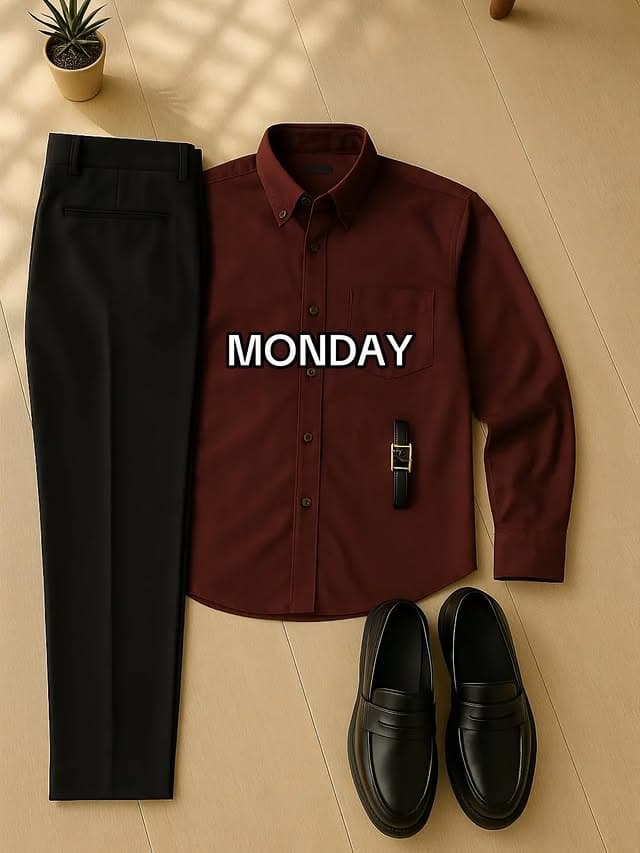
For a casual day, dark jeans, a clean T-shirt, overshirt, and white sneakers may be enough. For smart casual, switch to chinos, an Oxford shirt, loafers, and a blazer. For business casual, use dress trousers or chinos, a collared shirt, leather shoes, and an optional blazer. For a wedding, read the invitation and respect the dress code.
The man who dresses for the room never looks like he is trying too hard. He looks aware.
A strong wardrobe is not built by owning everything. It is built by owning pieces that work together.
Start here:
This list gives you casual outfits, date outfits, office outfits, dinner outfits, and travel outfits without needing a massive closet. For a full buying order, see Men's Wardrobe Essentials and Capsule Wardrobe for Men.
Outfit formulas remove stress. Instead of asking, “What should I wear?” you use a proven combination.
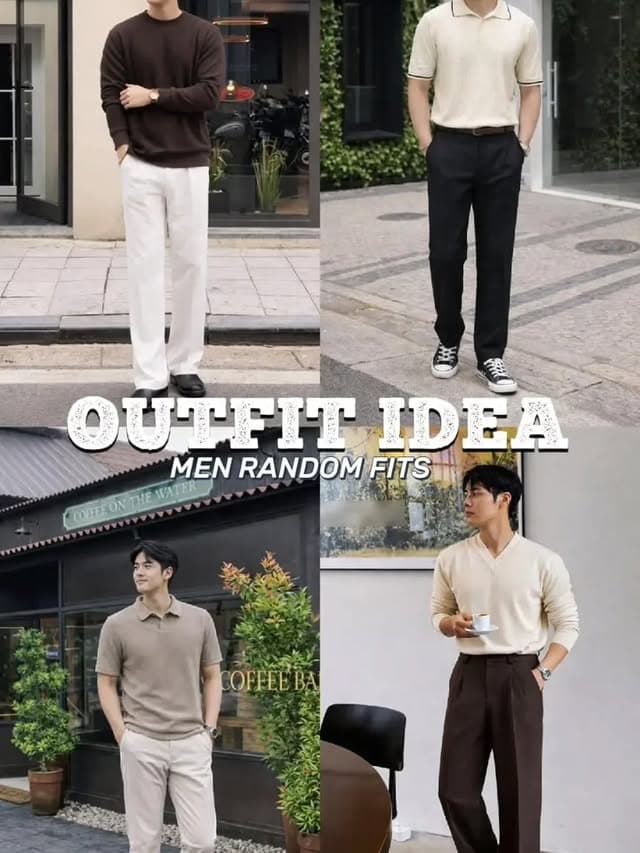
White T-shirt, dark jeans, white sneakers, casual jacket. This works for weekends, coffee, errands, and casual meetups. Keep the T-shirt fresh and the sneakers clean.
Oxford shirt, chinos, loafers or Chelsea boots, optional blazer. This works for dates, dinners, casual offices, and social events where a T-shirt feels too relaxed.
Collared shirt, tailored trousers, leather shoes, blazer. Use this when you need competence without a full suit.
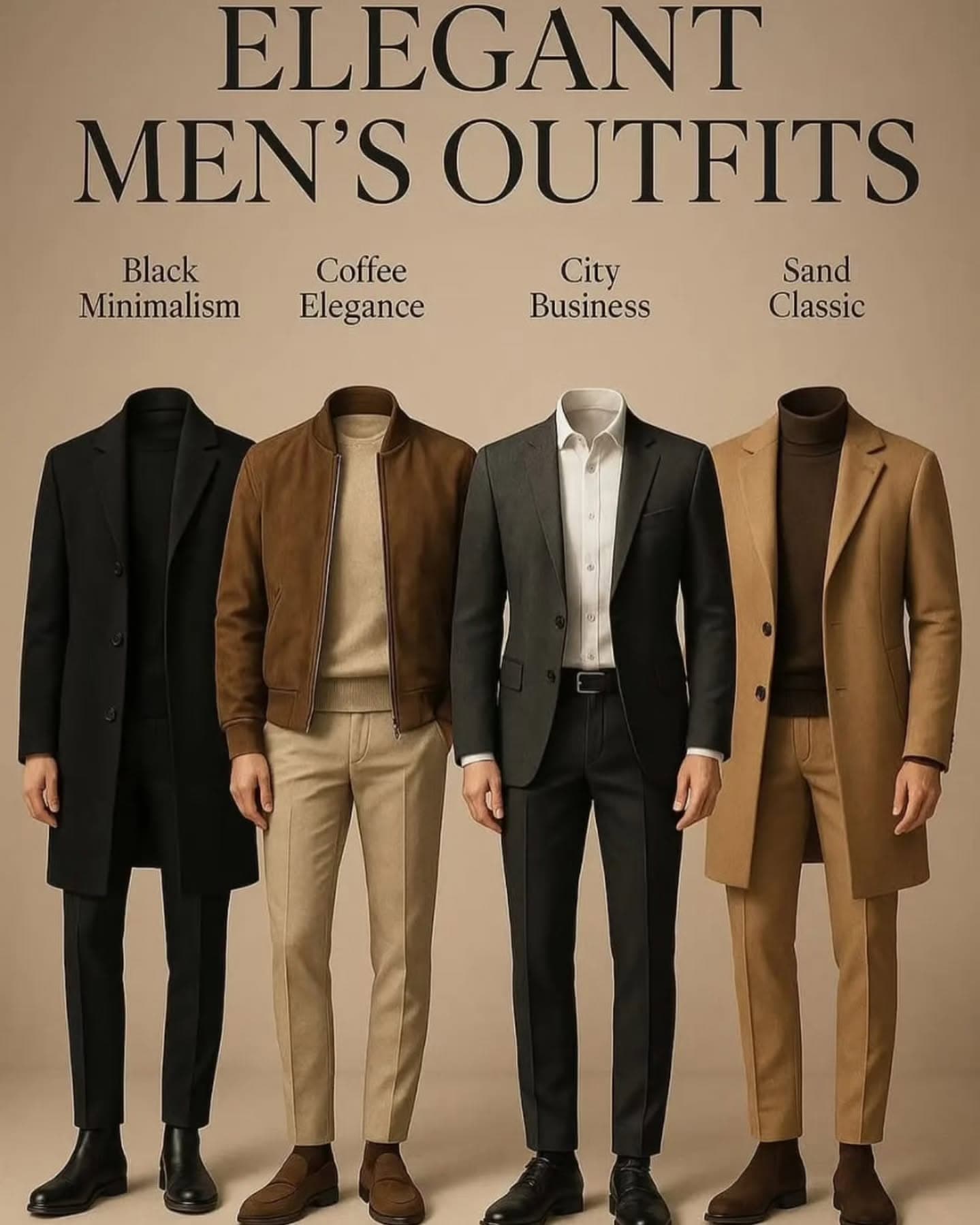
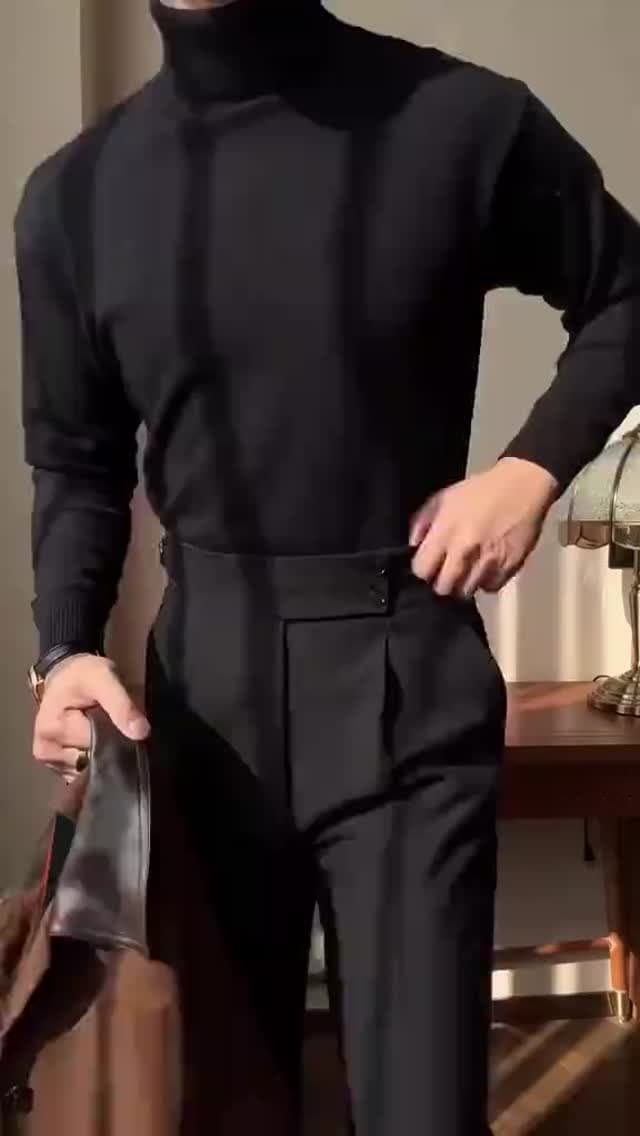
Fine knit sweater, wool trousers or dark denim, Chelsea boots, overcoat. Texture makes this look mature without trying too hard.
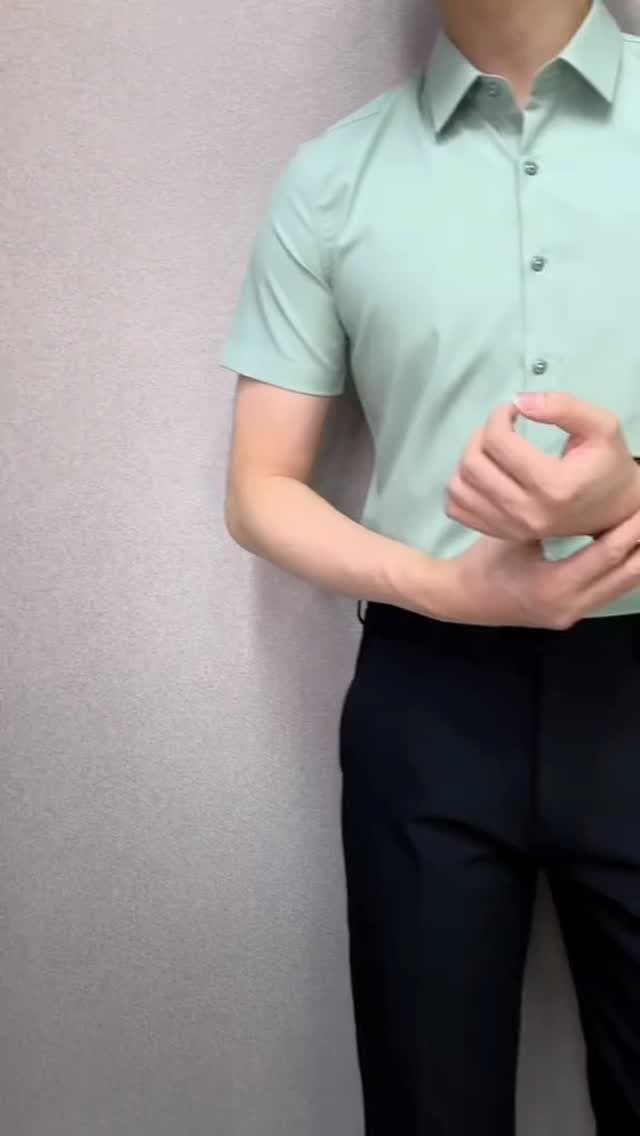
Polo or linen shirt, lightweight chinos, loafers or minimal sneakers. Keep colours light and fabric breathable.
You can dress well and still look unfinished. Grooming is the finishing layer.
Keep a haircut schedule. Most men look cleaner when they cut or shape their hair every three to six weeks, depending on the style. Keep facial hair intentional. A beard can look strong, but only if the neckline, cheek line, and edges are controlled.
Build a basic skincare routine: cleanser, moisturizer, and sunscreen. You do not need a complicated shelf. You need consistency.
Use fragrance with control. Two to four sprays is enough for most settings. Your cologne should be discovered, not announced. Spray pulse points like neck and chest, not every piece of clothing you own.
Keep nails clean. Maintain eyebrows if they grow wild. Make sure your shoes are not dusty. These details quietly change how people read you.
Clothes open the door. Behaviour keeps it open.
A well-dressed man who is rude, loud, distracted, or disrespectful loses the effect of the outfit. Presence is calm attention. It is greeting people properly, putting the phone away during conversation, arriving on time, listening without performing, and treating staff with respect.
This is not about acting superior. It is about standards. A real man takes care of himself and respects other people.
Start with simple habits:
Random shopping creates a random wardrobe. Before buying, ask: does this work with at least three things I already own? If not, wait.
Trends are not evil, but beginners should build basics first. Learn the rules before bending them.
Shoes carry the outfit. Dirty sneakers, collapsed heels, and cracked dress shoes make everything look neglected.
A small hem, sleeve adjustment, or waist correction can change the entire outfit. Tailoring is not only for suits.
Large logos can make an outfit look younger and less versatile. Start with clean pieces. Let fit and texture do the work.
Use this roadmap.
Try on your main clothes. Remove anything stained, damaged, stretched out, or impossible to style. Make three piles: keep, tailor, replace.
Identify your worst fit problems. Maybe your jeans stack too much. Maybe your shirts pull. Maybe your sleeves are too long. Fix the most visible issue first.
Create one casual outfit, one smart casual outfit, and one dressier outfit. Photograph them. If something feels off, check fit, colour, shoes, and grooming.
Only buy pieces that complete outfits. Start with essentials: Oxford shirt, chinos, dark jeans, white sneakers, Chelsea boots, blazer, or grooming basics depending on your gaps.
Shopping well is a skill. Most men waste money because they shop when they are bored, rushed, or trying to fix insecurity in one purchase. Slow down. Make a list before you enter a store or open a website.
Use this order: replace damaged basics, fix missing essentials, then add personal pieces. If your only white shirt is stained, do not buy another statement jacket. If your jeans fit badly, do not buy expensive sunglasses first. Handle the piece that affects the most outfits.
When trying clothes, test movement. Sit down in trousers. Raise your arms in a shirt. Button the blazer. Walk in the shoes. Check the garment in natural light if possible. A piece that only looks good while standing still in a changing room is not ready for real life.
Think in cost per wear. A pair of boots worn twice a week for three years may be cheaper than a discounted trendy shoe worn three times. Cheap clothes are not the enemy. Bad buying is the enemy.
Fabric changes how clothes look, feel, and age. Cotton Oxford cloth feels relaxed and strong. Poplin looks smoother and dressier. Denim is casual and rugged. Wool trousers drape better than most cheap synthetics. Linen breathes well but wrinkles. Knitwear adds softness and texture.
Beginners should avoid very shiny fabrics unless the item is formalwear. Shine can make affordable clothes look cheaper. Matte textures are easier to wear: Oxford cloth, brushed cotton, wool, suede, denim, twill, and knitwear.
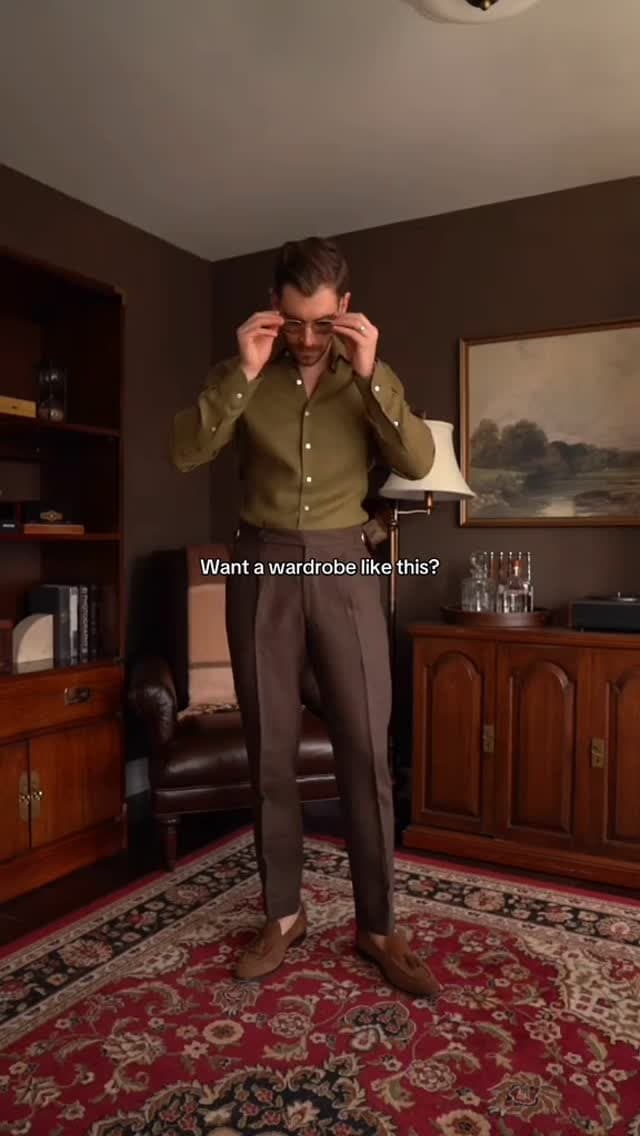
Texture also keeps neutral outfits from looking flat. A navy knit with grey wool trousers and brown suede boots can be simple but interesting because the surfaces are different. This is how you dress well without loud colours.
Accessories should support the outfit. A belt, watch, sunglasses, scarf, pocket square, tie, or bag can help, but too many accessories can make a beginner outfit look forced.
Start with a clean leather belt, simple watch, quality socks, and a bag that matches your lifestyle. If you carry a backpack every day, make sure it is clean and not shaped like old school gear. A simple tote, briefcase, leather backpack, or canvas bag can make a work outfit look more intentional.
Socks matter more than men think. White athletic socks are fine with athletic outfits and some casual sneakers. With loafers, dress shoes, boots, and tailored trousers, choose socks that connect to the trouser or shoe colour.
Casual means relaxed, but still clean. Smart casual means polished without being formal: chinos, Oxford shirt, loafers, Chelsea boots, knitwear, and optional blazer. Business casual means office-ready without a full suit: collared shirts, dress trousers or chinos, leather shoes, and structured layers. Formal usually means a suit, dress shirt, tie depending on the event, and proper dress shoes.
The mistake is treating every dress code as “wear whatever.” Dress codes are instructions. They help you show respect and avoid looking lost.
If you are unsure, dress one step sharper than the minimum. A navy blazer can often be removed. Dirty sneakers and a graphic T-shirt cannot be made formal at the door.
Good style continues after purchase. Wash less aggressively, hang or fold properly, brush coats, use shoe trees if possible, and repair small issues early. A missing button, loose hem, or dirty collar makes an outfit look neglected.
Learn basic laundry symbols. Separate whites, darks, and delicate pieces. Air-dry items that shrink easily. Steam or iron shirts before important events. Keep a lint roller near the door.
Maintenance is quiet style. People may not know why you look sharp, but they notice clean collars, fresh shoes, smooth trousers, and clothes that hold shape.
Tailoring sounds intimidating, but the beginner version is simple. You are not redesigning clothes. You are correcting length, width, and shape so the garment looks like it belongs to you.
Start with trouser hems. This is usually affordable and makes a big difference. Jeans, chinos, and dress trousers should meet your shoes with intention. A small break is safe for most men. No break can look sharp if the trouser is tapered correctly. Heavy stacking is usually the problem.
Next, look at sleeves. Shirt sleeves and jacket sleeves that are too long make you look smaller and less polished. A tailor can often shorten sleeves, though jacket sleeves with working buttons may cost more.
Then check the shirt body. If the shoulders and collar fit but the waist is too wide, a tailor can take in the sides. Do not tailor a shirt that is wrong in every area. Replace it.
For blazers and suits, buy the shoulders correctly. Shoulder alterations are difficult and expensive. Waist suppression, sleeve length, and trouser hems are more realistic.
An outfit is finished when nothing distracts from the whole. The shoes are clean. The colours make sense. The fit is controlled. The grooming is handled. The formality matches the room.
If one item is shouting, ask whether it deserves to be the focus. Sometimes a strong jacket works. Sometimes loud sneakers ruin an otherwise mature outfit. Beginners should usually let one item stand out at most.
Use the doorway check: before leaving, look once from head to toe. Ask, “What is the weakest part?” Fix that. It might be wrinkled trousers, dusty shoes, a collar sitting badly, or a belt that clashes. This habit takes 30 seconds and prevents many style mistakes.
Do not use style to punish yourself. Use it to support yourself. You are not behind because nobody taught you. You are simply learning now.
The best-dressed men are not perfect every day. They repeat good fundamentals. They know their sizes. They maintain their clothes. They dress for the event. They do not panic buy before every occasion.
Treat dressing well like fitness, grooming, or communication. Small consistent improvements beat one dramatic makeover. Fix one fit issue, build one outfit, clean one pair of shoes, book one haircut, and learn one dress code at a time.
If your outfit feels off, do not change everything at once. Diagnose it.
First, check fit. Are the shoulders dropping? Are the sleeves too long? Are the trousers bunching? Is the shirt pulling? Fit problems create the most obvious discomfort.
Second, check shoes. Are they too sporty for the outfit? Are they dirty? Do they match the belt and formality? Shoes often explain why an outfit feels unfinished.
Third, check colour. If there are too many colours, remove one. If the outfit has no contrast at all, add texture or a slightly different neutral.
Fourth, check grooming. Hair, beard, nails, scent, and posture can make the same outfit look either careless or intentional.
Finally, check context. The outfit may be good but wrong for the room. A hoodie can be great on a weekend and wrong at a dinner. A suit can be correct at a wedding and too much for a coffee date. Style is not one universal outfit. It is judgment.
Use this order every time: fit, shoes, colour, grooming, context. It will solve most beginner style problems.
Start where you are. If your wardrobe is weak, do not feel embarrassed. Most men learned by trial and error. The smart move is to stop guessing and use a system.
Keep one note on your phone with your sizes, best colours, missing wardrobe pieces, and outfit formulas. When you shop, open that note. It will stop you from buying another random item that does not solve anything.
Remember that style is practical. It helps you show respect at work, feel prepared on dates, travel with less stress, and move through the world with more calm. It is not about becoming obsessed with clothes. It is about removing unnecessary friction from your day.
If you improve one detail each week for three months, you will not look like the same man. The change will feel natural because you built it step by step.
Use images as teaching tools, not decoration. Show fit differences, wardrobe flat-lays, outfit formulas, shoe comparisons, and before-and-after examples. The reader should understand the lesson faster because the image exists.
Add comparison images wherever possible. A wrong-and-right example is often more useful than another paragraph because men can see the difference immediately.
Before you blame the whole outfit, run this simple audit in the mirror. First, check the shoulder line. If the shoulder seam is falling down your arm or pulling toward your neck, the shirt or jacket is wrong for you. Second, check the waist and hem. Trousers should sit without constant pulling, and the break should look intentional, not like extra fabric collapsed on your shoes.
Third, look at the colour story. If the outfit has more than three strong colours, remove one. Fourth, look at the shoes. Clean, appropriate shoes can rescue a simple outfit; dirty or overly casual shoes can ruin a good one. Fifth, check grooming: hair controlled, facial hair shaped, nails clean, fragrance light.
This audit takes less than one minute. Use it daily for two weeks and you will start noticing patterns. Most style improvement comes from catching the same small mistakes before they become habits.
Start with fit, neutral colours, clean shoes, and grooming. Do not buy a full new wardrobe at once. Fix your worst-fitting clothes, build three simple outfit formulas, and replace random pieces with essentials that work together.
No. Expensive clothes can still look bad if they fit poorly or do not suit the situation. A simple, well-fitted outfit in neutral colours usually beats a loud expensive outfit with bad proportions.
Start with pieces you can wear often: white and blue Oxford shirts, white T-shirts, dark jeans, chinos, white sneakers, Chelsea boots or loafers, a navy blazer, and a basic grooming kit.
The biggest mistake is buying random clothes without understanding fit, colour, and context. A man needs a system, not a closet full of disconnected items.
You can look better in one week by cleaning shoes, fixing grooming, and wearing better-fitting clothes. Building a complete wardrobe usually takes a few months because smart buying is gradual.
Dressing better is not about becoming someone else. It is about making cleaner decisions every day: better fit, simpler colours, useful wardrobe pieces, consistent grooming, and respectful presence. Start with one outfit you wear often and fix it from shoes to collar. Then keep going.
CTA: Start the 30-Day Style Reset and build your first three reliable outfits before you buy more clothes.
Build a reliable men’s wardrobe with 20 essential pieces: shirts, jeans, chinos, shoes, outerwear, accessories, and grooming basics.