Loading...
Style guides, outfit breakdowns, and deals — curated weekly for the modern Pakistani man.
12,000+ subscribers · No spam · Unsubscribe anytime
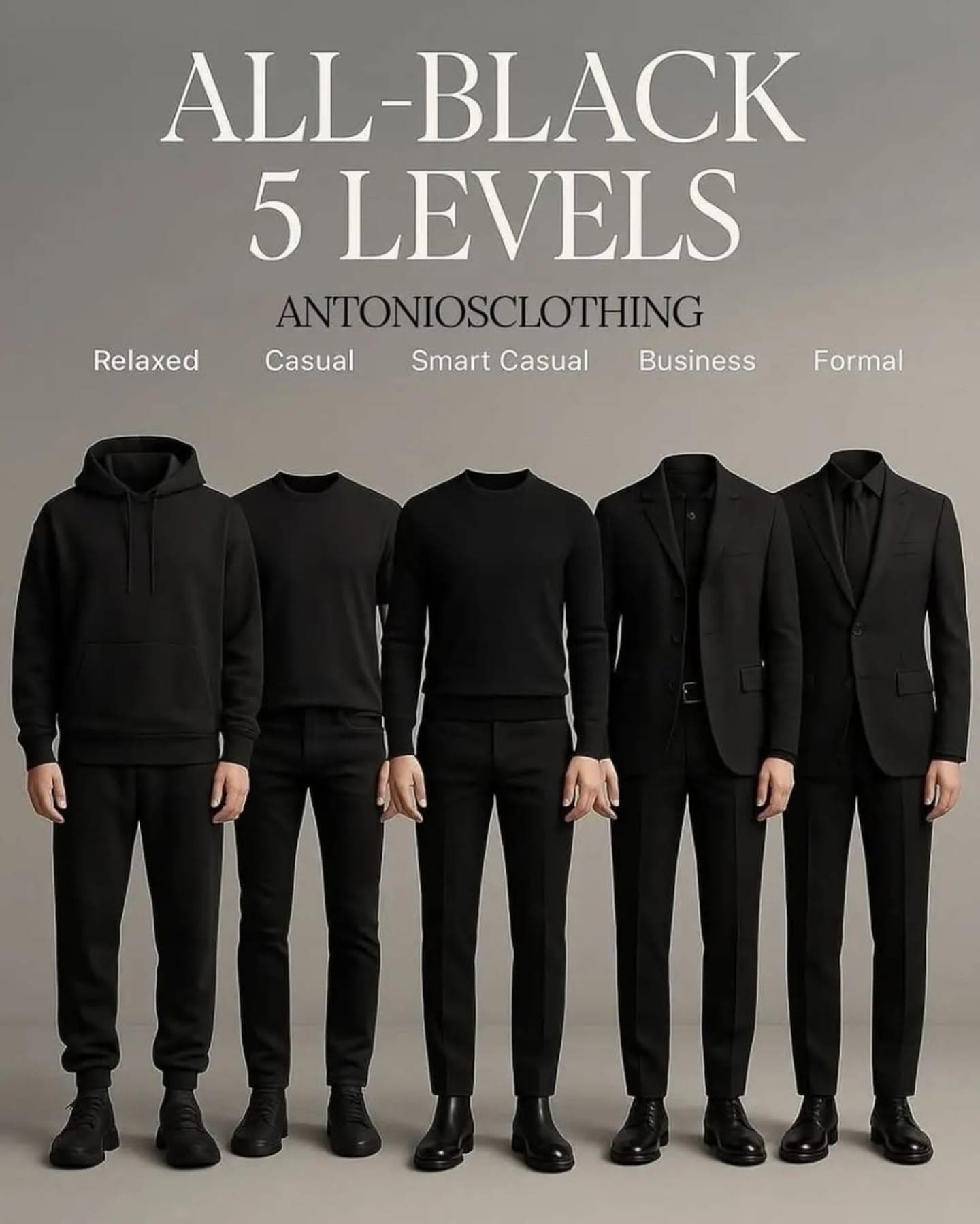
A clear guide to men’s dress codes: casual, smart casual, business casual, cocktail, formal, black tie, and wedding dress codes.
Affiliate disclosure: This article may include affiliate links. If you buy through them, Men Fashion Sense may earn a commission at no extra cost to you. Only buy items that genuinely solve your wardrobe or grooming problem.
Men’s Dress Codes Explained becomes simple when you stop guessing and use a system. The quick answer for men dress codes is this: dress for the room, keep the fit clean, choose quiet colours first, and make sure your shoes match the level of formality. You do not need designer clothes. You need better decisions, repeated consistently.
Image prompt: Premium editorial lineup of seven men dressed from casual to black tie in a warm neutral studio, clear formality progression, realistic tailoring, no visible logos, no fake text.
Most men do not need more complicated style advice. They need a clear starting point. Ask: where am I going, who will be there, how formal is the room, and what does respect look like in this setting? Once you answer those questions, the outfit becomes easier.
A strong outfit usually has four things right: fit, colour, shoes, and grooming. If one of those is off, people may not know the exact reason, but they will feel that something looks unfinished.
Why dress codes confuse men is about respect for the room. Do not treat the words on an invitation as decoration. They tell you how polished to look, how much tailoring to wear, and which shoes make sense.
For why dress codes confuse men, start with clean fit and quiet colours. Navy, white, grey, charcoal, brown, beige, and black help you look intentional without shouting for attention.
The common mistake is either underdressing because you want to look relaxed, or overdressing because you are guessing. Read the invitation, check the location, consider the time of day, then dress one step cleaner if you are unsure.
A practical outfit formula for this level is built from four decisions: shirt, trouser, shoe, and layer. If one piece is relaxed, make the other pieces cleaner so the outfit still feels controlled.
Action step: try the simplest version first. Remove loud logos, fix the trouser length, clean the shoes, and keep the colours controlled. If the outfit still works in a mirror from ten feet away, you are close.
Casual is about respect for the room. Do not treat the words on an invitation as decoration. They tell you how polished to look, how much tailoring to wear, and which shoes make sense.
For casual, start with clean fit and quiet colours. Navy, white, grey, charcoal, brown, beige, and black help you look intentional without shouting for attention.
The common mistake is either underdressing because you want to look relaxed, or overdressing because you are guessing. Read the invitation, check the location, consider the time of day, then dress one step cleaner if you are unsure.
A practical outfit formula for this level is built from four decisions: shirt, trouser, shoe, and layer. If one piece is relaxed, make the other pieces cleaner so the outfit still feels controlled.
Action step: try the simplest version first. Remove loud logos, fix the trouser length, clean the shoes, and keep the colours controlled. If the outfit still works in a mirror from ten feet away, you are close.
Smart casual is about respect for the room. Do not treat the words on an invitation as decoration. They tell you how polished to look, how much tailoring to wear, and which shoes make sense.
For smart casual, start with clean fit and quiet colours. Navy, white, grey, charcoal, brown, beige, and black help you look intentional without shouting for attention.
The common mistake is either underdressing because you want to look relaxed, or overdressing because you are guessing. Read the invitation, check the location, consider the time of day, then dress one step cleaner if you are unsure.
A practical outfit formula for this level is built from four decisions: shirt, trouser, shoe, and layer. If one piece is relaxed, make the other pieces cleaner so the outfit still feels controlled.
Action step: try the simplest version first. Remove loud logos, fix the trouser length, clean the shoes, and keep the colours controlled. If the outfit still works in a mirror from ten feet away, you are close.
Business casual is about respect for the room. Do not treat the words on an invitation as decoration. They tell you how polished to look, how much tailoring to wear, and which shoes make sense.
For business casual, start with clean fit and quiet colours. Navy, white, grey, charcoal, brown, beige, and black help you look intentional without shouting for attention.
The common mistake is either underdressing because you want to look relaxed, or overdressing because you are guessing. Read the invitation, check the location, consider the time of day, then dress one step cleaner if you are unsure.
A practical outfit formula for this level is built from four decisions: shirt, trouser, shoe, and layer. If one piece is relaxed, make the other pieces cleaner so the outfit still feels controlled.
Action step: try the simplest version first. Remove loud logos, fix the trouser length, clean the shoes, and keep the colours controlled. If the outfit still works in a mirror from ten feet away, you are close.
Cocktail is about respect for the room. Do not treat the words on an invitation as decoration. They tell you how polished to look, how much tailoring to wear, and which shoes make sense.
For cocktail, start with clean fit and quiet colours. Navy, white, grey, charcoal, brown, beige, and black help you look intentional without shouting for attention.
The common mistake is either underdressing because you want to look relaxed, or overdressing because you are guessing. Read the invitation, check the location, consider the time of day, then dress one step cleaner if you are unsure.
A practical outfit formula for this level is built from four decisions: shirt, trouser, shoe, and layer. If one piece is relaxed, make the other pieces cleaner so the outfit still feels controlled.
Action step: try the simplest version first. Remove loud logos, fix the trouser length, clean the shoes, and keep the colours controlled. If the outfit still works in a mirror from ten feet away, you are close.
Formal is about respect for the room. Do not treat the words on an invitation as decoration. They tell you how polished to look, how much tailoring to wear, and which shoes make sense.
For formal, start with clean fit and quiet colours. Navy, white, grey, charcoal, brown, beige, and black help you look intentional without shouting for attention.
The common mistake is either underdressing because you want to look relaxed, or overdressing because you are guessing. Read the invitation, check the location, consider the time of day, then dress one step cleaner if you are unsure.
A practical outfit formula for this level is built from four decisions: shirt, trouser, shoe, and layer. If one piece is relaxed, make the other pieces cleaner so the outfit still feels controlled.
Action step: try the simplest version first. Remove loud logos, fix the trouser length, clean the shoes, and keep the colours controlled. If the outfit still works in a mirror from ten feet away, you are close.
Black tie optional is about respect for the room. Do not treat the words on an invitation as decoration. They tell you how polished to look, how much tailoring to wear, and which shoes make sense.
For black tie optional, start with clean fit and quiet colours. Navy, white, grey, charcoal, brown, beige, and black help you look intentional without shouting for attention.
The common mistake is either underdressing because you want to look relaxed, or overdressing because you are guessing. Read the invitation, check the location, consider the time of day, then dress one step cleaner if you are unsure.
A practical outfit formula for this level is built from four decisions: shirt, trouser, shoe, and layer. If one piece is relaxed, make the other pieces cleaner so the outfit still feels controlled.
Action step: try the simplest version first. Remove loud logos, fix the trouser length, clean the shoes, and keep the colours controlled. If the outfit still works in a mirror from ten feet away, you are close.
Black tie is about respect for the room. Do not treat the words on an invitation as decoration. They tell you how polished to look, how much tailoring to wear, and which shoes make sense.
For black tie, start with clean fit and quiet colours. Navy, white, grey, charcoal, brown, beige, and black help you look intentional without shouting for attention.
The common mistake is either underdressing because you want to look relaxed, or overdressing because you are guessing. Read the invitation, check the location, consider the time of day, then dress one step cleaner if you are unsure.
A practical outfit formula for this level is built from four decisions: shirt, trouser, shoe, and layer. If one piece is relaxed, make the other pieces cleaner so the outfit still feels controlled.
Action step: try the simplest version first. Remove loud logos, fix the trouser length, clean the shoes, and keep the colours controlled. If the outfit still works in a mirror from ten feet away, you are close.
Wedding dress codes is about respect for the room. Do not treat the words on an invitation as decoration. They tell you how polished to look, how much tailoring to wear, and which shoes make sense.
For wedding dress codes, start with clean fit and quiet colours. Navy, white, grey, charcoal, brown, beige, and black help you look intentional without shouting for attention.
The common mistake is either underdressing because you want to look relaxed, or overdressing because you are guessing. Read the invitation, check the location, consider the time of day, then dress one step cleaner if you are unsure.
A practical outfit formula for this level is built from four decisions: shirt, trouser, shoe, and layer. If one piece is relaxed, make the other pieces cleaner so the outfit still feels controlled.
Action step: try the simplest version first. Remove loud logos, fix the trouser length, clean the shoes, and keep the colours controlled. If the outfit still works in a mirror from ten feet away, you are close.
The when-in-doubt rule is about respect for the room. Do not treat the words on an invitation as decoration. They tell you how polished to look, how much tailoring to wear, and which shoes make sense.
For the when-in-doubt rule, start with clean fit and quiet colours. Navy, white, grey, charcoal, brown, beige, and black help you look intentional without shouting for attention.
The common mistake is either underdressing because you want to look relaxed, or overdressing because you are guessing. Read the invitation, check the location, consider the time of day, then dress one step cleaner if you are unsure.
A practical outfit formula for this level is built from four decisions: shirt, trouser, shoe, and layer. If one piece is relaxed, make the other pieces cleaner so the outfit still feels controlled.
Action step: try the simplest version first. Remove loud logos, fix the trouser length, clean the shoes, and keep the colours controlled. If the outfit still works in a mirror from ten feet away, you are close.
Start with the item that solves the most common problem in your week. If your daily outfits look too sloppy, buy cleaner basics before statement pieces. If your event outfits fail, buy the proper shoes, shirt, or jacket for that dress code before buying another casual piece.
Use cost per wear. A piece you wear twice a week for two years can be worth more than a cheaper piece you wear once and regret. This does not mean chase luxury. It means buy useful items with a clear job.
Good beginner colours are navy, white, light blue, grey, charcoal, beige, olive, brown, and black. They mix easily and make your wardrobe feel bigger than it is.
If the invitation uses vague words like “dressy,” “neat,” “semi-formal,” or “evening attire,” do not guess from your personal comfort level. Guess from the venue, time, host, and purpose. A rooftop dinner, hotel ballroom, office conference, and beach lunch can all use similar words but require different levels of polish.
The safest method is to dress one step more formal than your first instinct, then keep the outfit simple. It is easier to remove a tie, open a jacket, or relax your posture than to recover from arriving underdressed. When in doubt, neutral colours, clean shoes, and a structured layer usually beat trend-driven pieces.
Choose the cleanest classic version: neutral colours, simple shape, minimal logos, and a fit that follows your body without clinging.
Spend more only where you wear the item often. Fit, usefulness, and maintenance matter more than brand name.
Add texture before loud colour. Suede, Oxford cloth, knitwear, flannel, leather, and brushed cotton add interest while staying easy to wear.
Yes, if the pieces are relaxed enough for the setting. The trick is balance: one smart piece can lift a casual outfit, but every piece should still belong together.
Ask the host or dress one step cleaner than your first guess. It is easier to remove a layer than recover from looking careless.
Use these as starting formulas, not costumes. For casual, wear dark jeans, a plain T-shirt or polo, clean white sneakers, and an overshirt. For smart casual, wear chinos, an Oxford shirt, loafers or Chelsea boots, and a casual jacket. For business casual, wear tailored trousers, an Oxford shirt, Derby shoes, and a navy blazer if the office expects polish.
For cocktail, wear a navy or charcoal suit, a crisp shirt, dark leather shoes, and one quiet accessory. For formal, keep the suit dark, the shirt clean, the shoes polished, and the tie controlled. For black tie, wear a tuxedo if the invitation truly says black tie. Do not try to replace it with a normal business suit unless the host has clearly made the event flexible.
There is nothing weak about checking the standard. A simple message works: “Just confirming the dress code so I arrive properly — would a dark suit be right?” That sounds respectful and mature. It is better than arriving underdressed and spending the whole event feeling out of place.
If you cannot ask, study the venue. A hotel ballroom, private club, evening wedding, or formal invitation usually means sharper clothing. A backyard, beach, daytime lunch, or casual restaurant may allow softer tailoring, loafers, or clean smart casual pieces. The host, place, and time usually tell you more than the dress code phrase alone.
Style gets easier when you stop chasing random pieces and build repeatable formulas. Learn the rule, apply it to your real life, and keep the details clean. Download the Dress Code Cheat Sheet and keep it saved before your next invitation. When the room matters, preparation shows respect before you even speak.
Build a reliable men’s wardrobe with 20 essential pieces: shirts, jeans, chinos, shoes, outerwear, accessories, and grooming basics.