Loading...
Style guides, outfit breakdowns, and deals — curated weekly for the modern Pakistani man.
12,000+ subscribers · No spam · Unsubscribe anytime
Learn how to build a men’s capsule wardrobe that works for casual, smart casual, work, travel, and dates without buying too much.
Affiliate disclosure: this guide mentions capsule pieces, shoe care, and travel accessories that may be useful affiliate opportunities. Only add links where they help the reader build the wardrobe.
A capsule wardrobe for men is a small set of clothes that mix together for daily outfits, work, travel, dates, and smart casual events. Start with neutral colours, good fit, and 20 to 30 useful pieces. The goal is not owning less for no reason. The goal is getting dressed faster and buying smarter.
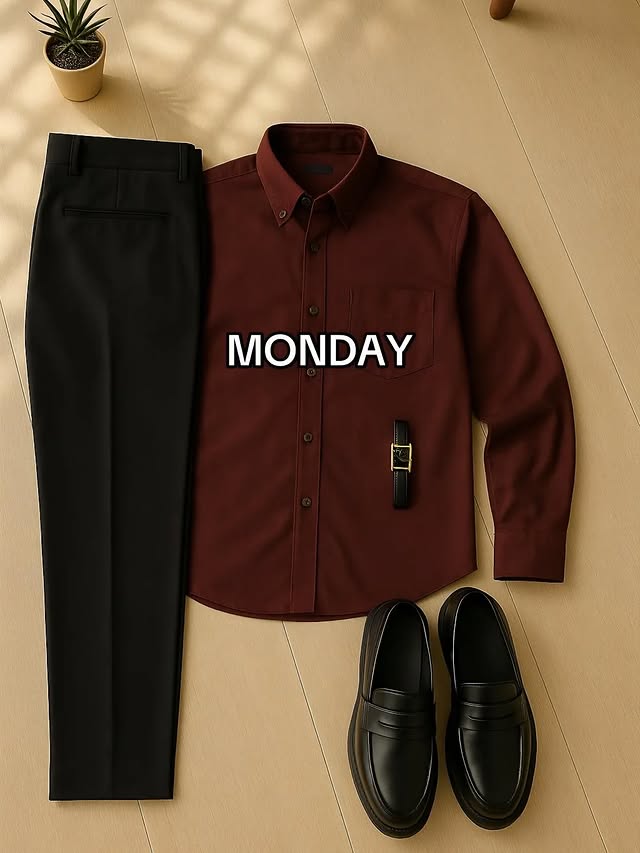
Men Fashion Sense image reference: Topic-matched visual for Capsule Wardrobe for Men: Build a Complete Wardrobe With Fewer Clothes.
A capsule wardrobe is a connected wardrobe. Every piece has a job. Most pieces work with several other pieces. You can pack quickly, dress quickly, and shop with purpose.
This is especially useful for men who hate shopping or feel overwhelmed by choices. Instead of chasing every trend, you build a base that covers your real life.
A good capsule should handle casual days, smart casual events, basic work settings, travel, and dinners. If your life is more formal, add tailoring. If your life is more casual, add durable casual layers.
Random buying usually comes from three habits: buying on sale, copying outfits without a plan, and shopping for single events. A shirt seems nice, but it matches nothing. Shoes look cool, but they are too loud. A jacket is trendy, but it does not fit your normal life.
The capsule wardrobe fixes this by forcing every purchase to answer a question: does this improve the system?
If it does not work with at least three outfits, it is probably not a priority.
Start with neutrals. A strong men’s capsule uses navy, white, light blue, grey, charcoal, denim blue, olive, khaki, camel, brown, and black.
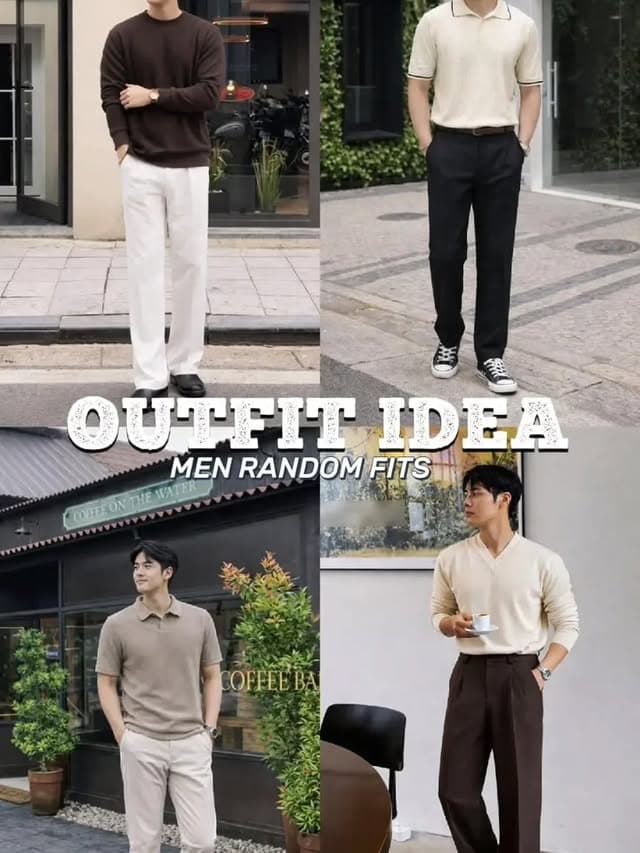
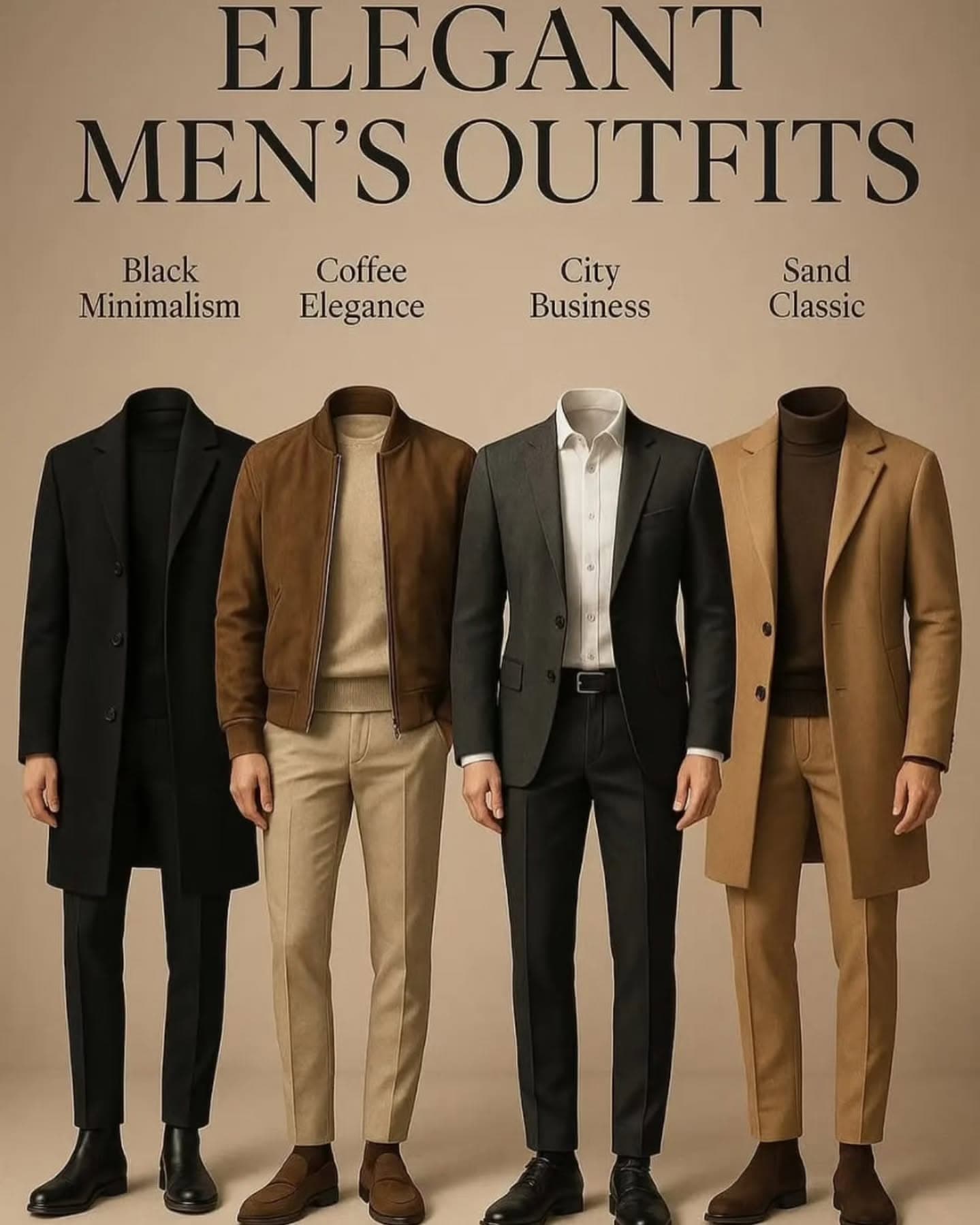
This palette works because it creates many combinations without shouting. Navy blazer with grey trousers. White Oxford with dark jeans. Olive overshirt with cream T-shirt. Camel coat with charcoal knit. Brown boots with indigo denim.
Add colour later through small accents: a burgundy knit, forest green polo, patterned scarf, or textured overshirt.
Casual does not mean careless. Use clean shapes and better shoes.
Try these formulas:
The difference is fit and condition. A fresh T-shirt and clean sneakers look intentional. A stretched collar and dirty shoes do not.
Business casual needs a cleaner line. Use collared shirts, chinos or dress trousers, leather shoes, and a blazer when needed.
Try:
Avoid graphic T-shirts, distressed jeans, and running shoes unless your office is very relaxed.
A travel capsule should be comfortable, wrinkle-resistant, and easy to combine. Pack fewer colours and repeat shoes.
For a short trip, take two T-shirts, one Oxford, one knit, one pair of jeans, one pair of chinos, one overshirt, sneakers, boots, underwear, socks, and grooming basics. Wear the bulkiest pieces while travelling.
Use a garment bag if you need a blazer. Bring shoe wipes or a small care kit. Travel exposes weak wardrobes quickly because every piece must work.
Your capsule can change with weather. In summer, add linen shirts, lightweight chinos, polos, loafers, and breathable T-shirts. In winter, add heavier knitwear, overcoat, boots, scarf, gloves, and thicker socks.
Do not rebuild the wardrobe every season. Keep the base and rotate layers.
Avoid pieces that break the system too early:
A capsule wardrobe is disciplined. That discipline saves money.
A capsule for a student, office worker, creative, father, frequent traveller, or business owner will not be identical. Write down where you go in a normal month. Your clothes should answer that list.
Pick three base colours and two accent colours. A safe base is navy, white, grey, denim, and brown. Another is black, white, charcoal, olive, and tan. Do not mix every colour family at the start.
Decide whether you prefer slim-straight, straight, relaxed, or tailored shapes. Consistency matters. If every piece has a different silhouette, outfits feel disconnected.
Buy the missing category first. If you have no smart shoes, buy shoes before another hoodie. If you have no clean shirts, buy shirts before a statement coat.
This is why capsules work. You are not limiting outfits. You are increasing combinations.
For hot climates, use breathable cotton, linen blends, polos, lightweight chinos, loafers, and minimal layers. Keep colours lighter: white, cream, stone, light blue, olive, and tan.
For cold climates, keep the same base but add heavier knitwear, wool trousers, boots, overcoat, scarf, gloves, and thermal layers. Winter outfits look better when outerwear is part of the outfit instead of an emergency cover.
For rainy climates, add a clean rain jacket, water-resistant boots, and fabrics that handle weather. A capsule should work in your actual environment.
Use texture, not clutter. Add suede boots, knit sweaters, Oxford cloth, wool trousers, denim, and twill. These surfaces make neutral outfits interesting.
Change the layer. A T-shirt and jeans look different with a chore jacket, overshirt, blazer, or overcoat. Change the shoes. Sneakers make it casual. Boots make it sharper. Loafers make it smarter.
You can also use one controlled accent colour: burgundy, forest green, rust, or light blue. Keep the rest quiet.
Review the capsule every three months. Remove worn-out basics. Repair shoes. Tailor trousers. Replace stained T-shirts. Notice what you never wear and why.
Do not keep buying duplicates if the first version is not being worn. A capsule should teach you your habits. If you never wear loafers, maybe boots suit your life better. If you wear Oxford shirts constantly, buy a second blue one.
The best capsule evolves slowly.
A minimal capsule might look good in a video, but real men need clothes for sweat, weather, laundry, work, and unexpected plans. Do not make the wardrobe so small that it becomes stressful.
A realistic capsule has enough rotation. You need backup T-shirts, enough shirts for the week, shoes that can rest, and layers for temperature changes. The point is controlled variety, not suffering.
If you do laundry once a week, plan for that. If you commute in rain, plan for that. If your job changes formality by day, plan for that too.
Shoes deserve their own capsule because they set formality. Start with white leather sneakers for clean casual, Chelsea boots for sharp casual and smart casual, and loafers or Derbies for dressier settings.
If you exercise, keep training shoes separate. Gym shoes should not become your default lifestyle shoe unless the outfit is intentionally athletic. This one change improves many men immediately.
Care matters. Brush suede, wipe sneakers, polish leather, and let shoes dry properly. A small shoe care kit supports the whole capsule.
Tops are easy to buy because sizing feels less risky. But a capsule fails when trousers and shoes are weak. You cannot build strong outfits with ten shirts, one bad pair of jeans, and worn-out sneakers.
Balance the wardrobe. For every few tops, make sure you have trousers that fit and shoes that match the formality. A good capsule usually has fewer tops than a random closet but better bottoms and shoes.
Lay out ten outfits on your bed or floor. If you cannot make ten outfits, the capsule has a gap. Maybe the colours do not connect. Maybe the shoes are wrong. Maybe you own too many casual pieces and not enough smart pieces.
Then test real life. Wear the outfits for two weeks. Notice what you reach for, what feels uncomfortable, and what gets ignored. Your habits will tell you what to adjust.
Your capsule should include at least two social outfits. One relaxed option: dark jeans, Oxford shirt, Chelsea boots, casual jacket. One sharper option: chinos or wool trousers, knit or Oxford, loafers, blazer.
This prevents last-minute panic. You should not be buying a new outfit every time someone invites you to dinner.
A new professional might need five shirts, two chinos, one wool trouser, dark jeans for casual Fridays, loafers or Derbies, Chelsea boots, white sneakers, a navy blazer, a knit sweater, an overcoat, and a clean belt. That small wardrobe can cover meetings, normal office days, dinners, travel, and weekends.
The key is avoiding extremes. Do not buy only suits if your office is business casual. Do not buy only streetwear if you need to look reliable in client settings. Build for the level of formality you actually face.
If your life is mostly casual, you still need standards. Build around quality T-shirts, Oxford shirts, dark denim, chinos, overshirts, knitwear, clean sneakers, boots, and one blazer for events. This gives you comfort without looking careless.
Casual capsules depend on condition. Because the pieces are simple, stains, stretched collars, and dirty shoes stand out. Replace weak basics quickly.
Pack two T-shirts, two shirts, one knit or overshirt, one pair of jeans, one pair of chinos, one dressier trouser if needed, sneakers, one leather shoe, underwear, socks, grooming, and one outer layer. Wear the bulkiest shoes and jacket while travelling.
Keep the colours tight so every top works with every bottom. This is where the capsule proves itself.
Laundry schedule matters. If you wash once a week, you need enough tops, underwear, socks, and base layers to get through the week comfortably. If you wash twice a week, the wardrobe can be smaller.
Do not count one white T-shirt as enough if you wear white T-shirts constantly. Capsules fail when they ignore real habits. Build around frequency, climate, sweat, commute, and storage.
Also separate home clothes from public clothes. It is fine to own gym shorts, old T-shirts, and lounge clothes, but do not let them become your main outside wardrobe. A capsule is for how you present yourself in the world.
The point is not to own the fewest clothes. The point is to own fewer mistakes. Every piece should earn its place through fit, usefulness, colour, and repeat wear.
Use images as teaching tools, not decoration. Show fit differences, wardrobe flat-lays, outfit formulas, shoe comparisons, and before-and-after examples. The reader should understand the lesson faster because the image exists.
Add comparison images wherever possible. A wrong-and-right example is often more useful than another paragraph because men can see the difference immediately.
If the wardrobe feels too plain, add one texture piece before adding bright colour. Suede boots, a ribbed knit, Oxford cloth, or a wool coat usually improves the capsule without making it harder to style.
Before calling the capsule finished, make sure every shoe works with at least two trousers and every jacket works with at least three outfits. That is the test.
A capsule wardrobe should make dressing easier, not make you feel trapped. Keep the base simple, then rotate small details. Texture, layering, and seasonal fabrics are how you add personality without breaking the system. A navy Oxford, denim shirt, suede boot, ribbed knit, or wool overshirt can change the feeling of an outfit while still matching the rest of your wardrobe.
Use the 80/20 rule. Let 80 percent of your wardrobe stay reliable: neutrals, clean fits, useful shoes, and repeatable formulas. Let 20 percent carry personality: one accent colour, a textured jacket, a patterned scarf, a stronger pair of glasses, or a signature fragrance.
When boredom hits, do not immediately buy more clothes. First try a new combination from pieces you already own. Most men have more outfits available than they think.
Most men can start with 20 to 30 core items, not counting underwear, socks, gym gear, and special formalwear. The number can change based on climate and lifestyle.
Navy, white, grey, charcoal, denim blue, olive, khaki, camel, brown, and black are the safest foundation colours.
Yes. Include Oxford shirts, chinos, wool trousers, loafers or Derbies, Chelsea boots, and a navy blazer. That gives you several business casual combinations.
No. It becomes boring only if every piece has the same texture and shape. Add interest with knitwear, overshirts, jackets, footwear, and seasonal layers.
Buy the item that fixes your biggest gap. For many men, that is dark jeans, chinos, an Oxford shirt, clean sneakers, or better shoes.
A capsule wardrobe gives you fewer decisions and better outfits. Build the base first, keep colours connected, and buy only what strengthens the system.
CTA: Get the capsule wardrobe PDF and build your first 10 outfits from pieces you already own.
Good fit is not tight fit. Good fit means the garment follows your body without fighting it. You should be able to stand, sit, walk, reach, and breathe without the fabric pulling hard across your chest, stomach, seat, or thighs. When a man says clothes never look right on him, the first problem is usually not his body. It is the size, cut, or length of the clothes.
Use this quick check before you buy anything:
If a piece passes these tests, it already looks more expensive than a badly fitted designer piece. That is why fit comes first in every Men Fashion Sense system.
Learn how to dress well as a man with a simple roadmap for fit, colour, wardrobe essentials, shoes, grooming, and confidence.