Loading...
Style guides, outfit breakdowns, and deals — curated weekly for the modern Pakistani man.
12,000+ subscribers · No spam · Unsubscribe anytime

Learn how to store a suit properly: the right hanger, breathable garment bag, closet spacing, brushing, airing, moth prevention and travel recovery.
Most men think a suit gets ruined while they wear it. More often, it gets ruined after they take it off.
The jacket is thrown on a skinny hanger. The trousers are folded badly over a chair. The whole thing sits inside a plastic dry-cleaning cover for months. Then the next wedding, interview, dinner, or office day arrives, and the suit looks tired before the man even leaves the house.
Suit storage is not complicated. You need the right hanger, a little space, air, brushing, and protection from dust, light and moisture. Get those basics right and even an affordable suit keeps its shape for years.

A suit is not just fabric. It has structure.
The jacket has shoulders, canvas or fused internal layers, lapels, sleeve pitch and a collar that should sit cleanly when you wear it. The trousers have a crease line, waistband, pockets and a break that only looks right when the cloth has not been crushed.
So the storage rule is simple:
| Suit part | What it needs |
|---|
| What ruins it |
|---|
| Jacket shoulders | A wide hanger that supports the shape | Thin wire or plastic hangers |
| Jacket body | Air around the cloth | Being squeezed in a packed closet |
| Trousers | A straight crease or clean full hang | Random folding over a chair |
| Fabric | Dry, dark, breathable storage | Plastic covers, damp rooms, direct sun |
| Lapels | Natural hanging position | Heavy items pressing against them |
If you remember nothing else, remember this: do not treat a suit like a hoodie. A hoodie can survive being thrown over a chair. A suit remembers pressure.
The fastest way to damage a jacket is to hang it on the wrong hanger.
A suit hanger should be wide through the shoulders, with curved ends that fill out the jacket without stretching it. The hanger does not need to be expensive, but it does need to match the job. A thin wire hanger creates two pressure points at the shoulder. Over time, those points can make the jacket shoulder collapse, pucker, or form small bumps.
Wooden hangers are usually best because they are strong, smooth and broad. Thick plastic suit hangers can also work if the shoulder area is wide enough. What you should avoid is the free wire hanger from the cleaner or the skinny hanger that came with a shirt.

A good test is simple: button the jacket, place it on the hanger, and look at the shoulder line from the front. If the hanger ends stop far inside the shoulder seam, it is too narrow. If the hanger pushes past the shoulder seam and stretches the cloth, it is too wide. You want support, not force.
For most men, the upgrade is cheap: buy two or three proper suit hangers before you buy another tie. They protect the piece that actually changes your outline.
Trousers are where many men get lazy.
If your suit trousers have a sharp crease, hang them from the cuff on a clamp hanger or fold them cleanly along the crease over a trouser bar. The goal is to let gravity pull the cloth straight instead of creating a new horizontal crease through the thigh or knee.
If you fold trousers over a hanger bar, line up the front crease and back crease first. Then fold them once over the bar with the waistband and hems meeting neatly. Do not fold them into a small square. Do not trap them under the jacket. Do not leave them on the floor after a long day because you are tired.
A clamp hanger is especially useful for wool trousers because hanging from the cuffs allows the weight of the waistband to help relax small wrinkles. Use clamps with padding or soft grips so they do not mark delicate cloth.
This also protects the way the trousers sit over shoes. If your trouser break is already hard to control, poor storage makes it worse. For fit checks, pair this with the guide on how trousers should fit, because storage cannot fix trousers that are the wrong length or cut.
The plastic cover from the cleaner is for transport, not storage.
Plastic traps moisture, holds cleaning fumes near the cloth, and stops the suit from breathing. If the suit is even slightly damp from rain, sweat, or steam, plastic can turn that small moisture problem into odour, mildew, or fabric damage.
Use a breathable garment bag instead. Cotton, canvas, or non-woven breathable garment bags are better than sealed plastic. They protect from dust while still allowing air to move. You do not need one bag for every suit if you rotate often, but any suit that sits for weeks deserves breathable protection.
There is one exception: short travel. A plastic cover for a few hours from the cleaner to your wardrobe is not a disaster. The mistake is leaving it there for six months.
A packed wardrobe quietly ruins clothes.
When suits are squeezed together, lapels flatten, shoulders get pushed out of shape, sleeves crease, and the fabric cannot release odour. You do not need a luxury walk-in closet. You need breathing room.
A practical rule: after you hang the suit, you should be able to fit your hand between it and the next garment. If you cannot, the closet is too tight. Remove pieces you do not wear, move seasonal clothing elsewhere, or store less-used jackets in breathable bags on a separate rail.
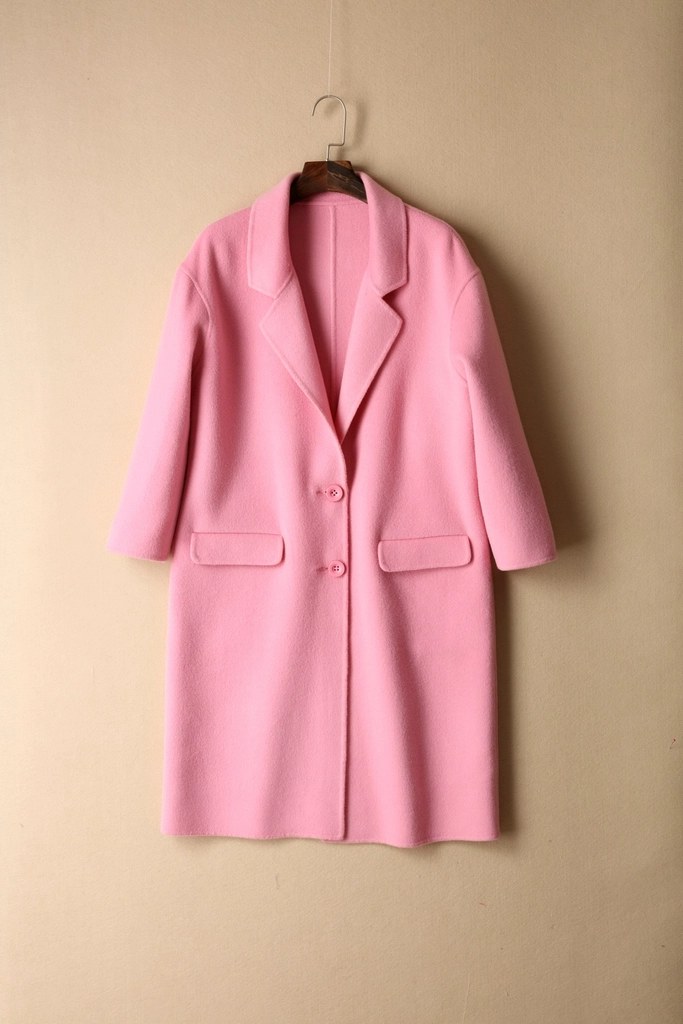
Also avoid placing heavy coats directly against suit jackets. A heavy coat can press lapels and shoulders out of shape. If you have limited space, keep suits together, coats together, and casual bulkier pieces somewhere else.
Your best suit should not live in the most crowded corner of the wardrobe. Put it where you can remove it without wrestling five other garments.
Do not put a worn suit straight into a garment bag.
After wearing it, hang the jacket in open air for a few hours. Empty the pockets first so the cloth does not stretch around your phone, wallet, keys, or receipts. Brush the jacket and trousers with a clothes brush, especially around the lapels, shoulders, cuffs and trouser hems. You are removing dust before it settles into the fibres.
If the suit smells lightly of food, smoke, fragrance, or sweat, give it overnight outside the closet in a dry room. Do not spray it heavily with fragrance. That just adds another smell. A suit should smell clean, not perfumed.
Steam can help release minor wrinkles, but be careful. Hold a steamer at a safe distance and avoid soaking the cloth. For structured jackets, do not blast steam into the chest and shoulders until they feel wet. Too much moisture can affect the internal structure.
If you are building your wardrobe from zero, this is why fewer good pieces beat a packed rail of neglected ones. A small wardrobe that you maintain beats a large wardrobe that slowly collapses. The same logic is covered in how to build a casual wardrobe: buy pieces you can care for, not just pieces you can collect.
Suits hate three things: direct sunlight, damp air and insects.
Sunlight fades cloth unevenly, especially dark navy, charcoal and black suits. If one shoulder sits near a window every day, that shoulder can become a different shade from the rest of the jacket. Keep suits away from direct sun or use a garment bag.
Damp is worse. A basement, bathroom-adjacent closet, or poorly ventilated room can create musty fabric and mould risk. If your room is humid, use a dehumidifier or moisture absorber nearby. Do not let the suit touch a damp wall.
Moths are attracted to natural fibres, especially wool with food, sweat, or body oils in it. The prevention is boring but effective: brush the suit, clean stains quickly, store it dry, and do not leave it untouched for a year. Cedar blocks or lavender sachets can help, but they are not magic. Clean storage matters more.
Dry-cleaning is useful, but too much of it shortens a suit's life.
Most suits do not need cleaning after every wear. They need airing, brushing, spot cleaning and rest. Dry-clean only when the suit is visibly dirty, smells after airing, has a real stain, or has been through heavy use such as a long event, travel day, or sweaty summer wedding.
For normal rotation, many men can dry-clean a suit once or twice a year. If you wear the same suit weekly, the schedule may be higher. If you wear it only for formal occasions, it may be lower.
After dry-cleaning, remove the plastic cover when you get home. Check the buttons, lapels and trouser crease before storing it. If the cleaner pressed the lapels too flat, hang the jacket properly and let it relax before the next wear.
For formal combinations, storage is only one part of the system. If you are deciding which suit belongs at which event, use what suit to wear for each occasion. If you already own a grey suit and want to make it look sharper, the breakdown of basic vs advanced grey suit style shows how shirt, tie, trouser break and shoes change the result.
Travel is where even careful men lose the shape.
If you can, travel with the suit in a garment bag. If you must pack it in luggage, turn the jacket inside out at the shoulders, fold it gently along its natural lines, and avoid putting heavy shoes or toiletries on top. Pack trousers along their crease and place them near the top of the case.
When you arrive, remove the suit immediately. Hang the jacket on the best hanger available. Hang the trousers properly. Let both pieces breathe. If there are light wrinkles, hang the suit in the bathroom while you take a warm shower, but do not let water hit the cloth. The goal is gentle humidity, not a wet jacket.
For serious creases before an important event, use a steamer carefully or ask the hotel for pressing. Do not iron a suit jacket like a shirt. Pressing a structured jacket badly can shine the fabric, flatten the lapels, or damage the shape.
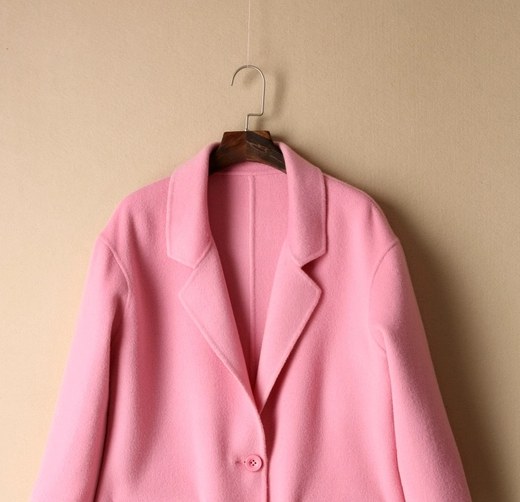
Here is the routine in plain steps.
This routine is not about being precious. It is about keeping the suit ready. When the next event comes, you should not be fighting shoulder dents, stale fabric, crushed lapels or mystery wrinkles.
The same standard applies to the rest of the outfit. A stored suit still needs clean shoes, the right trouser break and a shirt that is not fighting the collar. If the shoes are leather, follow the routine for taking care of leather shoes so the bottom half looks as sharp as the jacket.
Can I store a suit folded in a drawer?
Only for a short emergency. Long-term folding creates hard creases, crushes lapels and gives the jacket no shoulder support. Hang it properly whenever you can.
Is a wooden hanger necessary for a suit?
Wood is ideal, but the real requirement is width and shape. A broad plastic suit hanger is better than a skinny wooden hanger. The hanger must support the shoulder line.
Should I button the jacket while storing it?
Buttoning the top button can help the jacket sit neatly on the hanger, but do not pull it tight. If the button strains, leave it open and focus on using the right hanger.
How long should I air a suit after wearing it?
A few hours is enough for normal wear. If it picked up food smell, smoke, rain or sweat, leave it overnight in a dry room before returning it to the closet.
Can I use the dry-cleaner plastic bag for storage?
No. Remove it when you get home. Use a breathable garment bag for dust protection and long-term storage.
How do I stop moths from damaging wool suits?
Store suits clean, dry and brushed. Moths are more likely to attack natural fibres with sweat, food or body oils on them. Cedar helps, but cleanliness matters more.
Should suit trousers hang with the jacket?
They can hang beside the jacket or on the hanger's trouser bar if the hanger is designed for it. Just keep the crease straight and avoid crushing them under the jacket.
Save this checklist before your next wedding or interview. Tonight, check your best suit: if it is on a skinny hanger, trapped in plastic, or squeezed between heavy coats, fix that first. The storage upgrade takes five minutes and protects the whole outfit.
Build a reliable men’s wardrobe with 20 essential pieces: shirts, jeans, chinos, shoes, outerwear, accessories, and grooming basics.