Loading...
Style guides, outfit breakdowns, and deals — curated weekly for the modern Pakistani man.
12,000+ subscribers · No spam · Unsubscribe anytime
A practical Men Fashion Sense guide: how to use the outfit idea in real life.
Most men do not struggle because they own nothing. They struggle because the outfit has no clear decision behind it. This outfit example gives us one visual idea. This guide turns that idea into practical rules you can use before work, before a meeting, before a date, or before you buy another piece you may not need.
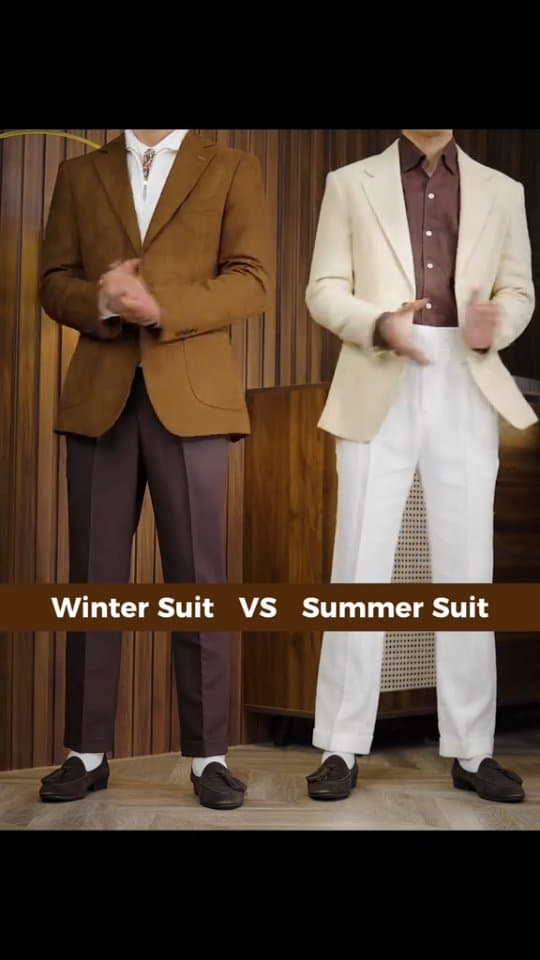
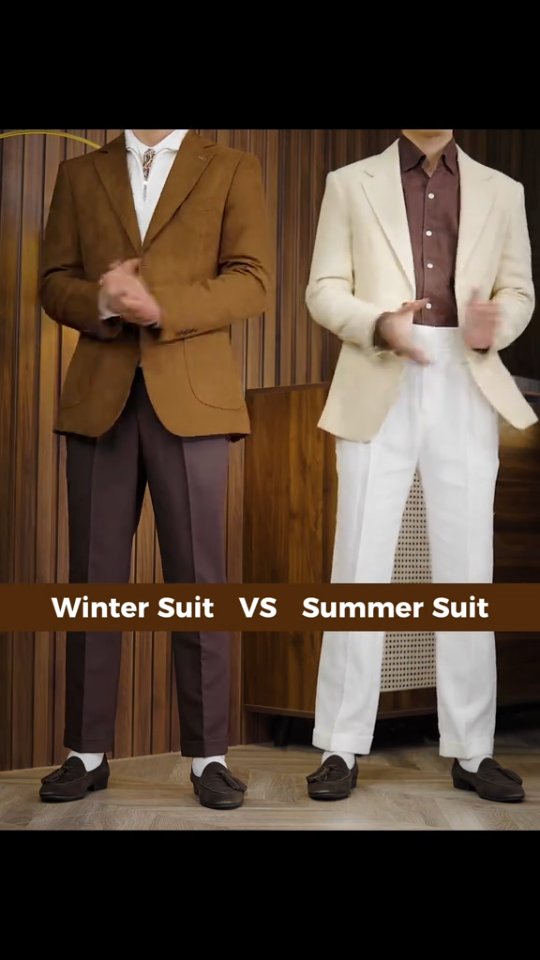
The outfit shows: The image is a side-by-side comparison. The winter side shows a brown blazer or suit jacket, white shirt, dark brown trousers, white socks and dark loafers. The summer side shows a cream or off-white suit with a brown or burgundy shirt, white trousers and dark loafers. Visible text says “Winter Suit VS Summer Suit.” Faces are mostly cropped, so grooming is not clear. Practical lesson: season changes the suit through colour weight, fabric impression and contrast. Winter reads darker and warmer; summer reads lighter and airier. Limitation: exact fabrics cannot be verified from the image alone.
That matters because style advice should be honest. If the shoe is not visible, we do not pretend it is. If fabric cannot be confirmed from the image, we treat fabric as a caption lesson, not visual proof. The goal is not to copy a photo blindly. The goal is to understand the rule behind it.
Teach men to separate winter and summer suits by fabric, colour weight, layering and shoe choice instead of wearing the same heavy dark suit all year.
The useful part of the post is not just the outfit. It is the decision-making. A good outfit usually has one lead idea and three supporting choices. The lead idea might be a bold shirt, a seasonal suit, a lighter colour combination, a suit worn two ways, or a full week of office formality. The supporting choices are fit, shoes, accessories and the level of polish.
When those support choices are quiet and intentional, the outfit looks controlled. When they compete, the same clothes start to look random. That is why a man can wear simple pieces and still look sharper than someone wearing expensive but confused clothes.
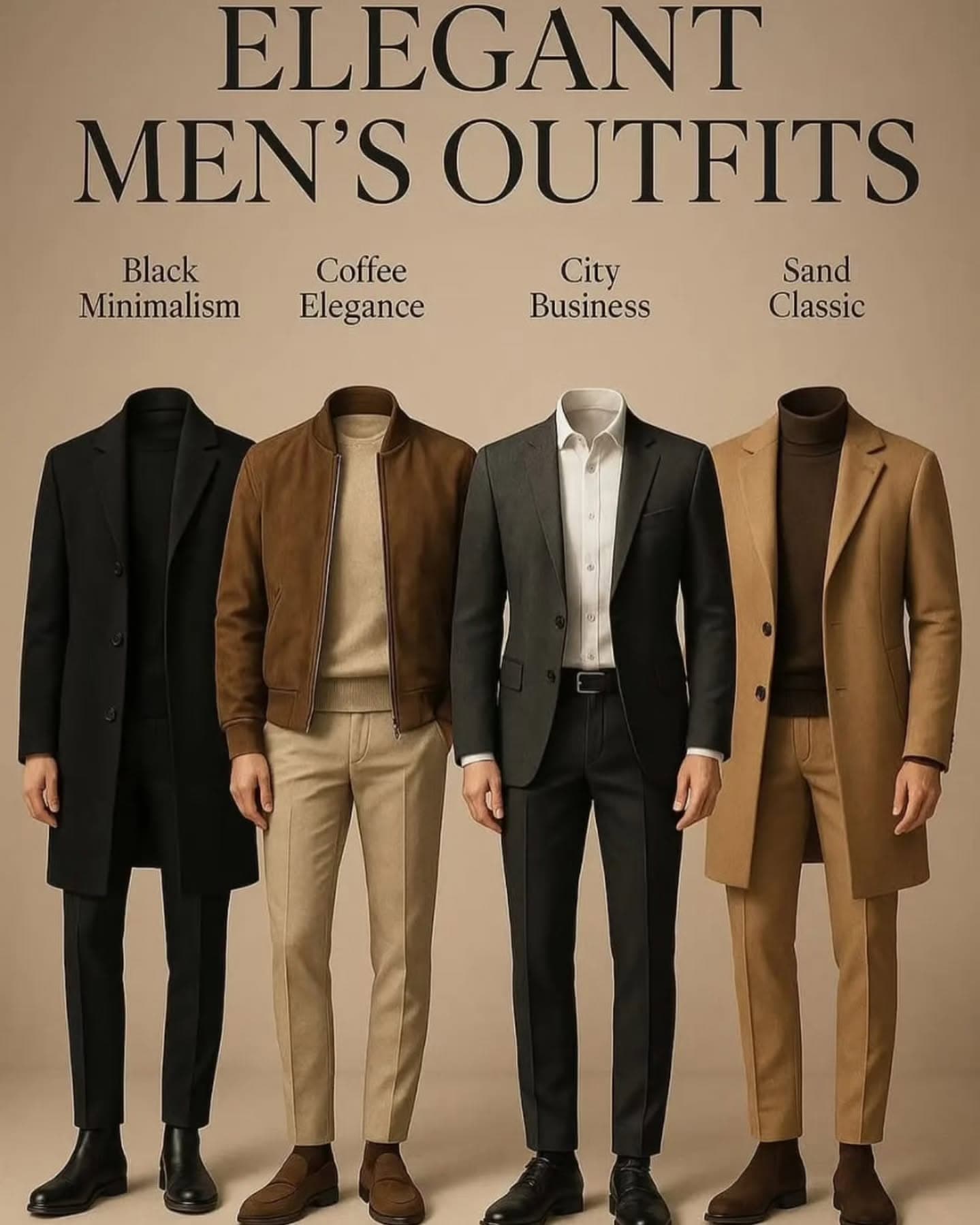
The caption gives this extra source idea: Winter suits use wool, tweed or flannel in charcoal, navy, dark brown or burgundy with turtlenecks, overcoats and boots. Summer suits use linen, cotton or lightweight blends in beige, light grey, pastel blue or white with loafers, polos or light shirts. Use it as direction, not as a command. Your job is to adapt the idea to your climate, workplace, body, budget and actual calendar.
This is for the man who wants to look sharper without turning dressing into a full-time hobby. Maybe your workplace is getting more casual and you no longer know what looks professional. Maybe you save outfit ideas but cannot translate them into your own wardrobe. Maybe you own decent pieces, but the combinations feel off.
Start here: stop asking, “Is this fashionable?” Ask, “Does this make sense for the room?” The room decides the level. Your body decides the fit. Your colour palette decides how calm or loud the outfit feels. Your shoes decide whether the look reads casual, smart casual or formal.
The core principle is controlled contrast. You need enough contrast for the outfit to have shape, but not so much that every piece fights for attention. Contrast can come from colour, texture, formality or silhouette. A red shirt with grey trousers works because the trousers calm the red. A winter suit works because the darker colour and heavier visual weight match the season. A summer suit works because lighter colours and breathable styling match heat. A polo works better when the trouser colour gives it fresh separation.
Use this rule before you leave the house:
If the image teaches anything, it teaches restraint. The visible looks work best when there is a clear hierarchy. One piece leads. Everything else supports.
The safe formula is: structured top + clean trouser + intentional shoe + minimal accessory. For formal or office dressing, the top can be a dress shirt, blazer, suit jacket, knit polo or fine sweater. The trouser should be clean through the thigh and seat, with enough room to sit and move. The shoe should match the promise of the outfit: Oxfords or loafers for sharper looks, clean sneakers for relaxed versions, boots when the outfit has seasonal weight.
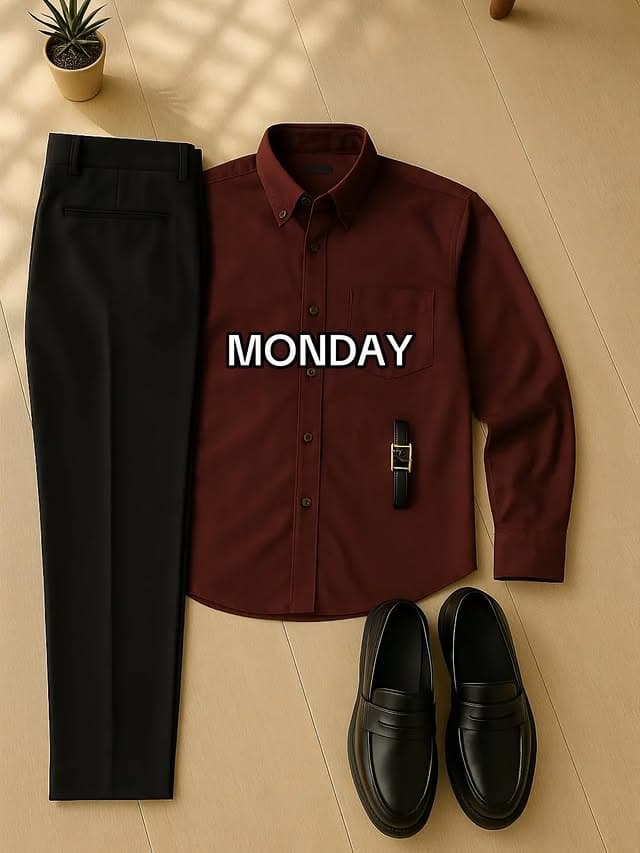
For this specific source, apply it like this: take the most visible idea from the image, then build around it. If the image has a strong colour, ground it with neutral trousers. If the image compares seasons, change the fabric and colour temperature. If the image shows a suit two ways, keep the suit but change the shirt and shoes. If the image is a weekday formal plan, repeat the fit standard while changing colour and accessories.
That gives you variety without chaos. You do not need ten different personalities in your wardrobe. You need repeatable formulas that change one or two variables at a time.
Do not copy the tightness or looseness of a photo without checking your own proportions. The first fit check is the shoulder line. The second is the trouser rise. The third is the shoe shape. If the trousers sit too low, even a good shirt can look sloppy. If the shirt pulls at the buttons, the colour combination will not save it. If the shoes are too chunky for a slim formal look, the bottom half becomes heavy.
For slimmer builds, avoid clothes that collapse on the body. Add structure through a blazer, thicker knit, clean collar or trouser crease. For broader builds, avoid tiny collars, tight sleeves and trousers that taper too aggressively. Choose clean lines and enough room so the outfit looks intentional, not squeezed. For shorter men, keep colour transitions controlled and avoid breaking the body with too many harsh blocks. For taller men, use layers and texture so the outfit has shape.
The image is a reference point, not a body-type rule. The rule is always the same: the outfit should make your frame look balanced.
Keep the strongest colour or darkest piece under control. If the shirt is bold, keep trousers and shoes calm. If the suit is dark, brighten the shirt or add a tie with purpose. If the trousers are light, keep the top clean and avoid dirty shoes. If the outfit is all one colour, use texture, pleats, collar shape or a jacket to stop it looking flat.
A simple test: squint at the outfit. If you only notice one piece screaming, the balance is off. If the whole shape still looks clean, the colour is working. Men often think colour matching is about memorising hundreds of combinations. It is not. Start with navy, grey, white, black, beige, brown and light blue. Add stronger colour only when the rest of the outfit is quiet enough to handle it.
Proportion matters just as much. A dressy top with lazy trousers looks confused. Wide trousers with tiny shoes look unstable. A sharp suit with casual accessories can work, but only when the casual pieces are clean, not worn out.
Shoes decide the level. Formal shoes make a look sharper. Loafers relax tailoring without destroying polish. Minimal sneakers make a suit or trouser outfit feel modern, but they must be clean. Boots add seasonal weight. Sandals or slides only work when the whole outfit is relaxed and warm-weather appropriate.
Accessories should finish the outfit, not announce insecurity. A watch, belt, sunglasses, small ring or simple bracelet can help. Too many pieces at once make the outfit look forced. If you are unsure, remove one accessory before leaving. For office and formal style, leather colour should make sense with the shoes when both are visible. For casual style, the accessory should match the mood: clean watch for smart casual, sunglasses for summer, simple bag for practical city wear.
The first mistake is overcopying the post. A saved Instagram outfit is not your uniform. It is a lesson. Take the rule, then rebuild it with your own pieces.
The second mistake is ignoring the occasion. A look that works for a reel may be too casual for a client meeting or too formal for coffee. Dress for the room first.
The third mistake is treating colour as decoration instead of structure. Colour changes the seriousness of an outfit. A red shirt, cream suit, green polo or blue suit can all work, but only if the surrounding pieces control the message.
The fourth mistake is letting shoes fall below the standard of the outfit. Dirty sneakers, tired loafers or cheap-looking square-toe dress shoes can damage the whole look.
The fifth mistake is buying new clothes before checking fit. Tailoring, hemming and pressing often improve an outfit more than another purchase.
If you want to build this kind of look, shop in this order: one clean shirt or knit top, one versatile trouser, one pair of appropriate shoes, then one finishing accessory. Do not start with the loudest item. Start with the pieces that repeat.
Useful categories include tailored trousers, crisp shirts, knit polos, navy or grey suits, loafers, clean white sneakers, black leather shoes, brown belts and simple watches. If affiliate links are added later, include a disclosure before the first affiliate recommendation and only recommend pieces that solve the reader’s actual problem.
Build this outfit idea into a stronger wardrobe by reading the foundation guides: start with the men’s style basics, then use the men’s wardrobe essentials to decide what to buy first, and check the smart casual guide for men when the outfit needs to work for dinners, dates, office days or weekends.
You can copy the principle, but check your own fit, climate and occasion first. The safest move is to copy the colour logic and formality level, then use pieces that fit your body.
Use the same rules with softer pieces. Swap a full suit for a blazer, knit polo, clean shirt, chinos or tailored trousers. Keep shoes clean and avoid looking like you just wore weekend clothes to work.
Two or three is enough for most men. One main colour, one neutral and one small accent will usually look cleaner than four competing colours.
No. Fit, colour control, clean shoes and pressed clothes matter before price. Expensive clothing still looks bad when the combination is confused.
Check trouser fit, shoe choice and colour contrast. Those three usually explain why an outfit looks almost right but not finished.
The outfit is useful because it gives a visual starting point. The real upgrade is learning the rule behind it: choose one clear idea, support it with quiet pieces, match the shoes to the occasion and keep the finishing details clean. Save this guide before your next office day, suit purchase or smart casual event, and use it as a checklist before you leave the house.
Learn how to build a men’s capsule wardrobe that works for casual, smart casual, work, travel, and dates without buying too much.