Loading...
Style guides, outfit breakdowns, and deals — curated weekly for the modern Pakistani man.
12,000+ subscribers · No spam · Unsubscribe anytime
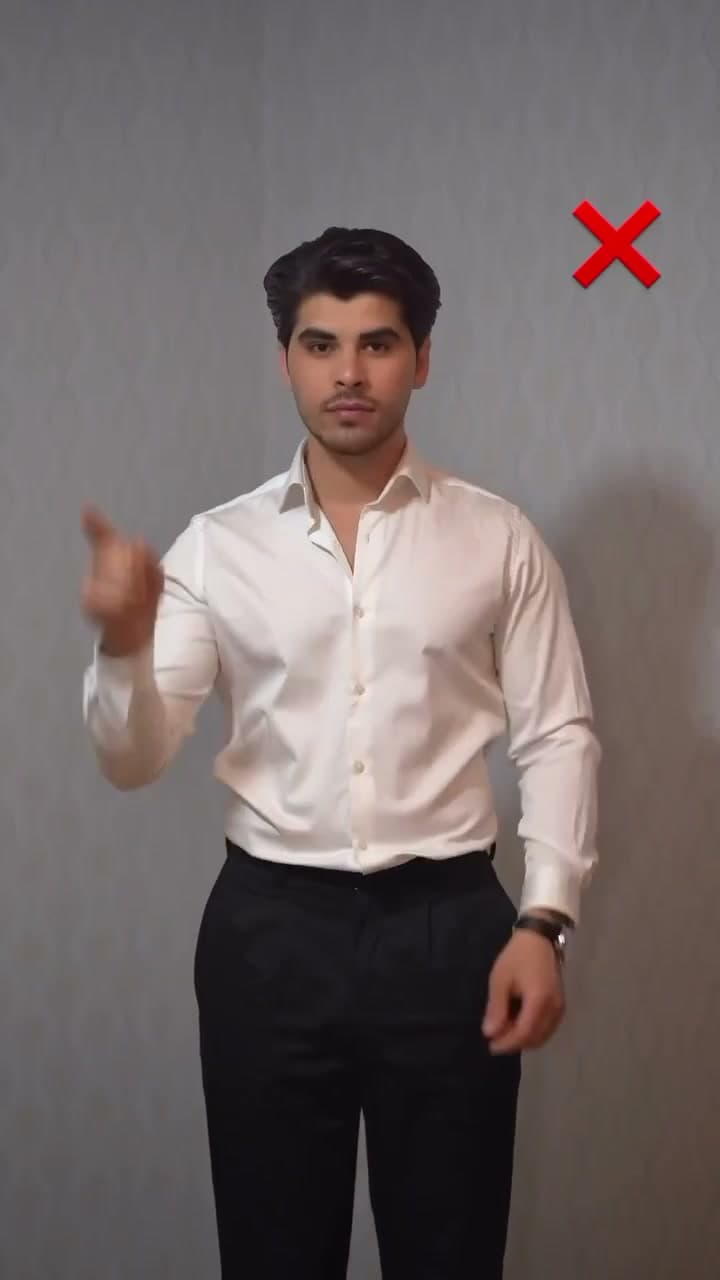
Learn how to do a military tuck step by step. Pinch the excess side fabric, fold it back, lock it under the waistband, and get a flat, sharp shirt waist in 30 seconds.
You put on a clean white shirt. You tuck it in. You look in the mirror and something is off — there is a soft ring of extra fabric sitting over your waistband, and the whole outfit suddenly looks sloppier than the shirt deserves.
That is not a body problem. That is a fabric problem. Dress shirts are cut wider at the hem than at the chest so they can move. When you push all that width into your trousers, it has nowhere to go, so it bunches.
The military tuck is the fix. It takes about thirty seconds, costs nothing, and works with a shirt you already own.
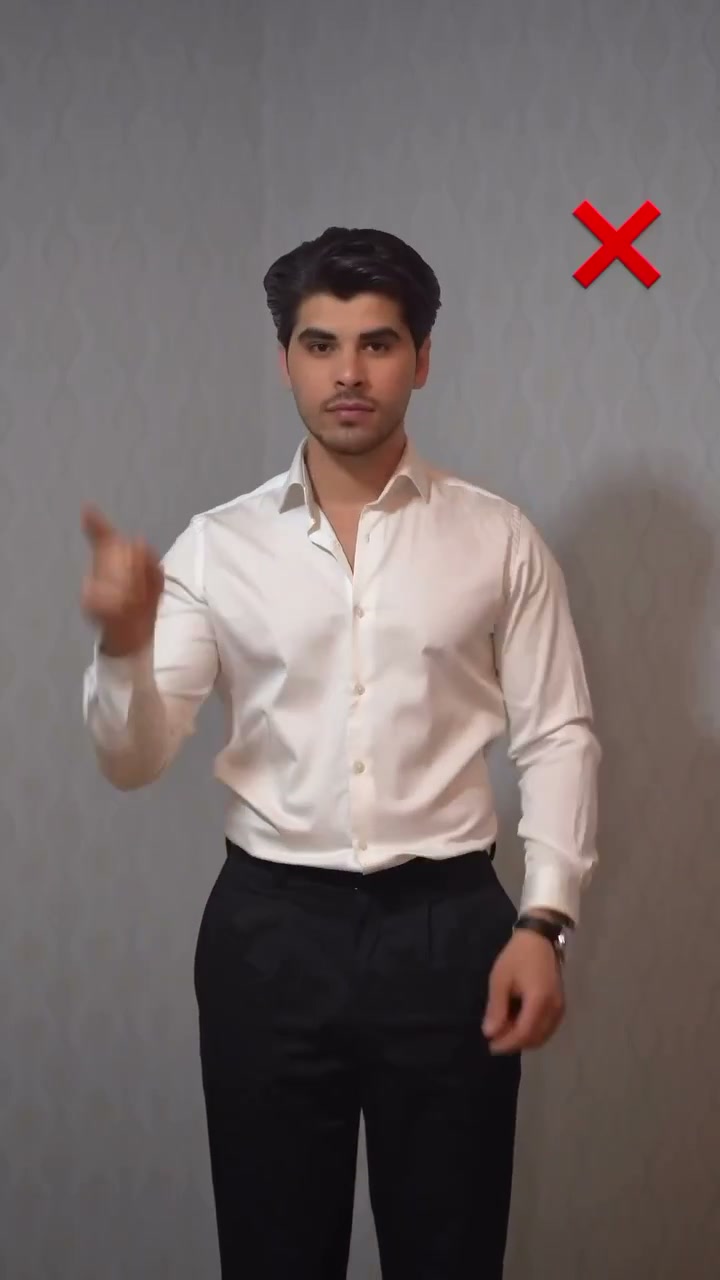
Look at the picture above. The shirt is tucked. It is still untidy.
Three things cause this:
None of that means you bought the wrong shirt or that your body is the wrong shape. It means the extra fabric needs to be moved somewhere useful — specifically, to the sides and back where nobody is looking at you.
The name comes from military dress inspections, where a flat shirt front was non-negotiable. The method is simple: gather the slack at your sides, fold it backwards, and trap it under your waistband.
Open the button and zip on your trousers but keep them on. Stand upright. Do not suck your stomach in — if you hold your breath while tucking, the tuck fails the moment you exhale.
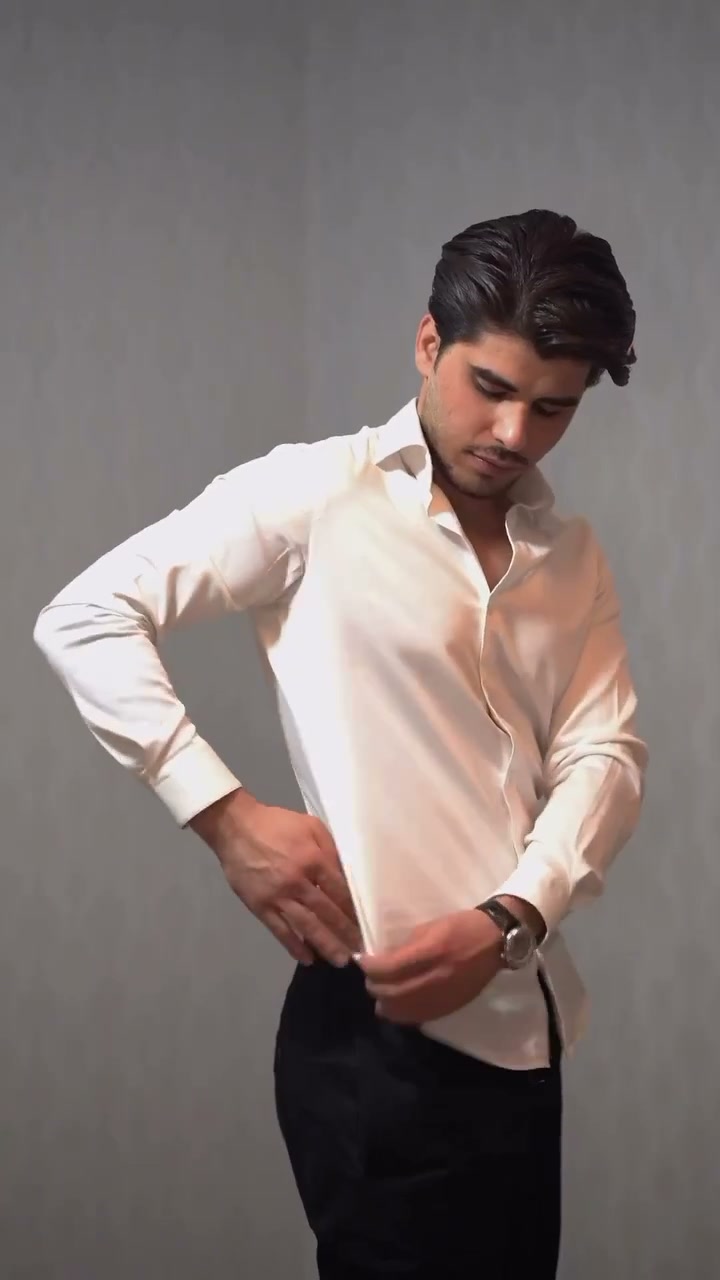
Find the shirt's side seam — the vertical stitch running down under your arm. Pinch the loose fabric just behind it between your thumb and fingers, roughly at hip level. Pull it outward until the front of the shirt goes flat across your chest and stomach.
You will feel the point where the front stops rippling. That is the amount you need to fold away.
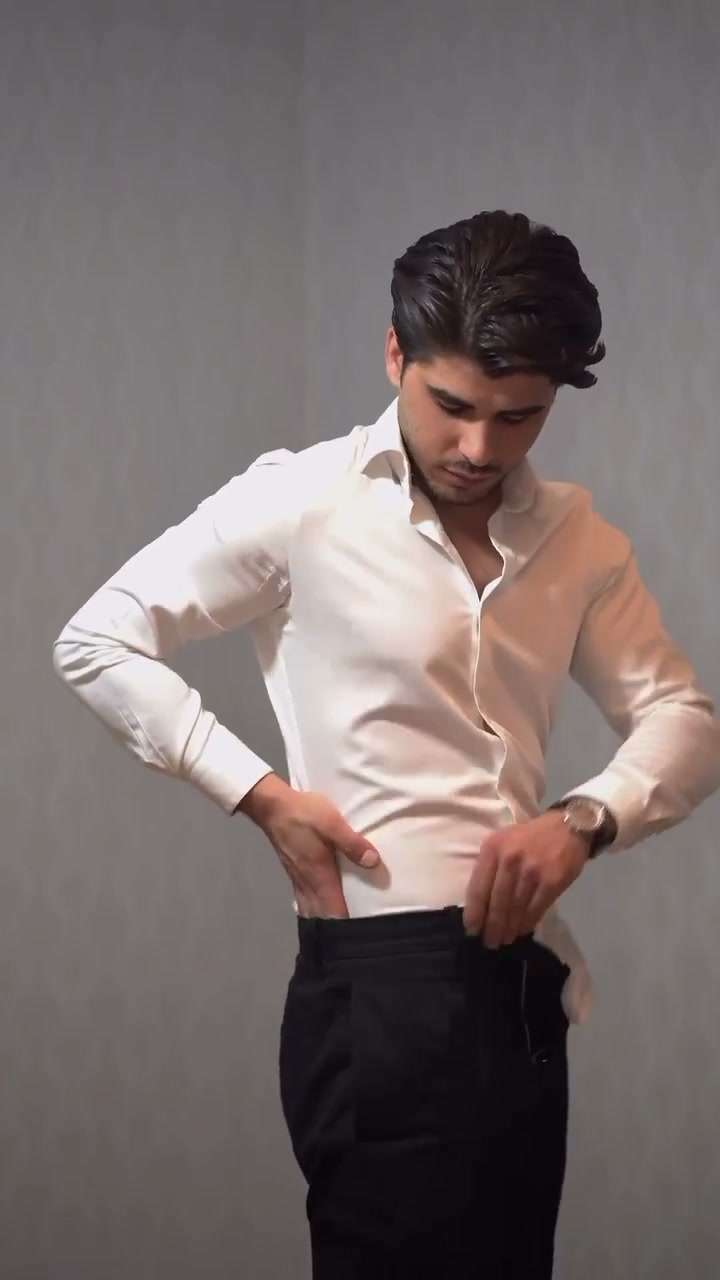
This is the step most men get wrong. Fold the pinched fabric towards your back, flat against your body, like closing a page. Do not fold it forwards — a forward fold sits under the front of your waistband and creates a visible ridge exactly where people look.
Hold the fold down with your palm. Repeat on the other side so both are even.
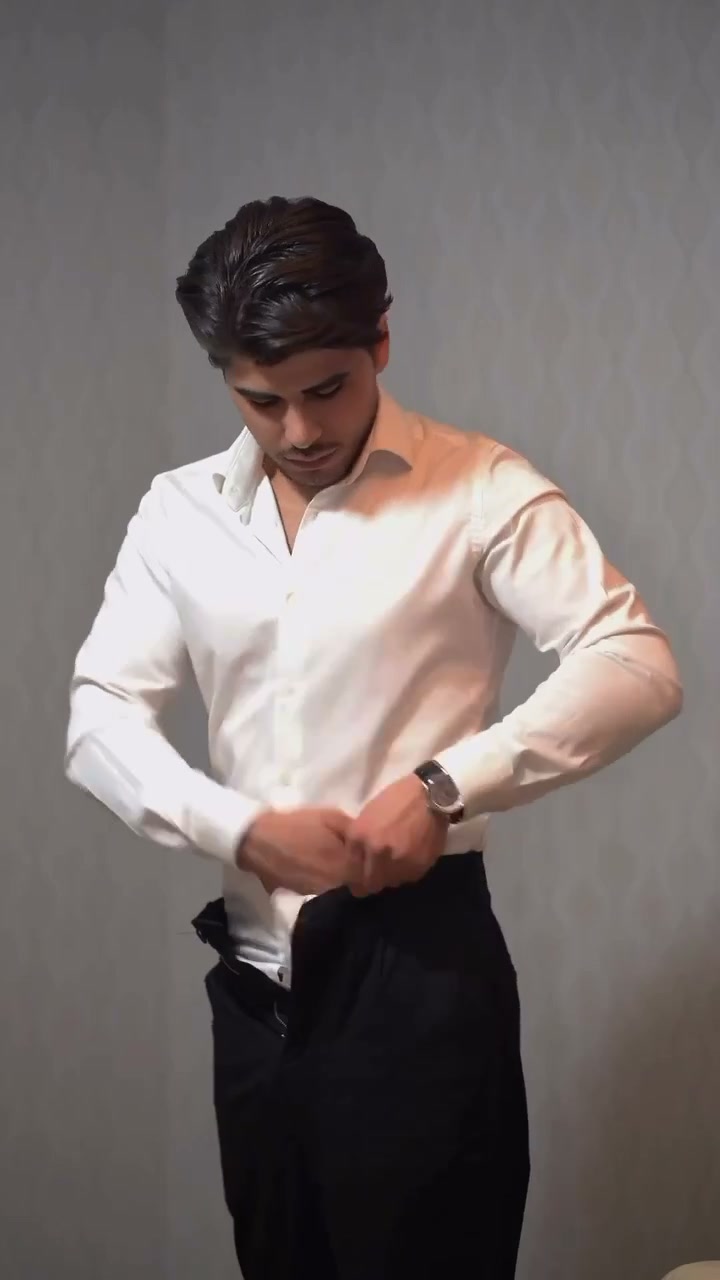
Keeping both folds pressed flat, pull the trousers up and fasten the button and zip over them. The waistband is what locks the fold in place — that is the whole mechanism. If you let go before fastening, the fabric springs back out.
Add your belt last and pull it to your normal notch, not tighter. A belt cinched hard to hold a bad tuck creates its own puckering.
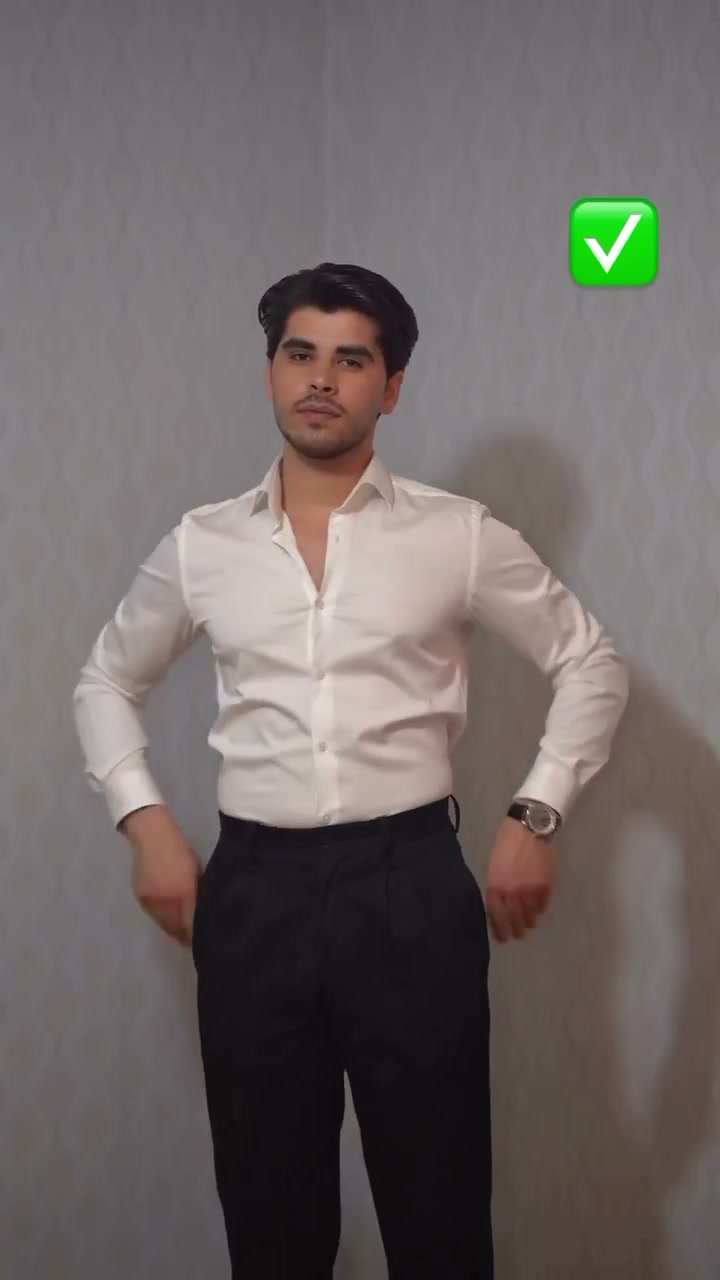
Run your hand around your waistband. It should feel smooth at the front and firm at the sides. The shirt front should be flat from chest to belt with no visible ripple, and your trouser waistband should read as one clean horizontal line.
Then raise both arms above your head and lower them. A good military tuck survives that. If everything pulls loose, your fold was too shallow — redo it with a bigger pinch.
Use the military tuck for:
Skip it for:
If you want the full menu of options — full tuck, half tuck, French tuck and untucked — read our guide on how to tuck a shirt. The military tuck is the sharpest of them, not the only correct one.
| Problem | Likely cause | Fix |
|---|---|---|
| Ridge across the front | You folded the fabric forwards | Fold backwards instead |
| Shirt pops out by midday | Fold was too shallow, or belt too loose | Take a deeper pinch; fasten waistband over the fold |
| One side flatter than the other | Uneven pinch depth | Redo both sides using the same amount |
| Waistband still feels bulky | Shirt is significantly oversized | Size down or have the body tapered |
| Fabric creases visibly at the fold | Stiff, heavily starched cotton | Use a softer-finish shirt for tucked wear |
Tucking is not one technique. Knowing which one a situation calls for is most of the skill.
The plain tuck. Shirt pushed straight down into the trousers, nothing folded. Fast, and fine if your shirt is already cut close to your body. On a generously cut shirt it produces exactly the bulge in the first photo above.
The military tuck. What this guide covers. The sharpest, flattest result you can get without a tailor. Best when the shirt is wider than your waist needs and the occasion is formal or semi-formal.
The half tuck. Front hem tucked, back and sides left loose. This is a casual styling choice, not a fit fix. It works with jeans, chinos and casual shirts, and looks out of place with tailoring.
Untucked. Entirely valid when the shirt is designed for it — meaning the hem is straight and finishes somewhere around the middle of your trouser fly. A long-tailed dress shirt worn untucked reads as unfinished no matter how good the shirt is.
The mistake is not picking the "wrong" one. The mistake is having only one and using it everywhere.
Most men do this at 7:40 in the morning with somewhere to be. Here is the compressed version:
That is under thirty seconds once you have done it five or six times. The first two attempts will feel fiddly and produce an uneven result. That is normal — you are calibrating how much fabric to grab. By the end of the first week it becomes automatic, in the same way that tying a tie stopped requiring thought.
There is a reason military dress codes obsess over a flat shirt front, and it is not vanity. A clean line at the waist signals that someone took care over something small and unglamorous. People read that instantly without being able to name what they are reading.
You see the same effect in reverse. A man in an expensive suit with a shirt bunching over his belt looks less put-together than a man in a cheap shirt that sits flat. Fit and finish beat price almost every time, which is good news, because fit and finish are free and price is not.
This is also why the fix is worth learning rather than avoiding. You do not need a new wardrobe to look sharper on Monday. You need the shirts you already own to sit properly. The military tuck, a correct trouser rise, and sleeves that end at the wrist bone will do more for how you look than any single purchase in that price range.
Try this for one week. Every day you wear a tucked shirt, do the military tuck instead of the plain one. Take a photo in the mirror on day one and day seven.
Two things usually happen. First, you get noticeably faster. Second, you start noticing which of your shirts need the technique badly and which barely need it at all. That second piece of information is genuinely useful — it tells you which shirts to replace or alter first, and what to look for the next time you buy one. If you are rebuilding from a small wardrobe, our guide to white button-up shirt outfits covers what to prioritise.
Pinch the loose fabric at each side seam, fold it backwards flat against your body, and fasten your trousers over the fold — the waistband holds it, and your shirt front stays clean.
A flat waist is one of those small details nobody consciously notices, but everybody registers. It is the difference between wearing a shirt and looking like the shirt was made for you. Pair it with a well-chosen colour combination — a white shirt with dark trousers is the easiest place to start — and you have a look that works for almost any professional room.
What exactly is a military tuck? It is a tucking method where you pinch the excess fabric at each side seam of your shirt, fold it backwards against your body, and secure it under your trouser waistband. The result is a completely flat shirt front with no bunching.
Does the military tuck work with any shirt? It works best with woven cotton dress shirts and button-ups that are cut generously through the body. Very slim-fit shirts do not need it, and soft knits flatten on their own without it.
Will the military tuck come undone during the day? It loosens gradually with a lot of movement, especially sitting and standing repeatedly. A deeper fold and a properly fastened waistband make it last much longer. For all-day security, some men use shirt stays, but a good fold handles a normal office day.
Do I need a belt for a military tuck to work? No. The trouser waistband does the holding, not the belt. A belt helps keep everything stable, but the fold stays in place as long as you fasten the trousers over it.
Is the military tuck suitable for casual outfits? Generally no. It is a formal-leaning technique for sharp, tucked looks. For casual shirts, an untucked or half-tucked shirt with the right hem length usually looks more natural.
What if my shirt still bulges after doing this? The shirt is probably too wide for your body. A tailor can taper the sides for a modest cost, which permanently removes the problem and makes every future tuck effortless.
Save this one. The next time you put on a shirt for something that matters, run through these five steps before you leave the house. It takes thirty seconds and it changes how the whole outfit reads.
Build a reliable men’s wardrobe with 20 essential pieces: shirts, jeans, chinos, shoes, outerwear, accessories, and grooming basics.