Loading...
Style guides, outfit breakdowns, and deals — curated weekly for the modern Pakistani man.
12,000+ subscribers · No spam · Unsubscribe anytime
Learn the best suit colour combinations for men, including navy, black, charcoal, beige, brown, burgundy and dark green suits with the right shirts, ties and shoes.
Most men do not fail with suits because the suit is bad.
They fail because the colours fight each other.
A good suit combination should feel calm before it feels impressive. The jacket, shirt, tie, shoes and accessories should look like they belong in the same conversation. If every piece is trying to be the loudest part of the outfit, the result looks confused, even when the clothes are expensive.
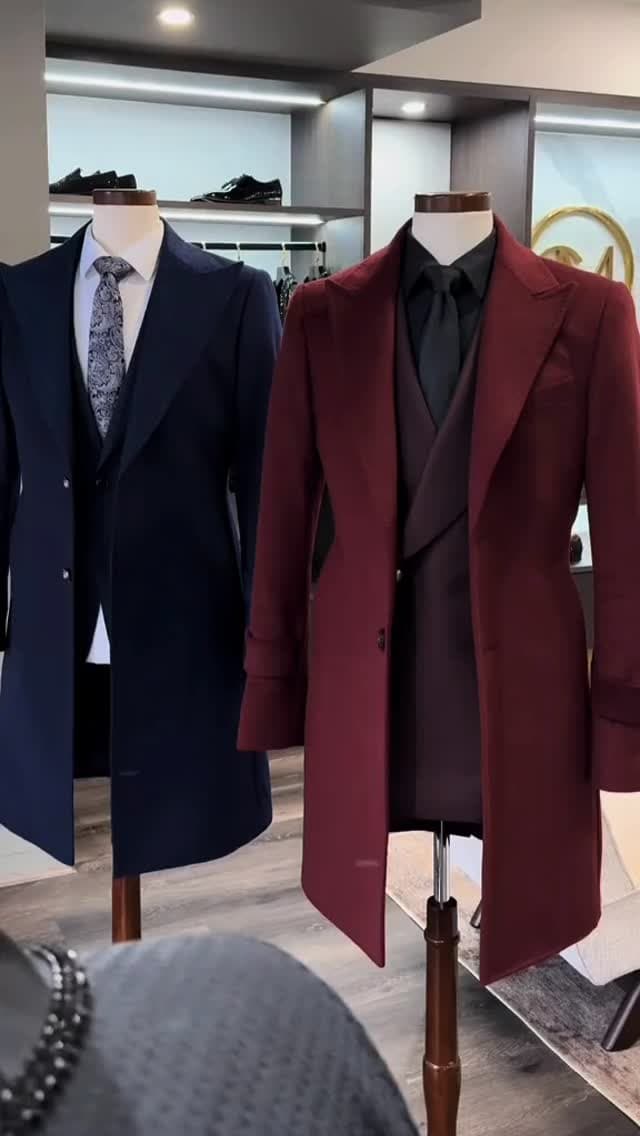
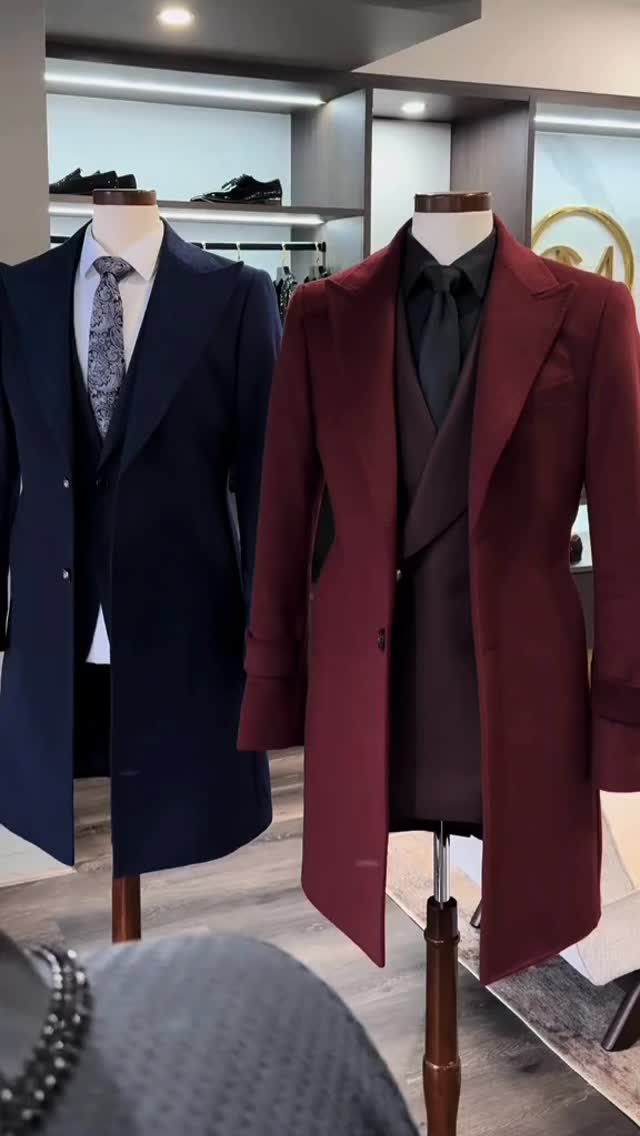
The navy and burgundy formal looks above show two useful directions. Navy with a white shirt and patterned tie is classic, safe and easy to repeat. Burgundy with black is stronger, moodier and more evening-focused. Both can work, but they do not work for the same reason.
That is the lesson: choose the suit colour first, then build the shirt, tie and shoes around it.
If you are still unsure about dress codes, read men's dress codes explained before you start buying formal pieces. A suit only looks right when it matches the room.
Use one dominant colour, one clean shirt colour and one controlled accent.
That is it.
For most men, the dominant colour is the suit. The shirt should create clarity. The tie, pocket square or shoes should add personality without breaking the outfit.
A safe formula looks like this:
Do not add three accents at once. A burgundy suit with a black shirt already has enough mood. A navy suit with a patterned tie already has enough detail. A beige suit with a pastel shirt already has softness.
The best-dressed men usually remove one extra thing before they leave the house.
If you only own one suit, navy is usually the best start.
It works for business meetings, weddings, formal dinners, interviews, graduations and many smart casual situations. It is less severe than black and easier to wear during the day.
Best shirt options:
Best tie options:
Best shoe options:
The navy suit in the image works because the white shirt gives the outfit a clean centre. The patterned tie adds detail, but the base still feels formal.
If you want a full breakdown of this classic formula, use navy suit, white shirt and brown shoes as your next read.
A black suit is powerful, but it is not always the most versatile choice.
It works best for evening events, funerals, formal dinners, black-tie-adjacent settings and occasions where the room is already dressy. During the daytime, especially at a normal office, black can look too severe.
Best shirt options:
Best tie options:
Best shoe options:
The mistake is adding too much colour to a black suit. Black already has weight. Keep the rest clean.
A black suit with white shirt is timeless. A black suit with bright shirt, shiny tie and loud shoes usually looks like a rental mistake.
Charcoal is one of the most useful colours in men's tailoring.
It feels serious but not as harsh as black. It works for office wear, formal dinners, conferences and winter weddings. It also flatters more shirt colours than many men realise.
Best shirt options:
Best tie options:
Best shoe options:
A charcoal suit with a black shirt can look sleek, but it needs restraint. Keep the tie simple or skip it. Keep shoes black. Avoid bright pocket squares.
If the suit has a strong check or texture, reduce the shirt and tie pattern. One pattern is enough for most men.
Beige, cream and light tan suits look clean when the weather, fabric and setting make sense.
They are not usually the first business suit. They are better for daytime weddings, summer events, resort dinners, garden parties and smart casual occasions.
Best shirt options:
Best tie options:
Best shoe options:
The main risk with light suits is looking washed out. You need some contrast. A white shirt can work, but add brown shoes, a watch strap or a darker tie so the outfit has structure.
For more warm-weather direction, read what suit to wear for each occasion.
Brown suits are not as common as navy or grey, which is exactly why they can look strong when done well.
They work best in autumn, winter, creative offices, dinners, smart casual events and daytime weddings with an earthy palette.
Best shirt options:
Best tie options:
Best shoe options:
Brown looks best when the outfit repeats warm tones. Do not fight it with icy colours unless you know exactly what you are doing.
A brown suit, cream shirt and dark brown loafers can look more expensive than a loud designer outfit because the palette feels intentional.
Burgundy is not a beginner suit colour, but it can look excellent for the right event.
The burgundy formal coat in the image shows why. The colour is strong, so the shirt and tie stay dark. That keeps the outfit dramatic instead of messy.
Best shirt options:
Best tie options:
Best shoe options:
Do not wear burgundy tailoring with too many extra colours. The suit is already the statement.
A simple rule: if the suit colour is bold, make the rest quieter.
Dark green suits can look refined when they stay deep and muted.
Avoid bright green for serious formal events. Forest, bottle green and deep olive are easier to wear.
Best shirt options:
Best tie options:
Best shoe options:
Green works because it feels different without becoming childish. The key is depth. Keep it dark, keep the shirt clean, and let leather accessories finish the look.
For broader colour rules outside tailoring, read men's color matching guide. Colour matching is not about memorising every possible outfit. It is about knowing which colours can carry the outfit and which colours should support it.
Here are the rules most men should follow.
First, a white shirt works with almost every suit. If the event matters and you are unsure, wear white.
Second, light blue is usually the second safest shirt. It works especially well with navy, grey, brown and some beige suits.
Third, black shirts are evening shirts. They can look sharp with charcoal, black, burgundy and dark green, but they often look too heavy in daytime business settings.
Fourth, do not match the tie exactly to the shirt. A navy suit, light blue shirt and light blue tie can look flat. Add contrast through burgundy, grey, dark green or a small pattern.
Fifth, if your suit has a visible pattern, keep the shirt and tie simpler. If your tie has a strong pattern, keep the shirt plain.
The eye needs somewhere to rest.
Many men plan the suit and forget the shoes.
That is a mistake.
Black Oxfords make a suit more formal. Dark brown shoes make navy and grey suits feel warmer. Loafers can relax a suit for summer or smart casual events. Suede lowers the formality. Shiny leather raises it.
Use this guide:
If the shoes are dirty, the suit loses power immediately. A basic suit with polished shoes usually beats an expensive suit with tired shoes.
Before you leave, check five things.
If the answer to the last question is yes, remove one colour.
The goal is not to look like you tried every style idea you know. The goal is to look prepared, sharp and appropriate for the room.
Navy is usually the best first suit colour for men. It works for business, weddings, interviews, dinners and many smart casual events. Charcoal grey is the second safest choice.
A white dress shirt works with almost every suit. Light blue is the next most useful option, especially with navy, grey, brown and beige tailoring.
Yes, but it works best for evening outfits or sharper social events. Black shirts pair well with black, charcoal, burgundy and dark green suits. For business or weddings, white or light blue is usually safer.
Yes. Brown shoes are one of the best choices with a navy suit, especially for weddings, business casual offices and smart dinners. For stricter formal events, black shoes are safer.
Most formal outfits look best with two main colours and one small accent. For example: navy suit, white shirt and burgundy tie. More than that can start to look busy.
Save this guide before your next formal event, then check your suit, shirt, tie and shoes as one complete combination instead of four separate pieces.
Learn how to build a men’s capsule wardrobe that works for casual, smart casual, work, travel, and dates without buying too much.