Loading...
Style guides, outfit breakdowns, and deals — curated weekly for the modern Pakistani man.
12,000+ subscribers · No spam · Unsubscribe anytime

Learn practical phone etiquette for men at meals, meetings, dates and in public, including calls, texts, photos, voice notes and urgent situations.
Your phone is useful. It can also make the person in front of you feel like they are competing with everyone who can reach you.
Good phone manners are not about rejecting technology. They are about controlling when it gets your attention. The clearest rule is simple: when you choose to be with someone, make your phone support the moment instead of interrupting it.
That matters at dinner, on a date, in a meeting, during a conversation and anywhere your screen affects other people. These 18 rules tell you exactly what to do.

A phone resting in your hand tells the other person that your attention may leave at any second. Even if you are not reading the screen, they cannot know that.
When a real conversation begins, lock the screen and put the device in your pocket, bag or another safe place. Do not keep turning it over on the table. Do not hold it at chest height while pretending to listen.
There are reasonable exceptions. You may need the phone for translation, accessibility, directions, a medical alert or information that belongs to the conversation. Say what you are doing: “Let me check the address for us.” That one sentence removes uncertainty.
A face-down phone is still a phone on the table. It can vibrate, light up or make everyone wonder when you will check it.
At a meal, keep it in your pocket or bag. If you are expecting an urgent call, tell the group before it arrives:
“I may get a call from the hospital. If it comes through, I’ll step outside.”
That is considerate because people understand the situation before the interruption. For the rest of your dining habits, use the complete restaurant etiquette guide for men.

Do not let every notification become a public announcement. Before a meeting, meal, film, service, class, appointment or serious conversation, switch the phone to silent or a focused mode.
Vibration can be almost as disruptive as a ringtone when the phone is on a hard table. Keep it off the surface. Allow calls only from emergency contacts if your phone supports that setting.
Set this before you enter the room. Repeatedly saying “sorry” after each alert is not as good as preventing the alerts.
If a call cannot wait, excuse yourself briefly. Move far enough away that your conversation does not become everyone else's conversation.
Say:
“Please excuse me. I need to take this. I’ll be back in a few minutes.”
Keep the call short. When you return, thank the person for waiting and rejoin the subject they were discussing. You do not owe the room private details, but you do owe your companions a clean interruption.
Never start a long call at the table because it feels inconvenient to stand up.
A ringing phone is a request, not a command. You can decline it and return the call later.
Ask yourself three questions:
If the answer to the second or third question is no, let it go to voicemail. Send a short message if needed: “In a meeting. I’ll call at 3:30.” Then keep that promise.
Phone microphones are designed to pick up normal speech. You usually do not need to speak louder than you would to someone beside you.
On a train, in a waiting room, hotel lobby, shop or office corridor, use a calm voice and keep the call brief. If the space is quiet, crowded or enclosed, move outside when possible.
Do not use speakerphone around strangers unless it is necessary for accessibility or an emergency. Other people did not agree to join your call.
Videos, voice notes, games and music all count. Use headphones in public and check the volume so sound is not leaking heavily.
In a group, ask before playing something:
“Can I show you a 20-second clip?”
Wait for agreement. Then play only the relevant part. A funny video does not become more considerate because you believe everyone will like it.
Professional phone etiquette becomes easier when expectations are clear. In a short meeting, keep the phone away unless it is needed for the agenda. In a longer session, the chair can announce a break for messages.
If you take notes on your phone, tell the group. Otherwise, looking down repeatedly can resemble private texting. A paper notebook may be the cleaner choice in an interview, client meeting or first conversation.
Put your device away during introductions. A good handshake and introduction loses its effect if you immediately look back at a screen.
A social event is not automatic permission to post everyone who attends. Ask before taking a close photograph, and ask again before sharing it publicly when the context is private.
Be especially careful with children, homes, workplaces, medical settings, name badges, computer screens and anything that reveals location or personal information.
If someone says no, accept it without teasing them. Do not upload first and offer to delete later.
One quick picture before a meal is usually harmless when the group is comfortable with it. Turning dinner into a photo shoot is different.
Do not make everyone wait while food goes cold. Do not reach across plates, stand on furniture, use a bright flash or move another person's dish without asking. Take the picture, put the phone away and return to the meal.

A pause is not a problem that your phone must solve. On a date, at coffee or while waiting for food, quiet moments can lead to better conversation.
Keep three simple questions ready:
Listen to the answer instead of preparing your next story. If you want to improve your whole social presentation, the guide to outfits for different occasions helps you dress appropriately while these habits help you act appropriately.
“Hey” followed by silence forces the other person to wait for the real request. Write a complete first message when the purpose is practical:
“Hi Omar, are you free for a ten-minute call about Saturday’s booking?”
Use paragraphs for longer messages. Check names, dates and tone before sending. If the subject is emotional, complex or likely to be misunderstood, ask for a call rather than writing a wall of text.
Do not send repeated question marks because someone has not replied. Their phone gives you access to send a message, not ownership of their time.
Response speed depends on the person, relationship and urgency. A friend at work may not answer for hours. A colleague outside working hours may wait until the next day.
If something is truly urgent, state the deadline clearly and use the agreed contact method. “Please confirm by 5 p.m. because the booking closes then” is more useful than “Urgent!!!”
For non-urgent messages, send once and wait. Following up after a reasonable period is fine. Chasing someone across text, messaging apps and social media within minutes is not.
Voice notes are convenient for the sender but can be difficult for the receiver. They cannot always listen privately, search the message or find one detail later.
Keep voice notes short. Start with the point. If the message contains an address, time, price or name, type that information as well. Do not send a chain of ten recordings when one concise text or call would work better.
Ask before sending long audio regularly: “Are voice notes convenient for you?”
A useful voicemail contains four things:
For example:
“Hi, this is Hamza Khan calling about tomorrow’s 11 a.m. appointment. Please call or text me on this number to confirm. I’m available until 6.”
Speak slowly when giving a number. Do not leave “Call me” with no context unless the person knows exactly why.
Do not read someone else's notifications over their shoulder. Do not scroll through their photos when they handed you the phone to view one image. Do not share screenshots of private messages without permission.
At work, avoid discussing confidential matters where strangers can hear. Use headphones for private calls when appropriate, but remember that headphones protect what you hear—not what everyone hears you say.
Lock your own screen as well. Good phone etiquette includes protecting information entrusted to you.
Use group chats for information relevant to the group. Take one-to-one questions into a private message. Avoid sending several separate messages when one complete update would be clearer.
Before adding someone, ask whether they want to join. Do not repost private messages into a group. Use reactions when a full reply would add nothing.
Mute busy chats instead of demanding that everyone stop talking. Leave respectfully when the group no longer applies to you.
Do not record a call, meeting, class, performance or private conversation secretly. Laws differ by location, and basic respect requires clear consent even where recording may be legal.
Ask:
“Would everyone be comfortable if I record this so I can take accurate notes?”
Explain where the file will be stored and who will receive it. If anyone objects, take written notes instead.
The same caution applies to live streaming. People in a shared space should not become content without warning.
Etiquette should never prevent you from getting help. If there is immediate danger, call local emergency services, alert people nearby and follow instructions.
During a less urgent family or medical situation, tell your host, date or meeting leader that you need to monitor your phone. Keep alerts limited to essential contacts. Step out when a message requires more than a quick glance.
Clear communication makes necessary phone use feel responsible rather than careless.
Before you take out your phone around other people, ask:
If you cannot name the purpose, leave the phone away.
You do not need to disappear from every app or answer every message instantly. You need boundaries.
Keep the phone away during direct conversation. Silence it before important moments. Step away for necessary calls. Ask before photographing or recording people. Write messages with context. Respect other people's time and privacy.
Your clothes may help you enter the room well. The well-groomed man routine can help you look prepared. But the habit people remember is whether you made them feel heard.
Is it rude to put your phone face down on the table?
It is better than actively scrolling, but the phone can still vibrate, light up and divide attention. At meals and important conversations, put it in a pocket or bag unless you need it for a specific reason.
What should you do if you are expecting an urgent call at dinner?
Tell your companions in advance, keep the phone on silent with the necessary contact allowed, and step away when the call arrives. Return promptly and thank the group for waiting.
Is checking the time on your phone rude?
A quick check is usually fine, but repeated checks can signal impatience. In an interview, date or serious conversation, a watch is less distracting. If you have a deadline, mention it before the meeting.
When is speakerphone acceptable in public?
Use it only when necessary for accessibility, safety or an urgent task and when you can avoid disturbing others. For ordinary calls, use the earpiece or headphones and move to a suitable place.
How quickly should a man reply to a text?
There is no universal deadline. Reply according to urgency, relationship and agreed expectations. For time-sensitive requests, state the deadline. For normal messages, give people room to work, rest and respond thoughtfully.
Is it rude to send voice notes?
Not automatically. Keep them concise, type critical details and ask whether long voice notes are convenient. A call or text is better when the listener needs to search, quote or act on specific information.
Should you use your phone to take notes in a meeting?
You can, but explain that you are taking notes so it is not mistaken for texting. Follow workplace rules, avoid capturing confidential information and use paper when a phone would distract the room.
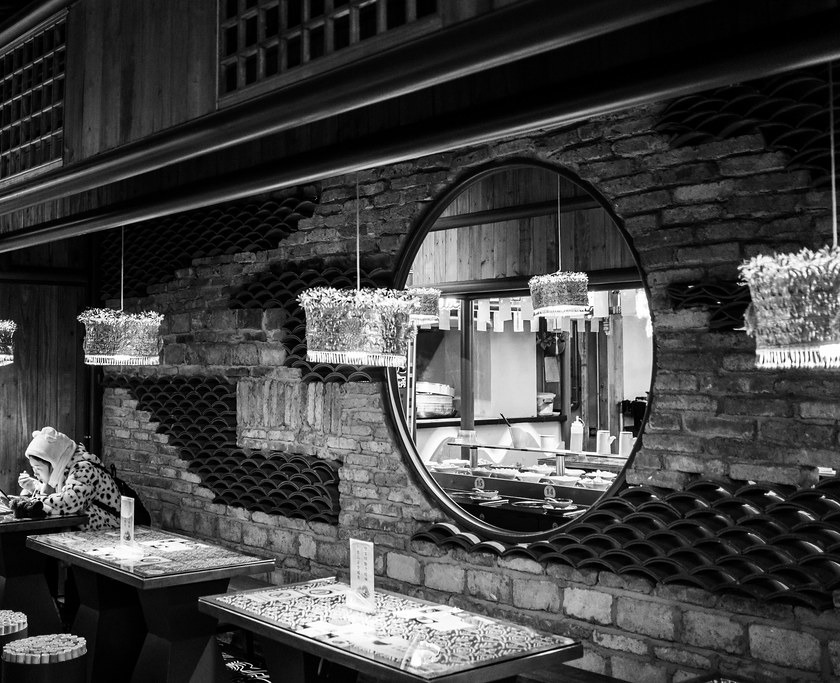
Photo: “A dinner alone” by Gauthier Delecroix - 郭天, licensed under CC BY 2.0. Section details are crops of the same photograph.
Save this guide, then choose one phone habit to fix before your next meal, meeting or date.
Build a reliable men’s wardrobe with 20 essential pieces: shirts, jeans, chinos, shoes, outerwear, accessories, and grooming basics.