Loading...
Style guides, outfit breakdowns, and deals — curated weekly for the modern Pakistani man.
12,000+ subscribers · No spam · Unsubscribe anytime
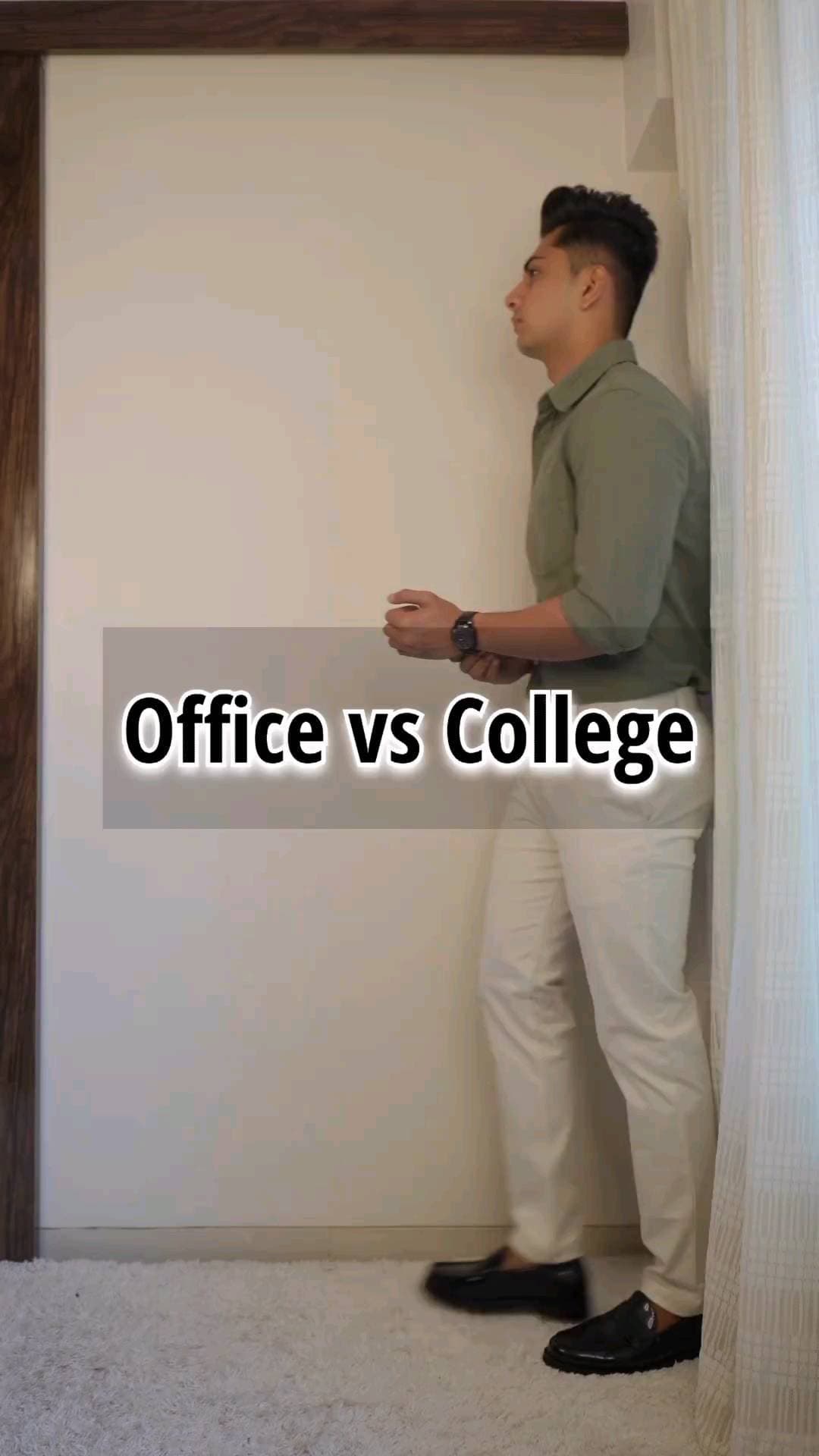
Learn how to wear an olive green shirt with cream trousers, including fit, shoes, belts, layering and smart-casual occasion rules.
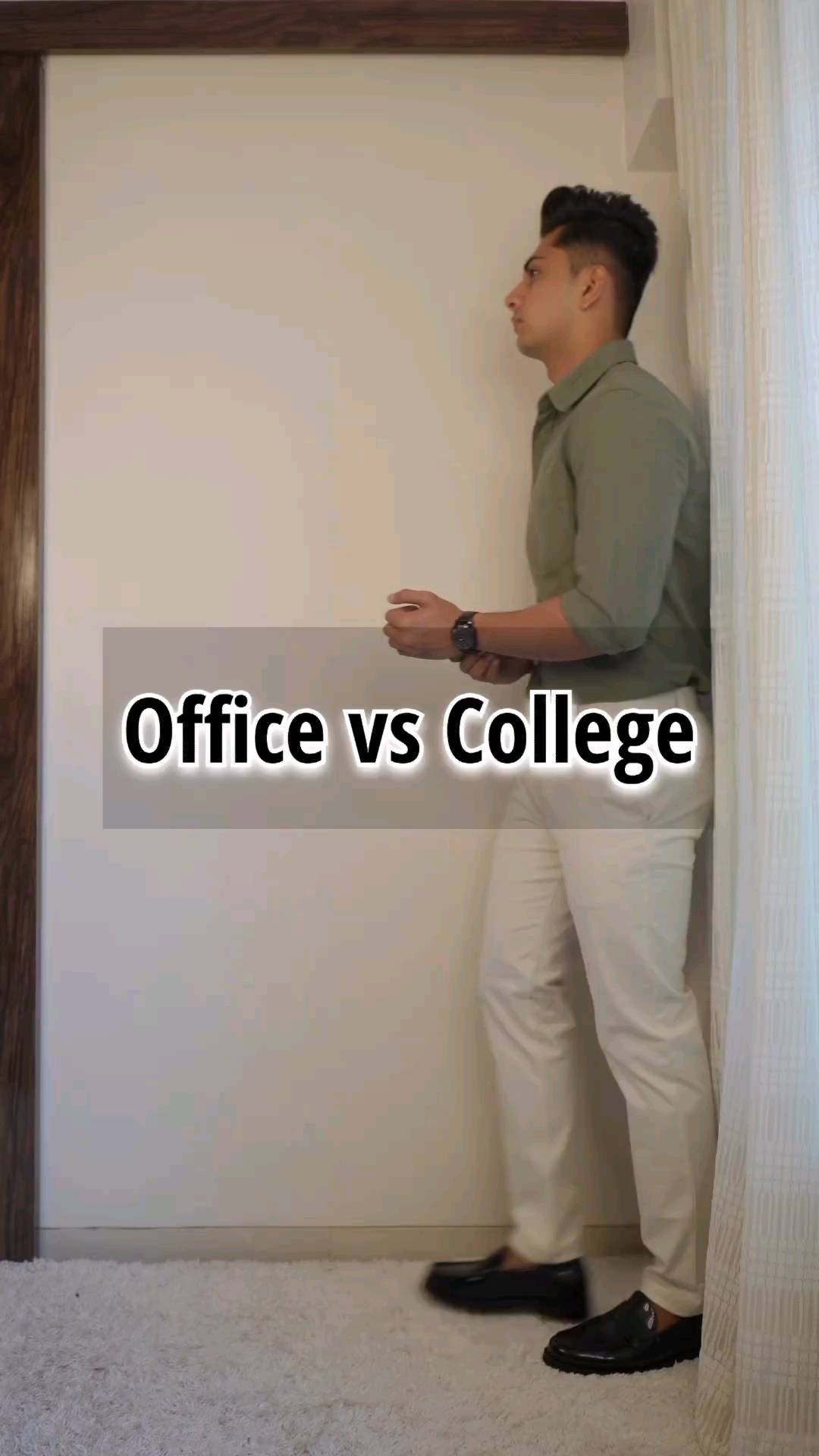
You want to wear colour, but bright shirts feel difficult. You also want light trousers without looking like you dressed for a beach holiday.
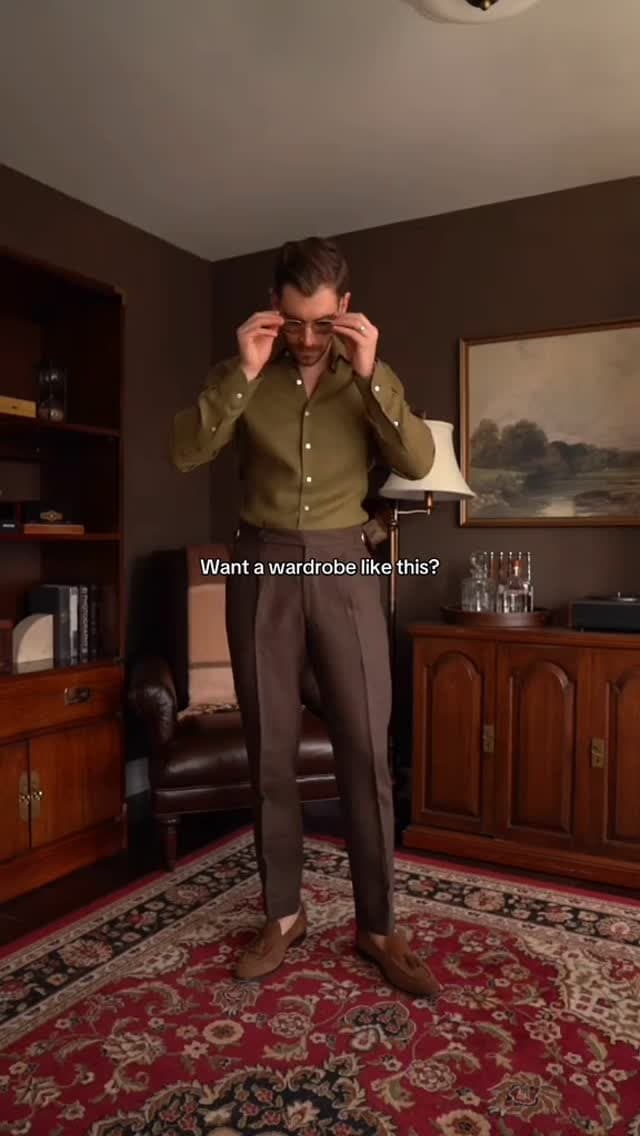
The practical answer is an olive green shirt with cream trousers.
Olive gives the upper half character without shouting. Cream keeps the lower half lighter and softer than black. Dark leather shoes then anchor the combination. It is simple enough for college, polished enough for many casual offices, and easy to adjust for a date or dinner.
Remember one rule: one muted colour, one light neutral and one dark anchor.
Olive is an earth tone. It sits comfortably beside cream, beige, stone, brown, charcoal and navy. Cream is warmer than pure white, so the contrast with olive looks controlled rather than severe.
That matters if you are new to colour. You are not trying to coordinate five different shades. The shirt carries the colour. The trousers create breathing room. The shoes finish the outfit.
The formula is:
If colour combinations often confuse you, start with the men's colour matching guide. The easiest outfits usually have one clear lead colour and quiet supporting neutrals.
Not every green shirt creates the same effect.
A muted olive, sage or military green is easier to repeat than neon, emerald or highly saturated forest green. Look at the shirt in daylight. Some olive shirts lean brown, while others lean grey. Both can work with cream as long as the colour does not become extremely bright.
For maximum versatility, choose a plain long-sleeve button-up with:
An Oxford-style weave can feel structured and casual. A smoother poplin-style shirt reads a little sharper. Linen or linen blends can suit warm weather, but check the label instead of judging the fabric from a photo. Breathability, transparency and care requirements differ.
Avoid combining the olive shirt with loud contrast stitching, shoulder tabs, several flap pockets and heavy decorative hardware. One or two workwear details can be intentional. Too many can make the shirt harder to wear in an office or smart-casual setting.
The shoulder seam should finish near your natural shoulder. The collar should close comfortably without squeezing. Button the shirt and reach forward: the back should allow movement without pulling tightly across the shoulder blades.
At the chest, the placket should lie flat. If the spaces between buttons open when you stand normally, size up or choose a different cut. If large folds collect around the waist after tucking, the shirt may be too full or too long for the trousers.
The sleeve should reach the wrist when worn down. If you roll it, make two or three even folds and stop around the forearm. A controlled roll relaxes the outfit. A crushed bundle above the elbow looks careless and can feel restrictive.
Use the how clothes should fit men guide before changing your body or blaming the colour. Most outfit problems begin with garment proportions, not the person wearing them.
Cream trousers can mean warm off-white, ecru, stone or very light beige. You do not need an exact shade name. You need a neutral that works with the shirt and is practical for your life.
For a first pair, choose trousers that are:
Very bright white trousers create stronger contrast. That can work in summer, but cream is often more forgiving and easier with olive. Yellow-toned beige may also work, though an extremely warm tan can reduce the clean contrast.
Check pocket outlines and underwear visibility in daylight. Wear skin-tone or appropriately neutral underwear rather than assuming white underwear will disappear under light fabric.
The waistband should stay in place without a belt pulling it tight. You should be able to sit, walk and use the pockets normally. The seat should look clean without gripping or hanging.
A straight or gentle taper is the safest shape. Very skinny cream trousers can expose strain lines and make the outfit look dated. Extremely wide trousers can be stylish, but they need deliberate shirt volume and hem length.
At the bottom, choose a slight break or a clean no-break finish. Heavy fabric stacking over dark loafers makes the light trousers look untidy. Take the intended shoes to a tailor so the hem is set against the correct heel and vamp.
Do not buy light trousers to “fix” your body. Buy them because the colour supports the outfit. Comfort, clean drape and movement matter more than trying to appear taller, slimmer or broader.
Both can work, but they change the mood.
Dark brown or espresso leather keeps the outfit within an earthy palette. This is the easiest option for a daytime office, dinner or smart-casual event. Penny loafers, tassel loafers and simple Derby shoes are useful choices.
Black creates a sharper anchor. It works when the watch strap, belt or outer layer also gives black a reason to be present. Choose a clean, restrained shoe rather than a long pointed shape or heavy formal Oxford for a relaxed campus outfit.
Minimal white sneakers can make the combination more casual. Keep them clean and low-profile. They suit college, travel and informal workplaces better than conservative offices or dressier events.
Brown suede loafers or chukkas add texture and feel relaxed. They are useful in dry weather but require appropriate care.
If you are unsure which category belongs in your wardrobe, compare the options in the men's shoes every man needs guide.
A belt should relate to the shoes, not perfectly copy them.
Wear a dark brown belt with dark brown shoes. Wear black with black. A braided belt feels more relaxed; smooth leather looks cleaner for an office or dinner. Keep the buckle modest.
Do not use a belt to force trousers that are several sizes too large to stay up. Buy for the seat and thigh, then alter the waist if needed.
If the trousers have side adjusters and fit correctly, you may not need a belt. That can create a cleaner line, but only when the waistband is meant to be worn that way.
Tuck the shirt for an office, presentation, dinner or smart-casual date. It clarifies the waist and makes the cream trousers look intentional.
Wear it untucked only when the shirt hem is short enough and the setting is genuinely casual. A long dress-shirt tail hanging over light trousers can divide the body awkwardly and look unfinished.
A simple test: if the hem covers most of the trouser fly or hangs much lower at the back, the shirt probably wants to be tucked.
After tucking, raise your arms and settle the shirt naturally. Do not pull every centimetre tight. A small, even amount of ease looks better and allows movement.
The clothes do not need to change completely. The finish and footwear set the level.
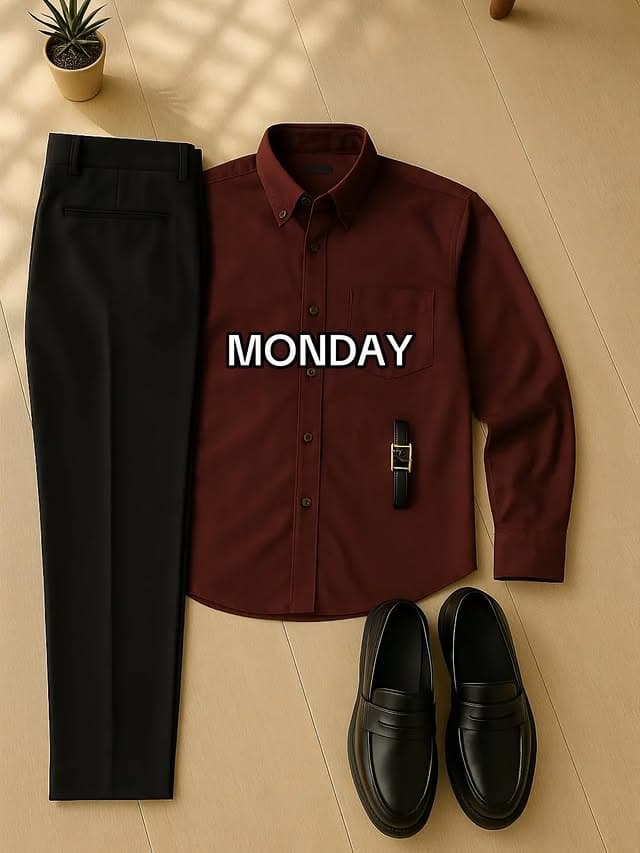
Tuck the shirt. Wear dark leather loafers or Derby shoes, a related belt and fine socks. Keep the sleeve roll neat or wear the sleeves down. Add an unstructured navy, brown or charcoal jacket if the room is cooler or more formal.
This is not universal business attire. A conservative office may expect navy or grey trousers, formal shoes and a tie. Read the workplace instead of copying an outfit blindly.
Keep the olive-and-cream palette, but use clean sneakers, a simple leather shoe or practical boots. Carry a restrained backpack or tote. The clothes should still let you walk, sit and handle a full day comfortably.
Do not confuse casual with careless. Clean shoes, an ironed collar and trousers that do not drag still matter.
For a campus presentation, tuck the shirt and choose leather shoes. For an interview, research the organisation. When uncertain, a pale blue or white shirt with navy or charcoal trousers is more predictable. The men's dress codes guide can help you judge the required formality.
A useful layer should support the palette rather than introduce another loud idea.
Navy adds contrast and makes the outfit office-ready. Choose an unstructured blazer so it does not look like the top half of a business suit.
A brown suede-style, field or simple zip jacket continues the earth-tone family. Keep the exact shade visibly different from the olive shirt.
For a casual version, reverse the visual weight with a cream overshirt and a darker olive base layer. Avoid wearing cream pieces that almost match but visibly clash under the same light.
Charcoal outerwear anchors the light trousers in cooler weather. It also gives black footwear a clear connection.
A dark indigo denim jacket can work for college or weekends. Avoid distressed washes if you want to preserve the clean smart-casual effect.
The outfit already has a clear colour story. It does not need many accessories.
One watch is enough. Choose a dark leather strap, metal bracelet or simple field-watch style. Add a ring or bracelet only if it is part of your normal style, not because the outfit feels “empty.”
A brown or dark leather bag can connect with the shoes. A clean canvas tote or structured backpack is more casual. Avoid large logos and overloaded pockets if you want the outfit to stay polished.
Keep hair deliberate and facial hair edged or cleanly grown. This does not mean one haircut or beard is compulsory. It means the grooming choice should look maintained. Clean nails, fresh breath and suitable deodorant matter more than expensive accessories.
The olive shirt and cream trousers formula can work for:
It is less reliable for funerals, black tie, conservative legal or finance interviews, and ceremonies with a strict formal dress code. Dressing well includes respecting the room.
Choose breathable construction, wear the sleeves neatly rolled, and consider loafers or minimal sneakers. Do not assume every light-coloured garment is breathable. Read the composition and test comfort.
Add a navy blazer, brown jacket or charcoal coat. Dark socks and leather shoes give the light trousers more visual weight. A fine-gauge cream or charcoal knit can replace the shirt for a different outfit built around the same trousers.
Cream hems and suede shoes require more care. Shorten the trouser break, choose weather-appropriate leather or boots, and save pale trousers for a drier day if your commute is messy.
A loud green can still work, but it no longer behaves like a quiet neutral. If the shirt is saturated, simplify every other piece and reconsider whether it suits the room.
Check them in daylight before removing tags. Light trousers that reveal pocket bags or underwear will distract from an otherwise good outfit.
Make even folds. Do not push the sleeve into a tight bundle above the elbow.
Light fabric makes excess break easy to notice. Set the hem while wearing the intended footwear.
Olive, cream and brown already form a complete palette. A tan hat, camel bag, brown jacket, brown jewellery and brown shoes can become over-coordinated. Two or three connected points are enough.
This creates an avoidable disconnect. Keep the major leather pieces in the same colour family.
A clean outfit is not automatically a formal outfit. Adjust the shoes, shirt finish and outer layer—or choose a suit—when the occasion demands more.
Before buying anything, check whether you already own:
Try the whole outfit together. View it in daylight. Sit down, walk, raise your arms and check the back as well as the front.
Prioritise repeatability over novelty. The olive shirt should also work with dark denim, navy chinos and charcoal trousers. The cream trousers should work with navy, pale blue, brown and white tops. That is how one colour combination becomes a useful wardrobe system rather than a one-photo purchase.
For a broader buying order, use the men's wardrobe essentials guide and the how to buy quality clothes guide.
Before leaving, ask:
If those answers are yes, the outfit is ready.
Cream, beige, navy, charcoal, black and dark denim are reliable choices. Cream creates a light smart-casual combination, while navy or charcoal makes the outfit more conservative.
Yes, in many business-casual and creative offices. Tuck it into tailored trousers and wear clean leather shoes. Conservative workplaces may require a white or pale blue shirt instead.
Dark-brown loafers or Derby shoes are the easiest smart-casual option. Black leather shoes create a sharper anchor. Minimal white sneakers suit more relaxed settings.
Tuck it for work, presentations, dinners and smart-casual dates. Wear it untucked only when the shirt has a shorter casual hem and the setting permits it.
Yes, when you also wear black shoes. With brown shoes, choose a brown belt in a related shade.
No. They work year-round when the fabric, footwear and outer layer suit the weather. Dark shoes and a navy, brown or charcoal layer make them easier in cooler months.
Build this outfit once with clothes you already own. Save the checklist, test it in daylight, and change only the formality—not the whole colour formula—when the room changes.
Build a reliable men’s wardrobe with 20 essential pieces: shirts, jeans, chinos, shoes, outerwear, accessories, and grooming basics.