Loading...
Style guides, outfit breakdowns, and deals — curated weekly for the modern Pakistani man.
12,000+ subscribers · No spam · Unsubscribe anytime
Learn men’s etiquette basics for greetings, dates, restaurants, phones, conversations, events, and everyday respect.
Affiliate disclosure: This article may include affiliate links. If you buy through them, Men Fashion Sense may earn a commission at no extra cost to you. We only suggest products that solve the reader’s problem.
Men’s etiquette basics are simple: show respect, make people comfortable, and handle ordinary situations without making them harder for everyone else. You do not need old-fashioned performance or fake superiority. Start with clean greetings, phone discipline, good conversation, restaurant manners, dress-code respect, and the habit of treating service staff well. A well-dressed man still looks unfinished if his manners are careless.
Image prompt: Premium editorial image of a well-dressed modern man greeting another person warmly in a neutral restaurant lobby, navy blazer, white shirt, polished shoes, warm neutral palette, realistic, no visible logos, no text.
Etiquette is not about acting rich, sounding superior, or memorizing rules so you can judge other people. It is the practical skill of making a room feel easier because you are in it. That means you arrive on time, listen when people speak, say please and thank you, and understand that confidence does not need attention every minute.
The modern gentleman is not stiff. He is aware. He notices when someone needs space, when a conversation is getting uncomfortable, when his phone is stealing attention, and when an invitation requires a little more effort from his outfit. This is why etiquette belongs on a men’s fashion site. Clothes create the first impression. Manners decide whether that impression lasts.
If you are starting from zero, do not worry about obscure table settings first. Master the habits people experience every day: greeting, listening, texting, dining, dressing for the room, and leaving people better than you found them.
A good greeting is calm, clear, and present. Stand if you are being introduced in a professional or formal setting. Make eye contact without staring. Say the person’s name if you heard it correctly. If you missed it, ask again instead of pretending. A simple “Good to meet you, Omar” already puts you ahead of the man who mumbles while checking his phone.
For handshakes, keep it firm but not aggressive. Two pumps is enough. Do not crush someone’s hand to prove confidence, and do not offer a limp hand while looking away. If someone does not want to shake hands, respect it immediately. A nod, smile, or verbal greeting is fine. Etiquette adapts to people; it does not force them.
When entering a group, greet the host or the person who invited you first if possible. Introduce people who do not know each other. Use one helpful detail: “This is Adam, we work together on design projects.” That small bridge helps the conversation start naturally.
Your phone is one of the biggest tests of modern etiquette. At dinner, on a date, in a meeting, or during a serious conversation, keep it away unless there is a real reason. Face down on the table is still a signal that part of you is waiting to leave. Put it in your pocket.
If you must check your phone, say why: “Sorry, I need to confirm my ride,” or “I’m checking a message from my family.” That one sentence turns rude behavior into understandable behavior. Never scroll while someone is telling you something important. It says their words are less valuable than whatever is on your screen.
Voice notes, speakerphone, and loud videos in public are also manners issues. Use headphones. Keep calls short in shared spaces. If you are around people, step away before taking a long call. Good phone etiquette is not complicated. It is just proof that you know other people exist.
Good conversation is not a performance. You do not need to dominate the room, tell the best story, or prove how much you know. Your job is to listen, respond, ask better questions, and avoid turning every topic back to yourself.
Use the simple 60-second rule: if you have been talking for a full minute, give someone else a way in. Ask, “What do you think?” or “Have you dealt with that before?” This keeps you from becoming the man who talks at people instead of with them.
Avoid interrogation. Questions are useful, but firing ten questions in a row can feel like an interview. Share a little, then ask. If someone gives short answers, change the topic or give them space. Read the room. That skill matters more than any memorized line.
Restaurant etiquette starts before you sit down. If reservations are expected, make one. Arrive on time. If you are late, message before the agreed time, not after. When you arrive, greet staff normally. A man who is polite to his date but rude to the server is not polite. He is performing.
At the table, sit with control. Do not spread your elbows across everyone’s space. Put your napkin on your lap. Do not start eating until everyone has been served, unless the group clearly tells you to begin while the food is hot. Chew with your mouth closed. These are basic rules, but many men ignore them.
Ordering is simple: be clear, say please, and do not make staff responsible for your indecision. If something is wrong, handle it calmly. You can correct a problem without humiliating anyone. That is real composure.
Ignoring a dress code is not confidence. It often tells the host you did not care enough to prepare. If an invitation says business casual, cocktail, formal, or black tie, learn what that means before you go. When in doubt, dress one step sharper rather than one step lazier.
This does not mean you need expensive clothes. It means your outfit should respect the room. Clean shoes, pressed clothes, correct fit, and a jacket when the setting calls for it will beat loud designer pieces almost every time. If you are unsure, read our guides to /dress-codes/men-dress-codes-explained/, /dress-codes/smart-casual-men/, and /dress-codes/business-casual-men/.
A good rule: your outfit should never make the host feel like they invited someone who did not take the event seriously. Style is personal, but context matters.
How you treat people who cannot do anything for you reveals more than your watch, car, or suit. Say please and thank you. Use a normal tone. Be patient when a place is busy. Do not snap fingers, whistle, or wave staff down like they are servants.
If there is a mistake, explain it clearly: “I’m sorry, I ordered this without onions. Could it be corrected?” That is enough. Losing your temper over a small issue makes you look uncontrolled, not important.
Tip according to local custom. If tipping is expected where you are, do not use it as a power game. If service was poor, handle it fairly, but do not look for reasons to punish people. A modern gentleman understands that respect is not reserved for impressive rooms.
When someone invites you into their home, do not arrive empty-handed unless you were specifically told not to bring anything. A simple dessert, drink, or small useful gift is enough. Arrive close to the agreed time. Too early can be as awkward as too late.
Offer help once, then respect the answer. Do not force yourself into the kitchen if the host says they have it handled. Clean up after yourself. If you use a glass, plate, towel, or chair, leave it better than you found it.
Send a short thank-you message after. It can be simple: “Thanks for having me tonight. Great evening.” That small habit makes people remember you as thoughtful without you needing to announce it.
The first mistake is confusing confidence with volume. Being loud, interrupting, or taking over every conversation is not presence. It is poor control. Real presence is calm. People feel it because you are grounded, not because you demand attention.
The second mistake is performing manners only around people you want to impress. If you are respectful on a date but rude to staff, your date sees both. If you dress sharply for a boss but treat family carelessly, that inconsistency shows.
The third mistake is acting like etiquette makes you less masculine. It does the opposite. Self-control, awareness, discipline, and respect are adult traits. They make you easier to trust.
Before leaving the house, check three things: Am I dressed for the room? Am I clean and groomed? Am I prepared to be present instead of buried in my phone? Those three questions fix most avoidable problems.
When meeting people, greet clearly, remember names when possible, and introduce people who do not know each other. In conversation, listen without waiting only for your turn to talk. At the table, treat staff well and keep your phone away.
When leaving, thank the host, settle what you owe, and follow up if the situation deserves it. Etiquette is a chain of small decisions. None of them are dramatic, but together they make you look reliable and mature.
Dress one level cleaner than you think you need. You do not need a suit unless the setting calls for it, but avoid looking like you stopped by accidentally. A plain knit, Oxford shirt, dark jeans or chinos, and clean shoes will usually work. Bring something small if you are visiting a home. Greet everyone, remember names, and offer help without taking over.
Do not perform. Families notice when a man is trying too hard. Be warm, answer questions honestly, and avoid controversial topics until you understand the room. Compliment the food, the home, or the effort behind the gathering if it is sincere. Put your phone away. If you are nervous, focus on making other people comfortable instead of trying to look impressive.
At a work event, etiquette means being easy to introduce. Keep your outfit aligned with the event, your drink under control, and your conversations balanced. Do not trap one person for the whole evening. If someone is looking around or giving short answers, let them go politely: “Good speaking with you. I’ll let you continue around the room.”
Prepare a simple introduction before you arrive. Name, role, and one useful detail are enough. Do not pitch yourself aggressively in every conversation. Ask what other people do, listen for real details, and follow up if there is a clear reason. A calm follow-up message the next day is stronger than collecting contacts you never speak to again.
At emotional or formal events, your job is not to become the center of attention. Respect the dress code, arrive on time, and follow the lead of the host or family. At weddings, do not outshine the couple, complain about the schedule, or treat the reception like your personal club night. At funerals, dress quietly, speak gently, and avoid making the moment about your own discomfort.
If you do not know what to say, keep it simple. “I’m glad to be here for you,” or “I’m sorry for your loss” is better than trying to produce a perfect speech. Good etiquette often means knowing when fewer words are better.
Useful purchases can support etiquette, but they do not replace it. A lint roller, clothes steamer, leather belt, shoe brush, travel fragrance atomizer, and simple notebook can help you show up prepared. If affiliate links are added later, place them only where they solve a real preparation problem, not as random shopping pressure.
The best preparation is a small event routine: check the invitation, check the dress code, clean your shoes, charge your phone, confirm transport, and arrive with enough time to settle. This routine makes you look composed because you are not fixing avoidable problems at the door.
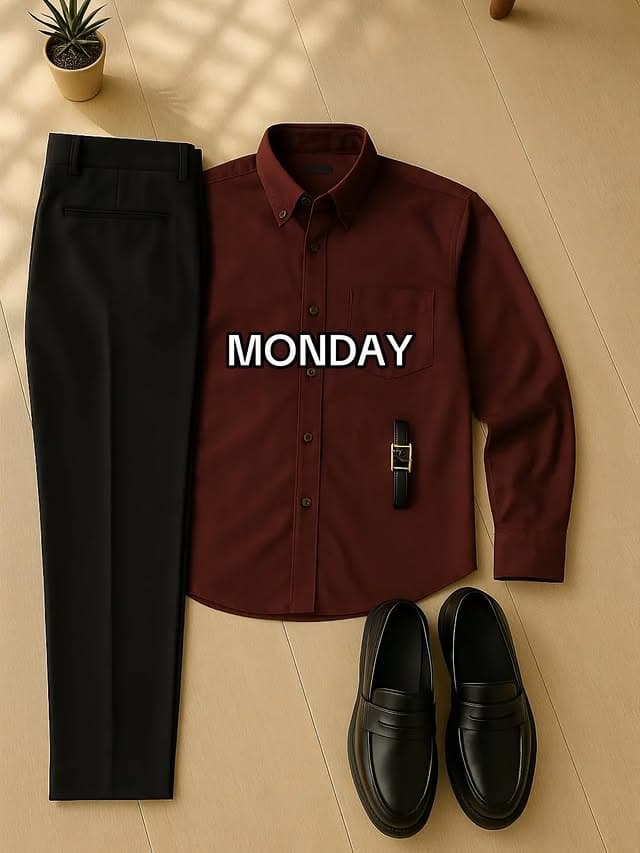
For the next seven days, practice one etiquette skill per day. Monday: greet people clearly and use names. Tuesday: keep your phone away during meals. Wednesday: say thank you to every person who helps you. Thursday: arrive five minutes early. Friday: introduce two people properly. Saturday: be a better guest by bringing something or helping clean up. Sunday: review where you rushed, interrupted, or ignored the room.
This may sound basic, but basics are where most men lose points. Etiquette becomes natural only when you repeat it in normal situations, not when you wait for a formal event.
Start with greetings, phone manners, listening, punctuality, restaurant behavior, dress-code respect, and treating service staff well.
No. Bad etiquette is old-fashioned. Modern etiquette is simply respect, awareness, and making social situations easier.
No. Clean, well-fitting clothes and respectful behavior matter more than price.
Being present only when they want to impress someone. Manners should be consistent, not selective.
Start with one habit this week: put your phone away whenever someone is speaking to you. Then read /style-basics/mens-fashion-guide/ to build the full From Zero to Well-Dressed foundation.
Build a reliable men’s wardrobe with 20 essential pieces: shirts, jeans, chinos, shoes, outerwear, accessories, and grooming basics.