Loading...
Style guides, outfit breakdowns, and deals — curated weekly for the modern Pakistani man.
12,000+ subscribers · No spam · Unsubscribe anytime
Practical style advice for big and tall men: fit, proportions, shirts, trousers, jackets, colours, and outfit formulas.
Big and tall men dress best when clothes skim instead of cling or hide, trousers sit at the right rise, jackets add structure, fabrics have enough weight, and shoes balance the frame. The goal is not to look smaller at any cost. The goal is to look cleaner, stronger, and more intentional. Oversized clothing usually adds bulk. Tight clothing creates pulling. The best style is in the middle: structure, vertical lines, calm colours, and correct proportions.
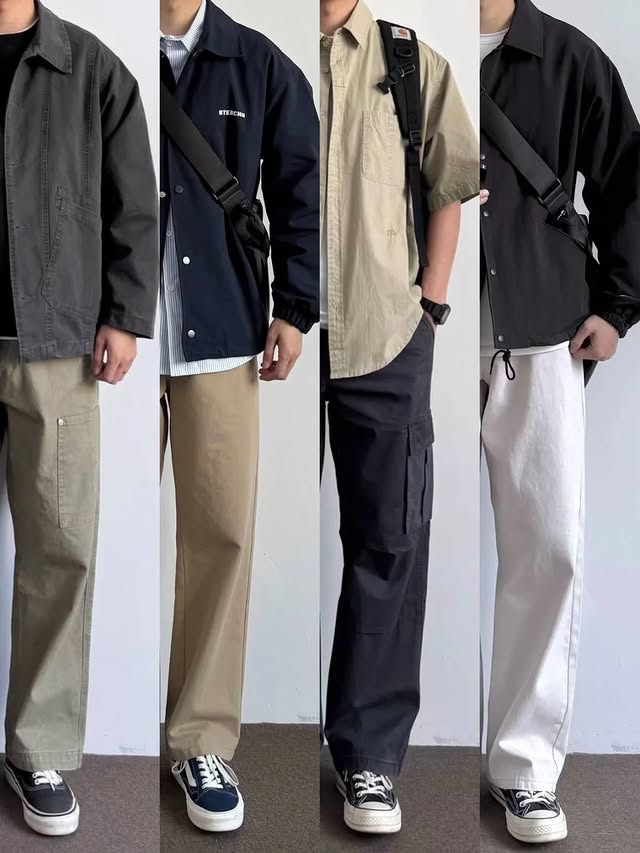
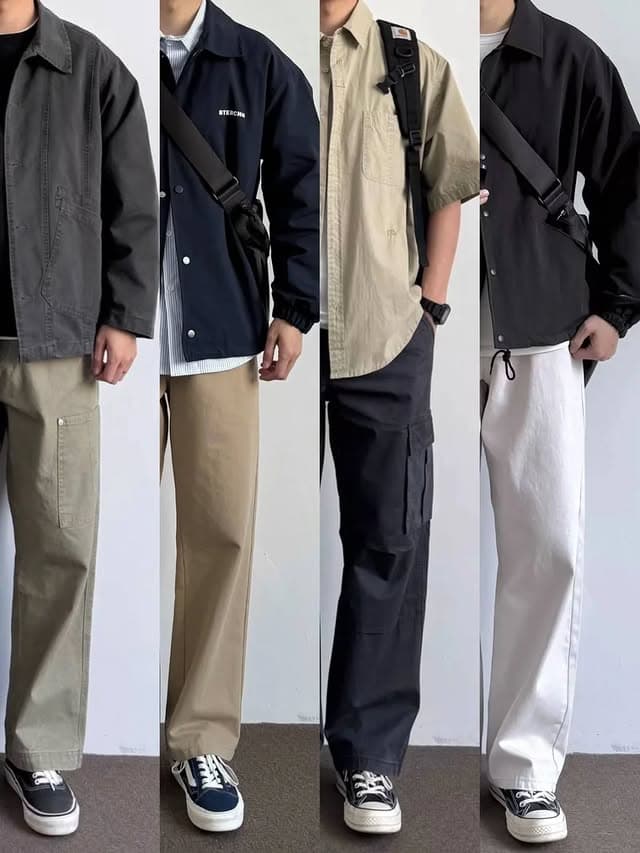
Men Fashion Sense image reference: Topic-matched visual for Big and Tall Men’s Fashion Tips: Dress Better With Proportion.
Many bigger men make one of two mistakes. They either wear clothes too tight because they want shape, or too loose because they want to hide. Both usually work against you. Tight clothes show pulling and discomfort. Oversized clothes add more fabric and make the frame look less controlled.
The better target is skim fit. A shirt should follow the body without grabbing the stomach. Trousers should have room in the seat and thigh without ballooning. Jackets should create shape through the shoulders and chest without squeezing.
This is not about shame. It is about presentation. A man of any size looks better when his clothes look chosen, not surrendered to.
Vertical lines are one of the most useful tools for big and tall men. They create length and order. You can create vertical lines with open overshirts, jackets, cardigans, shirt plackets, trouser creases, and darker layers.
Try this: dark T-shirt, open navy overshirt, straight dark jeans, brown boots. The open overshirt creates two vertical lines down the body. It also adds shoulder structure and makes the outfit look more complete.
Avoid too many horizontal breaks. A high-contrast belt, short jacket, loud chest stripe, or strong colour block at the waist can cut the body in sections. Sometimes that is fine, but if you want a cleaner line, keep contrast controlled.
Rise is the distance from the crotch seam to the waistband. For bigger men, rise matters a lot. Low-rise trousers often sit under the stomach, slide down, and make shirts look messy. A mid-rise or higher-rise trouser can sit more naturally and create a cleaner line.
Your waistband should not fight your body all day. If you constantly pull your trousers up, the rise or size is wrong. If the crotch is uncomfortable, the cut is wrong. If the seat pulls, try a roomier cut.
Straight, relaxed-tapered, and athletic cuts often work better than skinny cuts. The leg should have enough room at the thigh and taper enough at the ankle to look clean. Read How Should Jeans Fit Men? for the denim version of this rule.
A structured jacket can make a big man look sharper immediately. It gives the shoulders shape, cleans up the torso, and frames the face. This can be a blazer, chore coat, overshirt, trucker jacket, field jacket, or overcoat.
The shoulder must fit. If the shoulder is too tight, the jacket pulls. If it drops too far, the jacket looks sloppy. Sleeve length also matters. Long sleeves make the whole outfit look borrowed. Tailor them if needed.
For tall men, longer coats can look excellent because your frame can carry them. For big men who are not very tall, be careful with coat length. You want structure, not a blanket.
Dark colours can simplify the body line. Navy, charcoal, black, dark olive, chocolate, and deep burgundy are useful. But do not wear flat black everything every day and call it style. Texture matters.
A charcoal knit, dark indigo denim, and black leather boots have depth. A navy overshirt over a black T-shirt creates a clean line without looking lifeless. A dark brown suede jacket adds richness without shouting.
Use lighter colours near the face when you want to brighten the outfit: a white Oxford under a navy jacket, a cream knit under a charcoal coat, or a light blue shirt with dark trousers.
Very thin fabric can cling and show every line. Very heavy fabric can add bulk. Look for mid-weight cotton, Oxford cloth, denim, twill, merino wool, structured knits, and outerwear with shape.
T-shirts should have enough weight to drape. Polos should hold their collar. Shirts should not be transparent or flimsy. Trousers should hang cleanly instead of sticking to the leg.
Stretch can help comfort, but too much stretch can make clothes cling. Use it carefully. Comfort is good. A rubber-band outfit is not.
A good shirt starts at the shoulders and chest. It should not pull at the buttons. It should not tent out at the waist. If the shirt fits the shoulders but is too full in the body, tailoring can help. If the shoulders and collar are wrong, start with a different shirt.
Oxford shirts, overshirts, camp collar shirts, and structured polos are good options. Avoid tiny collars if you have a larger frame. A small collar can look out of scale. Avoid huge logos across the chest unless you want the eye to stop there.
If you wear shirts untucked, watch the length. Too short looks accidental. Too long shortens the legs. Big and tall sizing can solve length, but check the proportions carefully.
Straight and relaxed-tapered trousers are often the safest. They give the thigh room and keep the ankle clean. Skinny jeans usually create pulling and imbalance. Very wide trousers can work in fashion-forward outfits, but beginners should learn clean straight fits first.
Hem your trousers. Tall men sometimes accept short inseams because options are limited. Big men sometimes accept stacking because tailoring feels like extra work. Both hurt the outfit. A clean hem makes you look more deliberate immediately.
For chinos, choose a mid-weight fabric. For dress trousers, consider pleats if you need more room at the top. Pleats are not old-fashioned when they fit well; they can create comfort and better drape.
A bigger frame usually needs shoes with some presence. Tiny, thin sneakers can look out of scale. Chelsea boots, Derbies, loafers with structure, clean leather sneakers, and casual boots often balance better.
That does not mean huge chunky shoes with every outfit. It means the shoe should visually support the body and trouser width. If your trousers are straight or relaxed, the shoe should not disappear underneath them.
Dark shoes with dark trousers can lengthen the leg. Brown boots with dark denim are a reliable everyday choice.
Grooming is part of proportion. A clean haircut, shaped beard, neat neckline, trimmed nails, and controlled fragrance make the outfit feel finished. Big and tall men sometimes focus only on clothing because fit is frustrating, but grooming is often the fastest win.
Posture matters too. Stand tall, shoulders relaxed, chin level. Do not collapse into your clothes. You do not need to perform confidence. Just carry yourself with basic presence.
Use Men’s Grooming Routine when it is published. Until then, keep hair, beard, skin, nails, clothes, and shoes clean.
Navy overshirt, charcoal heavyweight T-shirt, straight dark jeans, brown leather boots. This creates vertical lines and balanced weight.
Structured blazer, light blue Oxford shirt, dark mid-rise trousers, dark brown loafers or Derbies. Keep the shirt clean and the jacket shoulder correct.
Camp collar shirt in a structured fabric, straight linen-blend trousers, leather sandals or loafers. Avoid clingy thin shirts. Choose breathable but not flimsy.
Dark knit polo, suede jacket or overshirt, straight black jeans, Chelsea boots, one or two sprays of fragrance. Simple, masculine, not overdone.
Oxford shirt, chore jacket, dark chinos, Derbies. Roll sleeves cleanly if appropriate and keep the collar sharp.
Extra fabric does not hide size. It usually adds more. Choose structure and skim fit.
Button pulling, pocket flaring, and stretched seams make any outfit look uncomfortable. Size up or change cuts.
Sleeve length, trouser hems, and shirt sides can often be fixed. Tailoring is not only for suits.
Small collars, thin belts, tiny watches, and narrow shoes can look out of scale. Match accessories to your frame.
Limited sizing can be frustrating, but giving up only makes the problem worse. Build slowly. Find brands that cut for you. Repeat what works.
Measure your best-fitting shirt, trousers, and jacket. Keep those measurements in your phone. When shopping online, compare garment measurements, not only size labels. Look for big, tall, athletic, relaxed-tapered, and extended-size options depending on your shape.
Buy fewer pieces at first. One excellent pair of dark jeans, one structured overshirt, one good Oxford shirt, one pair of boots, and one clean jacket can do more than ten random sale items. For a broader system, read Capsule Wardrobe for Men.
Affiliate opportunity: big and tall shirts, straight jeans, relaxed-tapered chinos, structured jackets, boots, measuring tape, garment steamer, and shoe care kits are useful when they solve real fit and maintenance problems.
Tailoring can feel frustrating when sizing is already difficult, but it is often the difference between “available in my size” and “actually fits me.” Start with trouser hems. Fabric stacking at the ankle makes the whole outfit look heavier. Next, fix sleeve length. A jacket or shirt sleeve that covers too much hand makes the garment look borrowed. Then look at shirt sides if the shoulders and chest fit but the waist balloons.
For suits and blazers, buy the shoulder and chest correctly first. A tailor can usually adjust sleeves and some waist shape, but rebuilding a shoulder is expensive and rarely worth it. For trousers, make sure the rise, seat, and thigh work before hemming. If the top block is wrong, a clean hem will not save the pants.
Do not try to solve everything at once. Build a small rotation that works hard. Start with two structured T-shirts or polos, one Oxford shirt, one overshirt, one dark straight jean, one smart trouser, one casual boot, one clean sneaker, and one jacket with shape. Keep the palette calm: navy, charcoal, white, olive, dark denim, brown, and black.
This gives you casual, smart casual, date, and work-adjacent outfits without a full closet. When something fits well, note the brand, cut, and measurements. Repeat success. Big and tall style becomes much easier when you stop experimenting randomly and start building a personal fit database.
In summer, choose breathable fabrics with structure: linen blends, cotton twill, open-weave knits, and camp collar shirts that do not cling. In winter, use layers with purpose: knitwear, overshirts, chore coats, topcoats, and scarves that create length rather than bulk. Avoid piling on thick shapeless layers just because it is cold.
The best seasonal outfits still follow the same rule: controlled fabric, vertical lines, balanced shoes, and grooming that finishes the look.
Take one front photo, one side photo, and one seated photo in your main outfits. This is not for judgment. It is for feedback. Photos reveal sleeve length, trouser stacking, pulling buttons, and jacket shape faster than guessing in a mirror. Fix what the photo shows before buying another random piece.
Looking sharp should not mean suffering through the day. Choose fabrics that breathe, waistbands that sit securely, and shoes that support your weight and walking habits. The point of better style is to move through life with more ease, not to stand stiff for a photo. If a garment only looks good while you hold your breath, it is not the right garment. Comfort is part of presence because relaxed movement makes the outfit look natural.
Before you buy anything new, check the relationship between your shoulder width, trouser width, and shoe size. Big and tall dressing works best when the whole outfit feels balanced from top to bottom. If the shirt is very full but the trousers are narrow, the outfit looks top-heavy. If the trousers are wide but the shoes are tiny and flat, the lower half looks unfinished. Aim for clean, steady lines instead of extreme contrast.
A strong simple formula is a structured overshirt or jacket, a plain crew neck or open-collar shirt, straight-leg trousers, and solid shoes. This gives the body a clear frame without squeezing it. The goal is not to hide your size. The goal is to dress with control, comfort, and proportion.
Not too loose. Clothes should skim the body. Oversized clothing usually adds bulk and looks less intentional.
Straight, relaxed-tapered, or athletic jeans usually work best. Look for room in the seat and thigh with a clean ankle and proper hem.
Tall men can often wear longer coats well, but the shoulder, sleeve, and overall proportion still need to fit.
Dark colours are useful, but not mandatory. Use navy, charcoal, olive, brown, and black with texture and structure. Fit matters more than colour alone.
Hem trousers, fix sleeve length, wear structured layers, choose better shoes, and keep grooming consistent.
Big and tall style is about proportion, not hiding. Choose clothes that skim, use vertical lines, get trousers and jackets right, and match shoes to your frame. Save this guide and use it before your next shopping trip or tailor visit.
Build a reliable men’s wardrobe with 20 essential pieces: shirts, jeans, chinos, shoes, outerwear, accessories, and grooming basics.